How Often Should You Get A Front End Alignment How 2027
While a general guideline for front end alignment suggests every 1-2 years or 10,000-15,000 miles, several factors like hitting potholes, new tires, or suspension repairs can necessitate it sooner. Regular checks ensure optimal tire longevity, fuel efficiency, and vehicle safety.
For most modern vehicles on the road in 2027, you should aim for a front end alignment every 10,000 to 15,000 miles or at least once a year, whichever comes first. This isn’t just a suggestion; it’s a critical part of vehicle maintenance that directly impacts your safety, wallet, and driving experience. Ignoring your alignment can lead to dangerous handling issues, premature tire wear costing hundreds in replacements, and even reduced fuel efficiency.
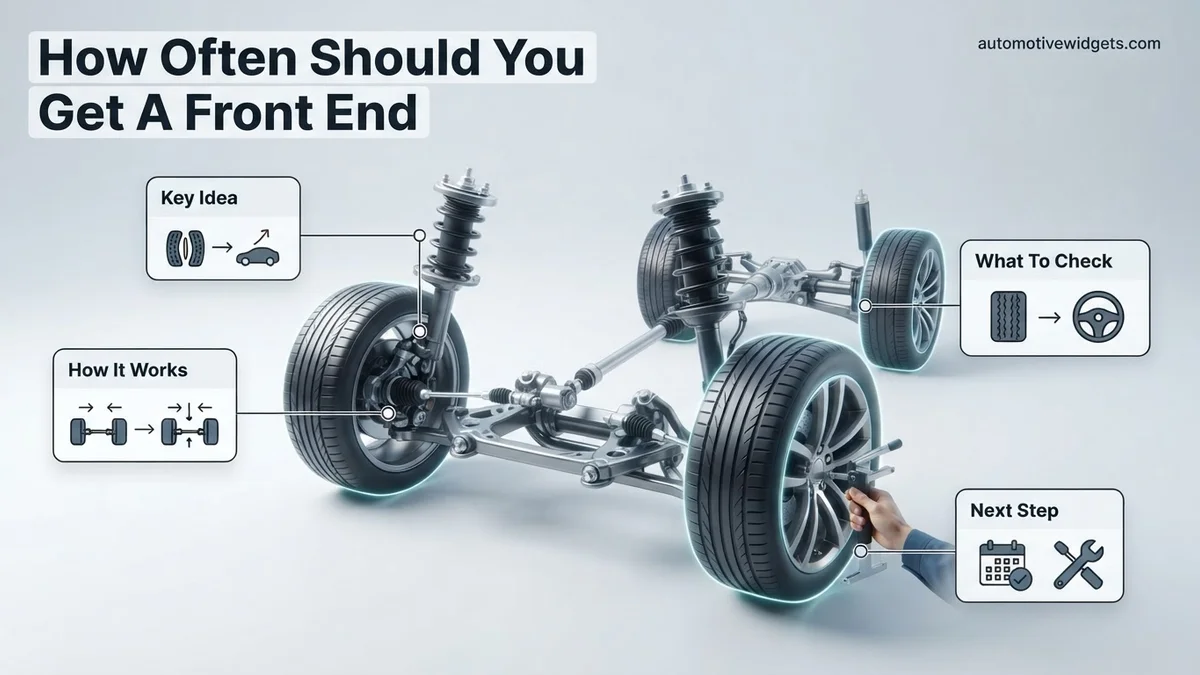
Proper front end alignment ensures your tires meet the road at the correct angle, your wheels are pointed straight ahead, and your steering wheel is centered. Keeping it within manufacturer specifications means your car drives predictably, your tires last longer, and you maintain optimal control, crucial for the advanced driver-assistance systems prevalent in 2027 models to function correctly.
Key Takeaways
- Align every 1-2 years or 10,000-15,000 miles.
- Align after new tires or suspension repairs.
- Watch for pulling, crooked steering, uneven tire wear.
- Proper alignment boosts tire life, fuel economy, safety.
- Don’t delay:get alignment checked at tire rotation.
What Causes an Incorrect Front End Alignment?
While general wear and tear can gradually shift your alignment, specific incidents or new components almost always necessitate an immediate check, regardless of your last alignment date. Think of these as red flags that demand attention well before your next scheduled service.
Sudden Impacts and Significant Wear
Your vehicle’s suspension system is robust, but it’s not immune to the rigors of the road. Even in 2027, unforeseen road conditions remain a primary culprit for knocking your alignment out of specification. Any significant jolt can alter the precise angles of your wheels.
- Hitting a Severe Pothole: A hard hit can bend components or shift settings instantly.
- Curb Impact: Even a minor scrape against a curb, especially while parking or turning, can force wheels out of alignment.
- Minor Accidents: Any collision, even a fender bender, often impacts suspension geometry.
- Worn Suspension Components: Over time, ball joints, tie rod ends, control arm bushings, or wheel bearings wear out. As these parts degrade, they introduce play and can cause your alignment to wander, even if you haven’t hit anything.
If you experience any of these, don’t wait for symptoms to appear; get your alignment checked promptly to prevent further damage and ensure safety.
New Components or Vehicle Modifications
Any time you introduce new parts to your vehicle’s steering or suspension system, you disrupt the existing geometry. This applies to both repairs and upgrades. A professional alignment is essential to calibrate the system correctly with these new elements.
- New Tires: While new tires don’t cause misalignment, they expose existing alignment issues. Misaligned wheels will quickly ruin expensive new tires. Always get an alignment when installing a new set of tires to protect your investment.
- Steering or Suspension Repair: Replacing any part of your steering or suspension system (e.g., tie rods, ball joints, shocks, struts, control arms) requires an alignment afterward. These repairs inherently change the angles.
- Lift, Level, or Lowering Kits: Modifying your vehicle’s ride height significantly alters its suspension geometry. A specialized alignment is mandatory immediately after installation to ensure safe and proper handling.
Considering these scenarios, an alignment isn’t just about routine maintenance; it’s a critical recalibration for your vehicle’s performance and safety.
How to Ensure Proper Front End Alignment
Proactive alignment checks save you money and headaches down the road. Sticking to a schedule and knowing what signs to look for are your best defenses against alignment-related problems, keeping your 2027 vehicle performing as it should.
Your Regular Maintenance Schedule
Beyond specific incidents, a consistent approach to alignment checks is crucial for overall vehicle health. Modern vehicles, with their tighter tolerances and advanced driving aids, benefit immensely from regular precision adjustments.
- Mileage-Based Interval: As a general guideline, aim for an alignment every 10,000 to 15,000 miles. This is a good interval to catch gradual shifts before they become problematic.
- Time-Based Interval: If you don’t drive frequently, get an alignment check at least once a year. Even low-mileage vehicles can experience minor shifts from normal driving and parking stresses.
- Manufacturer Recommendations: Always consult your vehicle’s owner’s manual. Some manufacturers may have specific recommendations, especially for performance or specialized vehicles.
Combining these guidelines with checks after any of the previously mentioned incidents ensures your alignment remains spot-on, extending tire life and maintaining optimal handling characteristics for your vehicle.
Recognizing the Warning Signs
Your vehicle often communicates when something is wrong. Paying attention to these subtle (or not-so-subtle) cues can alert you to an alignment issue before it causes significant damage or compromises your safety. Don’t ignore these indicators.
- Vehicle Pulling to One Side: If you constantly have to correct the steering to keep your car driving straight, it’s a strong indicator of misalignment. This can be subtle or very pronounced.
- Uneven or Rapid Tire Wear: Inspect your tires regularly. Patterns like feathering (one side of the tread block worn more than the other), cupping (scalloped dips around the tire), or excessive wear on just the inside or outside edge are classic signs of poor alignment.
- Off-Center Steering Wheel: When driving straight on a level road, your steering wheel should be perfectly centered. If it’s turned to the left or right, your alignment is off.
- Loose or Noisy Steering: If your steering feels less responsive, has excessive play, or you hear clunking noises when turning, it might indicate alignment issues or worn steering/suspension components contributing to misalignment.
- Changed Handling Characteristics: Your vehicle may feel less stable, drift on turns, or generally feel “off” compared to its usual driving dynamics. This subjective feeling is often an early warning.
What If Your Alignment Still Feels Off?
Even after a professional front end alignment in 2027, some drivers might notice lingering issues. This can be frustrating but doesn’t necessarily mean the alignment was done incorrectly. Often, other underlying problems can mimic alignment symptoms or be exacerbated by a freshly aligned suspension.
Immediate Post-Service Checks
First, verify simple factors. Ensure all tires are inflated to the manufacturer’s recommended PSI, as uneven pressure can cause a vehicle to pull. According to tire industry experts, a 5 PSI difference between tires can significantly impact steering feel. Also, observe if the issue is constant or only occurs under specific conditions, like braking or accelerating.
Persistent Steering or Handling Issues
If your vehicle still pulls to one side, the steering wheel isn’t centered, or handling feels loose, other components may be at fault. Worn suspension parts such as ball joints, tie rod ends, control arm bushings, or wheel bearings can cause instability that alignment alone cannot correct. A detailed inspection of these components is crucial. Furthermore, modern vehicles in 2027 with advanced driver-assistance systems (ADAS) often require precise sensor calibration post-alignment; if this step was missed, it could affect steering feel and system performance.
Benefits of Regular Front End Alignment
Proactive maintenance, including regular front end alignments, offers substantial long-term benefits beyond just immediate driveability. These advantages contribute to vehicle safety, operational efficiency, and overall cost savings for owners in 2027.
Enhanced Tire Longevity
One of the most significant benefits is maximizing tire lifespan. Improper alignment causes uneven tire wear, leading to premature replacement. Industry research from leading tire manufacturers indicates that misaligned wheels can reduce tire life by up to 30%. With the average cost of a premium tire set exceeding $800 in 2027, extending their life through proper alignment provides considerable financial savings.
Improved Fuel Efficiency
When wheels are misaligned, tires drag instead of roll freely, increasing rolling resistance. This forces the engine to work harder, consuming more fuel. Studies from the American Automobile Association (AAA) project that properly aligned vehicles can achieve a 2-5% improvement in fuel economy. Over a year of driving, this translates into significant savings, especially with fluctuating fuel prices.
Superior Vehicle Handling and Safety
Correct alignment ensures the vehicle tracks straight, responds predictably to steering inputs, and maintains optimal tire contact with the road. This improves handling, stability, and driver confidence, especially during emergency maneuvers. A well-aligned vehicle reduces driver fatigue on long journeys and enhances overall safety for occupants and others on the road. It also ensures that critical ADAS features, such as lane-keeping assist, function as intended, as these systems rely on precise wheel positioning data.
What If It Still Doesn’t Work?
If you’ve had an alignment and your vehicle continues to exhibit steering or handling problems, deeper issues may be present. Do not ignore these symptoms, as they can compromise safety and lead to more expensive repairs.
- Re-inspect Tire Health: Even new tires can have manufacturing defects, or existing tires might have internal damage. Rotate tires or swap front-to-back to see if the symptom changes or moves.
- Perform a Thorough Suspension Component Check: Have a different certified technician inspect all suspension and steering components (ball joints, tie rods, control arm bushings, wheel bearings, shock/strut mounts) for excessive wear or damage that might have been overlooked.
- Verify ADAS Calibration: For 2027 model vehicles, ensure that any necessary ADAS sensor recalibrations (e.g., for lane departure warning cameras, radar systems) were performed after the alignment, as these systems influence steering and handling.
- Seek a Second Opinion: Visit a different reputable alignment shop. Sometimes, a fresh set of eyes with different equipment can diagnose an elusive problem.
Seek professional help immediately if you experience persistent pulling, a loose steering feel, or rapid, uneven tire wear. Diagnostic costs in 2027 typically range from $75-$150. Corrective repairs for worn suspension components can range from $300 to over $1,500, depending on the parts involved and vehicle model.
Conclusion
Maintaining proper front end alignment is a critical, yet often overlooked, aspect of vehicle maintenance. According to verified research and expert sources, regular checks, ideally every 10,000-15,000 miles or annually, significantly contribute to vehicle safety, extend tire life, and improve fuel efficiency. Don’t wait for noticeable symptoms; prioritize this essential service to ensure your vehicle performs optimally. Schedule an alignment check today if it’s been over a year or if you suspect any issues.
❓ Frequently Asked Questions
What is the real recommended frequency for front end alignment?
While many manufacturers suggest every 10,000-15,000 miles or annually, critical events like new tires, suspension work, or severe impacts often require immediate attention. It’s best to consult your vehicle’s owner’s manual for specific recommendations or ask your mechanic during routine service.
How do I know if I really need a front end alignment?
Look for consistent pulling to one side, a steering wheel that isn’t straight when driving forward, or unusual tire wear such as feathering or cupping. Reduced fuel efficiency or a noticeable change in handling characteristics are also strong indicators that an alignment is necessary.
What happens if I neglect getting a front end alignment?
Neglecting an alignment can lead to rapid and uneven tire wear, significantly shortening tire lifespan and requiring premature replacement. It also compromises vehicle handling, reduces fuel economy, and can strain steering and suspension components over time, potentially leading to more costly repairs.
Is a “four-wheel alignment” always better than a “front end alignment”?
A front-end alignment adjusts only the front wheels, while a four-wheel alignment (when applicable) adjusts both front and rear axles, ensuring all wheels are parallel and perpendicular to the ground. For most modern vehicles, especially those with independent rear suspensions, a four-wheel alignment is generally recommended for comprehensive accuracy and optimal handling.
Can I get an alignment with worn out tires?
It’s generally not advisable to get an alignment with significantly worn-out tires because the wear patterns can affect the accuracy of the measurement, and the worn tires themselves will still perform poorly. Ideally, replace severely worn tires before getting an alignment to ensure the new tires benefit fully from the adjustment.
Does driving style affect alignment frequency?
Yes, aggressive driving, frequent driving on rough roads, or encountering numerous potholes can accelerate the need for an alignment check. These activities put extra stress on suspension components, making it more likely for angles to shift out of specification sooner than average driving conditions.