How Soon Should I Get an Alignment After New Tires: Expert Guide
You’ve just invested in new tires, and now you’re wondering: how soon should you get an alignment? It’s a question many drivers face, but the answer isn’t always straightforward.
Getting the timing right can save you money, extend the life of your tires, and keep your vehicle handling safely on the road. If you skip an alignment or wait too long, you might be setting yourself up for uneven tire wear and costly repairs down the line.
You’ll discover exactly when to schedule that alignment after getting new tires, why it matters, and how to spot the signs that your wheels need adjusting. Keep reading to make sure your new tires serve you well for miles to come.
New Tires And Alignment Basics
New tires may affect your vehicle’s alignment, especially if suspension parts are worn. Getting an alignment soon helps prevent uneven tire wear and improves handling. It’s best to check alignment within a few hundred miles after installing new tires.
New tires improve your car’s grip and safety on the road. They also affect how your car drives and handles. Proper alignment ensures tires wear evenly and last longer. Misalignment can cause uneven tire wear and poor handling.
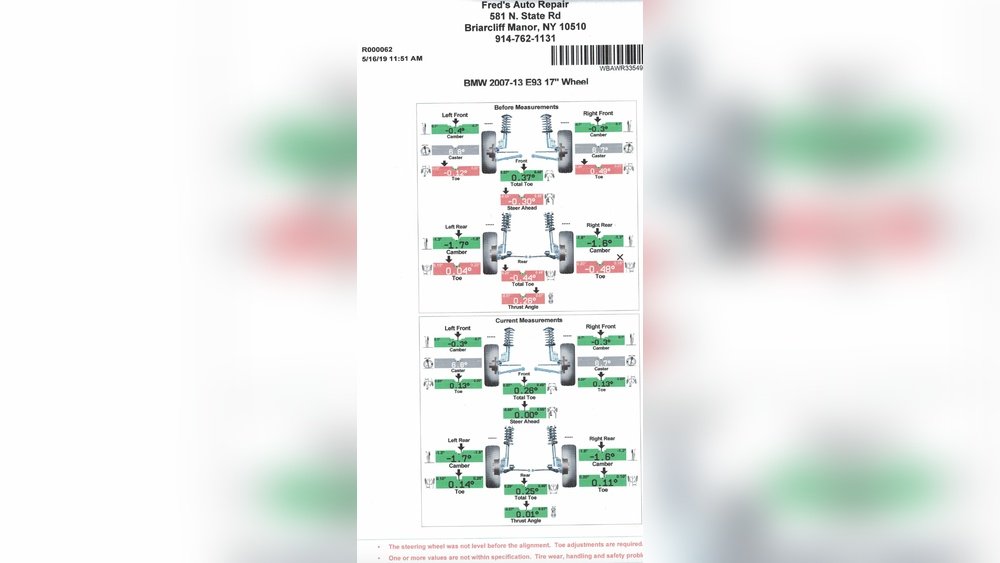
Getting an alignment adjusts the angles of your wheels to the manufacturer’s specifications. This helps your tires roll smoothly and straight. It also prevents your steering wheel from pulling to one side.
Why Alignment Matters With New Tires
New tires work best with correct alignment. Even small misalignments can cause rapid tire wear. This reduces the life of your new tires and wastes money.
Alignment helps maintain good fuel efficiency by reducing rolling resistance. It also improves your car’s stability and safety on the road. Proper alignment keeps your driving experience smooth and comfortable.
Signs You Need An Alignment After New Tires
Check for uneven tire wear patterns after installing new tires. Your steering wheel might pull to one side. The car may feel shaky or unstable at higher speeds. These signs point to a need for an alignment check.
It’s best to get an alignment soon after new tires are installed. This prevents damage and ensures the best performance from your tires.
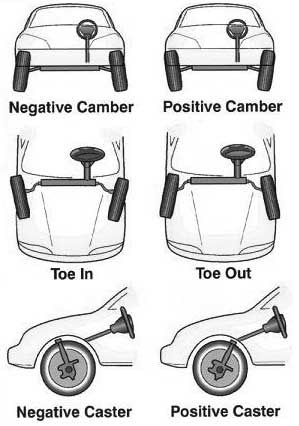
Credit: www.fordfranklin.com
Signs You Need An Alignment
New tires can affect your vehicle’s alignment, causing uneven tire wear or pulling to one side. Noticeable steering issues or vibrations often signal the need for an alignment soon after tire installation. Checking alignment early helps ensure smooth driving and extends tire life.
Getting the timing right for an alignment after new tires is key to vehicle safety and tire life. Aligning your wheels soon after installing new tires helps prevent uneven wear. It also improves handling and fuel efficiency.
Many experts suggest getting an alignment done within the first 100 to 200 miles after tire installation. This period allows the tires to settle and any misalignment issues to show clearly. Waiting too long can cause uneven tire wear and reduce tire lifespan.
Signs That Indicate Immediate Alignment
Some situations require an alignment right after new tires go on. If your vehicle pulls to one side or the steering wheel feels off-center, get an alignment immediately. Also, if you hit a pothole or curb during or just after tire installation, alignment check is essential.
Vibrations or uneven tire wear patterns after installation also signal a need for prompt alignment. Addressing these signs early prevents costly tire damage and unsafe driving conditions.
Factors Affecting Alignment Timing
Road conditions and driving habits affect when you should get an alignment. Rough roads or aggressive driving can quickly throw off alignment. New tires on cars with worn suspension parts may need immediate alignment too.
Check your vehicle’s alignment more often if you drive in harsh conditions. Regular inspections help spot misalignment before it damages new tires.
Timing For Alignment After Tire Installation
Getting an alignment soon after installing new tires can affect both costs and benefits. Early alignment helps protect your investment in new tires. It ensures your car drives smoothly and safely. The right timing can save money and improve tire life.
Cost Of Early Alignment
Wheel alignment typically costs between $50 and $100. Prices vary by location and vehicle type. Some shops offer package deals with new tires. Early alignment can prevent uneven tire wear, saving money on replacements. Skipping alignment may lead to costly repairs later.
Benefits Of Early Alignment
Early alignment keeps tires wearing evenly. This extends the life of your new tires. Your car will handle better and feel more stable. Proper alignment improves fuel efficiency, reducing gas expenses. It also prevents steering issues and unsafe driving conditions.
Risks Of Delaying Alignment
Delaying alignment can cause tires to wear unevenly. This reduces tire lifespan and safety. Misalignment may lead to poor steering control. It can also damage suspension parts over time. Repair costs increase the longer you wait.
Credit: fredsautorepair.com

Credit: www.reddit.com
Frequently Asked Questions
What Is The 3 Tire Rule?
The 3 tire rule limits tire replacement to three tires to maintain balanced handling and safety. It prevents uneven wear and traction issues.
Is $100 A Lot For An Alignment?
Paying $100 for a wheel alignment is reasonable and typical in the U. S. market. Prices vary by location and vehicle type.
Can Getting New Tires Throw Off Alignment?
Getting new tires usually does not throw off alignment. Check alignment if suspension parts are worn or after accidents.
How Much Does An Alignment Usually Cost?
An alignment usually costs between $75 and $150, depending on the vehicle and service location. Some shops offer package deals with tire purchases. Regular alignments improve tire life and vehicle handling. Always check prices locally for the best deal.
How Soon Should I Get An Alignment After New Tires?
Get an alignment within a week or 500 miles after new tires. This helps prevent uneven tire wear and improves handling. Quick alignment saves money and extends tire life.
Conclusion
Getting an alignment soon after installing new tires helps keep your car safe. It also makes your tires last longer and improves fuel efficiency. Check your suspension too, as worn parts can cause misalignment. If your vehicle pulls or the steering feels off, schedule an alignment right away.
Waiting too long can cause uneven tire wear and extra costs. A quick alignment after new tires is a smart, simple step to protect your investment and drive smoothly.