Do You Need an Alignment After Replacing Ball Joints? Essential Facts
Have you just replaced your ball joints and wonder if you need an alignment afterward? This is a common question that many car owners face.
You might think that swapping out worn ball joints is enough to get your suspension back in shape, but there’s more to it. Even a slight change in your vehicle’s suspension can affect how your wheels line up. If you skip the alignment, you risk uneven tire wear, poor handling, and a bumpy ride.
Keep reading to find out why an alignment after ball joint replacement isn’t just a good idea—it could save you money and keep your car driving smoothly and safely.
When Ball Joints Affect Alignment
Ball joints connect the wheels to the suspension. They allow smooth movement and steering control. Worn or replaced ball joints can change the wheel position slightly. This change affects the vehicle’s alignment.
Alignment means the correct angles of the wheels. It ensures the car drives straight and tires wear evenly. Even small shifts in ball joint position can throw off these angles. This causes uneven tire wear and poor handling.
How Ball Joints Influence Wheel Angles
Ball joints affect the camber and toe angles of the wheels. Camber is the tilt of the wheel inward or outward. Toe is the direction the wheels point relative to the car’s centerline. When ball joints wear out or are replaced, these angles can shift.
New ball joints might not match the exact position of the old ones. This difference changes the wheel alignment. The suspension geometry adjusts slightly, affecting the car’s stability and steering response.
Signs Of Misalignment After Ball Joint Replacement
The vehicle may pull to one side during driving. You might notice uneven tire wear on the inside or outside edges. Steering can feel loose or less responsive. Vibrations or noises may occur from the front suspension.
These are clear signs that the alignment needs checking. Driving with misaligned wheels causes faster tire wear and unsafe handling. Getting an alignment after ball joint replacement fixes these issues.
Importance Of Alignment After Ball Joint Replacement
Replacing ball joints changes suspension settings. This makes an alignment necessary to restore proper wheel angles. It ensures the car drives safely and tires last longer. An alignment after ball joint work also prevents steering problems.
Many mechanics recommend an alignment after suspension repairs. Some shops require it to avoid warranty issues. Alignments are a small cost compared to replacing worn tires or suspension parts caused by poor alignment.
Signs You Need An Alignment After Replacement
Replacing ball joints changes your vehicle’s suspension geometry. This often affects wheel alignment. Certain signs show when an alignment is necessary after the replacement.
Ignoring these signs can cause uneven tire wear and poor handling. Watch for these symptoms to keep your vehicle safe and smooth.
Steering Wheel Is Off-center
The steering wheel should be straight when driving forward. If it leans to one side, the alignment is likely off. This happens after ball joint replacement changes suspension angles.
Vehicle Pulls To One Side
When the car drifts left or right without steering input, alignment issues exist. New ball joints can cause the wheels to angle incorrectly, making the vehicle pull.
Uneven Tire Wear
Check your tires for uneven wear patterns. Worn edges or bald spots on one side mean alignment is wrong. This is common after suspension parts like ball joints are replaced.
Vibrations While Driving
Feeling vibrations in the steering wheel or seat can indicate poor alignment. Misaligned wheels cause uneven tire contact with the road, leading to shaking.
Loose Or Wandering Steering
If steering feels loose or the vehicle wanders on the road, alignment is a problem. Ball joint replacement can loosen suspension geometry, affecting control.
How New Ball Joints Change Suspension Geometry
Replacing ball joints can slightly change your vehicle’s suspension geometry. This shift often affects wheel alignment, causing uneven tire wear or poor handling. Getting an alignment after installing new ball joints ensures proper steering and extends tire life.
Replacing ball joints affects the suspension geometry significantly. New ball joints may have slight differences in size or shape compared to the old ones. These differences shift the angles and positions of suspension parts.
The suspension geometry controls how the wheels align with the road. Even small changes can cause misalignment. This leads to uneven tire wear and poor handling. New ball joints restore tightness and precision, which changes how the suspension moves.
Impact On Wheel Alignment
Wheel alignment depends on correct suspension geometry. New ball joints can change camber, caster, and toe angles. These angles must be precise for safe driving and proper tire wear. Misalignment after ball joint replacement is common without an alignment check.
Effects On Steering And Handling
New ball joints improve steering response but can alter steering feel. Changing suspension geometry may cause the steering wheel to feel off-center. Handling might become less stable if alignment is not adjusted. Proper alignment ensures smooth and predictable driving.
Why You Should Get An Alignment After Replacement
An alignment corrects any geometry changes caused by new ball joints. It ensures the wheels point in the correct direction. This prevents uneven tire wear and improves fuel efficiency. Alignments also enhance safety by maintaining proper vehicle control.

Credit: www.reddit.com
Risks Of Skipping Alignment Post Replacement
Skipping an alignment after replacing ball joints can cause serious problems. Ball joints affect the vehicle’s suspension and steering. New parts change how your wheels sit and move. Without alignment, your car may drive poorly and wear parts faster.
Ignoring alignment risks safety and leads to extra costs. Understanding these risks helps protect your vehicle and your wallet.
Increased Tire Wear
Misaligned wheels cause uneven tire wear. Tires wear out faster on one side. This reduces tire life and means buying new tires sooner. Uneven wear can also cause vibrations and poor grip.
Poor Handling And Steering
Incorrect alignment affects how the car handles. Steering may feel loose or pull to one side. This makes driving harder and less safe. It also increases the risk of accidents on the road.
Suspension Damage
Skipping alignment stresses suspension parts. Misaligned wheels put extra pressure on shocks and struts. This leads to faster wear and potential damage. Repair costs rise if suspension parts fail early.
Reduced Fuel Efficiency
Wheels out of alignment create more rolling resistance. The engine works harder to move the car. This lowers fuel efficiency and increases gas costs. Proper alignment helps save money on fuel.
Tips For Maintaining Proper Wheel Alignment
Maintaining proper wheel alignment helps your vehicle drive straight and last longer. Proper alignment reduces tire wear and improves fuel efficiency. Regular checks keep your suspension and steering in good shape. Follow these tips to keep your wheels aligned after replacing ball joints.
Check Alignment Regularly
Have your alignment checked every 6,000 miles or twice a year. Uneven tire wear or pulling to one side signals a need for alignment. Regular inspections catch problems early.
Inspect Tires For Uneven Wear
Look for bald spots or uneven tread on your tires. Uneven wear means your alignment may be off. Replace tires if damage is severe to avoid safety risks.
Drive Carefully On Rough Roads
Avoid potholes and rough surfaces when possible. Hitting bumps or curbs can knock your alignment out of place. Smooth driving protects your suspension parts and alignment.
Replace Worn Suspension Parts Promptly
Worn ball joints, tie rods, or control arms affect alignment. Replace these parts as soon as you notice wear or noise. New parts keep your wheels aligned and improve handling.
Balance And Rotate Tires Often
Rotate tires every 5,000 to 7,000 miles for even wear. Balancing tires reduces vibrations that affect alignment. Balanced and rotated tires extend their life and keep driving smooth.
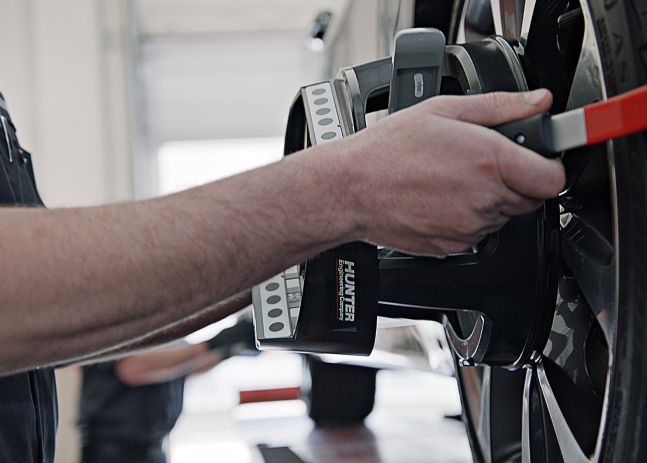
Credit: www.firestonecompleteautocare.com
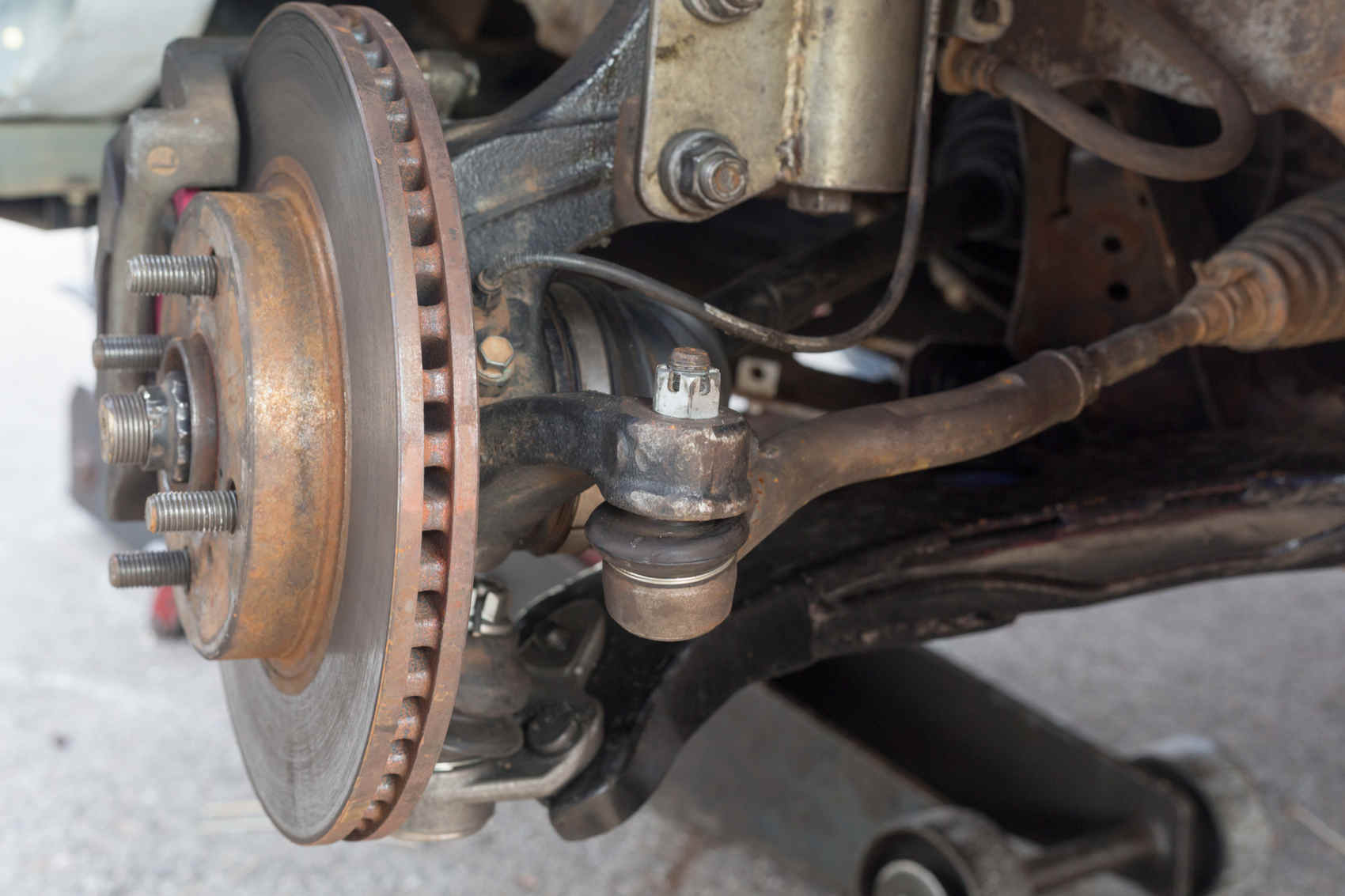
Credit: pneuunik.com
Frequently Asked Questions
Can You Replace A Ball Joint Without Getting An Alignment?
Replacing a ball joint can alter suspension geometry. Always get an alignment to ensure proper tire wear and safe handling.
Do Ball Joints Affect Your Alignment?
Yes, ball joints affect alignment. Replacing them can alter suspension geometry, so an alignment ensures proper tire wear and handling.
What Else Should You Replace When Replacing Ball Joints?
Replace worn control arms, tie rods, and struts along with ball joints to ensure proper suspension and alignment.
Do You Need An Alignment After Replacing Ball Joints?
Yes, an alignment is necessary after replacing ball joints. It ensures your wheels are properly aligned and prevents uneven tire wear.
Conclusion
Replacing ball joints can change your vehicle’s suspension setup. Getting an alignment helps keep your wheels properly positioned. Proper alignment prevents uneven tire wear and improves driving safety. Skipping alignment may cause steering problems and shorten tire life. Always check alignment after suspension repairs for the best results.
This simple step saves money and keeps your car driving smoothly.