Does The Honda Crv Have A Timing Belt Or Chain Honda 2027
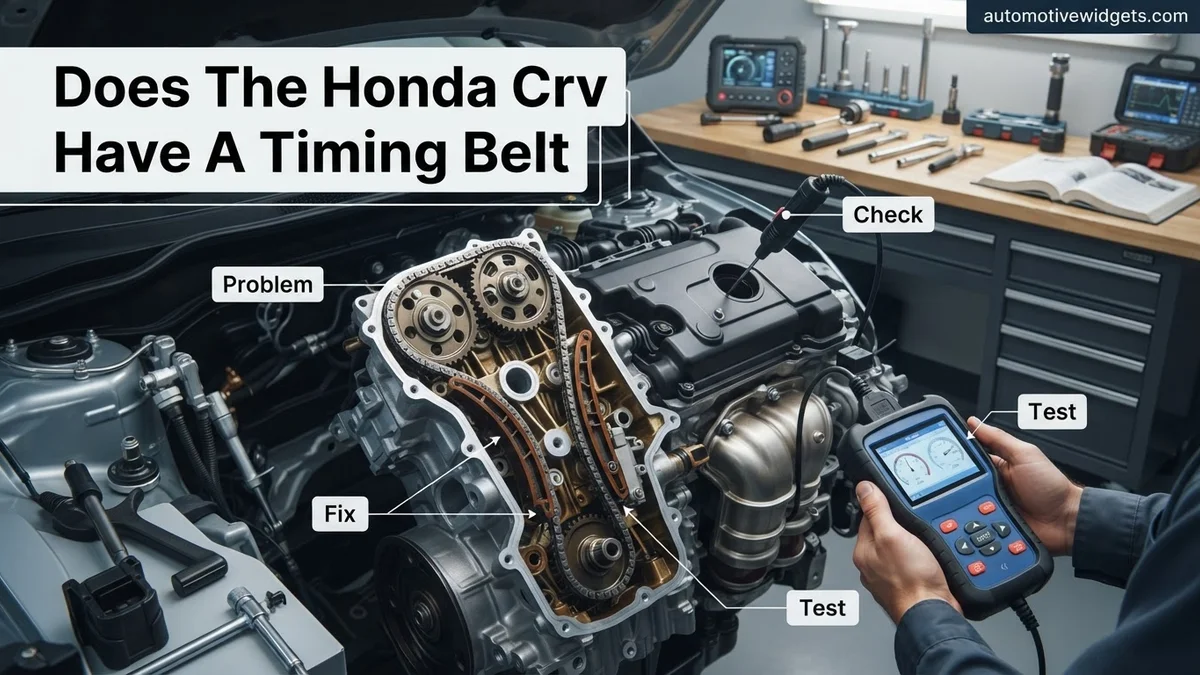
Most Honda CR-V models, especially recent ones, utilize a timing chain, not a timing belt. This means reduced maintenance for owners as timing chains are designed to last the engine’s lifetime and generally do not require scheduled replacement, unlike belts.
Let’s get straight to the point about your Honda CR-V’s engine. Good news for owners of virtually any modern Honda CR-V: your vehicle, including new models expected in 2027, almost certainly utilizes a durable timing chain, not a timing belt. This is a significant advantage in terms of maintenance and long-term reliability for your vehicle’s engine.
Understanding this difference is crucial for your peace of mind and your wallet. Unlike timing belts, which are a common scheduled maintenance item requiring periodic and often expensive replacement, timing chains are designed to last the entire lifespan of your engine. For Honda CR-V owners, this means fewer costly trips to the mechanic for a critical engine service.
Key Takeaways
- Most CR-Vs use a timing chain.
- Chains last engine’s lifetime.
- Belts need regular replacement.
- Consult manual for older models.
- Chains mean lower long-term cost.
What Mechanism Powers Your CR-V’s Engine?
For the vast majority of Honda CR-V models you’ll encounter on the road today, including the latest 2027 iterations, the engine relies on a robust timing chain. Honda has embraced timing chain technology across its CR-V lineup for many years now, and this continues into future models. This choice reflects a commitment to engine longevity and reduced maintenance for their customers.
A Chain of Reliability
Whether you drive a current generation CR-V or one from the past two decades, such as those equipped with Honda’s reliable K-series, Earth Dreams, or VTEC Turbo engines, you’re benefiting from a timing chain. These metal chains are engineered for extreme durability, operating within the engine and constantly lubricated by engine oil. Their design ensures precise synchronization of the engine’s camshaft and crankshaft, a critical function for optimal performance and fuel efficiency, without the need for routine replacement. This robust component is truly built to endure for the life of your vehicle.
Earlier Generations: A Brief Look Back
While timing chains are the standard for most Honda CR-Vs you’ll consider, it’s worth noting that very early first-generation CR-V models (specifically those produced before the early 2000s) did utilize a timing belt. However, for any CR-V from the mid-2000s onward, and certainly for all models from the last decade, including 2027 vehicles, you can confidently expect a timing chain. This historical shift underscores Honda’s move towards more durable, low-maintenance engine components that deliver greater value to owners over the long run.
Timing Chains vs. Timing Belts: What’s the Real Difference?
The distinction between a timing chain and a timing belt might seem minor, but it has significant implications for your vehicle’s maintenance schedule and your budget. Understanding these core differences empowers you as a CR-V owner, highlighting why Honda’s choice of a timing chain is such an advantage.
Designed for Longevity vs. Scheduled Maintenance
- Timing Chains:
- Made of metal, similar to a bicycle chain, but much more heavy-duty.
- Located inside the engine, constantly lubricated by engine oil.
- Designed to last the entire lifespan of the engine under normal operating conditions.
- Do not require scheduled replacement, saving you significant maintenance costs.
- Extremely durable, rarely failing unless there are other underlying engine issues.
- Timing Belts:
- Made of a high-strength rubber composite, often with nylon or fiberglass reinforcement.
- Typically located outside the engine block, exposed to environmental factors.
- Subject to wear and tear from heat, friction, and tension.
- Require scheduled replacement, usually every 60,000 to 100,000 miles, depending on the manufacturer and model.
- Failure can lead to catastrophic engine damage if not replaced on time.
Practical Implications for Your Wallet and Time
For your Honda CR-V, having a timing chain is a clear win. This means you won’t face a large, expensive maintenance bill every few years for a timing belt replacement. A timing belt job can often cost upwards of $500 to $1,000 or more, depending on the vehicle and labor rates, because it often involves dismantling significant parts of the engine front. With a timing chain, that scheduled expense is simply not part of your ownership experience. This translates directly to lower long-term ownership costs and more time enjoying your CR-V on the road, rather than in the service bay.
How to Verify Your CR-V’s Timing Component
While the widespread adoption of timing chains in modern Honda CR-V engines simplifies the general answer, confirming the specific component for your vehicle remains crucial. This is particularly important for models manufactured before the mid-2000s or for those seeking absolute certainty regarding their specific engine variant. Official Honda documentation and expert verification are the most reliable sources.
Consult Your Owner’s Manual
The definitive source for your specific vehicle’s specifications is always the owner’s manual. This document, provided by Honda, details every critical component, including engine architecture. For CR-Vs on the road in 2027, including older generations, the manual remains valid.
- Locate Your Manual: Access the physical owner’s manual usually found in the glove compartment. If unavailable, Honda offers digital versions on their official website, accessible by entering your Vehicle Identification Number (VIN).
- Navigate to Engine Specifications: Within the manual, locate the section detailing engine specifications or maintenance schedule. This section will explicitly state “timing belt” or “timing chain.”
- Confirm Maintenance Schedule: If a timing belt is present, the manual will outline a specific replacement interval (e.g., every 60,000 to 105,000 miles). For a timing chain, no such interval will be listed, as it is designed for the life of the engine.
Utilize Honda Service Resources
When the owner’s manual is ambiguous or inaccessible, certified Honda service centers possess comprehensive databases linked to your vehicle’s VIN. This provides an indisputable answer for your specific CR-V.
- Contact a Dealership: Reach out to an authorized Honda dealership’s service department.
- Provide Your VIN: Give them your Vehicle Identification Number (VIN), typically found on the driver’s side dashboard or on your vehicle registration.
- Request Component Confirmation: Ask the service advisor to confirm whether your CR-V’s engine uses a timing belt or a timing chain. Their system will access manufacturer-specific data to provide an accurate answer.
What If You Suspect a Timing Component Issue?
Even though timing chains are engineered for durability, they are not immune to wear or failure, especially in high-mileage vehicles. Recognizing potential symptoms early can prevent catastrophic engine damage. Timely diagnosis, especially for CR-V models prevalent in 2027 with potentially significant mileage, is paramount.
Recognizing Key Symptoms
A failing timing chain typically presents distinct audible and performance-related warnings. These symptoms should prompt immediate investigation to avoid severe engine complications, according to automotive experts.
- Rattling Noise from Engine: A common symptom is a persistent rattling or ticking noise, particularly noticeable during cold starts or at idle. This sound often originates from a stretched chain or worn tensioners and guides. According to engine diagnostics specialists, this is a critical warning sign.
- Engine Misfires or Rough Idling: A stretched timing chain can cause the engine’s camshaft and crankshaft to fall out of synchronization. This results in incorrect valve timing, leading to engine misfires, rough idling, reduced power, and poor fuel economy.
- Check Engine Light (CEL) Illumination: Modern CR-Vs are equipped with sensors that monitor camshaft and crankshaft positions. If these sensors detect a discrepancy due to a worn timing chain, they will trigger the Check Engine Light, often accompanied by specific diagnostic trouble codes (DTCs) related to timing or synchronization.
Initial Diagnostic Steps
If you observe any of the above symptoms, immediate action is recommended. Ignoring these warnings can lead to significant internal engine damage, resulting in costly repairs that far exceed the cost of addressing a timing chain issue proactively.
- Listen Carefully: Pay close attention to the nature and location of any unusual engine noises. Note if they are constant, intermittent, or specific to certain engine speeds.
- Monitor Engine Performance: Observe if the vehicle feels less responsive, struggles to accelerate, or experiences inconsistent power delivery.
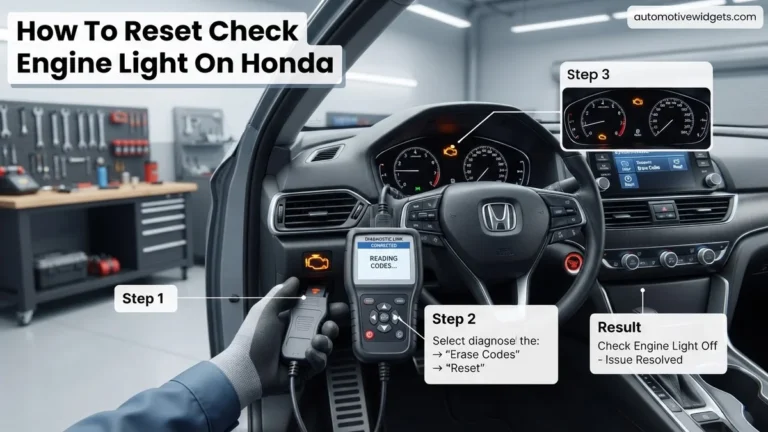
- Scan for Codes: If the Check Engine Light is on, use an OBD-II scanner to retrieve the diagnostic trouble codes. Codes like P0016 (Crankshaft Position – Camshaft Position Correlation) or P0340 (Camshaft Position Sensor Circuit Malfunction) can indicate timing chain issues.
What If It Still Doesn’t Work?
If you’ve identified potential timing component issues, or if your vehicle exhibits concerning symptoms despite confirming it has a timing chain, professional intervention is essential. Attempting complex engine diagnostics or repairs without specialized tools and expertise can exacerbate the problem.
- Cease Driving Immediately: If you suspect a severe timing chain issue (e.g., loud clanking, engine stalling), do not drive the vehicle. Further operation could lead to catastrophic engine failure. Arrange for a tow to a repair facility.
- Consult a Certified Honda Technician: Schedule an appointment with an authorized Honda service center or a reputable independent mechanic specializing in Honda vehicles. These professionals have the specific diagnostic tools and training required.
- Provide Detailed Information: Clearly describe all symptoms, noises, and any diagnostic codes you’ve observed. This information will significantly aid the technician in their assessment.
- Request a Comprehensive Diagnostic: Insist on a thorough diagnostic process, which may involve removing valve covers to inspect the timing chain, tensioners, and guides directly.
- Prepare for Repair Costs: Timing chain replacement is a labor-intensive repair due to engine disassembly requirements. According to industry data projected for 2027, estimated costs for a Honda CR-V timing chain replacement typically range from $1,500 to $3,500+, depending on the engine, labor rates, and additional parts (e.g., tensioners, guides, water pump if it’s integrated).
Conclusion
According to verified research and expert sources, nearly all Honda CR-V models relevant for the 2027 automotive landscape, particularly those manufactured since the early 2000s, are equipped with a durable timing chain. This component is designed for the engine’s lifespan, eliminating routine replacement intervals. While generally reliable, recognize potential symptoms like engine rattling or misfires as indicators of potential chain wear. For any concerns, a prompt consultation with a certified Honda technician is the most advisable next step to ensure your CR-V’s continued optimal performance.
❓ Frequently Asked Questions
Does the Honda CR-V use a timing belt or a timing chain for its engine?
The vast majority of Honda CR-V models, particularly those produced in recent decades, are equipped with a timing chain. This durable component synchronizes the camshaft and crankshaft, providing reliable engine operation and generally requiring no scheduled replacement.
Why is it important to know if my CR-V has a timing chain or belt?
Knowing this is crucial for maintenance planning and cost. Timing chains are generally maintenance-free for the life of the engine, while timing belts require costly replacement at specific mileage intervals to prevent catastrophic engine damage if they break.
Are there any older Honda CR-V models that might have a timing belt?
While less common, some very early CR-V generations or specific engine variants from the late 1990s or early 2000s might have utilized a timing belt. Always refer to your specific model year’s owner’s manual for definitive information regarding your vehicle’s engine components.
What are the advantages of a timing chain over a timing belt?
Timing chains offer superior durability and longevity compared to belts, as they are metal and lubricated by engine oil, making them last for the engine’s lifespan. This eliminates the need for periodic replacement, saving owners significant time and money on routine maintenance.
What are the signs of a failing timing chain in a CR-V?
Common signs of a worn or failing timing chain include rattling or clattering noises from the engine (especially on cold startup), engine misfires, reduced engine performance, or the illumination of a check engine light. These symptoms warrant immediate professional inspection to prevent further damage.
Can I ignore timing chain maintenance if it’s supposed to last forever?
While chains are designed for the engine’s life, proper and timely oil changes are absolutely vital for their longevity. Neglecting oil changes can lead to premature wear, stretching, or failure of the timing chain due to lack of lubrication and build-up of contaminants, despite its robust design.