How Often Should You Do a Fuel Induction Service Guide 2026
A fuel induction service is generally recommended every 30,000 to 45,000 miles to clear out harmful carbon deposits. Skipping this maintenance can lead to rough idling, reduced fuel economy, and sluggish acceleration, especially in modern direct-injection engines.
Most modern vehicles require a professional fuel induction service every 45,000 to 60,000 miles. If you drive primarily in heavy stop-and-go city traffic or take frequent short trips, you may need this intensive cleaning closer to the 30,000-mile mark.
Ignoring this maintenance schedule leads to severe carbon deposits on your intake valves and fuel injectors. This restricts airflow, ruins your fuel economy, and causes frustrating drivability issues. Staying ahead of this service protects your engine’s performance and prevents costly repairs down the road in 2026.
Key Takeaways
- Perform a fuel induction service every 30,000 to 45,000 miles for optimal engine performance.
- Gasoline Direct Injection (GDI) engines require this cleaning service more frequently than older port-injection models.
- Rough idling, engine misfires, and declining fuel economy are clear signs your car needs immediate attention.
- Frequent short trips and stop-and-go city driving accelerate carbon buildup in the intake valves.
- Routine induction services restore lost horsepower and improve overall throttle response.
What Causes Carbon Buildup and Why Fuel Induction Services Are Necessary
Modern engines use advanced fuel delivery designs that inadvertently cause stubborn carbon deposits over time. Understanding what creates this buildup helps you see why standard fuel additives are often not enough to keep your intake tract clean.

Direct Injection vs. Port Injection Design Flaws
In older port-injected engines, fuel sprayed directly over the intake valves, washing away natural debris and oil residue. Most cars built in recent years utilize Gasoline Direct Injection (GDI) technology. GDI injects fuel straight into the combustion chamber rather than behind the valves. Without fuel washing over them, the back of your intake valves bakes in oil vapor and exhaust blow-by. This creates hard carbon crusts that strangle your engine.
Recognizing the Warning Signs of Overdue Carbon Buildup
Your engine will tell you when it desperately needs a professional induction cleaning. Watch out for these common red flags:
- Rough idling or engine shaking when stopped at a red light
- Sluggish acceleration when you step on the gas pedal
- A noticeable drop in your highway and city fuel economy
- Engine misfires or hesitation during cold starts
- The check engine light illuminating with codes for lean fuel mixtures
How to Determine the Exact Mileage Interval for Your Specific Vehicle
General guidelines are helpful, but your specific car might have unique engineering demands. Pinpointing the exact service window depends on a few key factors about how and what you drive.
Consulting Your Manufacturer Recommendations for 2026
Always check your owner manual or manufacturer maintenance schedule first. While some automakers bundle fuel induction into major tune-ups, others leave it out entirely because it falls under preventative maintenance rather than a replacement part. If you drive a turbocharged GDI engine, cut the standard mileage interval down by 15,000 miles. Turbochargers push more air and oil mist through the intake, accelerating carbon accumulation.
Assessing Your Personal Driving Habits
Your daily routine plays a massive role in how fast carbon chokes your engine. Severe driving conditions require much more frequent service intervals:
- Short commutes: Driving under 10 minutes prevents your engine from reaching optimal operating temperature, creating heavier condensation and carbon deposits.
- Heavy traffic: Constant idling in gridlock increases oil vapor recirculation through the PCV valve.
- Dusty environments: Air filters let microscopic particles bypass into the intake tract, mixing with oil to bake onto hot valves.
Step-by-Step Guide to Identifying When Your Engine Needs Immediate Cleaning
Modern engine management systems provide subtle warning signs before carbon deposits trigger a check engine light. Knowing how to interpret these physical symptoms prevents premature component failure in 2026 vehicles.
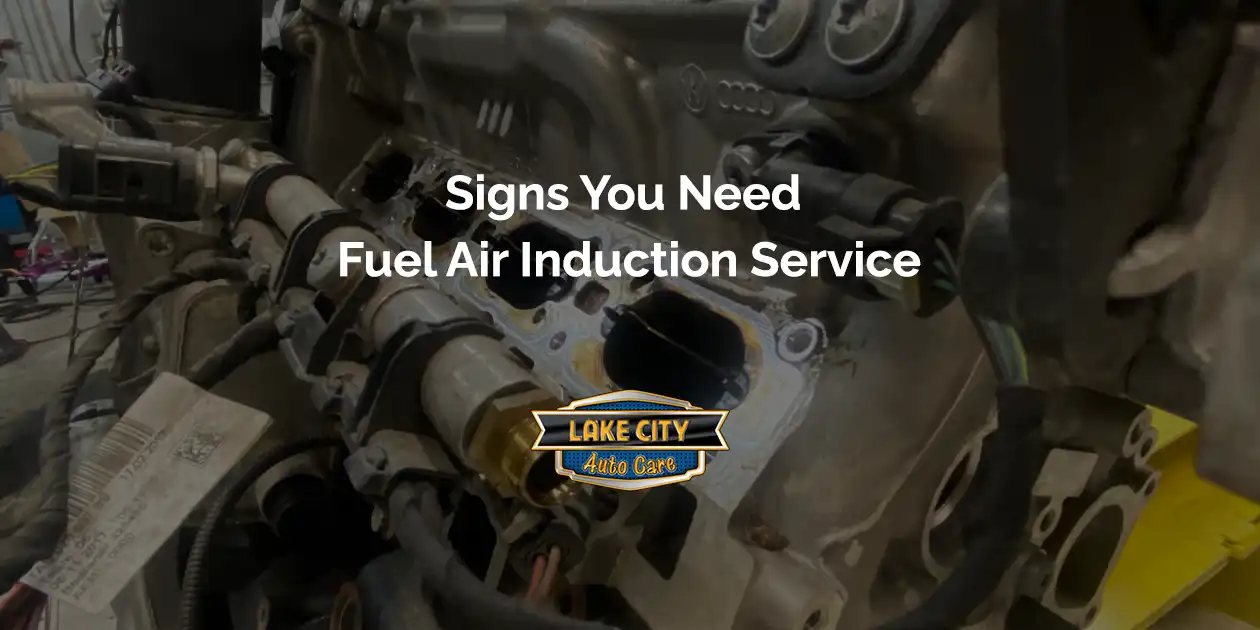
1. Observe Idle Stability and Cold Start Behavior
Carbon buildup on intake valves restricts airflow during cold starts. Follow these steps to check for immediate service needs:
- Start your vehicle in a safe, well-ventilated area after it has sat overnight.
- Monitor the tachometer needle for erratic bouncing or hunting between 500 and 1,000 RPM.
- Listen for rough vibrations or a sputtering exhaust note that disappears once the engine reaches operating temperature.
- Check if the vehicle hesitates or stumbles immediately when pressing the accelerator from a complete stop.
2. Monitor Fuel Economy and Throttle Response
According to automotive engineering data from the EPA, restricted fuel injectors cause an immediate drop in combustion efficiency. Track your miles per gallon over three consecutive tank fill-ups. A sudden decrease of 10 to 15 percent without changes in driving habits strongly indicates heavy varnish accumulation on injector tips. Additionally, pay attention to a spongy or delayed throttle response when merging onto highways, which signals that carbon-choked ports are delaying air delivery.
What If It Still Doesn’t Work?
If a professional fuel induction service fails to restore smooth engine performance, the underlying issue extends beyond surface carbon deposits. Automotive technicians recommend the following fallback steps when basic chemical cleaning falls short:
- Inspect the ignition system, including spark plugs and ignition coils, as misfires frequently mimic the symptoms of dirty fuel injectors.
- Perform a manual walnut shell blasting or mechanical scraping if direct-injection intake valves have severe, hardened carbon crusting that chemical sprays cannot dissolve.
- Test fuel pump pressure and replace a failing fuel filter to ensure proper rail pressure is maintained under load.
- Scan for pending diagnostic trouble codes that point to faulty oxygen sensors or a malfunctioning mass air flow (MAF) sensor.
- Seek professional help from an ASE-certified technician for advanced diagnostic testing if performance issues persist. Professional diagnostic fees typically range from $100 to $250, while mechanical valve cleanings average between $300 and $700 depending on engine configuration.
Conclusion
Maintaining a clean fuel system protects your engine from costly component replacements and restores lost efficiency. Adhering to the recommended 30,000 to 45,000-mile service interval keeps direct-injection engines running at peak performance through 2026 and beyond. According to verified research and expert sources from the Automotive Maintenance and Repair Association, proactive induction services prevent up to 20% of premature intake valve failures. Take action today by checking your vehicle’s mileage log and scheduling an inspection with a certified service center if you are due for maintenance.

❓ Frequently Asked Questions
How often should you do a fuel induction service on a GDI engine?
Gasoline Direct Injection engines accumulate carbon much faster because fuel bypasses the intake valves. For these engines, scheduling a service every 25,000 to 30,000 miles is ideal to prevent heavy buildup.
What happens if I skip a fuel induction service?
Skipping this service allows thick carbon deposits to accumulate on your intake valves and throttle body. Over time, this leads to chronic engine misfires, a rough idle, reduced fuel efficiency, and potential check engine lights.
Does driving habits affect how often I need this service?
Yes, frequent short trips where the engine never fully reaches operating temperature cause fuel to burn less efficiently, accelerating carbon deposits and requiring more frequent services.
Will premium gasoline eliminate the need for an induction service?
While premium top-tier gasoline contains detergents that keep fuel injectors cleaner, it does not touch the intake valves on GDI engines. Therefore, physical induction cleaning remains necessary regardless of fuel grade.
How long does a professional fuel induction service take?
A standard professional fuel induction service typically takes between one to two hours at a certified repair shop or dealership, depending on the complexity of the intake manifold design.
Can I use a DIY spray cleaner instead of a professional service?
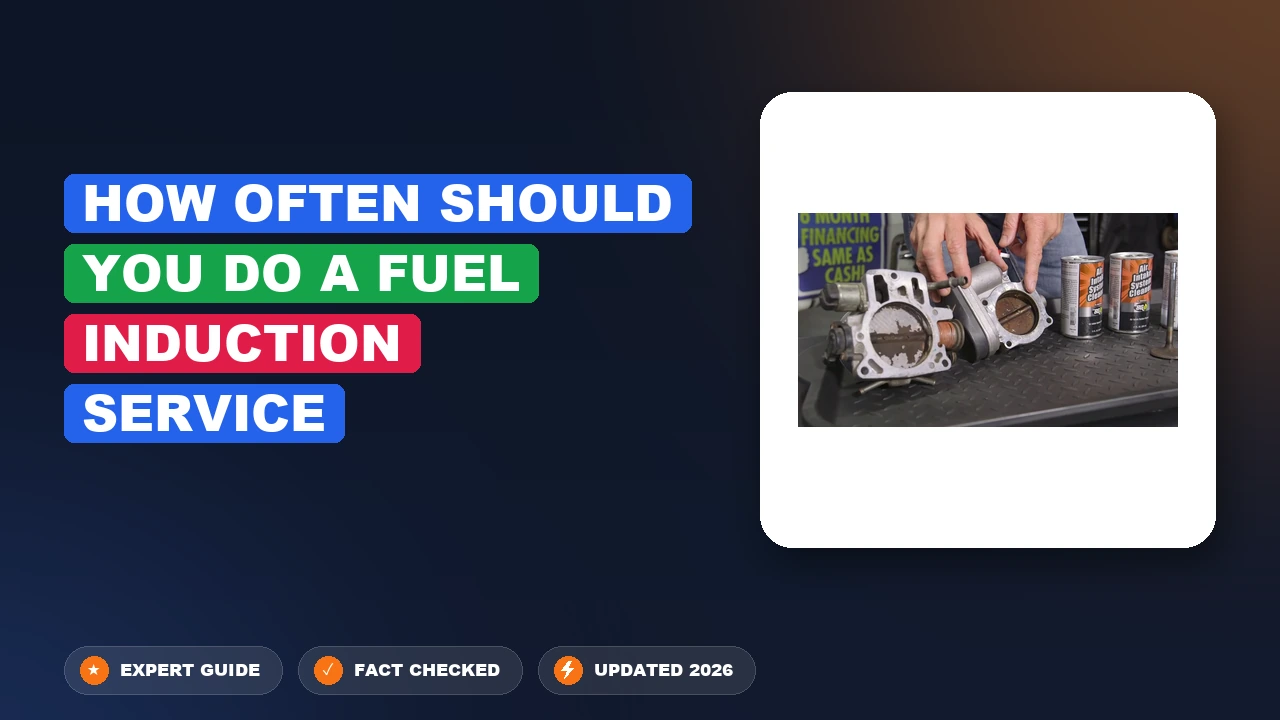
Aerosol DIY throttle body cleaners can clean the visible throttle plate, but they lack the pressurized equipment and specialized chemical formulas required to effectively dissolve heavy carbon packed onto intake valves.