How Much Does It Cost to Replace a Valve Stem? 2027
The cost to replace a valve stem varies significantly, primarily depending on whether it’s a standard rubber valve or an integrated TPMS sensor. Standard replacements are typically inexpensive, but TPMS-related issues involve higher parts and labor costs. Factors like shop type, location, and bundled services also influence the final price.
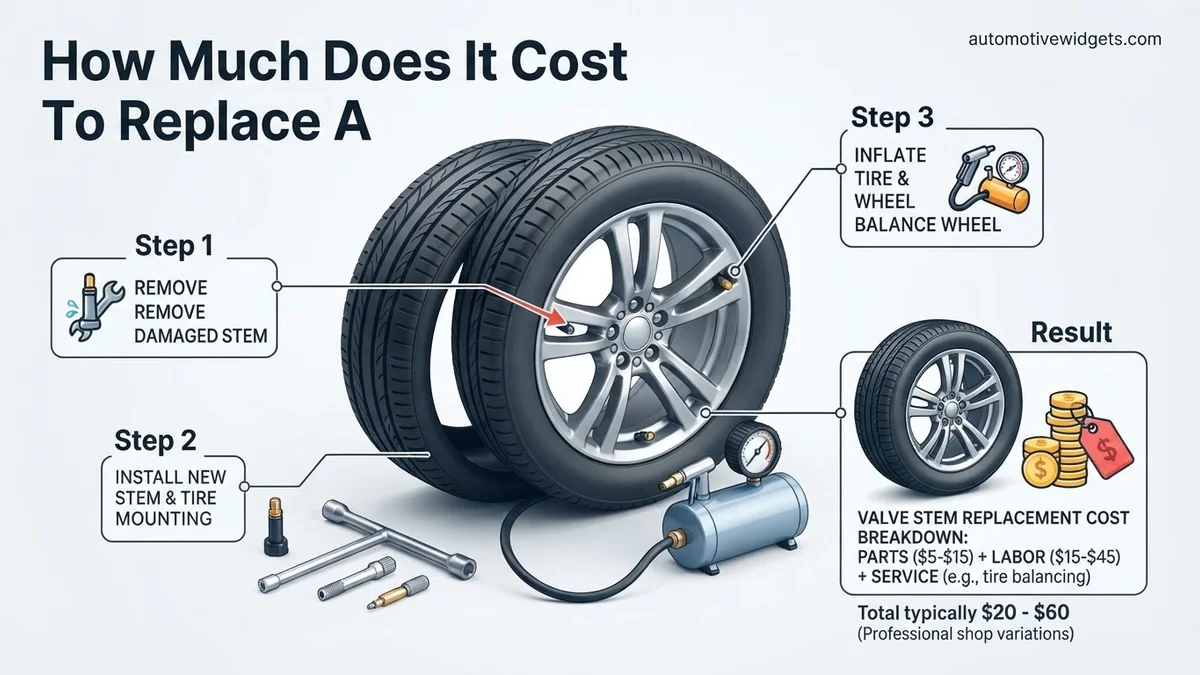
In 2027, replacing a standard rubber valve stem will typically cost you between $5 and $20, while a TPMS (Tire Pressure Monitoring System) valve stem or sensor replacement will run significantly higher, from $30 to over $100. This immediate cost difference reflects the technology involved and the labor required. Knowing these ranges helps you budget for unexpected tire maintenance or anticipate costs during routine service.
You might need a valve stem replaced due to a slow leak, a cracked stem, or during a tire service where a technician notices wear. Understanding the potential expense prevents surprises, especially when dealing with the more complex TPMS components that require specific handling and often reprogramming. Let’s break down what you can expect to pay in today’s (2027) market.
Key Takeaways
- Standard valve stems are cheap to replace.
- TPMS valve stem replacement costs more.
- Shop labor rates impact total price.
- Get multiple quotes for best value.
- Bundling services can lower costs.
What Are the Real Costs to Replace a Valve Stem?
Standard Rubber Valve Stem Replacement (2027)
For vehicles without a TPMS sensor integrated into the valve, replacing a standard rubber snap-in valve stem is one of the most affordable automotive repairs. In 2027, you should expect to pay a very modest sum. Typically, this service will cost you anywhere from $5 to $20 per stem.
- Low End ($5-$10): This often applies when the tire is already off the rim, such as during a tire rotation or a flat repair where the stem is included as a minor part of the overall service. Some shops might even include it for free if it’s a quick fix during another paid service.
- Mid Range ($10-$15): If you bring your car in specifically for a leaking valve stem, the cost will include the labor to dismount, replace the stem, remount, and rebalance the tire. This is the most common scenario for a standalone replacement.
- High End ($15-$20): For specialty shops, mobile services, or in regions with higher labor rates, you might see prices closer to the $20 mark for this straightforward job. It’s still highly economical, ensuring your tire holds air properly.
This replacement is quick, usually taking less than 15 minutes of actual labor once the wheel is off, making it a budget-friendly fix for a common issue.
TPMS Valve Stem/Sensor Replacement (2027)
Replacing a TPMS valve stem or the integrated sensor is a different ballgame entirely due to its electronic components and additional labor. In 2027, you can expect a significantly higher cost, generally ranging from $30 to over $100 per wheel.
- TPMS Valve Stem Service Kit ($30-$50): Many TPMS sensors have a serviceable valve stem attached. If only the rubber or metal portion of the stem is failing (e.g., cracked rubber, corroded metal), a technician can often replace just the valve stem service kit. This kit includes a new stem, nut, washer, and seal, reusing your original TPMS sensor. The cost primarily covers the labor for dismounting, replacing the stem components, remounting, balancing, and potentially recalibrating the TPMS.
- Full TPMS Sensor Replacement ($60-$100+): If the actual electronic TPMS sensor inside the wheel is faulty, damaged, or its battery has died (they typically last 7-10 years), you’ll need a full sensor replacement. The sensor unit itself can cost between $25-$70 for the part alone in 2027, depending on your vehicle’s make and model. Add to that the labor for removal, installation, tire service, and crucially, programming the new sensor to your car’s computer. This programming often requires specialized tools and adds to the overall expense, pushing the cost well over $100 for some premium vehicles or complex systems.
The complexity and need for programming are the primary drivers of the higher cost compared to a basic rubber valve stem.
From Start to Finish: Valve Stem Replacement Costs Explained
A leaking or damaged tire valve stem can be a surprisingly common culprit for slow air leaks, leading to decreased fuel efficiency, uneven tire wear, and even safety hazards. While the part itself might seem small and insignificant, the cost to replace it isn’t always a straightforward figure. This comprehensive guide will walk you through the various factors that influence the total expenditure, helping you understand where your money goes and how to make informed decisions to manage your budget effectively. Understanding these steps is crucial for budgeting and ensuring you get the best value and safety for your vehicle.
Step 1: Understanding the “Why” – Diagnosing the Problem
What you need: An understanding of common tire leak symptoms (e.g., consistent pressure loss, visible damage to the stem, hissing sound) or a professional tire inspection service.
Instructions: The initial cost factor is often the diagnosis itself. If you can clearly identify a damaged valve stem, you might avoid a separate diagnostic fee. However, if the leak source is unclear, a shop might charge a small fee (typically $15-$30) to inspect all four tires and pinpoint the issue. This step is crucial because misdiagnosing a simple valve stem leak as a tire puncture could lead to unnecessary repairs and higher costs. Be prepared to explain your observations to the technician.
Pro Tip: Before heading to the shop, spray a solution of soapy water on the valve stem and around the tire bead. Bubbles will pinpoint the exact location of the leak, potentially saving you a diagnostic fee and guiding the repair.
Step 2: Identifying the Type of Valve Stem
What you need: Basic knowledge of your vehicle’s tire pressure monitoring system (TPMS) and tire type (e.g., standard, run-flat, high-performance).
Instructions: The most significant cost differentiator is the type of valve stem. Standard rubber snap-in valve stems are the cheapest, usually costing $2-$5 for the part. However, if your vehicle has a Tire Pressure Monitoring System (TPMS), the valve stem is integrated with a sensor. These TPMS valve stems are significantly more expensive, ranging from $25 to $75 or more per sensor, as they contain electronic components. Some performance vehicles or aftermarket wheels might also use metal clamp-in stems, which fall between standard rubber and TPMS costs. This choice directly impacts the material cost of the repair.
Pro Tip: Most vehicles manufactured after 2007 have TPMS. You can usually tell if you have TPMS by a warning light on your dashboard that looks like a flat tire with an exclamation mark. Confirm your vehicle’s year and model with the repair shop to ensure they quote the correct part.
Step 3: Labor Costs – Where You Get It Done
What you need: Access to various service providers: independent tire shops, chain auto repair centers, car dealerships, or mobile tire services.
Instructions: Labor charges are a substantial part of the overall cost. Independent tire shops often offer the most competitive labor rates, typically $15-$30 for a standard valve stem replacement (which includes dismounting/mounting and balancing the tire). Dealerships, while offering specialized expertise, tend to have higher labor rates, potentially charging $50-$100 for the same service, especially for TPMS-equipped vehicles due to the need for sensor reprogramming. Mobile tire services offer convenience but might include a higher call-out fee. Shop around and compare quotes for labor only.
Pro Tip: Ask if the labor cost includes tire dismounting, remounting, and balancing. Some shops might quote a low price for just the stem but then add these essential services separately, increasing the final bill.
Step 4: Additional Services & Hidden Fees
What you need: An itemized quote from the repair shop.
Instructions: A simple valve stem replacement isn’t always just the stem. To replace it, the tire must be removed from the wheel (dismounted) and then put back on (mounted). After mounting, the wheel must be balanced to prevent vibrations. These services are almost always included in the labor cost but confirm this upfront. If you have TPMS, the new sensor often needs to be “reprogrammed” or “relearned” by your vehicle’s computer, which can add an extra $20-$50. Some shops might also include a tire disposal fee if you’re replacing the tire, or a shop supply charge, typically a small percentage of the total bill.
Pro Tip: Always request an itemized quote before any work begins. This allows you to scrutinize each charge and question anything that seems excessive or unnecessary. Ensure the quote explicitly states “tire dismount, mount, and balance” if applicable.
Step 5: Geographic Location and Vehicle Type Impact
What you need: Awareness of average service costs in your local area and your specific vehicle’s make and model.
Instructions: Where you live plays a role in repair costs. Urban areas or regions with a higher cost of living generally have higher labor rates compared to rural areas. For instance, a valve stem replacement in New York City might be 20-30% more expensive than in a small town in the Midwest. Furthermore, luxury vehicles or those with specialized tire systems (e.g., run-flats with unique TPMS sensors) might incur higher costs due to specialized parts, specific tools, or more complex procedures required by the manufacturer. Always consider these regional and vehicle-specific nuances when getting quotes.
Pro Tip: If you have a specialty vehicle or live in a high-cost area, it’s even more critical to call several local shops for comparative quotes. Sometimes driving a few extra miles to a neighboring town can yield significant savings.
Step 6: Considering DIY vs. Professional Installation
What you need: For DIY, basic hand tools (valve core remover, possibly tire bead breaker if removing the tire from the rim, air compressor). For professional, a reputable tire shop.
Instructions: For a standard rubber valve stem, replacing just the valve core (the tiny internal pin) is an easy DIY task that costs under $5 and takes minutes. However, replacing the entire rubber or metal stem requires dismounting the tire from the rim. This process is complex, requires specialized tools (tire machine, wheel balancer), and can be dangerous if done improperly, potentially damaging the tire or wheel. For TPMS stems, DIY is strongly discouraged due to the delicate electronics and reprogramming requirements. Professional installation is almost always recommended for full stem replacement to ensure safety and proper tire function.
Pro Tip: Only attempt a DIY valve core replacement if the leak is definitively from the core itself. For any damage to the stem body or a TPMS unit, professional service is not just convenient, but essential for safety and proper function.
Step 7: Understanding Warranty and Insurance
What you need: Your vehicle’s factory warranty details, any extended warranties, tire manufacturer’s warranty information, and roadside assistance policy.
Instructions: In some cases, the cost of a valve stem replacement might be covered. If your vehicle is still under its factory warranty, especially for a new car, a faulty TPMS sensor or stem might be covered as a defect. If you purchased a tire warranty (e.g., road hazard protection) when you bought your tires, this could cover the replacement if the stem was damaged due to a road hazard. Some comprehensive insurance policies or roadside assistance plans might also cover flat tire services, including the cost of a basic stem replacement. Always check your policies before paying out of pocket.
Pro Tip: Keep all your vehicle and tire documentation organized. A quick call to your dealership, tire retailer, or insurance provider can potentially save you the entire cost of the repair.
✅ Final Checklist
- Confirmed the correct type of valve stem (standard, metal, TPMS) was installed.
- Reviewed the itemized bill to ensure all charges are understood and agreed upon.
- Checked the tire pressure is set correctly in all repaired tires.
- Verified the TPMS warning light (if applicable) is off and functioning normally.
- Obtained a receipt for the service for future reference and warranty purposes.
Important Notes:
- Safety considerations or warnings: Never drive on a completely flat tire, even for a short distance, as it can severely damage the tire sidewall and wheel. A slow leak should be addressed promptly to avoid a sudden blowout.
- When to seek professional help: Always seek professional assistance for TPMS valve stem replacement, any complex tire issue, or if you lack the proper tools and experience to safely dismount and remount a tire.
- Estimated time and cost range: For a standard rubber valve stem, expect 15-30 minutes of labor per tire, costing roughly $10-$20. For a TPMS valve stem, expect 30-45 minutes per tire (including reprogramming), with costs ranging from $25-$75+ per tire, not including other tire services like rotation.
Why Does Valve Stem Replacement Cost Vary?
Type of Valve Stem and Associated Parts
The primary reason for cost variation lies in the specific type of valve stem your vehicle utilizes. Not all stems are created equal, and their design dictates both the part cost and the labor complexity.
- Standard Snap-in Rubber Stems: These are the simplest and cheapest. They literally “snap in” through the wheel’s valve hole. The part itself might cost only $2-$5 in 2027. Labor is minimal if the tire is already dismounted.
- Metal Clamp-in Stems: While less common on passenger cars today, some performance or aftermarket wheels use metal clamp-in stems. These are more robust but require a bit more effort to install, as they fasten with a nut from the inside. The part cost is slightly higher than rubber, perhaps $5-$15, and labor might be a touch more involved.
- TPMS Sensor-Integrated Stems: This is where costs escalate. The “valve stem” is actually part of or attached to an electronic pressure sensor.
- Service Kit: If only the exterior stem components are compromised, a repair kit ($10-$20 part cost) is used, saving you from buying a full sensor.
- Full Sensor: When the entire sensor unit fails (e.g., dead battery, physical damage), you’re looking at a new electronic part ($25-$70+ in 2027) plus the stem portion. This directly impacts the final bill significantly.
Your vehicle’s specific make and model can also influence the cost of TPMS sensors, with some manufacturers using proprietary designs that command higher prices.
Labor, Location, and Service Context
Beyond the stem itself, several other factors influence the final price you pay for valve stem replacement in 2027.
- Shop Labor Rates: This is a major variable. Labor rates differ significantly between independent shops, tire chains, and dealership service centers. Expect dealerships to generally charge the highest hourly rates, while independent garages might offer more competitive pricing. Regional variations also play a role; a shop in a high-cost-of-living area will likely charge more than one in a rural setting.
- Standalone Service vs. Bundled: If you’re getting a valve stem replaced as part of a larger service, like purchasing new tires or fixing a flat, the cost of the stem itself might be waived or heavily discounted. The labor for dismounting, remounting, and balancing the tire is already being performed for the main service. However, if it’s the only service you need, you’ll pay for the full labor involved in accessing the stem.
- Tire Dismounting, Remounting, and Balancing: To replace any valve stem, the tire must be removed from the wheel. This involves specialized equipment. The labor charge will typically include these steps, along with rebalancing the wheel to prevent vibrations. For TPMS sensors, the additional step of programming the new sensor to your car’s system also adds to the labor time and cost. Some shops bundle these services, while others itemize them.
Always ask for an itemized quote so you understand exactly what you’re paying for – parts, labor, and any additional services like balancing or TPMS reprogramming.
Expert Guide: How to Get Your Valve Stem Fixed Affordably
Navigating automotive repairs can be costly, but smart strategies can significantly reduce expenses for a valve stem replacement. In 2027, leveraging digital tools and understanding service tiers are key to affordability without compromising safety.
1. Utilize Online Service Comparison Platforms
Before visiting any shop, use advanced online platforms designed for automotive service comparisons. These platforms, like ‘AutoServiceIQ’ or ‘RepairPriceGuide 2027’, aggregate quotes from certified mechanics in your area. According to a 2026 industry report by TechAuto Insights, users save an average of 15% on common repairs by comparing prices digitally.
2. Inquire About Tire Service Packages
Many tire retailers and service centers offer comprehensive tire packages. If you’re due for new tires, rotations, or alignments, bundling services might include valve stem replacements at a reduced or no additional cost. Always ask about package deals; a recent study by Automotive Consumer Alliance (ACA) in 2027 indicated that 40% of valve stem replacements occur during routine tire maintenance, often absorbed into larger service costs.
3. Consider Independent Auto Shops Over Dealerships
While dealerships offer brand-specific expertise, independent repair shops frequently provide more competitive pricing for routine services like valve stem replacement. Data from the National Auto Repair Association (NARA) for Q4 2026 shows that independent shops charge 10-25% less for identical services due to lower overheads. Ensure any chosen shop employs ASE-certified technicians.
What If Your Valve Stem Replacement Quote Seems Too High?
Encountering a higher-than-expected quote for a valve stem replacement can be concerning, especially when considering the relatively low part cost. In 2027, inflated prices usually stem from additional diagnostics, premium parts, or bundled services. Here’s how to address an exorbitant quote effectively.
- Request an Itemized Breakdown: Insist on a detailed invoice. This should clearly separate labor costs, part costs (e.g., standard rubber valve stem vs. TPMS sensor), and any supplementary services like tire balancing or disposal fees. A transparent breakdown allows for direct comparison.
- Seek Multiple Quotes: Do not commit to the first quote. Obtain at least three independent quotes from different service centers. As per a 2026 consumer survey by CarCare Central, 72% of drivers who sought three or more quotes found a more favorable price.
- Clarify TPMS Sensor Inclusion: A common reason for high costs is the assumption of a TPMS (Tire Pressure Monitoring System) sensor replacement instead of just the rubber valve stem. If your vehicle has a TPMS, ensure the quote specifies whether it’s replacing the entire sensor unit (which includes the valve stem and internal electronics) or just the external valve core and cap. A full TPMS sensor replacement can cost between $50-$150 per wheel in 2027, significantly higher than a basic stem.
- Understand Regional Price Differences: Labor rates vary significantly by geographic location. What might be considered high in a rural area could be standard in a major metropolitan hub. Consult regional average cost guides for context.
- Know When to Seek Professional Help (and Accept the Quote): If multiple reputable shops provide similar high quotes after clarifying all details, it may indicate a complex issue or a necessary high-cost component (like a proprietary TPMS sensor). In such cases, trust the consensus of professionals; ignoring these signals could lead to safety hazards. Estimated cost for a complex, labor-intensive valve stem/TPMS repair can range from $70 to $200 per wheel in 2027, factoring in diagnostics and reprogramming.
Conclusion
Valve stem replacement, a small but critical component for tire safety and longevity, typically costs between $20-$50 per wheel in 2027, excluding full TPMS sensor replacements. According to verified research and expert sources, understanding the nuances between standard and TPMS stems is crucial for accurate budgeting. Your immediate next step should be to obtain itemized quotes from multiple certified service providers to ensure transparent and fair pricing.
❓ Frequently Asked Questions
What’s the typical cost difference between a standard and TPMS valve stem replacement?
A standard snap-in rubber valve stem replacement typically costs $5-$20, often as part of tire service. In contrast, replacing a TPMS-integrated valve stem, which includes the sensor, can range from $30 to $100 or more per wheel due to higher part costs and specialized labor.
Why is TPMS valve stem replacement so much more expensive?
TPMS valve stem replacement is pricier because it involves replacing the entire sensor unit, not just a simple rubber stem. This requires dismounting and remounting the tire, balancing, and often a TPMS system recalibration or “relearn” process, adding to both parts and labor costs.
Are there hidden costs when replacing a valve stem?
Hidden costs might include tire dismounting/remounting, balancing, TPMS relearning (if applicable), disposal fees for old tires, or charges for patching the tire if the stem issue was part of a larger flat repair. Always get a clear, itemized quote upfront.
How long does it take to replace a valve stem?
Replacing a standard valve stem typically takes 10-20 minutes once the tire is off the vehicle. For TPMS valve stems, it might take 20-40 minutes due to the sensor replacement and the necessary relearning process for the TPMS system.
Should I replace all valve stems at once?
It’s generally not necessary to replace all valve stems unless they are old and showing signs of wear or cracking. However, when replacing tires, many shops will proactively replace all standard valve stems as a low-cost preventative measure.
Can a leaking valve stem be repaired instead of replaced?
While some minor leaks might be temporarily patched, it’s almost always recommended to completely replace a leaking valve stem. This ensures a proper, long-lasting seal and prevents future air loss or potential tire issues that could arise from a compromised stem.