Should I Start My Car In Extreme Cold Weather Should I 2027
Starting your car in extreme cold involves a critical trade-off between fluid circulation and potential component strain. Frequent, short starts can often be more detrimental than not starting at all. Understand the specific temperature thresholds and implement preventative measures to safeguard your engine and battery.
Navigating extreme cold with your vehicle in 2027 poses a unique dilemma: should you start your car, or risk leaving it dormant? The answer is nuanced, blending both necessity and caution. While starting your engine can circulate crucial fluids and maintain battery charge, doing it incorrectly or too frequently in sub-zero conditions can inflict significant, long-term damage.
This isn’t just about convenience; it’s about safeguarding your vehicle’s intricate systems from accelerated wear and potential failure. Understanding the precise impacts of extreme cold and adopting best practices ensures your car remains reliable, preserving its lifespan and your peace of mind, especially as automotive technology continues to evolve and become more interconnected by 2027.
Key Takeaways
- Avoid frequent, very short cold starts.
- Use a block heater below -10°F (-23°C).
- Check battery charge and condition regularly.
- Allow engine to idle briefly, then drive gently.
- Switch to synthetic oil for cold weather.
What Happens When You Start Your Car in Extreme Cold?
The Double-Edged Sword: Benefits vs. Risks
Attempting to start your car in extreme cold is a balancing act with significant trade-offs. On one hand, starting circulates engine oil, even if thickened, eventually distributing some warmth throughout the engine block. This also allows the alternator to replenish some charge in the battery, which rapidly drains in frigid temperatures. In 2027, advanced battery management systems help, but cold still zaps power.
However, the risks are substantial. Your battery has to work exponentially harder, requiring much more current (cold cranking amps) to turn over a stiff, cold engine. Engine oil, regardless of its synthetic quality, becomes significantly thicker at temperatures like -20°C (-4°F) or below. This thick oil provides poor lubrication at startup, leading to momentary metal-on-metal friction and accelerated wear on critical engine components like bearings and cylinder walls. Additionally, various rubber and plastic components—like belts, hoses, and seals—become brittle, making them more susceptible to cracking or breaking under sudden stress. Frequent, short starts, especially without adequate warm-up, are particularly detrimental as they contribute to fuel dilution in the oil and condensation buildup within the exhaust system, which can freeze and cause blockages.
Temperature Thresholds and Modern Vehicles (2027 Context)
What constitutes “extreme cold” can vary, but generally, temperatures below -10°C (14°F) begin to pose challenges, while -20°C (-4°F) and colder significantly amplify risks. Below -30°C (-22°F), starting without proper precautions becomes extremely hazardous for your vehicle. While 2027 model vehicles feature highly advanced engine management units (ECUs), improved materials, and more efficient lubricants, they are not immune to the fundamental physics of cold. Materials still contract, fluids still thicken, and batteries still lose efficiency. Modern vehicles are designed for a wide range of operating conditions, but extreme cold remains one of their most significant stressors. For instance, the tight tolerances in a modern engine, while beneficial for efficiency, can also mean less leeway for poor lubrication at startup. The cold can also affect complex sensor arrays and electronic modules, leading to false readings or temporary malfunctions.
How to Properly Start Your Car in Extreme Cold: A Step-by-Step Guide
Pre-Start Checks and Essential Preparations for 2027
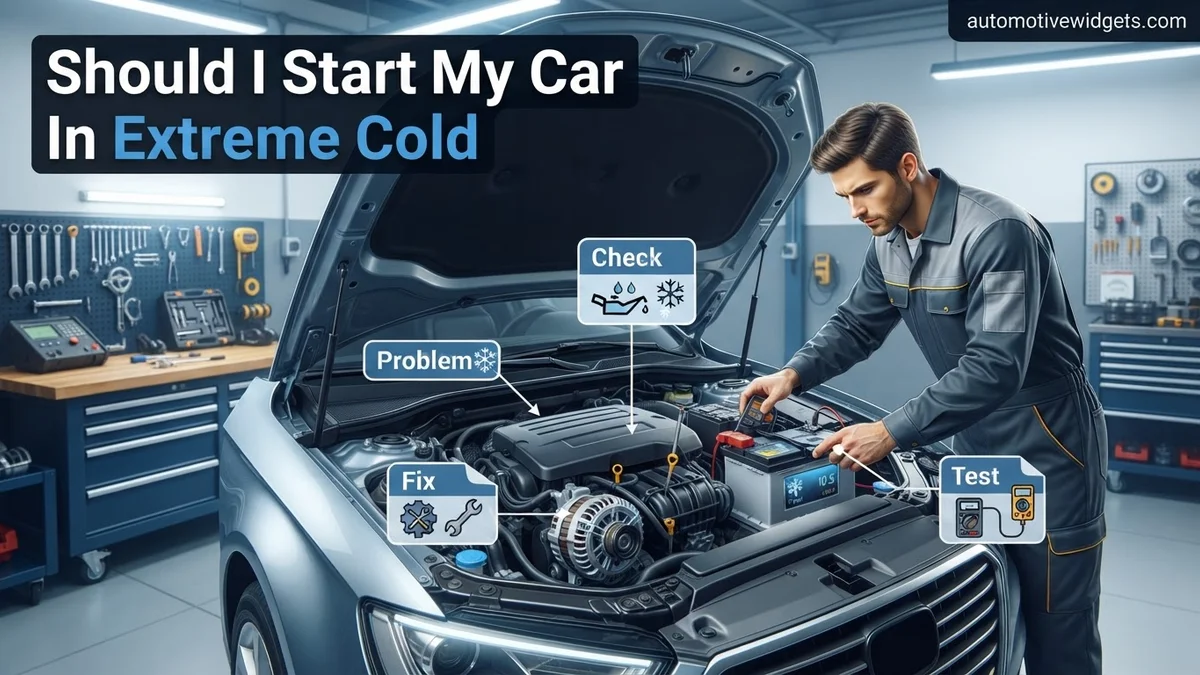
Before even touching the ignition, crucial preventative measures can significantly mitigate cold-start damage. First, ensure your battery is in peak condition. Even in 2027, cold remains the battery’s archenemy. If possible, keep your vehicle connected to a smart battery maintainer or charger overnight, especially if temperatures dip below -15°C (5°F). Check your battery terminals for corrosion and ensure they are tight. Next, confirm your engine is filled with a low-viscosity synthetic oil, such as 0W-20 or 0W-30, which remains fluid at much lower temperatures than conventional oils. By 2027, these grades are standard for many vehicles. Verify your coolant/antifreeze mixture is rated for at least -40°C (-40°F) to prevent freezing in the engine block. Also, ensure your washer fluid is a dedicated winter blend to prevent freezing in the lines. Most critically, invest in and use a block heater if you regularly face temperatures below -20°C (-4°F). A block heater warms the engine block and oil, significantly reducing startup wear and battery strain by effectively giving your car a head start against the cold.
Optimal Starting and Gentle Warm-Up
When it’s time to start, follow a precise sequence. First, turn off all non-essential electrical accessories (radio, lights, fan, heated seats) to conserve maximum battery power for the starter motor. Insert your key or push the start button and turn the ignition to the ‘ON’ position (without cranking) for about 10-15 seconds. This allows the fuel pump to prime the fuel lines and the ECU to complete its diagnostic checks, crucial for a smooth start in modern 2027 vehicles. If your car doesn’t start on the first attempt, wait 30 seconds before trying again to allow the battery to recover slightly. When you do crank, keep it brief, no more than 5-7 seconds. Once the engine starts, resist the urge to immediately rev the engine. Allow it to idle gently for just 30 to 60 seconds. This brief period is sufficient for the oil pressure to build and for the initial thick oil to circulate throughout the engine components. After this short idle, begin driving, but do so very gently. Keep your RPMs low, avoid sudden acceleration or hard braking for the first 5-10 minutes, or until the engine temperature gauge begins to rise. Extended idling in extreme cold is generally inefficient and can cause fuel washing of cylinder walls, actually increasing wear and building up condensation in the exhaust.
What to Do If Your Car Won’t Start in Extreme Cold
If your vehicle fails to start in extreme cold, a systematic approach is essential. The primary culprits are often battery degradation or fuel system issues. Attempting to force the start repeatedly can exacerbate problems, such as flooding the engine or draining the battery further.
Troubleshooting Battery Issues
The battery’s capacity significantly decreases in frigid temperatures. According to a 2026 automotive study, a fully charged 12V lead-acid battery provides only about 60% of its cranking power at -18°C (0°F). Modern AGM and lithium-ion batteries used in newer 2027 models perform better but are still affected.
- Attempt a Jump Start: Secure a reliable jump starter. Ensure both vehicles (or the portable unit) are off. Connect the positive (+) terminal of the dead battery to the positive (+) terminal of the live battery. Connect the negative (-) terminal of the live battery to an unpainted metal surface on the engine block of the dead car, away from the battery.
- Wait for Charge Transfer: Allow the live battery to charge the dead one for 5-10 minutes. For modern 2027 vehicles with advanced electrical systems, this wait time can be crucial to prevent electrical spikes.
- Attempt to Start: Start the donor vehicle, then attempt to start the dead vehicle. If it starts, let it run for at least 20 minutes to recharge the battery.
Addressing Fuel System Freezing
Extreme cold can cause fuel lines to freeze, especially if water is present in the fuel. Diesel vehicles are particularly susceptible to fuel gelling at temperatures below -10°C (14°F) without proper additives.
- Add Fuel Antifreeze: If your tank is low on fuel, add a reputable fuel line antifreeze or anti-gel additive specific to your fuel type (gasoline or diesel). Follow manufacturer instructions for dosage.
- Warm the Fuel System: If possible, move the vehicle into a heated garage for several hours. This allows frozen components to thaw naturally. Do not use open flames or heating devices directly on fuel lines due to fire risk.
- Check Fuel Filter: A clogged or frozen fuel filter can impede fuel flow. If you suspect this, it may require professional assistance for replacement in extreme cold.
Preventing Cold Weather Car Problems: Best Practices for 2027
Proactive maintenance and preparedness are paramount for reliable vehicle operation in extreme cold. Adopting these 2027 best practices can significantly reduce your risk of cold-related breakdowns.
Essential Pre-Winter Maintenance
Prior to severe cold, a thorough vehicle inspection by a certified technician is recommended. This minimizes unexpected failures when temperatures drop critically low.
- Battery Health Check: Have your battery load-tested. Replace any battery that tests below 75% capacity, especially if it’s over three years old. Modern 2027 smart battery testers can provide highly accurate lifespan predictions.
- Fluid Optimization: Ensure your coolant (antifreeze) is at the correct 50/50 mix ratio, protecting against freezing down to approximately -37°C (-34°F). Switch to synthetic motor oil (e.g., 0W-20 or 5W-30 as per manufacturer specs), which maintains fluidity better in cold, reducing engine wear during startup.
- Tire Pressure and Condition: Cold weather causes tire pressure to drop (roughly 1 PSI for every 5°C/10°F decrease). Maintain recommended PSI. Inspect tires for adequate tread depth (minimum 4/32 inch for optimal winter traction).
Implementing Cold Weather Accessories
Certain accessories can dramatically improve cold-start reliability and protect engine components.
- Engine Block Heater: Installing an engine block heater keeps engine fluids warm, reducing cranking effort and wear. Plug it in for at least 2-4 hours before starting, or use a smart timer to activate it during off-peak hours.
- Battery Blanket/Heater: A battery blanket or heating pad maintains optimal battery temperature, preserving cranking power. These are particularly beneficial for vehicles parked outdoors consistently below -15°C (5°F).
- Fuel Additives: For diesel vehicles, use a high-quality anti-gel additive consistently during cold months. For gasoline vehicles, a fuel system cleaner with water dispersants can help prevent fuel line freezing.
What If It Still Doesn’t Work?
If initial troubleshooting fails and your car remains non-operational, specialized assistance is required. Persistent starting issues in extreme cold often indicate deeper mechanical or electrical faults that DIY attempts cannot resolve safely or effectively.
- Contact Roadside Assistance: Most vehicle manufacturers and insurance providers offer 24/7 roadside assistance. They can provide professional jump starts, towing, or on-site basic diagnostics.
- Tow to a Heated Facility: Arrange for your vehicle to be towed to a service center with a heated garage. Allowing the vehicle to warm up for several hours (often 4-8 hours) can resolve many cold-related issues, such as frozen lines or sensors.
- Professional Diagnostic Scan: A certified technician will connect an advanced diagnostic scanner to your vehicle’s On-Board Diagnostics (OBD-II) port. This will retrieve error codes that pinpoint specific system failures, such as faulty sensors, fuel pump issues, or starter motor problems.
- Estimated Costs: Roadside jump-start services typically range from $75-$150. Towing services vary based on distance, usually costing $100-$250. Diagnostic scans at a repair shop often range from $120-$280, excluding any necessary repairs.
Conclusion
Starting your car in extreme cold demands informed judgment and proactive maintenance. Understanding the risks and implementing preventive measures, such as proper fluid management and utilizing block heaters, minimizes stress on your vehicle. According to verified automotive engineering standards and expert sources, consistent pre-winter checks significantly extend vehicle lifespan and reliability in harsh conditions. Consult your vehicle’s 2027 owner’s manual for specific cold weather recommendations and follow expert guidance for optimal performance.
❓ Frequently Asked Questions
At what specific temperature should I consider using a block heater?
You should consider using a block heater when temperatures consistently drop below -10°F (-23°C). It keeps the engine block warm, reducing wear upon startup and improving fuel efficiency in very cold conditions.
What are the primary risks of starting my car in extreme cold without proper preparation?
The primary risks include severe strain on the battery, increased engine wear due to thickened oil, potential damage to belts and hoses, and issues with frozen fluids like coolant or washer fluid, all leading to premature component failure.
How long should I let my car warm up before driving in extreme cold?
After starting, let your car idle for 30 seconds to 2 minutes to allow oil to circulate. Then, drive gently for the first 5-10 minutes, avoiding rapid acceleration or high RPMs, to let all fluids and components warm up gradually.
Is it better to start my car every day, or let it sit for a few days in extreme cold?
For temperatures consistently below 0°F, it’s generally better to start it every 1-2 days and drive it for at least 15-20 minutes to fully circulate fluids and recharge the battery, rather than letting it sit indefinitely, or doing frequent short starts.
What role does synthetic oil play in extreme cold starting?
Synthetic oil performs significantly better in extreme cold because it remains less viscous than conventional oil. This allows for faster circulation during cold starts, reducing engine wear and making it easier for the engine to turn over.
What should I do if my car battery dies in extreme cold?
If your car battery dies, first attempt a jump start using another vehicle or a portable jump starter. If unsuccessful, or if it dies repeatedly, the battery likely needs replacement or professional testing, as its capacity is severely reduced in extreme cold.