Do I Check My Oil Hot Or Cold
It is typically recommended to check your oil when the engine is cold, as this will give you the most accurate reading. Checking your oil when the engine is hot can lead to inaccurate readings, as the heat can cause the oil to expand.
If you’re like most people, you probably don’t think much about your car’s oil. But did you know that checking your oil level is one of the most important things you can do to keep your vehicle running smoothly? Most experts recommend checking your oil level when the engine is cold.
That way, you can get an accurate reading of how much oil is in the engine. If you check your oil when the engine is hot, the oil will expand and give you a false reading. So, next time you need to check your oil level, make sure to do it when the engine is cold for the most accurate results.
Should You Check Oil When the Engine is Hot?
Assuming you are talking about a car with a conventional oil system (not a dry sump), the answer is no, you should not check the oil when the engine is hot. The reason for this is that when the engine is hot, the oil is under pressure and can come out very quickly when you remove the dipstick. This can cause severe burns if you’re not careful.
The best time to check your oil level is when the engine is cold. This will give you an accurate reading of how much oil is in the system.
What Happens If You Check the Oil Hot?
If you check your oil when it is hot, the reading will be inaccurate. The oil will expand when it is hot, and this will cause the dipstick to give a false reading. It is best to wait until the engine has cooled down before checking the oil level.
Is It Okay to Check the Oil Cold?
Yes, it is okay to check your oil when the engine is cold. In fact, it’s the best way to do it. Checking your oil when the engine is hot can give you a false reading.
Should I check my oil when the engine is hot or cold
Why Check Engine Oil When Warm
If you’re like most car owners, you probably check your engine oil level when the engine is cold. But did you know that it’s actually better to check your oil level when the engine is warm? Here’s why:
When the engine is cold, the oil is thicker and doesn’t flow as easily. This can make it difficult to get an accurate reading on the dipstick. Warm oil flows more easily and will give you a more precise reading.
Plus, if there is any water in the oil, it will evaporate at higher temperatures, so checking when the engine is warm will help you spot any potential problems.
When Should You Check the Engine Oil Level??
Assuming you have an oil dipstick in your car: Check your engine oil at least once a month, and more often if you drive frequently or regularly haul heavy loads. Checking your oil is easy and only takes a few minutes.
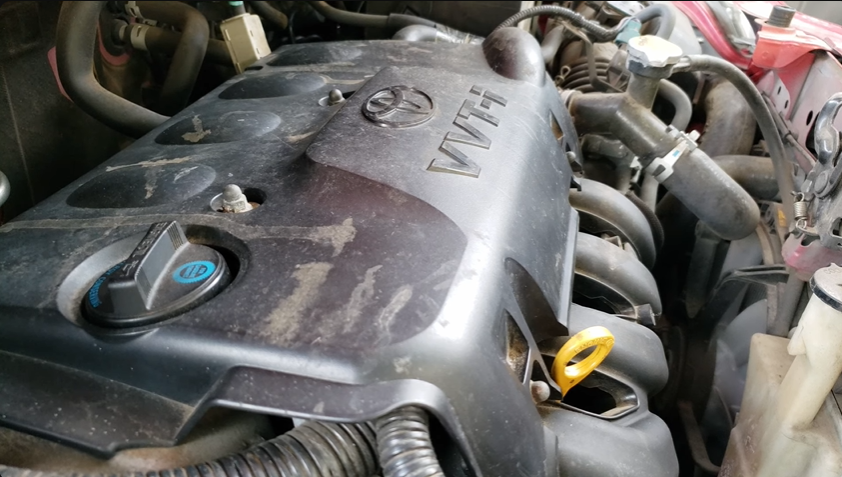
Here’s how: Pull out the dipstick (usually it has a yellow or orange handle) and wipe it off with a clean rag. Reinsert the dipstick all the way back into the tube, then pull it out again to check the level.
The oil should reach somewhere between the “low” and “full” marks on the dipstick if it doesn’t have enough oil to bring it up to those levels.
Do You Check the Oil in your car on Ororff?
If you’re wondering whether to check your car’s oil level with the engine on or off, there is no definitive answer. However, checking the oil while the engine is cold will give you the most accurate reading. If you check it when the engine is hot, the oil may appear higher than it actually is due to expansion.
Check Oil Hot Or Cold Reddit
One of the most common questions we get here at the auto shop is whether it’s better to check your oil when it’s hot or cold. The answer, like with most things in life, is…it depends! Let’s take a closer look at both options so you can make the best decision for your car.
If you check your oil when it’s cold, you risk getting an inaccurate reading. That’s because when oil is cold, it’s more viscous and will appear fuller than it actually is. However, checking your oil when it’s hot has its own set of risks.
Hot oil can cause burns, so be sure to use caution if you go this route. The bottom line is that the best time to check your oil level is when the engine is warm but not hot. This way, you can get a more accurate reading without putting yourself in danger.
CoConclusionIt.seIt’sential
It’sessentialt to check your oil level regularly, and most people will tell you that it’s best to do so when the engine is hot. However, there are some benefits to checking it when the engine is cold as well. Here are a few things to keep in mind:
1. Hot engines burn more oil. If you’re low on oil, checking when the engine is cold will give you a better idea of how much you need to add. 2. Cold engines have thicker oil.
This means that it’s easier to see if there’s any debris in the oil when it’s cold. If there is debris, something is likely wrong with your engine, and you should take it to a mechanic. 3. Cold weather can cause condensation in your engine, which can mix with the oil and make it less effective.
Checking the oil level when the engine is cold can help you avoid this problem.