Is Power Steering Fluid And Automatic Transmission Fluid the Same? Essential Facts Revealed
Have you ever wondered if power steering fluid and automatic transmission fluid are the same? It’s a common question that could save you from costly mistakes.
Using the wrong fluid in your car can lead to serious damage and expensive repairs. You’ll discover the key differences between these two fluids, why each one matters, and how to keep your vehicle running smoothly. Keep reading—you’ll want to know this before your next car service.
Credit: autoparts.tustintoyota.com
Differences Between Power Steering Fluid And Transmission Fluid
Power steering fluid and automatic transmission fluid serve different purposes in a vehicle. Both are types of hydraulic fluids, but they have distinct properties and functions. Understanding their differences helps avoid costly mistakes when maintaining your car.
Each fluid is designed for specific systems and performs unique tasks. Using the wrong fluid can cause damage and reduce vehicle performance. Below are the main differences between power steering fluid and transmission fluid.
Purpose And Function
Power steering fluid helps you turn the steering wheel smoothly. It transmits power to the steering gear. Transmission fluid lubricates the transmission system. It also cools and cleans the transmission parts.
Fluid Composition
Power steering fluid is usually lighter and thinner. It contains additives for preventing foaming and corrosion. Transmission fluid is thicker and has friction modifiers. These help with gear shifting and reduce wear.
Color And Appearance
Power steering fluid is often clear, amber, or red. Transmission fluid is typically red or pink. The color helps identify the fluid type, but it can change with use.
Temperature Range
Transmission fluid handles higher temperatures than power steering fluid. It works under extreme heat inside the transmission. Power steering fluid operates at lower temperatures in the steering system.
Compatibility And Risks
Power steering fluid and transmission fluid are not interchangeable. Using the wrong fluid can cause leaks, noise, or system failure. Always check your vehicle manual before adding fluid.
Functions Of Power Steering Fluid
Power steering fluid plays a key role in vehicle steering. It helps the steering system work smoothly and easily. Without the right fluid, turning the wheel would be hard and rough.
This fluid acts as a helper inside the power steering system. It moves pressure and keeps parts working without friction or damage. Understanding its functions shows why it is different from automatic transmission fluid.
Maintains Hydraulic Pressure
The main job of power steering fluid is to keep hydraulic pressure. This pressure helps the steering system turn the wheels with less effort. It moves through tubes and pumps to create this force.
Lubricates Steering Components
Power steering fluid lubricates all moving parts inside the system. This stops them from wearing out quickly. It also reduces noise and prevents metal parts from grinding.
Protects Against Corrosion
The fluid contains additives that protect the system from rust and corrosion. This helps keep the steering system healthy for a longer time. Clean fluid means fewer repairs and less damage.
Helps Cool The System
Power steering fluid carries heat away from the pump and hoses. This cooling effect stops overheating. Overheated parts can fail or cause the steering to work poorly.
Role Of Automatic Transmission Fluid
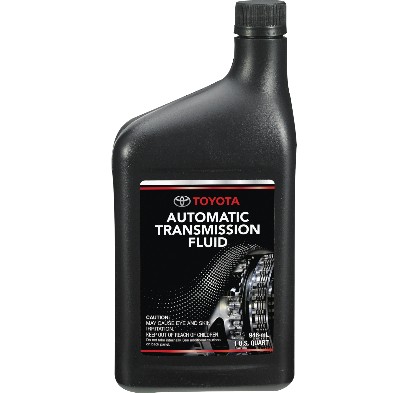
Automatic transmission fluid (ATF) plays a key role in your vehicle’s transmission system. It keeps the transmission running smoothly and helps shift gears efficiently. Without the right ATF, your car may experience poor performance or damage.
ATF does more than just lubricate parts. It cools the transmission and cleans internal components. This helps extend the life of your transmission and prevents costly repairs.
Lubrication Of Moving Parts
ATF provides lubrication to the transmission’s moving parts. This reduces friction and wear. Proper lubrication helps the transmission parts last longer and work better.
Hydraulic Fluid Function
The fluid acts as a hydraulic medium inside the transmission. It transfers power to change gears smoothly. This hydraulic action is essential for automatic gear shifting.
Cooling The Transmission
ATF helps carry heat away from the transmission. This prevents overheating and damage. Keeping the transmission cool ensures it works well under all conditions.
Cleaning And Protection
The fluid cleans the transmission by carrying away debris and metal particles. It also protects parts from rust and corrosion. This keeps the transmission in good condition over time.

Credit: www.autozone.com
Signs Of Fluid Mix-up And Consequences
Mixing power steering fluid and automatic transmission fluid can cause serious problems for your vehicle. Both fluids have different purposes and properties. Using the wrong fluid in either system may lead to poor performance and damage. Recognizing signs of a fluid mix-up early can save you costly repairs and keep your car running smoothly.
Unusual Noises From Steering Or Transmission
Strange noises often indicate a fluid problem. A whining or groaning sound while turning the wheel can mean the power steering fluid is wrong. Gritty or clunky noises during gear changes may signal transmission fluid issues. These sounds should not be ignored.
Difficulty Steering Or Shifting Gears
Hard steering or stiff gear shifts are warning signs. Incorrect fluid can cause low pressure in the power steering system. This makes steering heavy and slow. Transmission problems may cause delayed or rough gear changes. Both affect driving safety and comfort.
Fluid Leaks And Changes In Fluid Color
Leaks near the steering pump or transmission are common after a mix-up. Fluid color changes, such as dark or cloudy fluid, also reveal problems. Power steering fluid is usually clear or amber. Transmission fluid tends to be red or pink. Mixing them can alter these colors.
System Overheating And Component Damage
Wrong fluid can cause overheating in both systems. Overheated fluid loses its ability to lubricate and protect. This leads to worn-out seals, pumps, and gears. Damage can be costly and may require system replacement or rebuild.
Tips For Choosing And Maintaining Fluids
Choosing the right fluid and keeping it well maintained matters for your car’s health. Power steering fluid and automatic transmission fluid serve different roles. Using the correct fluid ensures smooth performance and prevents damage.
Regular checks and timely changes keep your vehicle running safe and smooth. Knowing what to look for helps you avoid costly repairs. Here are some simple tips to choose and maintain these fluids properly.
Check Your Owner’s Manual For Fluid Type
Your car’s manual lists the right fluids to use. Follow the recommended fluid types for power steering and transmission. Using the wrong fluid can cause leaks or wear. Always pick fluids that meet or exceed the manual’s specs.
Look For Fluid Color And Smell
Healthy power steering fluid is usually clear or light amber. Transmission fluid is often red or pink. Dark, burnt-smelling fluid means it needs changing. Regularly inspect the fluid color and smell to catch problems early.
Change Fluids At Recommended Intervals
Fluids degrade over time and lose effectiveness. Change power steering and transmission fluids as your manual says. Regular changes keep parts lubricated and reduce wear. Don’t wait for trouble to act.
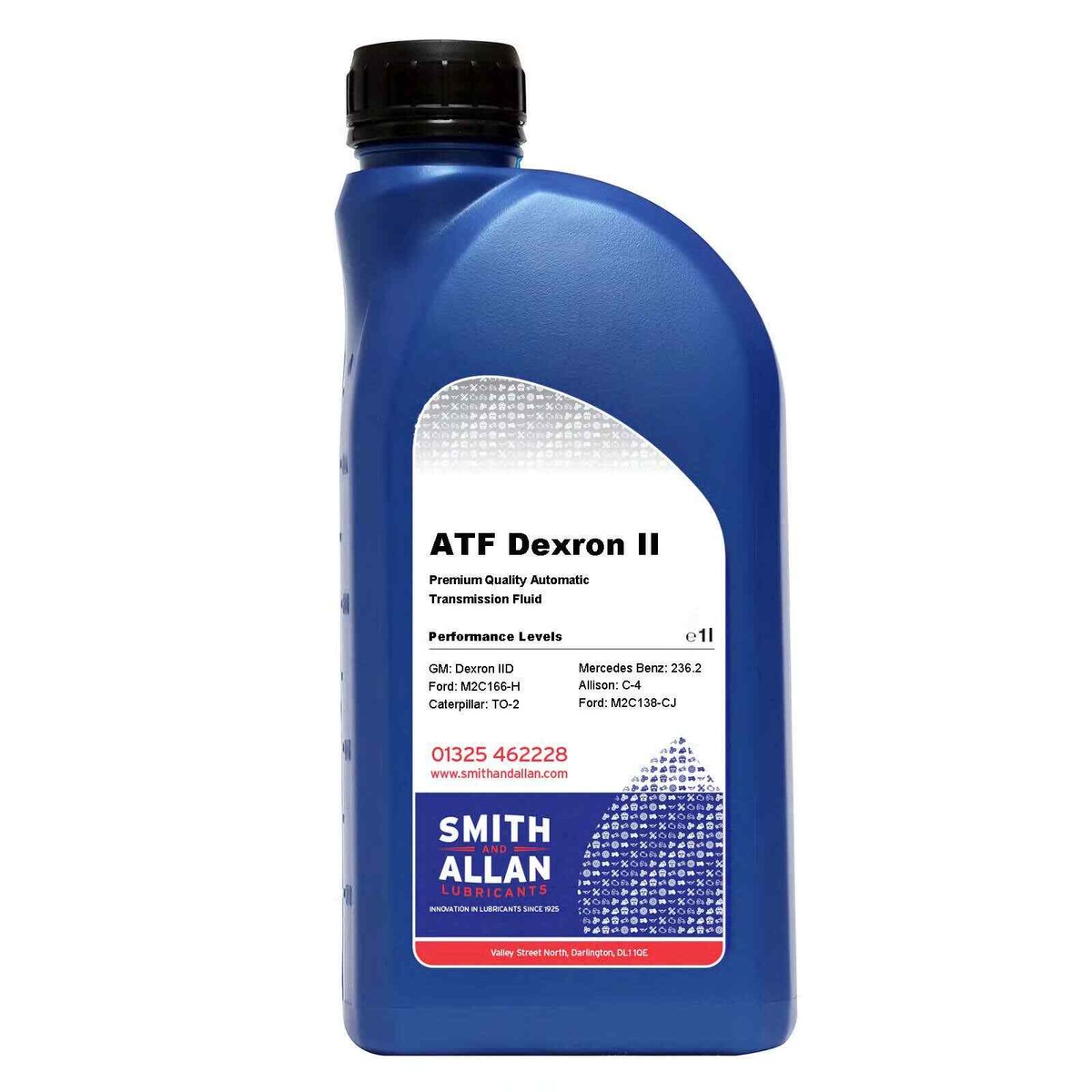
Use Quality Fluids From Trusted Brands
Choose fluids from well-known manufacturers. Quality fluids protect your system better. Cheap or wrong fluids may cause damage and void warranties. Always buy from reliable stores or dealers.
Monitor Fluid Levels Often
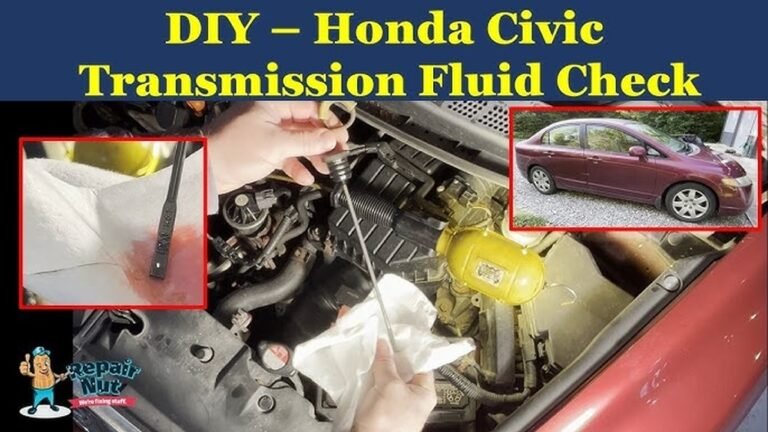
Low fluid levels cause poor performance or damage. Check fluid levels regularly using the dipstick or reservoir marks. Top off fluids carefully, avoiding overfilling. Proper levels keep your steering and transmission working well.
Credit: m.ebay.com
Frequently Asked Questions
Is Power Steering Fluid The Same As Transmission Fluid?
No, power steering fluid and transmission fluid are different. They serve distinct functions and have unique formulations. Using the wrong fluid can damage your vehicle.
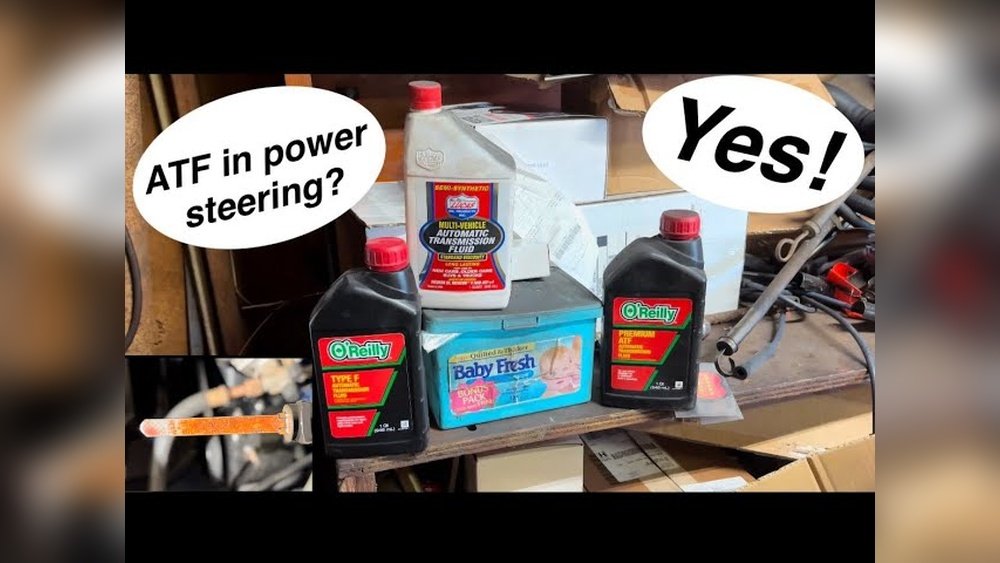
Can I Use Automatic Transmission Fluid For Power Steering?
Using automatic transmission fluid in power steering is not recommended. It may harm the power steering system and cause leaks. Always use the fluid specified by your vehicle’s manufacturer.
What Are The Main Differences Between These Two Fluids?
Power steering fluid lubricates the steering system, while transmission fluid helps with gear shifting. Their chemical properties and viscosity also differ. Each is designed for specific parts of the car.
How To Know Which Fluid My Car Needs?
Check your vehicle’s owner manual for the exact fluid type. Look for labels under the hood or on the fluid reservoir. Using the right fluid ensures proper system performance and longevity.
What Happens If I Mix These Two Fluids Accidentally?
Mixing power steering and transmission fluids can cause system failure. It may lead to poor steering or transmission problems. Flush the system and refill with the correct fluid immediately.
Conclusion
Power steering fluid and automatic transmission fluid are not the same. Each fluid has a unique role in your vehicle. Using the wrong fluid can cause damage. Always check your car’s manual before adding any fluid. Proper maintenance helps your car run smoothly and safely.
Remember, clean and correct fluids keep parts working well. Taking time to understand these fluids saves money and hassle later. Simple care makes a big difference in your car’s life.