What Happens If You Connect Negative to Negative Car Battery: Risks Revealed
Have you ever wondered what happens if you connect negative to negative on a car battery? It might sound like a simple mistake, but the results can surprise you.
Whether you’re jump-starting your car or working on its electrical system, understanding this connection is crucial. You’ll learn exactly what happens when you mix up the battery terminals—and why it matters for your safety and your car’s health. Keep reading to avoid costly damage and stay safe while handling your car battery.

Credit: mechanics.stackexchange.com
How Car Batteries Work
Car batteries store electrical energy to start the engine and power electronics. They use chemical reactions to create electricity. This process happens inside the battery cells. The battery has two main terminals: positive and negative. Each terminal plays a key role in how electricity flows.
Understanding these parts helps explain what happens if you connect negative to negative. It also shows why correct connections matter for safety and function.
Battery Polarity Basics
Battery polarity means the direction of the electrical current. The positive terminal pushes electrons out. The negative terminal pulls electrons back in. This flow creates a circuit that powers the car.
Mixing up polarity can stop the battery from working. It can also cause sparks or damage to the car’s electrical system. The battery must connect correctly for the car to start and run safely.
Role Of Positive And Negative Terminals
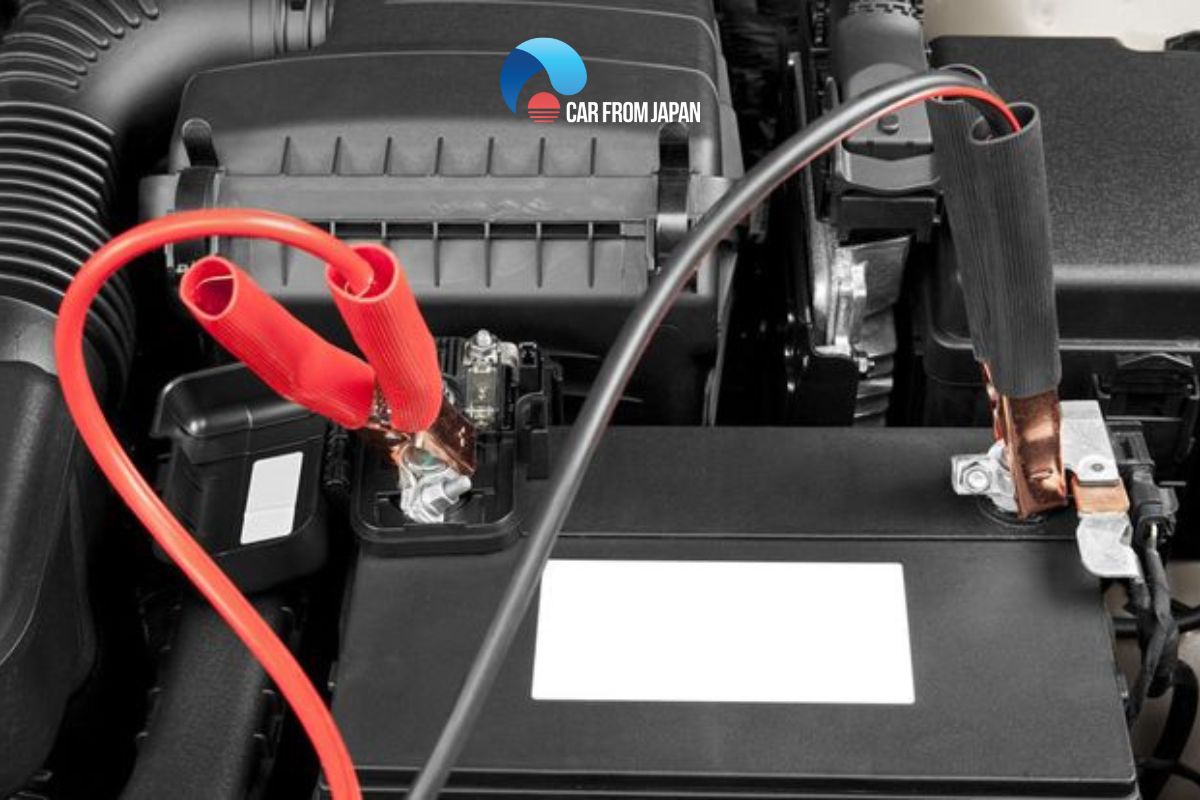
The positive terminal connects to the car’s electrical system. It sends power to start the engine and run accessories. The negative terminal connects to the car’s frame. It acts as a ground, completing the electrical circuit.
Both terminals must connect properly. This ensures the battery can deliver power without risk. Wrong connections can cause short circuits or battery damage. The terminals control how safely and efficiently power flows.
Credit: carfromjapan.com
Consequences Of Negative To Negative Connection
Connecting the negative terminal to another negative terminal on a car battery can cause serious problems. This mistake affects the car’s electrical system and may damage key parts. Understanding these consequences helps avoid costly repairs and safety risks.
Electrical Circuit Impact
Connecting negative to negative disrupts the normal flow of electricity. The circuit may short-circuit or fail to complete properly. This can cause fuses to blow and wires to overheat. The battery may drain quickly or stop working. Electrical components might not receive power or behave unpredictably.
Potential Damage To Vehicle Systems
Wrong connections can harm sensitive electronic parts. The car’s computer system can reset or get damaged. Sensors and control modules may malfunction or fail. This leads to poor engine performance or warning lights on the dashboard. Repairing these systems can be expensive and time-consuming.
Safety Hazards To Watch For
Connecting the negative terminals of car batteries incorrectly creates serious safety risks. These hazards can cause injury and damage. Understanding these dangers helps prevent accidents and keeps you safe.
Risk Of Sparks And Short Circuits
Connecting negative to negative can cause sparks. Sparks can ignite flammable gases near the battery. A short circuit can damage the car’s electrical system. Sparks may also cause burns or fires. Always handle battery connections carefully to avoid sparks.
Battery Leakage And Explosion Risks
Incorrect connections may cause battery leakage. Acid leaks can damage your skin and eyes. The battery may overheat and swell. Overheating increases the risk of explosion. Explosions can cause serious injuries and property damage. Proper battery connection reduces these risks significantly.

Credit: www.reddit.com
Correct Steps To Connect Batteries
Connecting car batteries correctly is important for safety and performance. Wrong connections can cause sparks, damage, or injury. Follow simple steps for a safe battery connection. This helps your car start without trouble.
Proper Terminal Matching
Always match the positive terminal to positive and negative to negative. The positive terminal usually has a plus (+) sign and a red cover. The negative terminal has a minus (–) sign and is often black. Connecting the terminals correctly prevents short circuits and damage. Double-check before connecting the cables to avoid mistakes.
Using Jump Starters Safely
Turn off both vehicles before connecting jump starter cables. Connect the positive cable to the dead battery’s positive terminal first. Then connect the other end to the good battery’s positive terminal. Next, connect the negative cable to the good battery’s negative terminal. Finally, attach the other end to an unpainted metal part of the dead car’s engine, away from the battery. This reduces sparks and risk of explosion. Start the working car, then try to start the dead car. Remove cables in reverse order once the dead car starts.
Frequently Asked Questions
What Happens If You Connect Negative To Negative Car Battery?
Connecting negative to negative terminals does not complete the circuit. No power will flow, and the battery won’t charge or start the car.
Can Connecting Negative To Negative Damage The Car Battery?
No direct damage usually occurs from connecting negative to negative. But it will not work and may cause confusion or sparks if done carelessly.
Is It Safe To Connect Negative To Negative Terminals?
It is generally safe but useless to connect negative to negative. Always connect positive to positive and negative to negative for proper operation.
Why Won’t The Car Start With Negative To Negative Connection?
The circuit won’t complete if negative is connected to negative. The car needs a positive to negative connection to start the engine.
How To Correctly Connect Car Battery Terminals?
Match positive terminal to positive cable and negative terminal to negative cable. This completes the circuit and powers the car safely and efficiently.
Conclusion
Connecting negative to negative on a car battery can cause issues. It may stop the car from starting or damage electrical parts. Always connect the positive terminal first, then the negative. Double-check the connections before turning on the engine. Safety matters most to avoid sparks or injury.
Taking a moment to connect cables properly saves time and money. Remember, careful steps keep your car and you safe on the road.