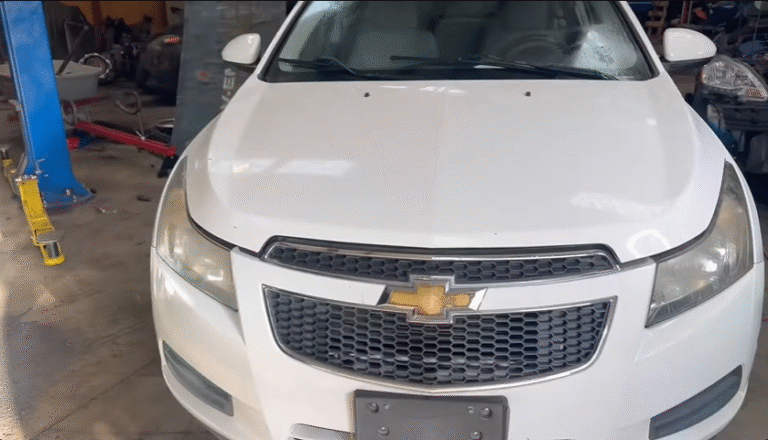
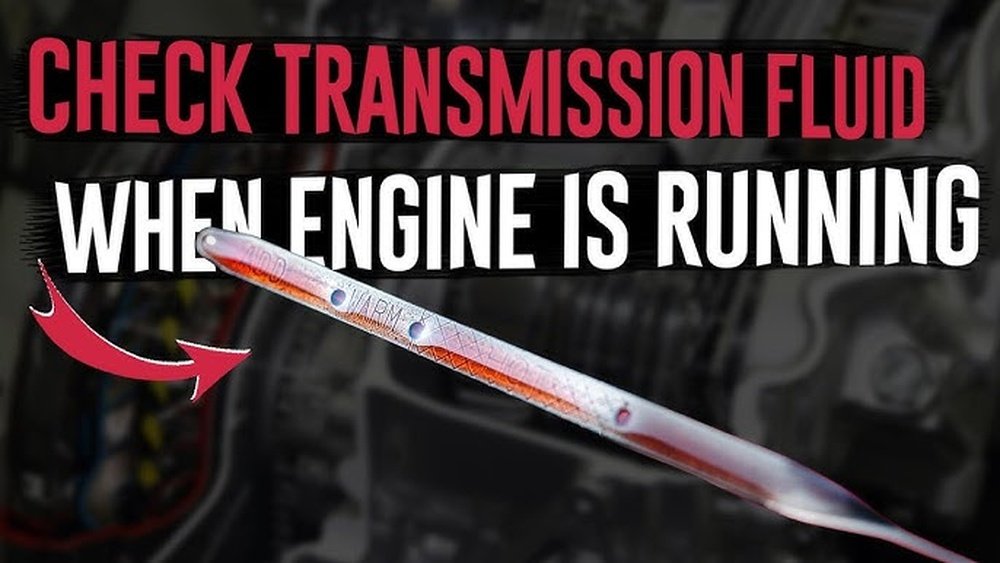
Are You Supposed to Check Transmission Fluid While Running? Expert Tips
Have you ever wondered if you should check your transmission fluid while your car is running? It’s a question many drivers ask but don’t always get a clear answer to.
Knowing the right way to check your transmission fluid can save you from costly repairs and keep your vehicle running smoothly. You’ll discover exactly when and how to check your transmission fluid the right way. Keep reading—you might be surprised by what you don’t know about this simple but important task.

Credit: www.youtube.com
When To Check Transmission Fluid
Checking your transmission fluid at the right time is key to keeping your car healthy. The fluid helps the transmission work smoothly. Too little or dirty fluid can cause damage.
Knowing when to check the fluid depends on the engine temperature and whether the car is running or parked. These factors affect the fluid level and its accuracy on the dipstick.
Cold Vs. Warm Engine
Transmission fluid expands as it warms up. Checking fluid in a cold engine shows a lower level than when warm. Some cars need you to check the fluid when the engine is cold. Others require it to be warm. Always check your car’s manual for the right timing.
Warm fluid gives a more accurate reading of how the transmission performs on the road. Cold checks might miss leaks or low fluid that appear only at operating temperature.
Parked Vs. Running Vehicle
Many cars need the engine running to check transmission fluid properly. The engine running circulates the fluid. This helps get a correct level reading. Checking with the engine off can give a false low reading.
Put the car in park and keep the engine idling. Then pull the dipstick to check the fluid. This method shows the fluid’s true level and condition.
How To Check Transmission Fluid Safely
Checking your transmission fluid is important for your car’s health. It helps the transmission work smoothly. Doing this safely keeps you and your vehicle safe. Follow simple steps to check the fluid level without risk.
Steps To Check Fluid Level
First, park your car on a flat surface. Keep the engine running and warm. Put the parking brake on. Open the hood and find the transmission fluid dipstick. Pull the dipstick out and wipe it clean with a cloth. Insert it back fully, then pull it out again. Look at the fluid level on the stick. It should be between the “Full” and “Add” marks. Check the fluid color; it must be bright red or pink. Dark or burnt smell means it needs changing.
Safety Precautions
Always keep the engine running while checking fluid. Use gloves to avoid burns from hot engine parts. Keep loose clothes and hair away from moving parts. Do not touch the exhaust or hot engine parts. Make sure the car is in park or neutral. Use a flashlight if needed for better visibility. Never open the transmission fluid cap while the engine is hot.
Signs Of Low Or Dirty Transmission Fluid
Transmission fluid is vital for smooth gear shifts and cooling. Low or dirty fluid can cause many issues.
Recognizing the signs early helps prevent costly repairs. Watch for changes in how your vehicle drives.
Common Symptoms
Slipping gears is a common symptom of low fluid. The vehicle may hesitate or shift roughly. You might notice strange noises, like whining or clunking sounds. The transmission could also overheat, causing a burning smell. Sometimes, the check engine light or transmission warning light appears on the dashboard.
Effects On Transmission Performance
Low or dirty fluid reduces lubrication. This causes parts to wear out faster. The transmission may lose power and respond slower. Shifts may feel jerky or delayed. Over time, this can lead to total transmission failure. Clean, adequate fluid keeps your transmission working well and lasting longer.
Credit: www.reddit.com
Maintenance Tips For Transmission Health
Keeping your transmission in good shape helps your vehicle run smoothly. Regular care prevents costly repairs and extends the life of your car. Simple steps make a big difference in transmission health.
Fluid Change Intervals
Changing transmission fluid on time is key. Old fluid loses its ability to protect and lubricate. Check your owner’s manual for the recommended schedule. Some vehicles need fluid changes every 30,000 to 60,000 miles. Drive gently to reduce fluid wear and help it last longer.
Choosing The Right Transmission Fluid
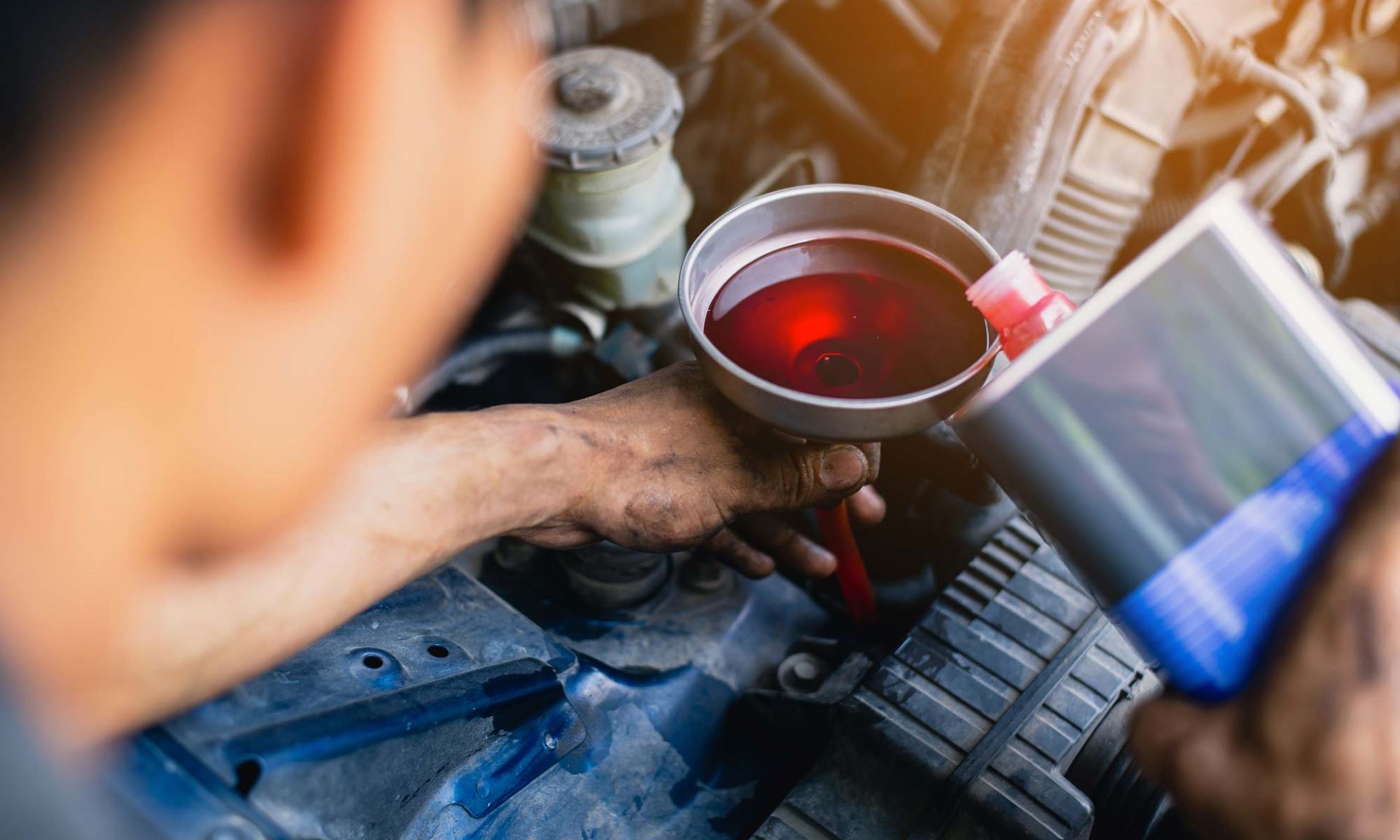
Use the correct fluid type for your vehicle. Different transmissions need specific fluids with the right additives. Using the wrong fluid can cause slipping or damage. Always buy fluids that meet the car maker’s standards. Look for labels that match your car’s requirements. Clean fluid helps shift gears smoothly and cools transmission parts.
Credit: www.winnerchev.com
Frequently Asked Questions
Can Transmission Fluid Be Checked While The Engine Is Running?
Transmission fluid is often checked with the engine running and warm. This helps get an accurate reading of the fluid level and condition.
Why Check Transmission Fluid With The Car In Park Or Neutral?
The car should be in park or neutral to prevent movement. This ensures safety and a stable fluid reading.
What Signs Show Low Transmission Fluid While Engine Runs?
Signs include slipping gears, delayed shifting, or strange noises. Checking fluid helps spot these problems early.
How Often Should Transmission Fluid Be Checked?
Check transmission fluid every 30,000 to 60,000 miles or as your car manual suggests. Regular checks keep transmission healthy.
Can Checking Fluid While Cold Give Wrong Results?
Yes, cold fluid is thicker and may show incorrect levels. Checking when warm gives a more precise measurement.
Conclusion
Checking transmission fluid while the engine runs helps get an accurate reading. It shows the true fluid level and condition. Always follow your vehicle’s manual for the right steps. Avoid guessing or skipping this check. Regular checks keep your transmission healthy and prevent costly repairs.
A simple habit saves time and money. Stay safe, and keep your car running smoothly.