Does Check Engine Light Turn off Automatically After Repair? Find Out!
Have you ever fixed your car, only to wonder if the check engine light will turn off by itself? That little warning can be confusing and stressful.
You want to know if it’s safe to drive or if you need to take extra steps. You’ll discover exactly what happens to that light after a repair. By the end, you’ll feel confident and in control the next time your check engine light comes on.
Keep reading—you’ll get the clear answers you need.
How The Check Engine Light Works
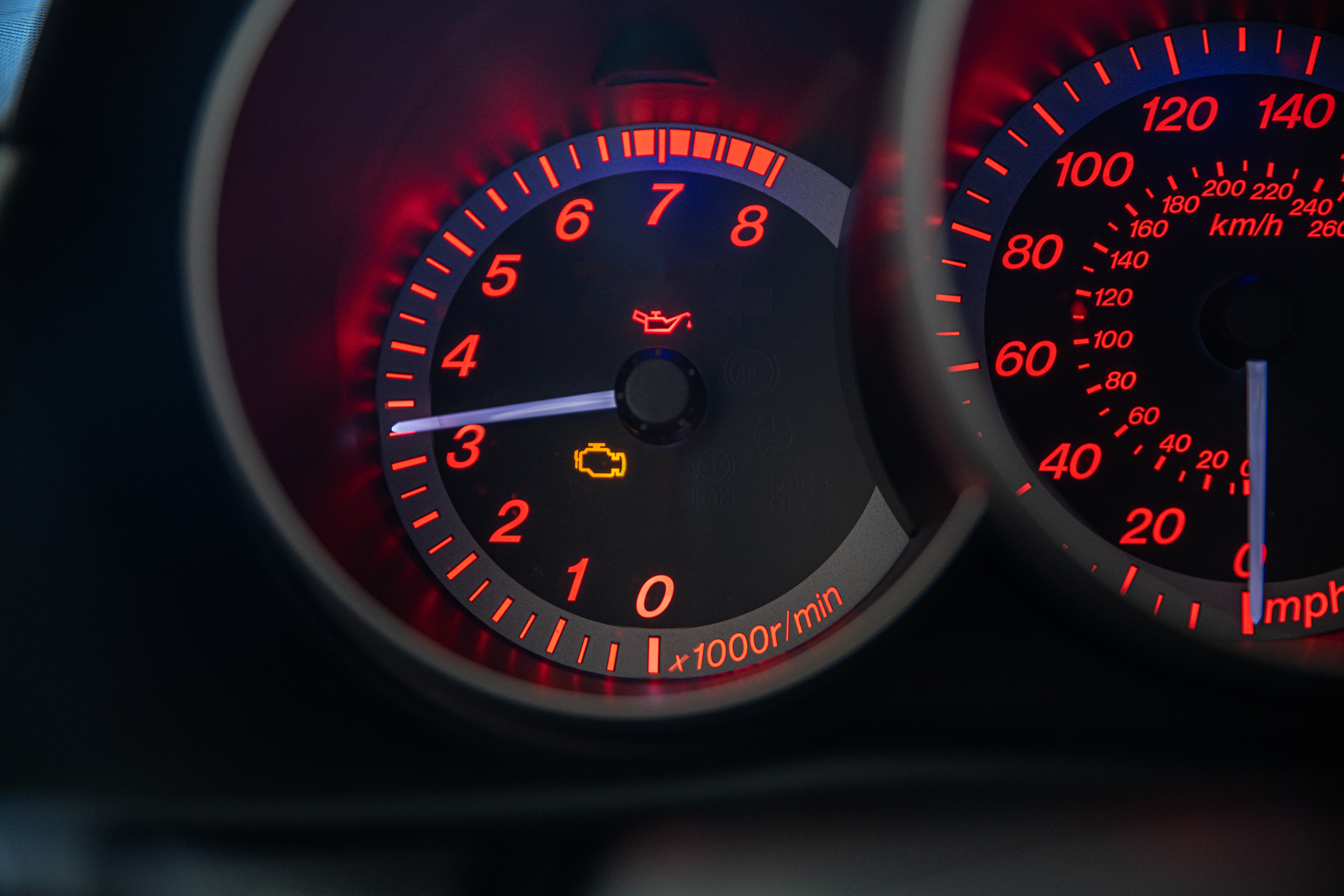
The check engine light is a small warning on your dashboard. It signals a problem with your car’s engine or emissions system. The light is part of your vehicle’s onboard diagnostics system, called OBD-II.
OBD-II constantly checks many parts of your car. It looks for issues with sensors, the engine, and exhaust system. When the system finds a problem, it turns on the check engine light.
What Triggers The Check Engine Light
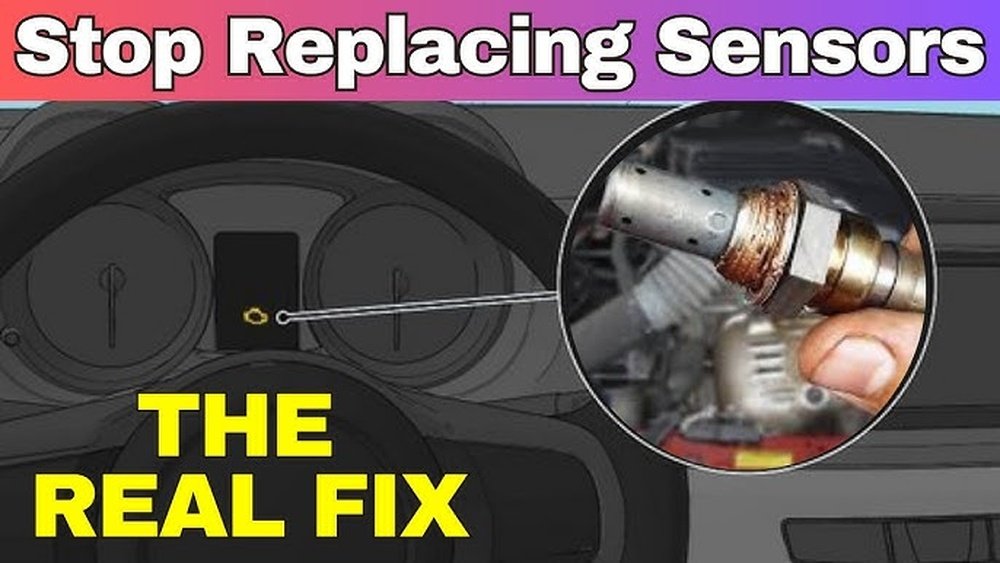
The light turns on if a sensor detects a fault. It could be a loose gas cap, a bad oxygen sensor, or engine misfire. The system stores a trouble code that helps identify the issue.
Reading The Trouble Codes
A mechanic uses a scanner to read the codes. These codes tell what part or system caused the light. The codes guide the repair process and fix the problem.
How The Light Turns Off
After repair, the light does not always turn off right away. The system runs tests to confirm the fix. If tests pass, the light will turn off automatically after some driving.
Sometimes, the light needs to be reset manually by a mechanic or with a scan tool. This clears the codes and turns off the light.

Credit: www.highlandtire.com
When The Light Turns Off On Its Own
The check engine light may turn off by itself after a repair if the issue is fixed. Sometimes, it takes a few driving cycles for the light to reset. If the problem persists, the light will stay on or come back.
What Causes The Check Engine Light To Turn Off Automatically?
The check engine light can turn off on its own after the problem clears. Some car systems run tests while driving. If the issue is fixed or no longer detected, the light may go off.
The car’s computer checks sensors and engine parts regularly. When everything works right for several trips, the light resets itself.
How Many Drives Does It Take For The Light To Turn Off?
Usually, the light turns off after three to five successful drive cycles. A drive cycle means starting the engine, driving, and turning it off. If the system finds no problems during these trips, it will switch off the light.
When Should You Not Expect The Light To Turn Off?
The light stays on if the issue is still present. Some faults need manual resetting after repair. Some cars require a scan tool to clear the light. Ignoring the light can cause bigger problems later.
Factors Affecting Automatic Reset
The check engine light may turn off automatically after a repair, but it depends on the car’s system. Some vehicles reset quickly, while others need a few drive cycles. Factors like the type of repair and how the car’s computer clears errors also affect the reset time.
Engine Control Module (ecm) Behavior
The ECM monitors your vehicle’s systems constantly. It stores trouble codes when it finds a problem. After the repair, the ECM may need time to confirm the issue is fixed. It resets the check engine light only after certain driving conditions are met. This process can take a few trips or several days.
Type Of Repair Performed
Some repairs clear the problem immediately, while others do not. Fixing minor issues might turn off the light faster. Complex repairs may require multiple drive cycles before the light resets. The check engine light stays on until the system confirms the fault no longer exists.
Drive Cycle Completion
A drive cycle is a set of driving conditions the car needs to go through. The car’s computer tests all systems during this cycle. The check engine light resets only after the drive cycle finishes successfully. Not completing the drive cycle delays the automatic reset.
Battery Disconnect Or Reset
Disconnecting the battery can reset the check engine light immediately. This method clears all stored codes in the ECM. However, the light may come back if the problem is not fully fixed. Resetting the battery does not solve the underlying issue.
Use Of Diagnostic Tools
Auto shops use scan tools to clear trouble codes quickly. These tools communicate directly with the ECM. They erase the stored codes and turn off the check engine light. This reset is immediate but requires professional equipment.

Credit: ervines.com
Steps To Manually Turn Off The Light
Turning off the check engine light can be done manually after fixing the problem. You can reset it by disconnecting the car battery or using an OBD-II scanner. Sometimes, the light turns off on its own after several drives.
The check engine light can stay on even after repairs. It may not turn off by itself right away. You can turn it off manually with simple steps. This helps confirm the repair worked.
Turning off the light manually is easy. It requires basic tools and a little patience. Follow these steps to clear the light safely.
Disconnect The Car Battery
Start by turning off your car. Open the hood and locate the battery. Use a wrench to disconnect the negative terminal. Wait for about 15 minutes. This resets the car’s computer and clears error codes. Reconnect the battery and start the car. Check if the light is off.
Use An Obd-ii Scanner
Get an OBD-II scanner from an auto parts store or online. Plug the scanner into the car’s OBD port, usually under the dashboard. Turn on the ignition without starting the engine. Follow the scanner’s instructions to read and clear codes. This will switch off the check engine light immediately.
Drive The Car Normally
After clearing codes, drive your car as usual. The system will run checks during normal driving. If the repair is good, the light should stay off. If the light returns, there may be an unresolved problem.
Check For Loose Gas Cap
A loose gas cap can cause the check engine light. Tighten it firmly until it clicks. Then, drive for a few miles. The light may turn off without further action.
Credit: www.autozone.com
Frequently Asked Questions
Does The Check Engine Light Turn Off By Itself After Repair?
The check engine light may turn off automatically after a few driving cycles. This happens when the car’s computer confirms the problem is fixed. Sometimes, it needs manual resetting with a scanner.
How Long Does The Check Engine Light Stay On After Repair?
The light usually turns off within 20 to 40 miles of driving after repair. If the issue is fully fixed, the system resets itself. If not, the light might stay on or come back.
Can I Reset The Check Engine Light Without Fixing The Problem?
Yes, you can reset the light using a scanner or by disconnecting the battery. But if the problem remains, the light will come back on soon. It’s better to fix the issue first.
What Causes The Check Engine Light To Stay On After Repair?
The light can stay on if the repair was incomplete or wrong. Sometimes, sensors or wiring issues cause the light to stay. A professional scan helps find the exact cause.
Is It Safe To Drive With The Check Engine Light On After Repair?
Driving with the light on might be safe if the problem is minor. But it’s best to avoid long drives until the light turns off. Ignoring serious issues can cause more damage.
Conclusion
The check engine light may not turn off right after a repair. Sometimes, the car needs a few drives to reset the system. At times, you might have to clear the code with a tool. Always watch for the light to stay off after fixing the issue.
This helps confirm your car is running well again. Don’t ignore the light if it comes back on soon. Taking care of problems early keeps your car safe and saves money. Simple checks can prevent bigger troubles later.