What Happens When the Throttle Position Sensor Goes Bad: Warning Signs Explained
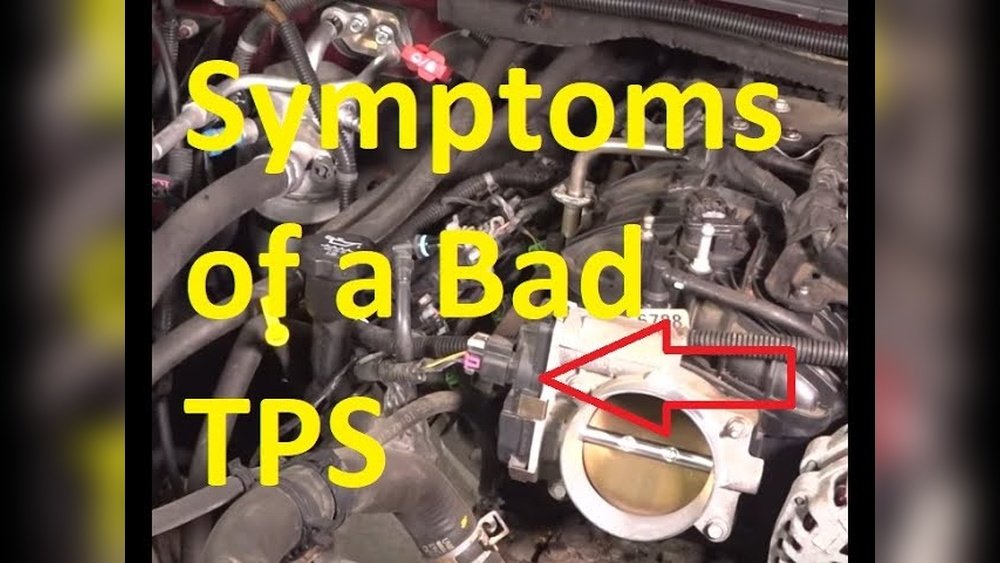
Imagine pressing your gas pedal, expecting a smooth response, but instead, your car hesitates, stumbles, or even stalls unexpectedly. If this sounds familiar, your throttle position sensor (TPS) might be to blame.
This small but crucial part tells your car’s computer how far you’re pressing the gas pedal. When it goes bad, your engine can act up in ways that make driving frustrating or even unsafe. You might notice poor acceleration, rough idling, or trouble shifting gears—all warning signs you shouldn’t ignore.
Keep reading to discover exactly what happens when your throttle position sensor fails, how to spot the symptoms early, and what steps you should take to keep your car running smoothly and safely.
Credit: www.youtube.com
Key Symptoms Of A Failing Sensor
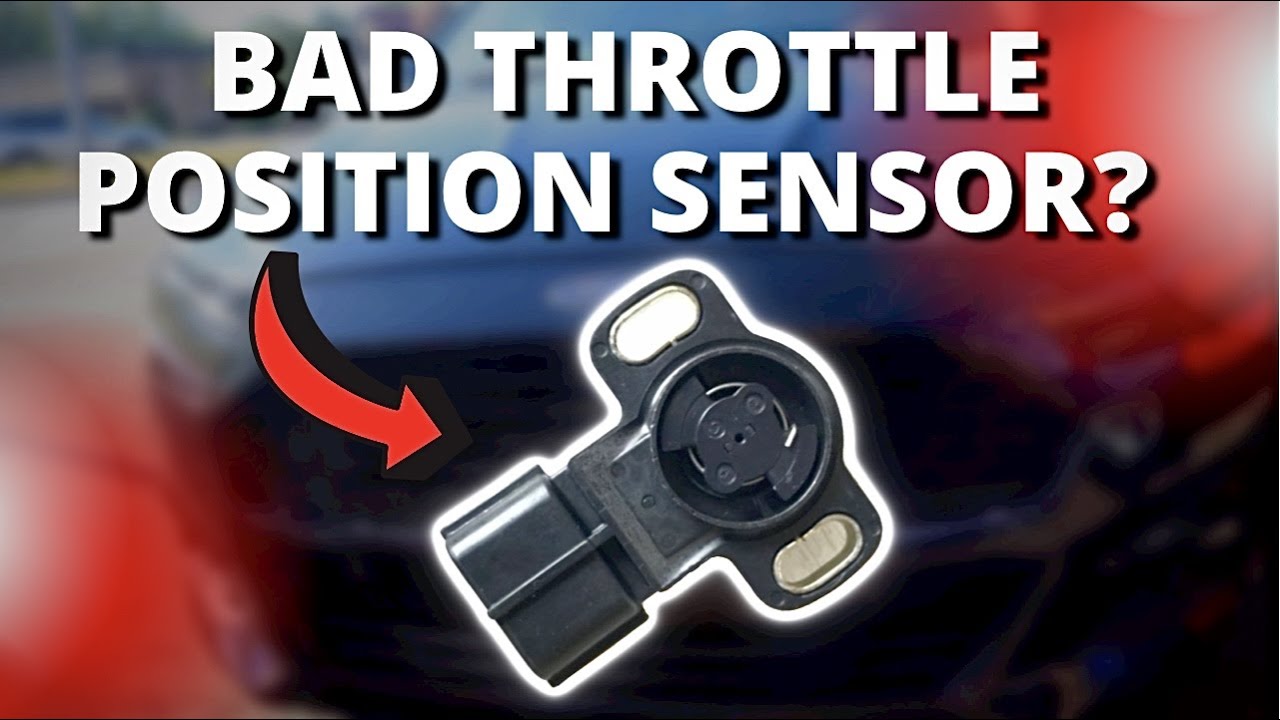
The throttle position sensor (TPS) plays a key role in managing your vehicle’s engine performance. It sends data about the gas pedal’s position to the engine control unit. A failing sensor causes many problems that affect drivability and safety. Recognizing early signs helps you avoid costly repairs and breakdowns.
Inconsistent Idle And Stalling
A bad TPS often causes the engine to idle unevenly. The engine speed may jump up and down without warning. Sometimes, the engine might stall suddenly while stopped or at low speeds. These issues happen because the sensor sends wrong signals about the throttle opening. The computer then mismanages fuel and air flow, leading to rough or unstable idling.
Hesitation And Poor Acceleration
The engine may hesitate or stumble when you press the gas pedal. Acceleration feels slow or weak, even with more throttle input. This happens because the TPS fails to report the correct pedal position. The engine control unit cannot adjust fuel delivery properly, causing lag. This symptom often gets worse during uphill driving or heavy loads.
Shifting And Transmission Issues
The throttle position sensor also affects automatic transmission shifting. A faulty sensor can cause harsh or delayed gear changes. Sometimes, the transmission may slip or shift erratically. This occurs because the transmission control unit relies on throttle data to time shifts. Poor sensor readings disrupt this process, reducing driving smoothness and control.
How A Faulty Sensor Affects Performance
A faulty throttle position sensor (TPS) can cause several performance issues in your vehicle. This sensor tells the engine control unit (ECU) how much the gas pedal is pressed. When it fails, the ECU gets wrong information. This leads to poor engine response and drivability problems.
Faulty data from the TPS can upset fuel delivery and ignition timing. This can make your car less reliable and harder to control. Below are key ways a bad TPS affects your vehicle’s performance.
Impact On Fuel Efficiency
The TPS helps the engine use fuel efficiently by adjusting the fuel mix. When the sensor is bad, the engine might get too much or too little fuel. This causes the engine to burn fuel wastefully. You may notice your gas mileage drops suddenly. Over time, this wastes money and can damage your engine.
Erratic Engine Behavior
A bad TPS often causes rough idling and stalling. The engine may hesitate or surge when you press the gas pedal. This happens because the ECU cannot properly control the throttle. You might feel the engine stumble or jerk unexpectedly. These problems make driving uncomfortable and unsafe.
Unexpected Acceleration Risks
Incorrect signals from a faulty TPS can cause sudden acceleration or loss of power. The car might speed up without warning or fail to respond when you press the pedal. This creates a dangerous situation on the road. Unexpected acceleration can lead to accidents and loss of vehicle control.
Diagnosing A Bad Throttle Position Sensor
Diagnosing a bad throttle position sensor (TPS) requires careful steps. The TPS sends signals about the throttle’s position to the engine control unit. Faulty signals cause engine problems. Identifying the issue early can prevent further damage. Mechanics use several methods to check the sensor’s health. The process involves reading error codes, inspecting the sensor, and performing tests.
Common Diagnostic Methods
One common method is using an OBD-II scanner. This tool connects to the vehicle’s computer. It reads stored trouble codes related to the TPS. Another method is observing engine behavior. Symptoms like rough idling or hesitation suggest TPS issues. Testing the sensor’s voltage output under different throttle positions also helps. These tests reveal if the sensor responds accurately to throttle movements.
Using Check Engine Light Codes
The check engine light often signals TPS problems. When the light turns on, it stores codes in the computer. These codes point to specific sensor faults. A technician uses a scanner to retrieve these codes. Codes like P0120 to P0124 usually relate to TPS issues. Reading these codes narrows down the problem quickly. This step is essential for accurate diagnosis.
Physical Inspection And Testing
Physically inspecting the TPS can reveal visible damage. Check the sensor and its wiring for wear or corrosion. Loose or broken connectors affect sensor signals. Testing involves measuring the sensor’s voltage with a multimeter. The voltage should change smoothly as the throttle moves. Sudden jumps or drops indicate a faulty sensor. Replacing the sensor often solves the problem.

Credit: www.engineeringchoice.org
Repair And Maintenance Options
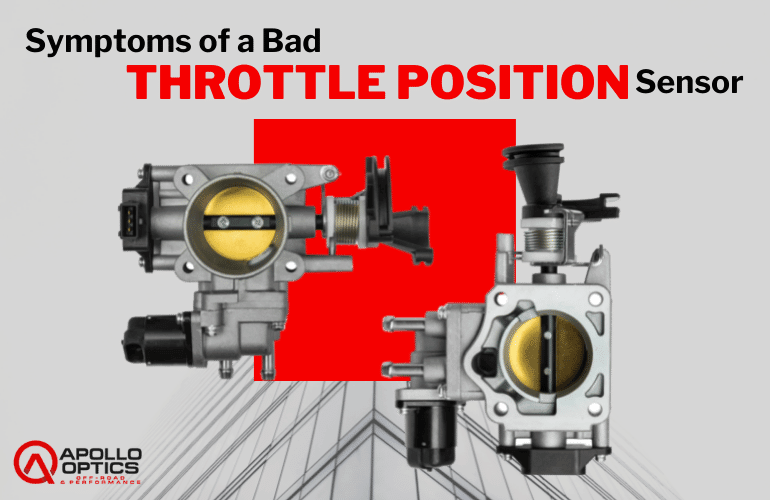
Repair and maintenance options for a bad throttle position sensor (TPS) vary depending on the issue’s severity. Sometimes, the sensor only needs a reset to fix minor glitches. Other times, replacing the sensor is necessary. Understanding these options helps save time and money.
Resetting The Sensor
Resetting the TPS can clear error codes and restore sensor function. This process often involves disconnecting the car battery for a few minutes. Alternatively, some vehicles require a scan tool to reset the sensor electronically. Resetting can solve small electrical faults without replacing parts.
When To Replace The Sensor
Replacing the TPS is necessary if resetting does not fix the problem. Physical damage or worn components cause sensor failure over time. Persistent symptoms like rough idling and poor acceleration signal replacement needs. A mechanic can test the sensor to confirm if it is faulty.
Cost Considerations And Diy Tips
The cost to replace a throttle position sensor ranges from $50 to $200. Labor costs vary by vehicle model and location. DIY replacement is possible with basic tools and a repair manual. Always disconnect the battery before working on the sensor to avoid electrical shocks. Testing the new sensor after installation ensures proper function.
Credit: apollooffroad.com
Frequently Asked Questions
How Do I Reset My Throttle Position Sensor?
To reset your throttle position sensor, turn the ignition on without starting the engine. Wait 10 seconds, then turn it off. Repeat this process three times. Finally, start the engine and let it idle for a few minutes to complete the reset.
How Long Can I Drive With A Bad Throttle Position Sensor?
You can drive a short distance with a bad throttle position sensor, but risks like stalling and poor acceleration increase. Get it fixed quickly.
How To Fix A Bad Throttle Position Sensor Without Replacing It?
Clean the throttle position sensor and its connector using electrical contact cleaner. Check and tighten wiring connections. Reset the car’s computer by disconnecting the battery for 15 minutes. Recalibrate the sensor via the vehicle’s manual procedure. These steps may improve sensor function without replacement.
How Much Does It Cost To Fix A Throttle Sensor?
Fixing a throttle position sensor typically costs between $150 and $300. Prices vary by vehicle model and labor rates.
Conclusion
A bad throttle position sensor affects your car’s performance and safety. You may notice rough idling, poor acceleration, or stalling. Driving with a faulty sensor can cause more damage over time. It is best to have your vehicle checked by a mechanic quickly.
Fixing or replacing the sensor keeps your engine running smoothly. Stay alert to any warning signs to avoid costly repairs. Taking care of this small part helps maintain your car’s reliability and fuel efficiency. Don’t ignore problems; early attention makes a big difference.