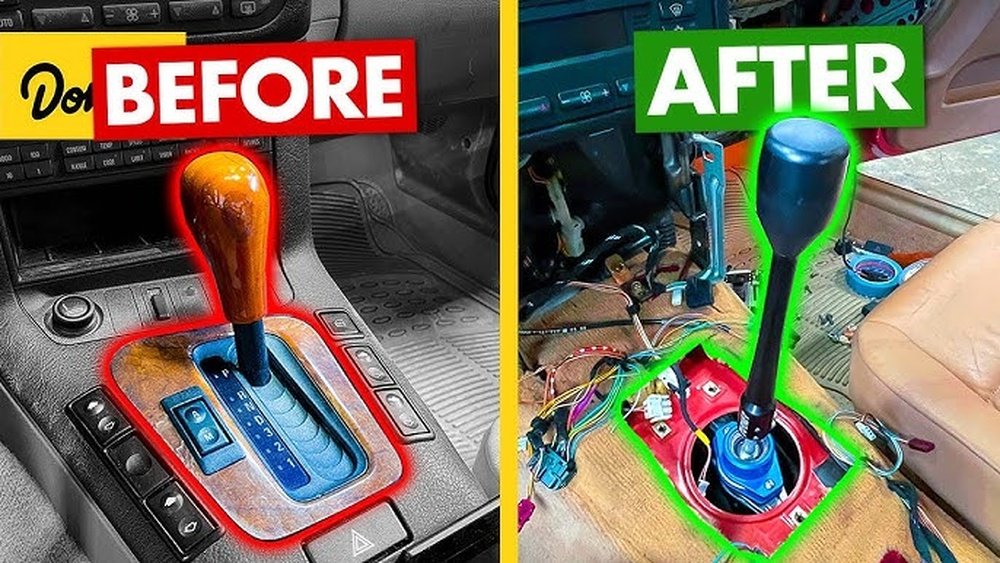
Can You Replace an Automatic Transmission With a Manual? Expert Guide
Have you ever wondered if you can swap your automatic transmission for a manual one? Maybe you crave more control behind the wheel or want to experience driving in a whole new way.
The idea sounds exciting, but is it actually possible? And if so, what challenges will you face? Keep reading to discover everything you need to know before making this big change to your car. This guide will help you decide if switching to a manual transmission is right for you—and how to do it right.

Credit: www.youtube.com
Manual Vs Automatic Transmission
Choosing between manual and automatic transmissions affects how a car drives and feels. Each type has unique features that suit different drivers and needs.
How Manual Transmissions Work
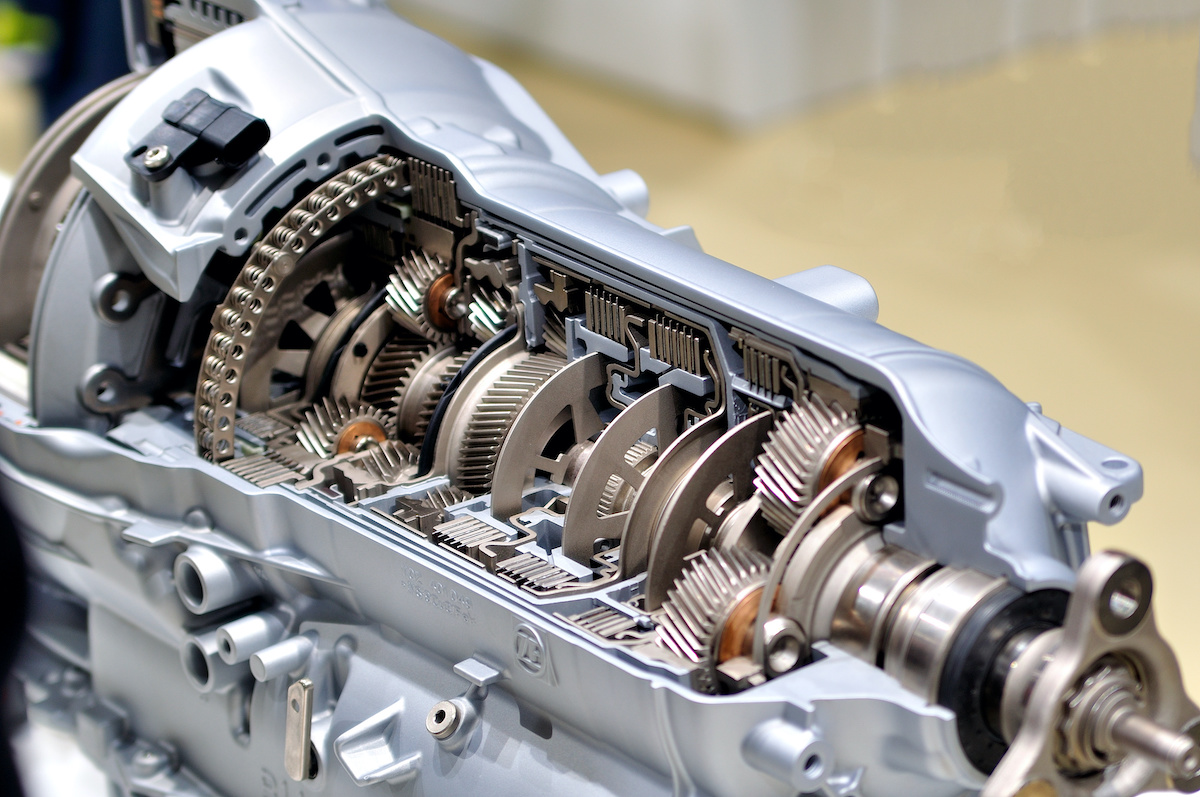
Manual transmissions require the driver to shift gears. Drivers use a clutch pedal and gear stick to control speed and power. This gives more control over the vehicle.
Manual cars often have fewer parts. This can mean lower repair costs. They also tend to be lighter and more fuel-efficient.
How Automatic Transmissions Work
Automatic transmissions shift gears on their own. Drivers only need to use the gas and brake pedals. This makes driving easier, especially in traffic.
Automatic systems are more complex with extra parts. Repairs can cost more. They offer smooth gear changes and comfort for many drivers.
Driving Experience Differences
Manual driving feels more involved. It requires skill and attention. Drivers enjoy more control over acceleration and engine braking.
Automatic driving is simpler and more relaxed. It lets drivers focus on the road without shifting gears. This suits beginners or long-distance drivers.
Cost And Maintenance Considerations
Manual transmissions usually cost less to buy and fix. They have fewer parts that wear out.
Automatic transmissions cost more upfront. Maintenance and repairs can be pricier due to complex parts.
Choosing between manual and automatic depends on budget and driving style.
Benefits Of Switching To Manual
Switching from an automatic to a manual transmission has clear benefits. It changes how you control the car and can improve your driving experience. Many drivers enjoy the added control and feel more connected to the road. The benefits go beyond just driving fun.
Manual transmissions often help save money in the long run. They may also boost fuel efficiency. Plus, they can be easier and cheaper to fix. Understanding these benefits can help you decide if the switch is right for you.
Better Control Over The Vehicle
Manual transmissions let you control gear changes directly. This control helps in different driving situations. You can choose the right gear for hills, traffic, or speed. This makes driving more precise and safer.
Improved Fuel Efficiency
Manual cars often use less fuel than automatics. You control when to shift gears, which can save gas. This saves money and reduces trips to the pump. Fuel savings add up over time.
Lower Maintenance Costs
Manual transmissions are simpler than automatics. They have fewer parts that can break. Repairs are usually less expensive and easier. This can save money on car maintenance.
Enhanced Driving Experience
Driving a manual feels more engaging and fun. You stay alert and focused on the road. Many drivers find it satisfying to shift gears smoothly. It makes driving less boring and more active.
Challenges Of The Conversion
Converting an automatic transmission to a manual one is not simple. It involves many complex steps and parts. The process can be costly and time-consuming. Several challenges can arise during this conversion. Understanding these hurdles helps prepare for the work ahead.
Each car model has different parts and systems. This makes finding the right components difficult. The conversion also needs precise mechanical skills and tools. Mistakes can cause damage or poor vehicle performance. Careful planning and knowledge are essential.
Finding Compatible Parts
Locating manual transmission parts that fit your car is tough. Many cars are not designed for manual gearboxes. You may need to source a donor car or special kits. Some parts include the clutch pedal, flywheel, and shifter. Getting all parts to work together takes time.
Modifying The Vehicle’s Structure
Changing from automatic to manual often requires altering the car’s frame. The transmission tunnel may need widening or reshaping. Pedal assembly must be installed for the clutch. Wiring and sensors also need adjustment. Structural changes must be precise to avoid safety issues.
Reprogramming The Car’s Electronics
Modern cars rely on computers to control transmission functions. Switching to manual means reprogramming the engine control unit (ECU). The ECU must recognize the new transmission and clutch signals. This work requires special diagnostic tools and software. Errors in programming can cause engine problems.
Ensuring Proper Clutch Operation
The clutch system is new to automatic cars. Installing the clutch pedal, master cylinder, and slave cylinder is essential. The clutch must engage and disengage smoothly. Incorrect installation causes jerking or slipping. Testing and adjusting the clutch takes skill and patience.
Step-by-step Conversion Process
Converting an automatic transmission to a manual is a detailed task. It needs planning, tools, and patience. This step-by-step guide breaks down the process into clear, simple parts. Follow each step carefully to ensure a successful swap.
Gather Necessary Parts And Tools
Start by collecting all parts needed for the manual conversion. This includes the manual transmission, clutch pedal, clutch master cylinder, and a new flywheel. You also need a clutch kit and a manual transmission shifter. Tools like wrenches, screwdrivers, and a jack are essential.
Remove The Automatic Transmission
First, disconnect the battery to avoid electrical issues. Then, drain the transmission fluid. Remove the driveshaft and any wiring connected to the automatic transmission. Unbolt the transmission from the engine and carefully lower it.
Install The Manual Transmission Components
Attach the new flywheel to the engine. Install the clutch disc and pressure plate. Mount the manual transmission onto the engine and bolt it in place. Connect the clutch master cylinder and pedal assembly inside the car.
Connect The Clutch And Shifter
Link the clutch pedal to the clutch master cylinder with the proper rod or cable. Install the shifter in the center console area. Attach the shift linkage to the transmission to control gear changes.
Refill Fluids And Check Systems
Fill the manual transmission with the recommended gear oil. Bleed the clutch hydraulic system to remove air. Check all connections and bolts for tightness. Reconnect the battery and test the clutch and shifter operation.
Cost And Time Considerations
Changing an automatic transmission to a manual one involves serious cost and time factors. This switch is not just about swapping parts; it needs careful planning and skill.
The process can take several days or even weeks, depending on the vehicle and the mechanic’s expertise. Costs can vary widely based on parts, labor, and vehicle type.
Parts And Materials Expense
Manual transmission kits include a clutch, flywheel, and gearbox. These parts can be expensive, especially for certain car models. Additional components like pedals and linkages may also be needed. Budget for both new and used parts to save money.
Labor Costs And Time
Installing a manual transmission requires skilled labor. Mechanics may charge high hourly rates due to the job’s complexity. Expect the work to take 10 to 20 hours or more. Longer labor means higher costs.
Additional Modifications
Some vehicles need extra changes to fit a manual transmission. This includes modifying the driveshaft, wiring, and ECU. These adjustments add to both cost and time. Prepare for unexpected expenses during the project.

Credit: www.amazon.com
Credit: www.blauto.com
Frequently Asked Questions
Can You Convert An Automatic Car To Manual?
Yes, it is possible to convert an automatic car to manual. The process requires changing the transmission, clutch, and pedals. It can be complex and costly.
What Parts Are Needed For Automatic To Manual Swap?
You need a manual transmission, clutch pedal, manual shifter, and flywheel. Also, some wiring and computer adjustments may be necessary. Professional help is often recommended.
How Much Does It Cost To Replace Automatic With Manual?
Costs vary widely but expect $1,500 to $3,000 or more. Labor and parts are the main expenses. It depends on the car model and mechanic rates.
Will Insurance Rates Change After Transmission Swap?
Insurance may change because the car’s value and risk profile can shift. Inform your insurer to avoid issues. Rates could go up or down.
How Long Does It Take To Swap Automatic To Manual?
The swap usually takes 1 to 3 days for experienced mechanics. Time depends on the car model and workshop availability. DIY attempts may take much longer.
Conclusion
Replacing an automatic transmission with a manual can be tricky. It needs time, tools, and skill. Parts may not always fit right. Costs can add up quickly. Think about why you want to switch. Will you enjoy driving more? Or will it cause stress and extra work?
Many people prefer to keep their car as is. Others like the control a manual gives. Either way, weigh the pros and cons well. The choice depends on your needs and patience.