
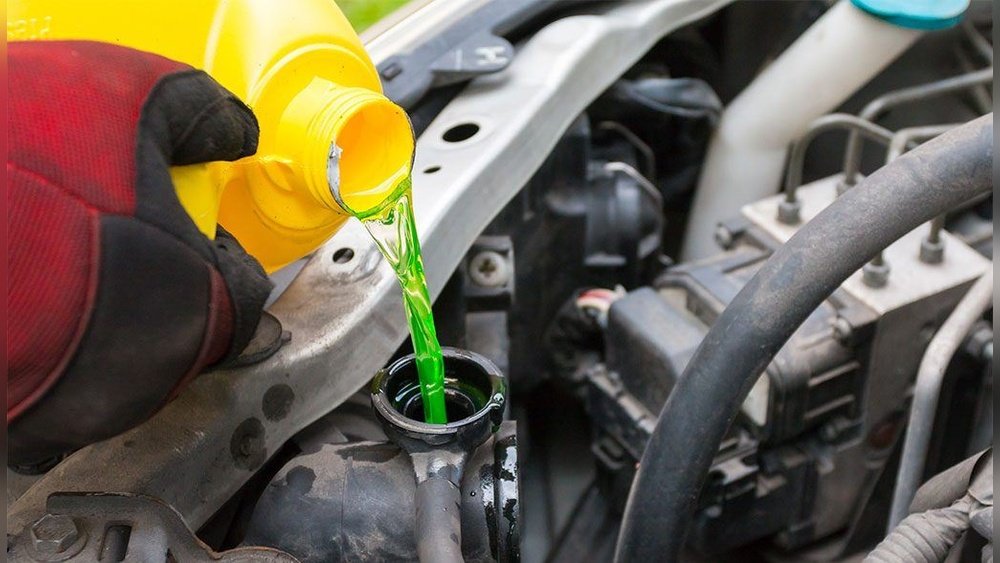
Do You Add Coolant to the Radiator Or the Reservoir: Expert Guide
Are you unsure whether to add coolant to your car’s radiator or the reservoir? It might seem like a small detail, but where you pour that coolant can make a big difference in keeping your engine running smoothly.
You want to avoid overheating, costly repairs, and unexpected breakdowns, right? You’ll discover the simple yet crucial answer to this common question. By the end, you’ll know exactly where and how to add coolant safely—helping you protect your car and drive with confidence.
Keep reading to find out what every car owner needs to know!
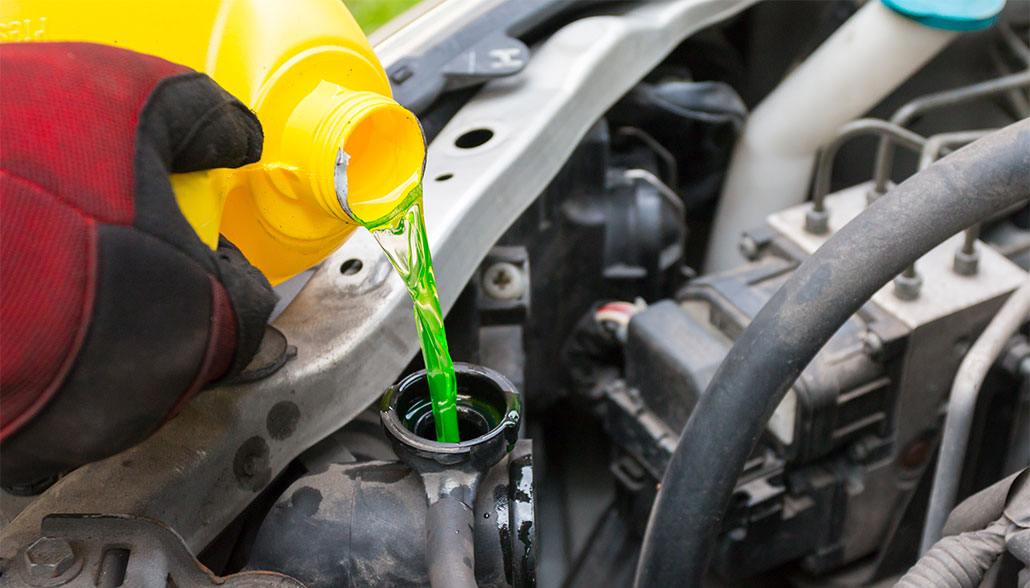
Credit: natrad.com.au
Radiator Vs Reservoir Functions
The radiator and reservoir serve different roles in a car’s cooling system. Understanding their functions helps you know where to add coolant. Both parts work together to keep the engine cool and prevent overheating. Knowing their jobs makes maintenance easier and safer.
Purpose Of The Radiator
The radiator cools the engine by removing heat from the coolant. Hot coolant flows through thin tubes inside the radiator. Air passes over the tubes and cools the liquid. The cooled coolant then returns to the engine. This process keeps the engine at a safe temperature.
Role Of The Reservoir
The reservoir stores extra coolant for the system. It holds coolant that expands when the engine heats up. When the engine cools, the coolant flows back into the radiator. The reservoir helps keep the coolant level steady. It also makes it easy to check and add coolant.
When To Add Coolant
Knowing when to add coolant is important to keep your car running well. Coolant stops the engine from getting too hot. It also protects parts from rust and freezing during cold weather. Adding coolant at the right time helps avoid costly repairs.
Coolant levels drop over time due to leaks or evaporation. Checking the coolant regularly can catch problems early. Look for signs that show the coolant needs topping up. Always take safety steps before opening the cooling system.
Signs Of Low Coolant
Watch the temperature gauge on your dashboard. If it moves into the red zone, coolant may be low. Steam or a sweet smell near the engine can signal a leak. The engine may overheat or run unevenly too. Check the coolant reservoir to see if the level is below the minimum mark.
Safety Precautions Before Adding
Never open the radiator cap when the engine is hot. Hot coolant can spray out and cause burns. Let the engine cool down completely first. Use gloves and eye protection to avoid spills. Add coolant slowly to avoid overflow and spills. Use the right type of coolant recommended for your car.
Adding Coolant To The Reservoir
Adding coolant to the reservoir is a common step in vehicle maintenance. The reservoir stores extra coolant and helps keep the engine cool. It is easier and safer to add coolant here than directly to the radiator.
The reservoir usually has markings that show the minimum and maximum levels. These marks help you add the right amount of coolant. Understanding how to fill the reservoir can save you time and prevent engine problems.
Steps To Fill The Reservoir
First, let the engine cool down completely. Opening the reservoir cap when hot can cause burns.
Locate the coolant reservoir under the hood. It is a translucent plastic tank.
Check the coolant level against the marks on the side of the tank.
If the level is below the minimum, slowly pour coolant into the reservoir. Stop at the maximum mark.
Use the correct type of coolant recommended by your vehicle’s manual.
Replace the reservoir cap securely after filling.
Advantages Of Using The Reservoir
The reservoir prevents spills and overflows during filling. It acts as a buffer for coolant expansion.
Coolant in the reservoir is easy to check and refill. No need to remove the radiator cap.
The reservoir helps maintain the right coolant level automatically. It feeds the radiator when needed.
Adding coolant here reduces the risk of injury from hot steam or fluid.
This method keeps the cooling system sealed and clean.

Credit: www.dummies.com
Adding Coolant Directly To The Radiator
Adding coolant directly to the radiator is a common task during car maintenance. It helps keep the engine cool and prevents overheating. Knowing when and how to fill the radiator properly protects your vehicle from damage. This method differs from topping off the coolant reservoir. Understanding these steps ensures safe and effective cooling system care.
When It’s Necessary
Adding coolant to the radiator is needed if the system is empty. Check if the radiator cap is cool and safe to remove. Look for leaks or damage in the cooling system. If the engine overheats, the radiator may need more coolant. This step often follows a complete coolant flush or repair.
Proper Procedure For Filling
Park the car on a flat surface and let the engine cool. Remove the radiator cap slowly to avoid hot steam. Use a 50/50 mix of coolant and distilled water. Pour the mixture into the radiator until full. Replace the cap tightly to keep the system sealed. Start the engine and watch the temperature gauge. Add more coolant if the level drops after running.
Common Mistakes And Tips
Adding coolant to your car might seem easy. Many make mistakes that cause problems later. Learning the right way saves time and money. Follow simple tips to avoid common errors. Keep your engine running smoothly and safely.
Avoiding Overfilling
Do not fill the radiator or reservoir too full. Overfilling causes pressure build-up and leaks. Check the fill line on the reservoir tank. Fill only to the recommended level. Leave space for coolant expansion when the engine heats up. Overfilling can damage hoses and seals.
Choosing The Right Coolant Type
Not all coolants work the same way. Use the type recommended in your car’s manual. Mixing different coolants can cause clogs and corrosion. Choose between organic acid technology (OAT) or inorganic types carefully. Use fresh coolant for the best performance. Old or wrong coolant reduces engine protection.

Credit: www.youtube.com
Frequently Asked Questions
Where Should I Add Coolant: Radiator Or Reservoir?
Coolant is usually added to the reservoir when the engine is cool. The radiator cap should only be opened when the engine is cold to avoid burns.
Can I Pour Coolant Directly Into The Radiator?
You can add coolant directly into the radiator only when the engine is cold. Pour slowly to avoid spills and check the level often.
What Happens If Coolant Goes Into The Wrong Place?
Adding coolant to the wrong place can cause engine overheating or leaks. Always follow your vehicle’s manual for the correct filling point.
How Often Should I Check Coolant Levels?
Check coolant levels every few weeks or before long trips. Low coolant can cause engine damage and poor performance.
Conclusion
Adding coolant to the right place keeps your car running smoothly. The reservoir is for topping off when levels drop. The radiator needs coolant only when the engine is cool and the system is open. Always check your car’s manual to be sure.
Regular checks help avoid engine overheating. Taking simple steps saves you from costly repairs. Keep your cooling system in good shape for safe driving. Clear, easy maintenance makes a big difference. Small care leads to a long-lasting engine.