Do You Have to Replace Rotors When Changing Brake Pads? Essential Guide
When you notice your brake pads wearing out, you might wonder if you also need to replace your rotors. It’s a common question that can save you time, money, and frustration.
You want your brakes to work safely and smoothly, but do you really have to change everything at once? Keep reading to find out when replacing rotors is necessary—and when it’s okay to keep them. Understanding this can help you make smarter decisions for your car and your wallet.
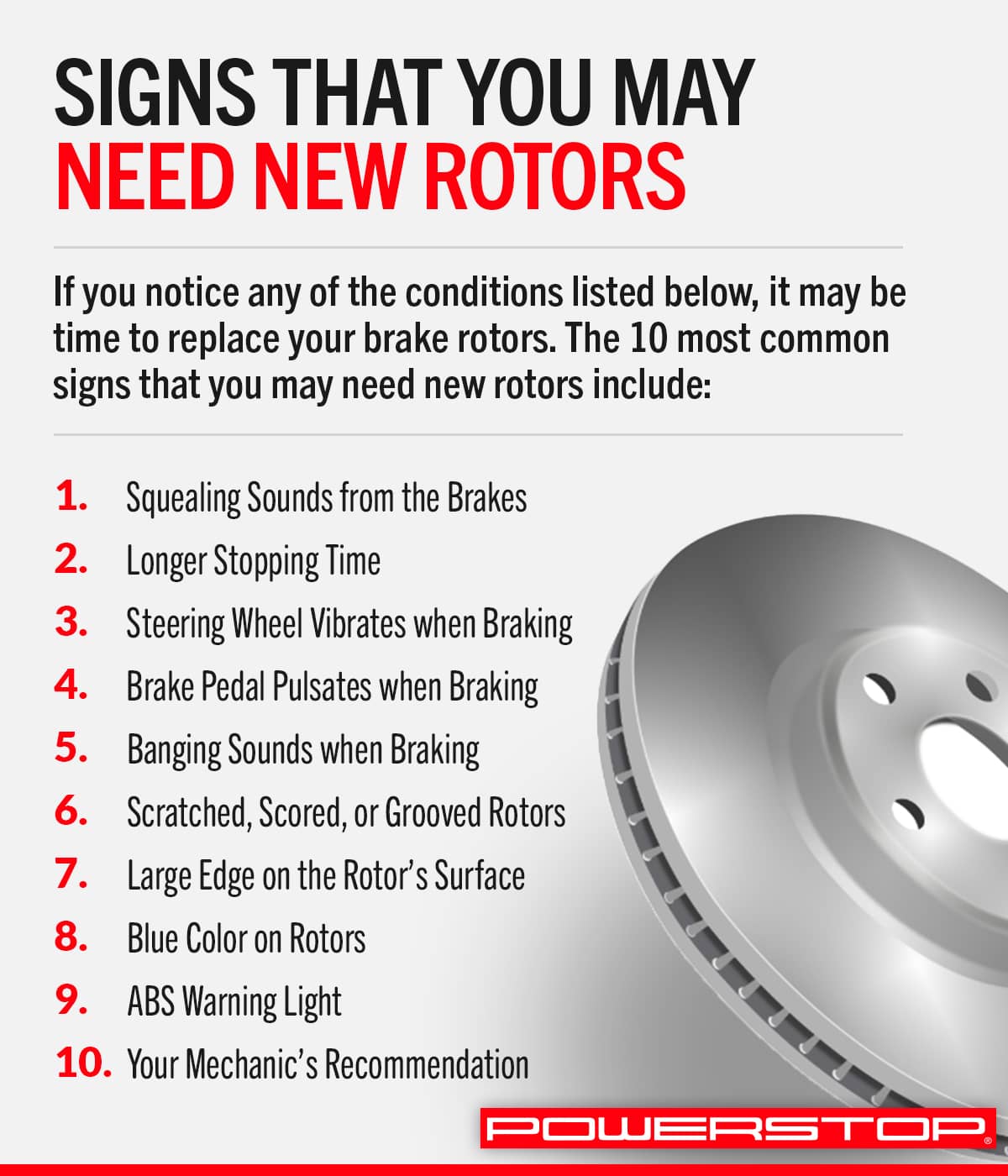
Credit: www.powerstop.com
When To Replace Rotors
Knowing when to replace rotors is key to safe and smooth braking. Rotors wear out over time and can affect how well your brakes work. Changing brake pads alone might not fix all problems if rotors are damaged. Look for clear signs and check rotor specs to decide if replacement is needed.
Signs Of Worn Rotors
Rotors show wear in several ways. You might hear squealing or grinding noises when braking. Feel for vibrations or pulsing in the brake pedal. Visual cracks, deep grooves, or rust patches on the rotor surface also mean replacement is due. These signs signal poor rotor condition.
Rotor Thickness And Specifications
Each rotor has a minimum thickness limit set by the manufacturer. Use a micrometer to measure rotor thickness. If it is below the limit, the rotor is unsafe and must be replaced. Thinner rotors heat up faster and can warp easily. Always follow the specs in your vehicle’s manual.
Impact Of Rotor Condition On Braking
Damaged rotors reduce braking power and increase stopping distance. Worn rotors cause uneven brake pad wear. This leads to less effective braking and can be dangerous. Good rotor condition ensures smooth, reliable stopping every time you press the brake.
Types Of Rotors
Brake rotors come in different types. Each type suits different driving needs and vehicle types. Knowing the types helps in choosing the right rotor when changing brake pads. The right choice improves safety and performance.
Standard Vs. Performance Rotors
Standard rotors are common in everyday cars. They provide reliable stopping power for regular driving. These rotors are made to last and work well with most brake pads.
Performance rotors are designed for sporty or heavy-duty vehicles. They offer better heat dissipation and reduce brake fade. These rotors often have special designs to boost braking in tough conditions.
Coated And Drilled Rotors
Coated rotors have a protective layer to stop rust. This coating keeps rotors looking new longer. It also helps with smoother braking and less noise.
Drilled rotors have holes that help cool the brakes faster. They improve water and dust removal during braking. These rotors are common in performance and racing cars but can wear faster.
Choosing The Right Rotor For Your Vehicle
Match the rotor type with your driving style and car model. Use standard rotors for daily commuting and light use. Pick performance or drilled rotors for aggressive driving or heavy loads.
Check your vehicle’s manual for recommended rotor types. Always consider rotor quality and compatibility with brake pads. Proper rotor choice ensures safe and smooth braking every time.
Brake Pads And Rotor Compatibility
Brake pads and rotors must work well together for safe braking. Choosing the right combination helps your vehicle stop smoothly. Mismatched parts can cause noise, poor braking, or faster wear. Understanding how pads fit with rotor material is key. This knowledge helps you decide if rotor replacement is necessary.
Matching Pads To Rotor Material
Brake pads come in different types: organic, semi-metallic, and ceramic. Each pad type works best with certain rotor materials. Cast iron rotors pair well with most pads for good performance. Some rotors have special coatings or alloys that need specific pads. Using the wrong pad can wear the rotor unevenly. Always check your vehicle’s recommendations before buying pads.
Effects Of Pad Wear On Rotors
Worn brake pads can damage rotors over time. Pads with hard particles may scratch or groove the rotor surface. This damage reduces braking efficiency and causes vibration. Thin pads can overheat rotors, leading to warping or cracking. Uneven pad wear creates uneven rotor wear, making noise and reducing safety. Inspect rotors during pad changes to catch problems early.
Credit: www.calibeys.com
When You Can Reuse Rotors
Rotors do not always need replacement when changing brake pads. Sometimes, rotors remain in good shape and can be reused. Knowing when rotors are reusable helps save money and effort. This section explains how to tell if rotors are fit for reuse.
Resurfacing And Machining Rotors
Resurfacing, also called machining, smooths the rotor surface. It removes small grooves and uneven spots. A thin layer of metal is shaved off to restore flatness. This process extends the rotor’s life and improves brake performance.
Machining is only possible if the rotor thickness stays above the minimum limit. This limit is set by the manufacturer. If the rotor becomes too thin, it can warp or crack easily.
Assessing Rotor Surface Condition
Check rotors for deep grooves, cracks, or rust. Light scratches are normal and can be fixed by resurfacing. Large damage means replacement is needed. Also, measure rotor thickness with a gauge. If below minimum, replace the rotor.
Look for signs of uneven wear or warping. This causes brake vibration and noise. Such rotors usually need replacement rather than resurfacing.
Cost Benefits Of Reusing Rotors
Reusing rotors saves money on parts. New rotors cost significantly more than machining old ones. Resurfacing costs less and takes less time. This lowers overall brake repair expenses.
Choosing to reuse rotors also reduces waste. It is a more eco-friendly option. It helps keep vehicle maintenance affordable and efficient.
Risks Of Not Replacing Rotors
Not replacing rotors when changing brake pads can lead to several problems. Rotors wear down over time, just like brake pads. Using new pads on old rotors may seem fine at first, but risks grow quickly. These risks affect your car’s performance and safety.
Brake Noise And Vibration
Old rotors can cause noise during braking. You may hear squealing or grinding sounds. Uneven rotor surfaces create vibrations in the brake pedal. These vibrations make driving uncomfortable and less smooth.
Reduced Braking Performance
Worn rotors reduce the grip between pads and rotors. This lowers braking power and increases stopping distance. The brakes may feel weak or spongy. Poor braking performance puts you in danger on the road.
Safety Concerns
Compromised rotors can lead to brake failure. Heat buildup causes rotor warping or cracking. This problem can cause loss of brake control. Safe driving requires reliable brakes. Neglecting rotor replacement risks your safety and others’.
Installation Tips
Proper installation is key when changing brake pads and rotors. Careful steps ensure safety and longer part life. Follow these tips to do the job right.
Cleaning And Preparing Rotors
Start by cleaning the rotors thoroughly. Use brake cleaner and a clean cloth. Remove all dust, grease, and rust. This helps the pads grip the rotors well. Avoid touching the rotor surface with bare hands.
Inspect the rotors for deep grooves or cracks. Replace if you find serious damage. Smooth rotors give better braking performance.
Proper Torque And Fitment
Use a torque wrench to tighten bolts correctly. Follow the manufacturer’s specs exactly. Over-tightening can warp rotors or damage parts.
Make sure the rotor fits snugly on the hub. Loose rotors cause vibrations and uneven wear. Check alignment before tightening all bolts.
Breaking In New Pads And Rotors
Break in the new pads and rotors carefully. Drive slowly and avoid hard stops for the first 200 miles. This helps the pads and rotors wear evenly.
Proper bedding improves braking power and reduces noise. Skip this step and you risk poor brake performance.
Cost Considerations
Cost plays a big role in deciding whether to replace rotors when changing brake pads. It affects your budget now and future expenses. Understanding different cost aspects helps you make a smart choice. Here are key points about cost considerations for rotors and brake pads.
Comparing Rotor Replacement Vs. Resurfacing
Replacing rotors costs more than resurfacing. New rotors can be two to three times pricier. Resurfacing means shaving off a thin layer to fix the surface. It costs less but only works if rotors are not too worn. Resurfacing extends rotor life but may reduce thickness. Thinner rotors can overheat faster. Choose replacement if rotors have deep grooves or cracks. Resurfacing is a budget-friendly option for minor wear.
Labor Costs And Time
Labor cost depends on the job’s complexity. Replacing rotors takes more time than resurfacing. More time means higher labor charges. Resurfacing usually adds less than an hour to work time. Replacing can take twice as long. Shops may charge a flat fee or hourly rate. Ask for a clear estimate before work starts. Labor cost varies by location and mechanic experience.
Long-term Maintenance Savings
New rotors can last longer than resurfaced ones. They reduce the chance of brake problems soon after. Less frequent repairs save money over time. Resurfaced rotors might need replacement sooner. Worn rotors can wear out brake pads faster. New rotors help pads last longer and work better. Spending more now may lower future maintenance costs. Think about long-term savings, not just the upfront price.

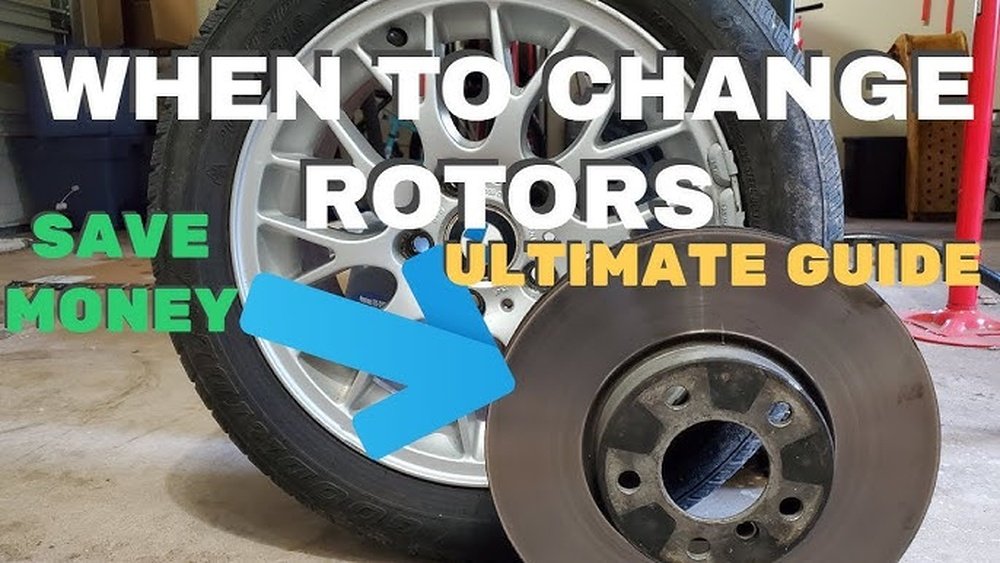
Credit: www.youtube.com
Frequently Asked Questions
Do I Always Need To Replace Rotors With Brake Pads?
No, you don’t always need to replace rotors. Inspect rotors for damage or wear. Replace if they are warped, scored, or below thickness specifications.
Can Worn Rotors Affect New Brake Pads?
Yes, worn rotors can cause uneven pad wear and noise. New pads on damaged rotors reduce braking efficiency and increase vibration.
How Do I Know If Rotors Need Replacement?
Check for visible grooves, cracks, or warping. If rotor thickness is below manufacturer’s minimum, replacement is necessary to ensure safety.
What Happens If I Don’t Replace Rotors With Pads?
Not replacing damaged rotors can lead to poor braking, increased noise, and faster pad wear. This compromises vehicle safety and performance.
Conclusion
Replacing rotors is not always needed when changing brake pads. Check the rotor’s condition first. Look for deep grooves, cracks, or uneven wear. If rotors are damaged, replacing them improves safety and brake performance. Smooth rotors help new pads last longer.
If rotors look good and measure within limits, you can reuse them. Proper brake care keeps your vehicle safe on the road. Always follow your car’s manual and ask a mechanic when unsure. Taking time to inspect rotors saves money and prevents bigger problems later.