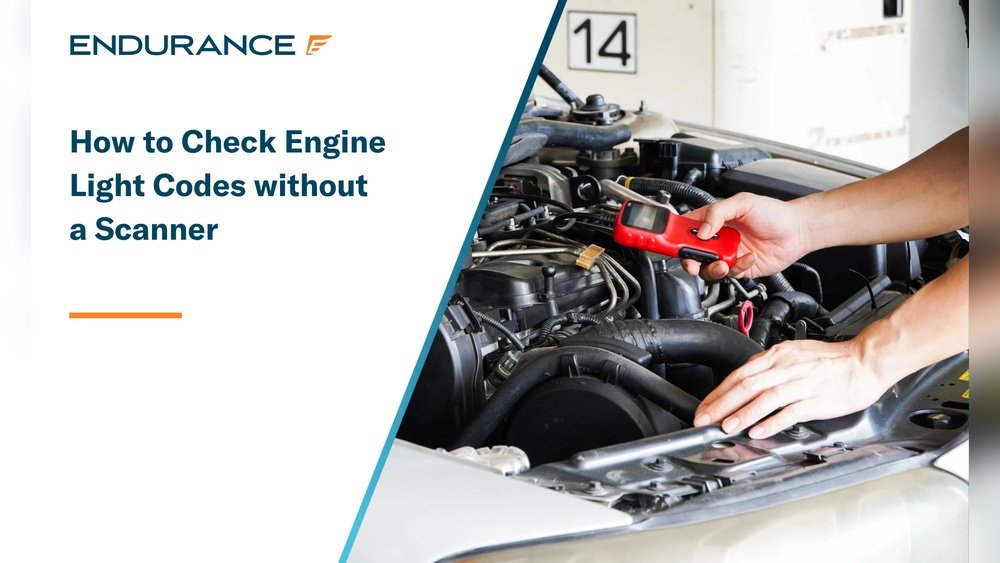
How to Check Engine Light Codes Without a Scanner Chevy: Easy DIY Guide
Your Chevy’s check engine light just came on, and you’re wondering what’s wrong. You don’t have a scanner, and taking it to a mechanic feels like an extra hassle and expense.
What if you could find out the problem yourself, right now, without any special tools? This article will show you simple, step-by-step ways to check your engine light codes without a scanner. By the end, you’ll feel confident spotting issues early and saving time and money.
Keep reading to unlock the secrets hidden behind that warning light!

Credit: www.youtube.com
Why Check Engine Light Codes Matter
Engine light codes show problems in your car’s system. Knowing these codes helps fix issues early. Chevy owners can read codes without a scanner using simple steps.
Understanding The Importance Of Check Engine Light Codes
The check engine light on a Chevy signals a problem in the vehicle’s system. It is not just a warning but a guide to what needs fixing. Ignoring these codes can lead to bigger issues and costly repairs later.
Knowing the codes helps you decide the next steps. It can save time and money by addressing problems early. These codes offer clues about the engine’s health and performance.
How Check Engine Light Codes Help Save Money
Check engine light codes point out exact issues. This stops guesswork and unnecessary repairs. Fixing problems early avoids damage that costs more to repair.
By understanding the codes, you can prevent major breakdowns. This keeps your Chevy running smoothly and safely. It also helps keep fuel efficiency at its best.
Safety Benefits Of Checking Engine Codes
Some engine problems can affect car safety. The check engine light codes warn about these risks. Addressing them quickly reduces the chance of accidents or breakdowns on the road.
Safety improves when the engine runs well. Checking codes regularly ensures your Chevy is safe for you and others.
Knowing When To Seek Professional Help
Some codes indicate simple fixes you can handle. Others mean a mechanic’s attention is needed. Understanding codes helps decide when to visit a professional.
This knowledge helps avoid unnecessary trips to the shop. It also ensures serious problems get the right care quickly.
Common Causes For Chevy Check Engine Light
The check engine light on your Chevy signals an issue. It can come on for many reasons. Knowing common causes helps you guess what might be wrong. This can save time and money before visiting a mechanic.
Here are some usual reasons why the check engine light turns on. Each cause can affect your car’s performance differently.
Bad Oxygen Sensor
The oxygen sensor checks the air and fuel mix. If it fails, the engine runs poorly. Gas mileage drops, and emissions rise. This causes the check engine light to activate.
Loose Or Damaged Gas Cap
A loose or broken gas cap lets fuel vapors escape. This triggers the check engine light. Tightening or replacing the cap often fixes the problem quickly.
Faulty Catalytic Converter
The catalytic converter cleans harmful gases from exhaust. When it fails, the engine struggles and pollution increases. The check engine light alerts you to this issue.
Mass Airflow Sensor Problems
The mass airflow sensor measures air entering the engine. If it malfunctions, the engine runs rough or stalls. The check engine light will come on as a warning.
Worn Spark Plugs Or Ignition Coils
Bad spark plugs or coils cause engine misfires. This leads to poor engine performance and fuel waste. The check engine light turns on to signal the trouble.
Tools Needed For Diy Code Checking
Basic tools help read engine light codes without a scanner on Chevy vehicles. A jumper wire and access to the vehicle’s diagnostic port are essential. These simple items allow easy DIY code checking at home.
Basic Tools For Reading Chevy Engine Codes
Checking engine codes without a scanner is possible with a few simple tools. These tools help you access and read the codes stored in your Chevy’s computer. They do not require advanced skills or expensive equipment.
You will need a jumper wire or a paperclip. This tool connects the terminals in the diagnostic connector. It allows the check engine light to flash the error codes.
Accessing The Diagnostic Connector
Locate the diagnostic connector under the dashboard. It usually has a plastic cover and a set of pins. You will use the jumper wire to connect specific pins to start the code reading process.
Having a flashlight helps to see the connector clearly. Some models may have the connector in a tight spot. Bright light makes the task easier and faster.
Counting The Check Engine Light Flashes
Prepare to count the flashes of the check engine light. Each flash corresponds to a number in the error code. A notebook or paper can help record the sequences.
Patience is key. The light flashes slow and in groups. Write down each sequence carefully for accurate code reading.
Credit: us.gooloo.com
Locating The Obd-ii Port On Your Chevy
Finding the OBD-II port on your Chevy is the first step in checking engine light codes without a scanner. This port lets you access the car’s computer system. It stores important information about engine problems. Knowing where the port is can save time and effort.
The OBD-II port is usually inside the vehicle. It is often located near the driver’s seat. This location helps you easily connect tools or even read codes by blinking lights. Each Chevy model has a similar spot for this port.
Common Locations Of The Obd-ii Port In Chevy Vehicles
Most Chevy cars have the OBD-II port under the dashboard. It is close to the steering column. Sometimes, the port is near the driver’s side fuse box. Look below the dashboard, just above the pedals. This area is dark but easy to reach.
How To Identify The Obd-ii Port
The OBD-II port is a small, rectangular connector. It has 16 pins inside. The shape is trapezoid and fits only one way. The port is usually black or dark gray. It may have a cover that you can flip open.
Tips For Accessing The Obd-ii Port Safely
Before checking the port, turn off the engine. Make sure the vehicle is in park. Avoid forcing any connectors into the port. Handle the area gently to prevent damage. Use a flashlight if the area is too dark.
Using The Key On-off Method To Read Codes
The Key On-Off Method lets you read engine codes without a scanner. This method uses your Chevy’s dashboard lights to show trouble codes. It works on many Chevy models built before 2000. You can save money and time by checking codes yourself. No special tools needed—just the key and your eyes.
Step-by-step Instructions
Start by turning the ignition key to the “On” position. Do not start the engine. Wait a few seconds for the dashboard lights to turn on.
Next, turn the key back to the “Off” position. Repeat this On-Off cycle three to five times quickly. End by leaving the key in the “On” position.
The “Check Engine” light will begin to flash. Count the flashes carefully. The flashes represent the trouble codes stored in your Chevy’s computer.
Interpreting The Flashing Codes
Flashes come in groups. Each group shows a two-digit code. The first set of flashes is the tens digit. The second set is the ones digit.
For example, three flashes, pause, then five flashes means code 35. A longer pause separates each code. Write down all codes shown.
Use your Chevy’s service manual to find the meaning of each code. These codes point to specific engine problems. Understanding them helps with repairs or telling a mechanic what’s wrong.
Manual Code Reading Without A Scanner
Manual code reading without a scanner is a simple way to find out what is wrong with your Chevy’s engine. This method uses the car’s check engine light to show error codes. You do not need any special tools or equipment. Just your car and some basic steps.
This method works on many Chevy models. It helps you understand the problem before going to a mechanic. It saves time and money by giving you clear information about the engine’s condition.
Using The Check Engine Light Flashes
First, turn the ignition key to the “On” position. Do not start the engine. Watch the check engine light on your dashboard. It will begin to flash in a pattern. These flashes are the error codes your car is giving you. The light will flash in groups of long and short blinks.
The flashes repeat several times. Pay close attention to the pattern. The long flashes show the first number of the code. The short flashes show the second number. This is how the car sends the trouble code without a scanner.
Counting And Decoding The Flashes
Count the long flashes first. Then count the short flashes. For example, three long flashes and two short flashes mean code 32. Write down the numbers as you count. Repeat the process to confirm the code.
After you get the code, check your Chevy’s service manual or a reliable online source. These resources explain what each code means. This helps you understand the issue and decide your next step.
Manual code reading is a helpful skill. It gives you quick insight into your car’s problems. Try this method before visiting a mechanic. It might save you time and money.
Common Chevy Diagnostic Trouble Codes
Understanding common diagnostic trouble codes (DTCs) helps with basic Chevy repairs. These codes point to problems in your vehicle’s systems. Knowing them saves time and money.
Each code starts with a letter followed by four numbers. The letter shows the system type, such as engine or transmission. The numbers identify the exact issue.
P0300 – Random/multiple Cylinder Misfire Detected
This code means the engine misfires in several cylinders. It causes rough running and poor fuel economy. Common causes include bad spark plugs or fuel issues.
P0420 – Catalyst System Efficiency Below Threshold
Code P0420 points to a problem with the catalytic converter. It may not clean exhaust gases properly. This code often appears after an oxygen sensor check.
P0171 – System Too Lean (bank 1)
This code shows the engine runs with too much air and not enough fuel. It can cause poor acceleration and stalling. Vacuum leaks or dirty fuel injectors often cause it.
P0442 – Evaporative Emission Control System Leak Detected (small Leak)
Code P0442 means a small leak in the fuel system’s vapor control. It might be a loose gas cap or cracked hose. Fixing it helps reduce pollution.
P0128 – Coolant Thermostat Temperature Below Regulating Temperature
This code indicates the engine is not reaching the right temperature. It may cause poor heater performance and higher fuel use. A stuck thermostat is a common reason.
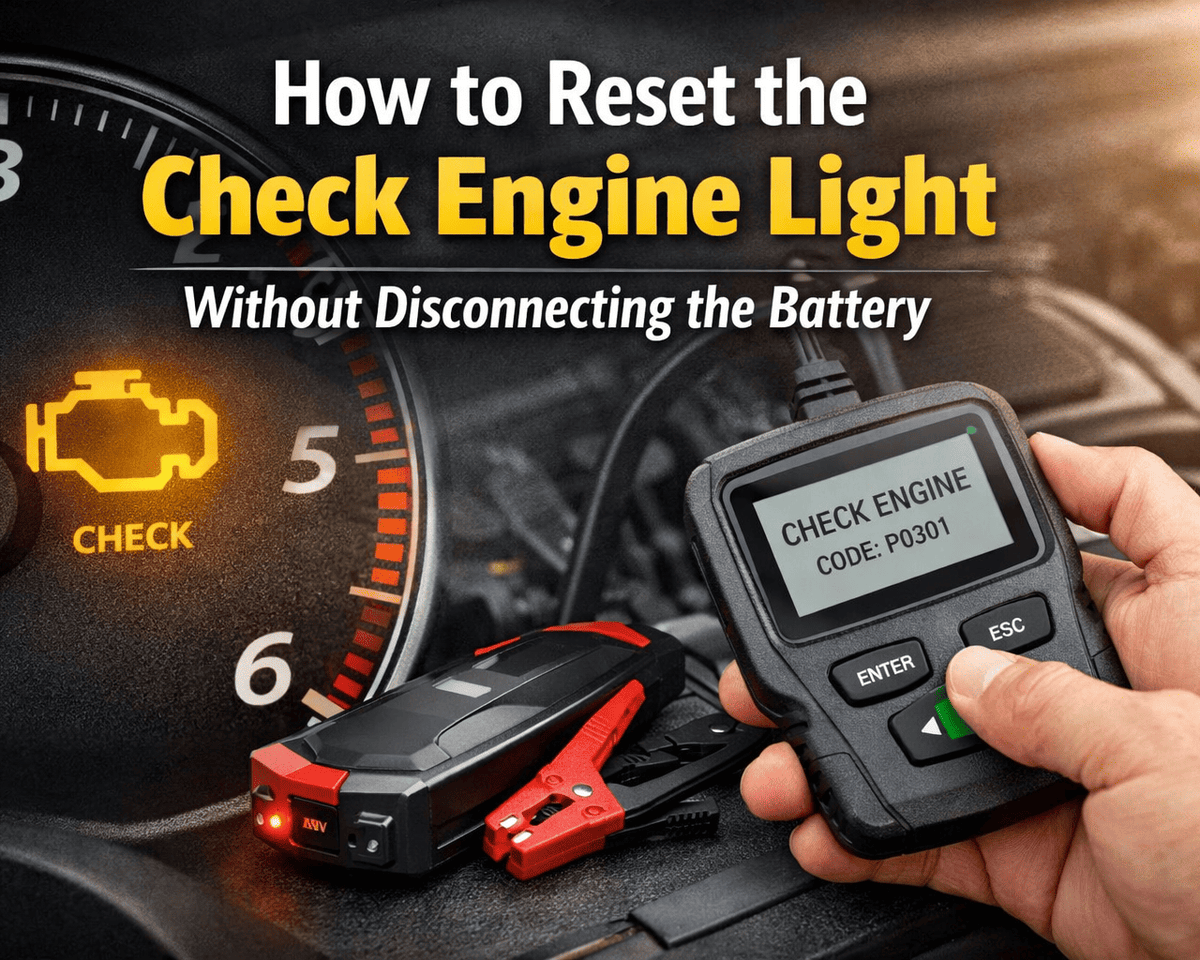
Resetting The Check Engine Light Manually
Resetting the check engine light manually can help clear minor issues without a scanner. This process is useful if the problem has been fixed or if the light came on by mistake. It is important to understand that resetting the light does not fix the problem. It only clears the warning from the dashboard.
There are simple ways to reset the check engine light on a Chevy. These methods do not require special tools and can be done at home. Two common ways are disconnecting the battery and using the key on-off sequence.
Battery Disconnect Method
Start by turning off the engine and opening the hood. Find the negative terminal on the battery. Use a wrench to disconnect the negative cable. Wait for about 15 minutes. This allows the car’s system to reset. Reconnect the negative cable securely. Close the hood and start the engine. The check engine light should be off if the reset worked.
Note: Disconnecting the battery may reset other settings like radio presets and clock. Be prepared to set them again after this process.
Using Key On-off Sequence
This method involves a sequence using the ignition key. Insert the key into the ignition. Turn the key to the “On” position without starting the engine. Hold the key in “On” for about 10 seconds. Turn the key back to “Off.” Repeat this on-off cycle three times. After the last cycle, start the engine. The check engine light should turn off if the car’s system resets properly.
This method works on some Chevy models and is simple to try. It does not affect other settings in the car. If the light stays on, the issue may need a scan tool or professional help.
When To Consult A Professional Mechanic
Knowing when to consult a professional mechanic is important. Some engine problems need expert care. Trying to fix complex issues alone may cause more damage. A mechanic has the right tools and knowledge to diagnose and fix your Chevy.
Simple issues like a loose gas cap can be checked at home. But serious problems show warning signs. Ignoring these signs might lead to costly repairs or unsafe driving.
Persistent Or Unusual Engine Light Behavior
If the engine light stays on or flashes repeatedly, see a mechanic. Flashing often means a serious engine misfire. This can harm the catalytic converter or other parts. A mechanic can find the exact cause and fix it safely.
Strange Noises Or Smells From The Engine
Strange noises like knocking or grinding are warning signs. A burning smell or fuel odor also signals trouble. These signs mean parts may be failing or leaking. A professional can check and repair these issues properly.
Vehicle Performance Problems
Loss of power, rough idling, or stalling are signs to visit a shop. These problems affect your car’s safety and reliability. A mechanic can test engine components and ensure your Chevy runs well again.
Repeated Engine Light Resets Without Fixing The Problem
Resetting the engine light without fixing the issue is risky. The light may come back on quickly. This means the problem still exists. A mechanic can diagnose hidden faults and provide a long-term fix.

Credit: www.youtube.com
Tips To Prevent Future Check Engine Issues
Preventing check engine light problems saves time and money. Simple care helps keep your Chevy running well. Small steps stop big issues before they start.
Understanding basic maintenance protects your engine. Watch for warning signs early. Regular checks help avoid costly repairs.
Keep Your Gas Cap Tight
A loose gas cap can trigger the check engine light. Always tighten the cap after filling gas. Check it often for cracks or damage. Replace it if needed to keep fuel sealed.
Change Engine Oil Regularly
Clean oil keeps your engine parts moving smoothly. Follow your owner’s manual for oil change intervals. Use the right oil type for your Chevy. Dirty oil can cause engine trouble and light warnings.
Inspect Air Filter Often
A clogged air filter reduces engine performance. Check it every few months, especially in dusty areas. Replace the air filter if it looks dirty. This helps your engine breathe and run better.
Use Quality Fuel
Low-quality fuel can cause engine problems. Choose fuel from trusted stations. Avoid filling up where fuel quality is uncertain. Good fuel keeps your engine clean and efficient.
Watch Engine Temperature
Overheating harms engine parts and triggers alerts. Keep an eye on the temperature gauge. Stop the car if it gets too hot. Check coolant levels and system leaks regularly.
Check Spark Plugs Periodically
Worn spark plugs cause misfires and engine issues. Replace them as recommended by your Chevy’s guide. Good plugs improve fuel economy and reduce engine faults.
Frequently Asked Questions
How Can I Read Chevy Engine Codes Without A Scanner?
You can read Chevy engine codes by using the ignition key method. Turn the key on and off three times, then leave it on. The check engine light will flash codes that you can count to identify issues.
What Do The Flashing Check Engine Light Codes Mean?
Flashing codes represent specific diagnostic trouble codes (DTCs). Each flash sequence corresponds to a number. Combine the flashes to decode the engine problem based on Chevy’s code chart.
Can I Reset The Check Engine Light Without A Scanner?
Yes, you can reset the check engine light by disconnecting the battery for about 15 minutes. This resets the vehicle’s computer and clears stored codes temporarily.
Is It Accurate To Diagnose Chevy Issues Without A Scanner?
Reading codes manually gives basic insight but may miss detailed info. A scanner provides more precise and comprehensive diagnostics for better repair decisions.
Conclusion
Checking your Chevy’s engine light codes without a scanner is easier than you think. Use the flashing light method to read codes quickly. Write down the numbers and look up their meanings online. This helps you understand what your car needs before visiting a mechanic.
Regular checks can save time and money. Keep your Chevy running smoothly by catching issues early. Simple steps like these make car care less stressful. Try this method next time your check engine light comes on.