
Do You Need to Do an Alignment After Replacing Tires? Find Out!
You just invested in new tires, and your car feels fresh and ready to hit the road. But before you drive off, you might be wondering—do you really need to get an alignment after replacing your tires?
It’s a common question, and the answer isn’t always straightforward. Skipping an alignment could cost you more in the long run, while unnecessary alignments might drain your wallet. You’ll discover exactly when an alignment is a must, when it’s safe to skip, and how to protect your new tires and your wallet.
Keep reading to make sure you get the most out of your new tires and avoid costly mistakes.
Credit: www.fordfranklin.com
When To Get An Alignment
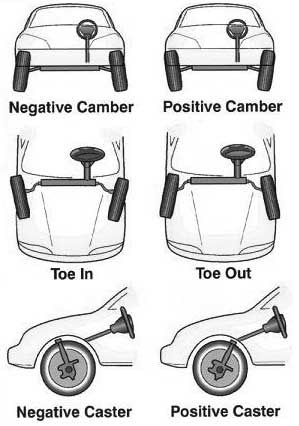
Knowing when to get an alignment after replacing tires helps protect your investment. Alignments adjust your wheels to the correct angles. This keeps your car driving straight and your tires wearing evenly. Not every tire change requires an alignment. Certain signs show when an alignment is necessary. Watch for these to save money and extend tire life.
Signs Of Suspension Misalignment
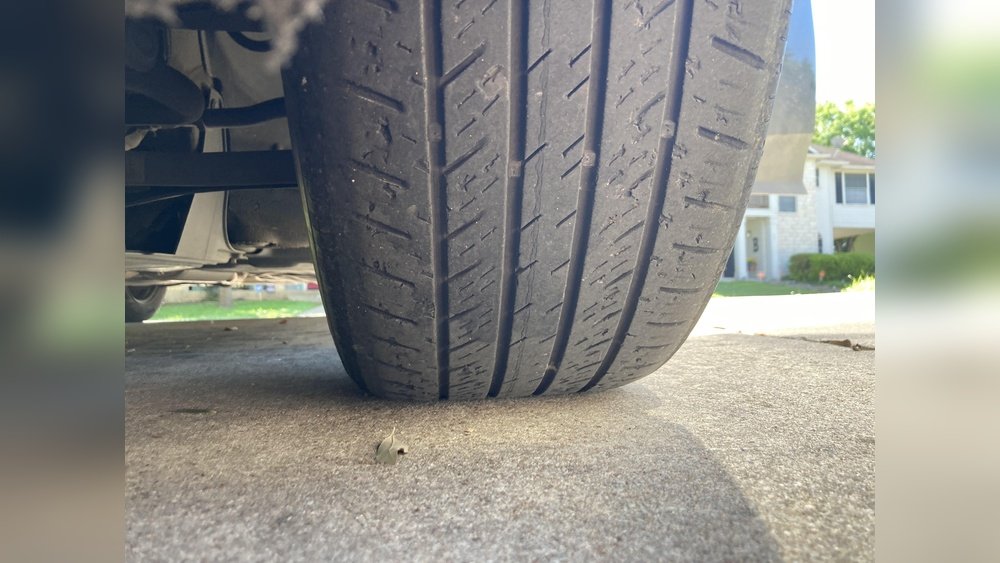
Uneven tire wear often points to suspension misalignment. Look for tires worn more on one edge than the other. This wear pattern means your wheels are not angled correctly. Suspension problems like worn bushings or damaged parts can cause this. New tires on a misaligned suspension will wear out fast. Getting an alignment fixes this issue early.
Handling And Steering Issues
Your car’s handling can tell you if an alignment is needed. If the car pulls to one side while driving straight, it is a warning sign. A crooked steering wheel when driving straight also indicates misalignment. Feelings of vibration or shaking in the steering wheel matter too. These problems can make driving unsafe and cause fast tire wear.
When You Can Skip Alignment
Knowing the best time to get an alignment after replacing tires helps maintain your vehicle’s safety. Proper timing ensures even tire wear and smooth driving. This section covers key tips on when to schedule your alignment.
Before Or After New Tires?
Getting an alignment before installing new tires checks if your suspension is properly set. This prevents uneven tire wear from the start. Aligning after putting on new tires is also common. It ensures your vehicle drives straight and handles well. Many mechanics suggest alignment right after mounting new tires for best results.
How Long To Wait For Alignment
Do not delay alignment too long after new tires are installed. Waiting more than a few hundred miles risks uneven wear. Aim to have alignment done within 100 to 200 miles of driving. This timing keeps tires in good shape and saves you money. If you notice pulling or vibrations sooner, get the alignment checked immediately.
Risks Of Skipping Alignment
Choosing the right service after replacing tires is crucial for your vehicle’s safety and performance. Proper alignment ensures even tire wear and smooth handling. Selecting a reliable service prevents future problems and saves money.
Not all shops offer the same quality. Some follow strict guidelines, while others may cut corners. Knowing what to look for helps you make the best decision for your car.
Manufacturer Recommendations
Always check your vehicle’s manual for alignment advice. Manufacturers provide specific instructions for tire replacement and alignment needs. These guidelines help maintain warranty coverage and vehicle safety.
Following these recommendations ensures your car performs as designed. Ignoring them can lead to uneven tire wear and poor handling. Trust the manufacturer’s advice to protect your investment.
Finding Trusted Shops
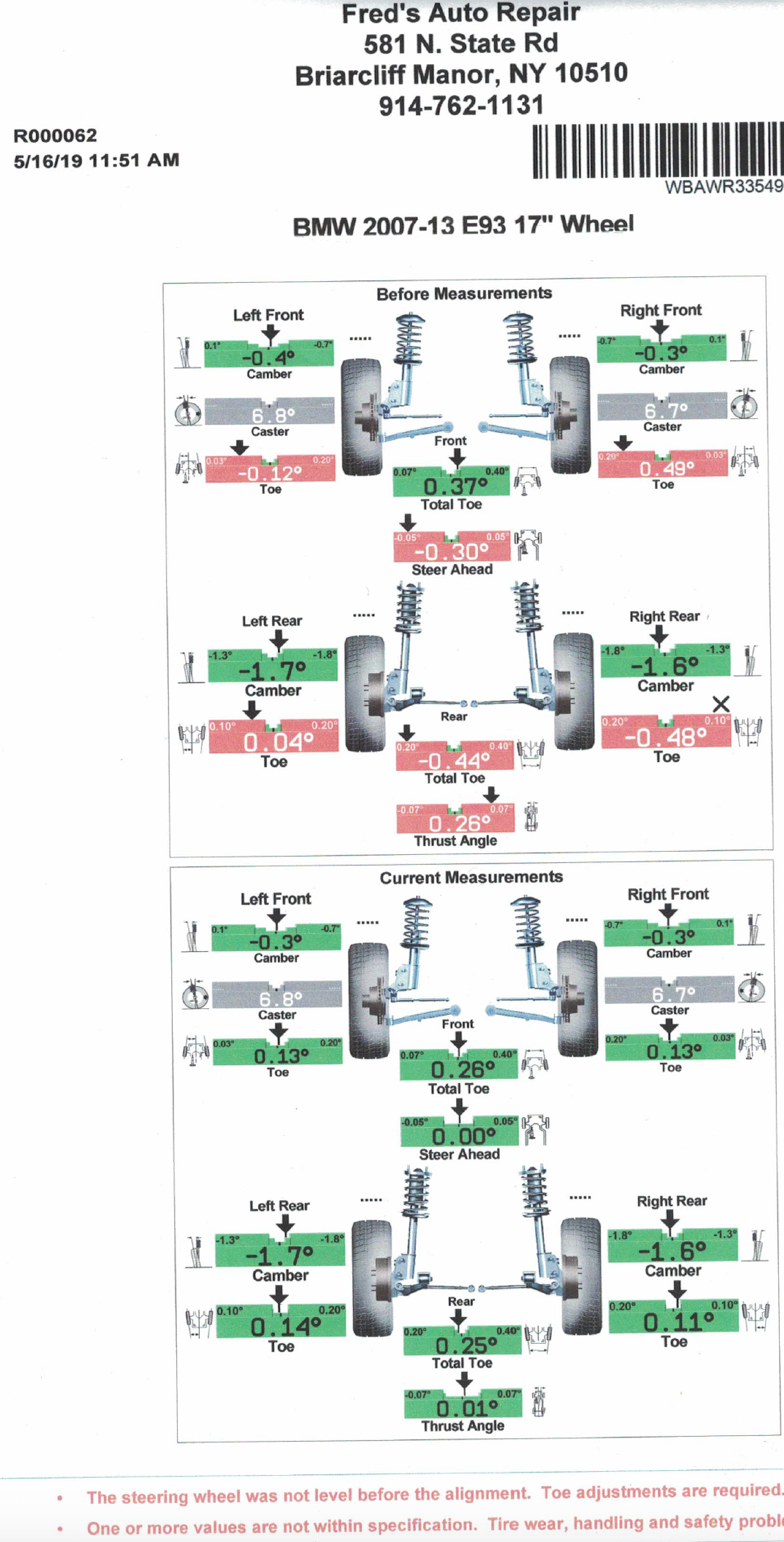
Look for shops with certified technicians and good customer reviews. A trusted shop uses modern alignment equipment to deliver accurate results. They will inspect your suspension and steering parts before aligning.
Ask about their alignment process and guarantees. Quality shops explain the work clearly and answer all your questions. Avoid places that rush or offer low prices without proper inspection.

Credit: www.reddit.com
Credit: fredsautorepair.com
Frequently Asked Questions
What Happens If I Don’t Get An Alignment After New Tires?
Skipping an alignment after new tires may cause uneven tire wear, poor handling, and reduced tire lifespan. Check alignment if steering pulls or vibrations occur.
How Long Can I Drive On New Tires Before Alignment?
Drive up to 500 miles on new tires before alignment if your car tracks straight and tires wear evenly. Check sooner if you notice pulling or uneven wear.
Is $100 A Lot For An Alignment?
$100 for an alignment is reasonable and average in the US. Prices vary by location and vehicle type.
Is It Better To Get New Tires Before An Alignment Or After?
Get an alignment after installing new tires if your car pulls, steering wheel is crooked, or old tires showed uneven wear.
Conclusion
New tires do not always require an alignment. Check your vehicle’s handling first. Uneven wear or pulling means you need one. Smooth driving with even wear means you can skip it. Proper alignment extends tire life and improves safety. Always follow your car maker’s recommendations.
Taking care of alignment saves money and stress later. Keep your drive smooth and your tires lasting longer.