How Much Transmission Fluid Do I Need for a Change: Essential Guide
Wondering how much transmission fluid you need for a change? Getting this right is crucial to keeping your vehicle running smoothly and avoiding costly repairs.
Too little fluid can cause shifting problems, while too much can lead to leaks and other issues. You’ll discover simple ways to find the exact amount your car requires, whether you’re doing a quick drain and fill or a full flush.
Keep reading to learn easy tips that save you time and money—and help you take care of your transmission like a pro.

Credit: www.youtube.com
Fluid Capacity Basics
Transmission fluid needs vary by vehicle model and type. Check your owner’s manual for the exact amount required. Measuring the old fluid drained helps ensure you add the right quantity during a change.
Understanding Transmission Fluid Capacity
Transmission fluid capacity varies widely by vehicle make and model. Knowing the correct amount helps avoid overfilling or running low. Both situations can harm your transmission’s performance and lifespan.
Most vehicles hold between 4 to 12 quarts of transmission fluid. The exact capacity depends on the transmission type and size. Automatic transmissions usually need more fluid than manual ones.
Why Fluid Capacity Matters
Using the right fluid amount ensures smooth gear shifts and proper cooling. Too little fluid causes slipping and overheating. Too much fluid can create pressure and leaks.
Proper fluid levels keep internal parts lubricated. This prevents wear and reduces the chance of costly repairs. Accurate fluid capacity knowledge can save you money and time.
How To Find Your Vehicle’s Fluid Capacity
Check the owner’s manual for exact fluid capacity and recommended fluid type. The manual provides the most reliable information for your specific vehicle. You can also consult online databases or auto parts stores.
Measuring the drained fluid helps estimate how much to add back. Use a clean container to catch the old fluid. Refill the transmission with the same amount, then check the dipstick to adjust the level.
Finding Your Vehicle’s Fluid Requirements
Finding the right amount of transmission fluid for your vehicle is essential. Too little fluid can cause damage, and too much can lead to leaks and poor performance. Each vehicle has specific requirements for fluid type and quantity.
Knowing your vehicle’s fluid needs starts with the owner’s manual. It provides exact fluid capacity and the recommended type. This information ensures you use the right amount and kind of fluid to keep your transmission running smoothly.
Check The Owner’s Manual
The owner’s manual is the best place to find fluid requirements. It lists the transmission fluid capacity in quarts or liters. It also specifies the exact type of fluid recommended by the manufacturer.
Using the wrong type can lead to transmission problems or even failure. Follow the manual’s guidance to avoid costly repairs and maintain vehicle performance.
Measure The Fluid You Drain
Measuring the fluid you drain during a change helps estimate how much to add. Collect the old fluid in a clean container. Note the amount carefully.
Refill the transmission with the same amount. Then, check the dipstick to adjust the level as needed. This method helps prevent overfilling and underfilling.
Use Trusted Online Resources
Online guides and databases offer fluid capacity information for many vehicles. Sites like the AMSOIL Product Guide provide reliable estimates. Local auto parts stores can also help you find the right fluid amount.
These resources are useful if you don’t have access to the owner’s manual. They help ensure you use the correct fluid volume for your specific make and model.
Measuring And Refilling Tips
Measuring and refilling transmission fluid requires care and precision. Proper fluid levels keep your transmission healthy and running smoothly. Too much or too little fluid can cause problems. Follow simple steps to measure and refill fluid accurately. Use the right tools and take your time.
Use The Right Tools For Measuring
Start with a clean catch pan to collect old fluid. Use a measuring cup with clear marks. This helps track the exact amount drained. Avoid guessing the fluid amount. Accurate measuring prevents overfilling or underfilling.
Check Fluid Level With The Dipstick
After refilling, start the engine. Let it run for a few minutes to warm up the fluid. Keep the car on a level surface. Pull out the dipstick and wipe it clean. Reinsert the dipstick fully, then remove again to check the level. Add fluid slowly if needed.
Refill In Small Increments
Pour transmission fluid gradually. Add a little at a time, then check the level. Small increments reduce the risk of overfilling. Stop adding fluid once it reaches the recommended mark on the dipstick.
Use The Correct Fluid Type
Refer to your owner’s manual for the right fluid type. Using the wrong fluid can damage your transmission. Choose fluid designed for your vehicle’s make and model. This ensures optimal performance and longevity.
Credit: www.autotechiq.com
Transmission Fluid Change Methods
Changing transmission fluid helps keep your car running smoothly. There are different ways to do it, each with its own benefits and fluid needs. Understanding these methods helps you know how much fluid to prepare.
Choosing the right method depends on your vehicle and how much fluid it holds. Some methods replace all the old fluid, while others only change part of it.
Drain And Fill Method
This is the simplest and most common way to change transmission fluid. You drain the old fluid from the transmission pan, then add new fluid back in. This method usually uses less fluid, about 3 to 5 quarts.
It does not remove all the old fluid. Some fluid stays inside the transmission. This method is quick and easy for regular maintenance.
Transmission Flush
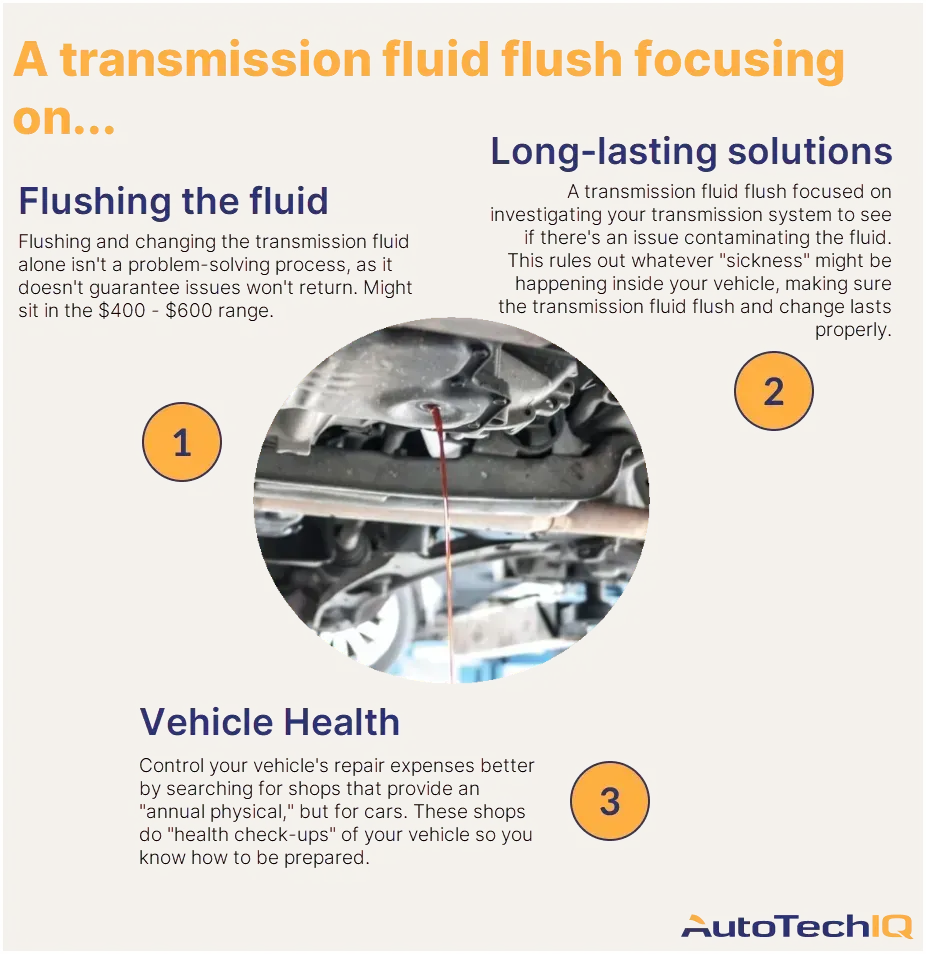
A transmission flush removes almost all old fluid. A machine pumps new fluid through the system while pushing out the old fluid. This method requires more fluid, often 8 to 12 quarts.
Flushing cleans the transmission more deeply. It is better for very dirty or old fluid but takes more time and fluid.
Filter And Pan Replacement
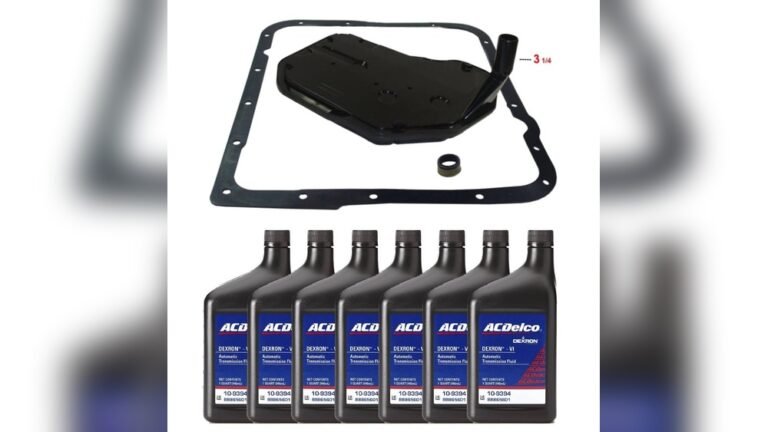
This method includes draining the fluid, replacing the transmission filter, and installing a new pan gasket. It removes more old fluid than the simple drain and fill.
You need extra fluid for refilling, usually 5 to 7 quarts. Replacing the filter helps keep the fluid clean longer.
Signs You Need A Fluid Change
Transmission fluid keeps your vehicle running smoothly. It lubricates and cools the transmission parts. Over time, this fluid breaks down and loses its effectiveness. Changing the fluid at the right time prevents damage and costly repairs.
Knowing the signs of worn transmission fluid helps you act quickly. Watch for changes in how your vehicle drives. Catching these early can save your transmission.
Unusual Transmission Noises
Grinding or whining sounds when shifting gears can signal old fluid. Fresh fluid helps gears move quietly. Strange noises mean the fluid may not be doing its job.
Delayed Or Rough Shifting
Hard shifts or delays between gears often point to dirty fluid. Clean fluid ensures smooth gear changes. If shifts feel jerky, consider a fluid change soon.
Transmission Overheating
Overheating can happen if the fluid is low or old. Hot transmission fluid cannot cool parts effectively. This causes heat buildup and potential damage.
Fluid Color And Smell
Healthy transmission fluid is bright red and clear. Dark, brown, or burnt-smelling fluid shows it needs changing. Check the fluid with the dipstick regularly.
Fluid Leaks
Leaks under your vehicle may reduce transmission fluid levels. Low fluid causes poor performance and overheating. Spot leaks early to avoid transmission problems.
Credit: www.autotechiq.com
Frequently Asked Questions
What Transmission Fluid For 4l80e?
Use Dexron VI or Dexron III automatic transmission fluid (ATF) for the 4L80E transmission. Always check your vehicle’s manual for exact specifications.
What Kind Of Transmission Fluid Does A Allison 4500 Take?
The Allison 4500 transmission requires Allison TES-295 or TES-389 fluid. Use only approved fluids for optimal performance.
How Much Transmission Fluid Does A 2001 Lexus Ls430 Take?
A 2001 Lexus LS430 requires approximately 9. 5 to 10 quarts of transmission fluid for a complete change. Always check the owner’s manual for precise specifications.
What’s The Average Cost To Have Your Transmission Fluid Changed?
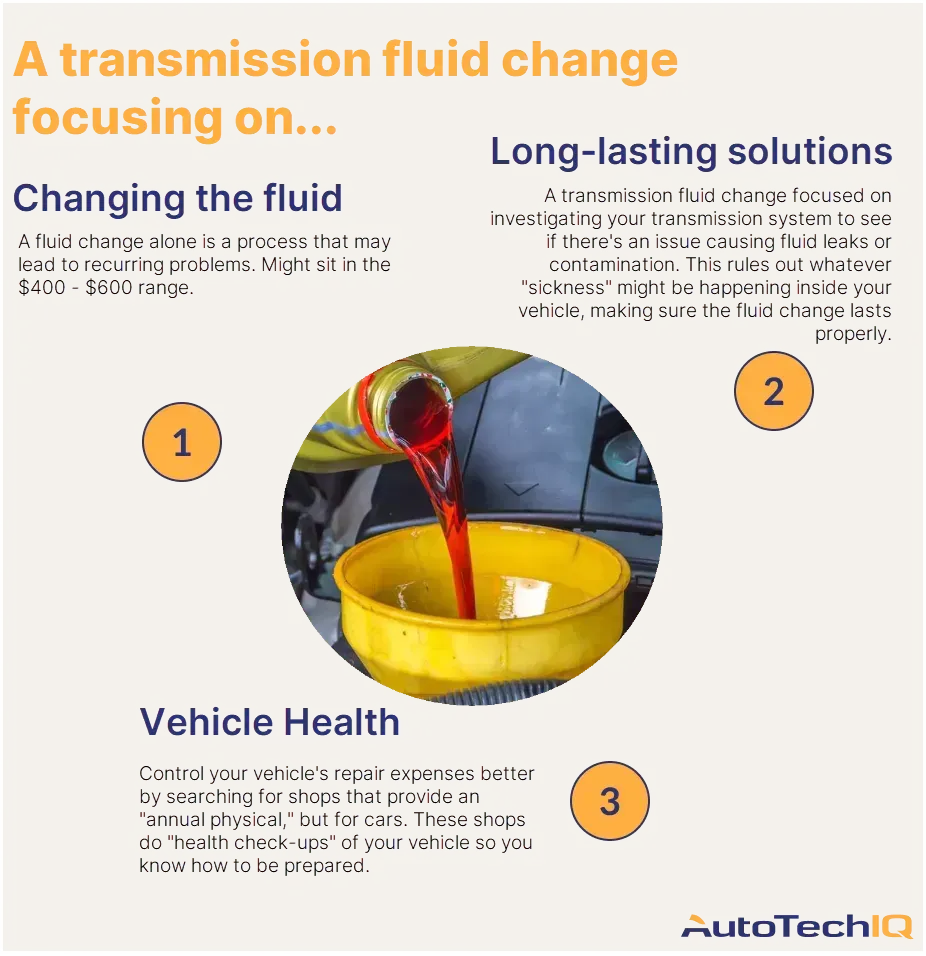
The average cost to change transmission fluid ranges from $80 to $250. Prices vary by vehicle type and service location.
How Much Transmission Fluid Does A Typical Car Need?
Most cars need between 4 to 12 quarts of transmission fluid. Check your owner’s manual for the exact amount. Using the right amount ensures smooth shifting and prevents damage.
Conclusion
Knowing how much transmission fluid your vehicle needs saves time and money. Always check your owner’s manual for the exact amount and type. Measure the fluid you drain to refill accurately and avoid overfilling. Use trusted guides or ask experts when unsure.
Changing transmission fluid regularly keeps your car running smoothly. Stay safe and confident with this simple maintenance step.