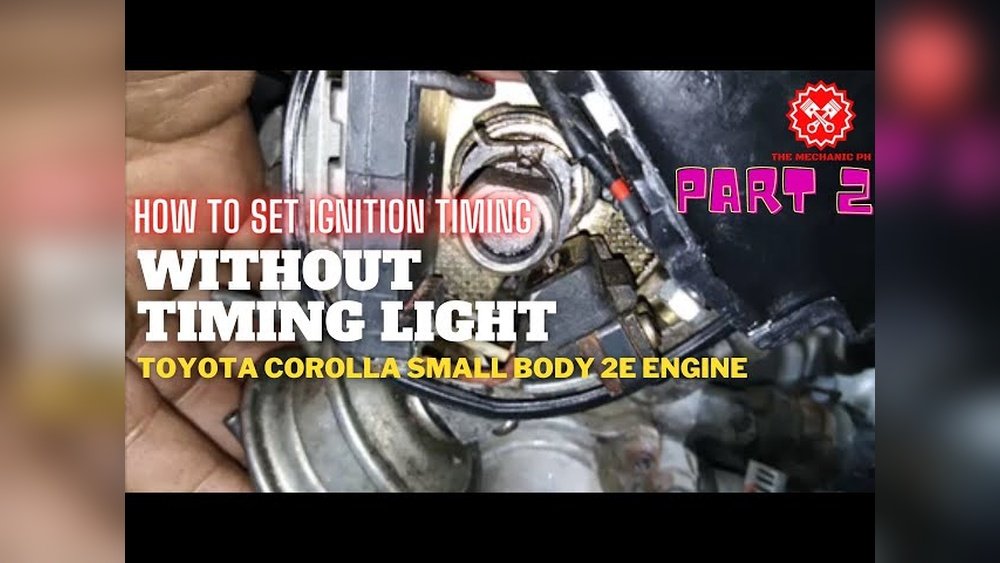
How to Set Distributor Timing Without Timing Light: Easy & Accurate Guide
Wondering how to set your distributor timing without a timing light? You’re not alone.
Timing lights can be expensive or simply unavailable when you need them most. But don’t worry—there’s a way to get your engine’s timing right using simple tools and a bit of know-how. In this guide, you’ll learn easy, step-by-step methods to set your distributor timing accurately without relying on a timing light.
Whether you’re tuning an older car or just want to save money, these proven techniques will help you get your engine running smoothly and efficiently. Keep reading to discover how you can take control of your engine’s timing today.
Locate Top Dead Center
Locating Top Dead Center (TDC) is the first crucial step in setting distributor timing without a timing light. TDC refers to the position of the piston in the cylinder when it reaches the highest point of its travel. Correctly finding TDC ensures the spark happens at the right moment for efficient engine operation.
Without a timing light, you can still find TDC by using simple tools and careful observation. This process involves identifying physical timing marks on the engine and using methods like the spark plug technique to confirm piston position. Follow these steps carefully to prepare for distributor adjustment.
Identify Timing Marks On Balancer
The timing marks on the harmonic balancer or crankshaft pulley help locate TDC. Look for engraved lines or notches on the balancer’s outer edge. Near these marks, the timing tab on the engine block points to degrees before and after TDC.
Rotate the engine by hand using a wrench on the crankshaft bolt. Turn it slowly until the balancer’s TDC mark aligns with the timing tab. This alignment shows the piston is at its highest point. Use a flashlight if necessary to see the marks clearly.
Find Tdc Using Spark Plug Method
This method involves removing the number one cylinder spark plug. With the spark plug out, place a long, thin object like a screwdriver into the spark plug hole. Gently move the piston upward by turning the crankshaft by hand.
Watch the screwdriver’s movement carefully. When it reaches the highest point and starts to move down, the piston is at TDC. Mark the balancer position at this point for reference. This method confirms the piston’s position without special tools.
Set Static Timing
Setting static timing helps start the engine without a timing light. It sets the distributor so the spark fires at the right moment. This method uses the engine’s parts to find the correct position.
Static timing is the first step before fine-tuning the engine’s timing. It ensures the engine can run smoothly. Follow simple steps to adjust the distributor properly.
Loosen Distributor Hold-down Bolt
First, locate the distributor hold-down bolt on the engine. Loosen it just enough to move the distributor. The distributor should turn with some resistance but not be too loose. This allows you to adjust timing by rotating the distributor housing.
Align Rotor And Timing Marks
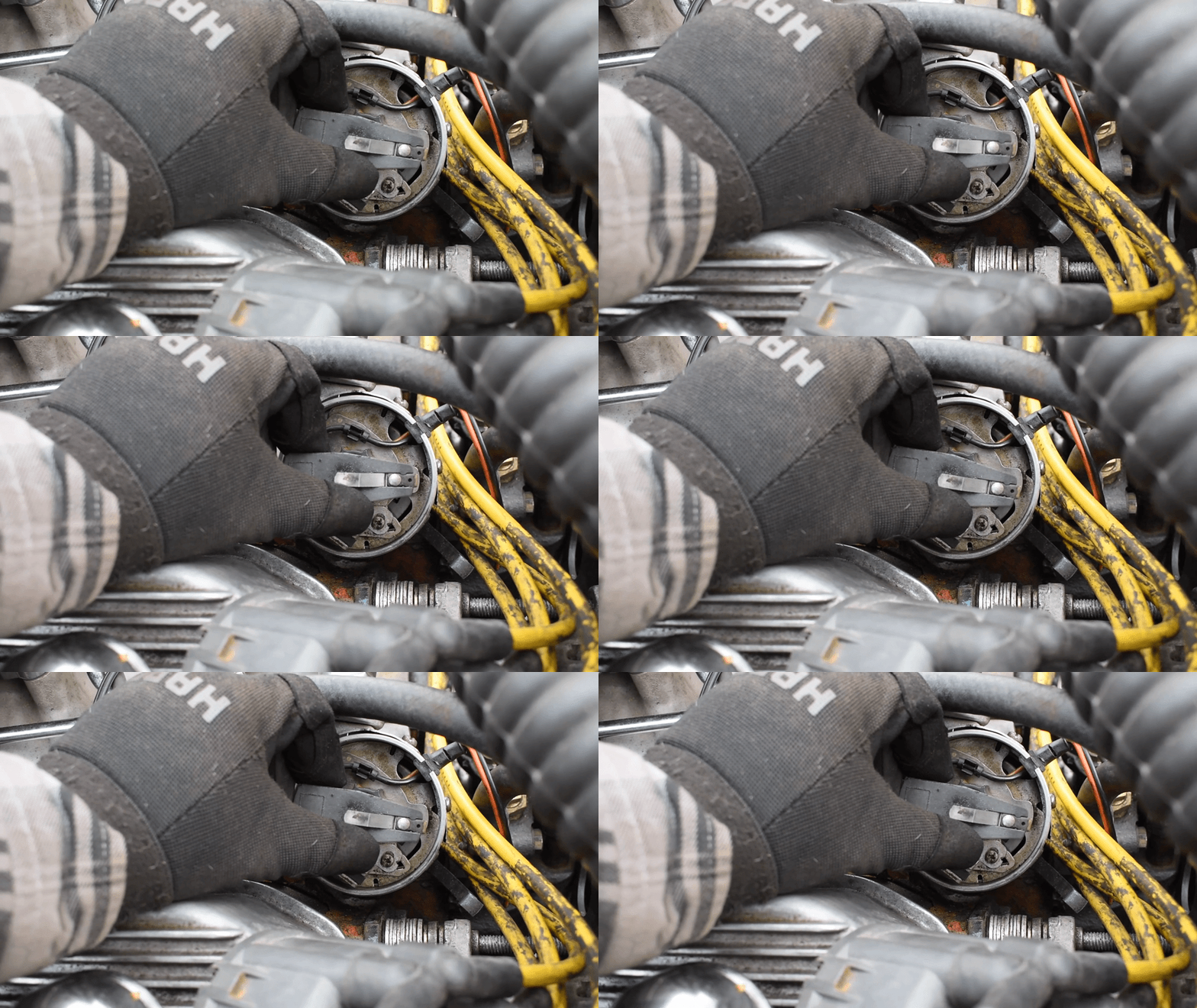
Next, remove the distributor cap to see the rotor inside. Turn the engine by hand to bring the piston to top dead center (TDC) on the compression stroke. Align the rotor so it points to the number one spark plug wire on the cap.
Look for the timing marks on the crankshaft pulley and the timing tab on the engine block. Rotate the distributor until the rotor points exactly at the number one wire and the timing marks line up. This sets the static timing correctly for the engine to start.
Start Engine And Warm Up
Setting distributor timing without a timing light requires patience and careful preparation. Starting the engine and warming it up is the first crucial step. A warm engine runs smoothly and provides more accurate timing adjustments. Cold engines can cause misleading results during timing setup. Follow these steps to prepare your engine properly before adjusting the distributor timing.
Run Engine At Idle
Start the engine and let it run at idle speed. Keep the engine running long enough to reach normal operating temperature. This usually takes about 5 to 10 minutes. A warm engine ensures stable idle and vacuum readings. Avoid revving the engine during this period. Let the idle settle naturally for more precise timing adjustments.
Prepare For Vacuum Adjustment
Once the engine is warm, disconnect the vacuum advance hose from the distributor. Plug the hose with a golf tee or a small bolt to prevent air leaks. Next, connect a vacuum gauge to the intake manifold vacuum source. This setup helps you monitor vacuum changes during distributor adjustments. Keep the engine running steadily while watching the gauge. Adjust the distributor until you achieve the highest vacuum reading for optimal timing.
Credit: www.thedrive.com
Use Vacuum Gauge For Fine Tuning
Using a vacuum gauge helps fine-tune distributor timing without a timing light. This method improves engine performance and fuel efficiency. It works by finding the highest vacuum reading, which shows the best ignition timing.
The process involves disconnecting the vacuum advance hose, connecting the vacuum gauge to the intake manifold, and adjusting the distributor. Each step ensures the engine runs smoothly and with the right spark timing.
Disconnect And Plug Vacuum Advance Hose
First, locate the vacuum advance hose on the distributor. Carefully disconnect it from the distributor. Plug the open hose to prevent air leaks. Use a small bolt or golf tee to seal the hose tightly.
Connect Vacuum Gauge To Intake Manifold
Find a vacuum port on the intake manifold. Attach the vacuum gauge hose securely to this port. Ensure the connection is tight to avoid false readings. Start the engine and let it reach normal operating temperature.
Adjust Distributor For Highest Vacuum Reading
Loosen the distributor hold-down bolt slightly. Slowly turn the distributor while watching the vacuum gauge. Stop turning once the vacuum reading peaks and stays steady. Tighten the hold-down bolt carefully without moving the distributor.
If the idle speed rises too much, lower it using the idle adjustment screw. Then, recheck the vacuum reading and adjust as needed. Reconnect the vacuum advance hose to complete the setup.
Lock Distributor And Final Adjustments
Locking the distributor and making final adjustments is a crucial step in setting your engine’s timing without a timing light. This step ensures the distributor stays in the right position and the engine runs smoothly. After fine-tuning the timing, locking the distributor prevents it from moving and causing timing issues later.
Tighten Distributor Hold-down Bolt
Once the distributor is in the correct position, tighten the hold-down bolt carefully. Use a wrench to snug it enough so the distributor won’t move. Avoid overtightening, which could damage the distributor housing or make future adjustments difficult. Check that the distributor does not rotate after tightening.
Reconnect Vacuum Hose
After securing the distributor, reconnect the vacuum advance hose to its port. This hose helps adjust timing automatically when the engine is running under different loads. Make sure the hose fits tightly to prevent vacuum leaks that can cause rough idling or poor performance. A secure connection is important for engine efficiency.
Adjust Idle Speed If Needed
With the timing set and vacuum hose back in place, start the engine and listen to the idle. If the idle is too high or low, adjust it using the idle speed screw on the carburetor or throttle body. Turn the screw slowly and watch the engine speed change. Aim for a smooth, steady idle that matches your engine’s specifications.

Credit: www.youtube.com

Credit: www.wikihow.com
Frequently Asked Questions
How To Adjust Timing Without Timing Light?
Loosen the distributor hold-down bolt to adjust timing. Align timing marks at idle. Use a vacuum gauge to fine-tune. Tighten the bolt once peak vacuum and stable idle are achieved.
How To Tell If Your Distributor Timing Is Off?
Signs of off distributor timing include engine misfires, rough idle, poor acceleration, and decreased fuel efficiency. Check timing marks and use a vacuum gauge to confirm correct spark timing.
How Do I Adjust The Timing On A Distributor?
Loosen the distributor hold-down bolt slightly. Rotate the distributor to align the timing marks at idle. Use a vacuum gauge to fine-tune. Tighten the bolt and reconnect vacuum lines. Adjust idle speed if needed for smooth running.
How To Find Tdc Without Timing Light?
Find TDC without a timing light by rotating the crankshaft until the timing mark aligns with the pointer. Confirm with a piston stop tool or feeler gauge for accuracy.
How Can I Set Distributor Timing Without A Timing Light?
Use the static timing method by aligning the distributor rotor to top dead center. Start the engine and adjust the distributor housing until it runs smoothly.
Conclusion
Setting distributor timing without a timing light is doable with patience. Start with the static timing method to get the engine running smoothly. Then, use a vacuum gauge to fine-tune the timing for better performance. Remember to adjust the distributor slowly and lock it down once the best setting is found.
This approach helps ensure your engine runs efficiently without extra tools. Keep your steps clear and simple for the best results. With practice, you can maintain proper timing and keep your engine healthy.