How Do You Know How Much Transmission Fluid to Add: Expert Tips
Knowing exactly how much transmission fluid to add can save you from costly repairs and keep your vehicle running smoothly. But how do you figure out the right amount without risking overfilling or underfilling?
If you’ve ever felt unsure about topping up your transmission fluid, you’re not alone. The truth is, adding the correct amount isn’t just about guessing—it requires a simple yet precise process that anyone can follow. You’ll learn step-by-step how to check your transmission fluid level accurately and how to add just the right amount.
You’ll discover why overfilling can be just as harmful as having too little fluid, and what signs to watch for to keep your transmission healthy. By the time you finish reading, you’ll have the confidence to maintain your transmission fluid like a pro—protecting your car and saving money on repairs. Keep reading to find out exactly how much transmission fluid your vehicle needs and how to get it right every time.

Credit: www.wikihow.com
Checking Fluid Level
Checking the transmission fluid level is important to keep your vehicle running smoothly. It helps you know if you need to add more fluid or not. The process is simple and takes only a few minutes.
Locate The Dipstick
Find the transmission fluid dipstick under the hood. It usually has a red, yellow, or orange handle. The dipstick is often near the back of the engine bay. If you cannot find it, check your vehicle’s owner manual for the exact location.
Warm Up The Engine
Start your car and let the engine run until it reaches normal operating temperature. This warms the transmission fluid, giving a more accurate reading. Keep the car on level ground and engage the parking brake. While the engine idles, slowly shift through all gears, ending in Park.
Read Fluid Markings
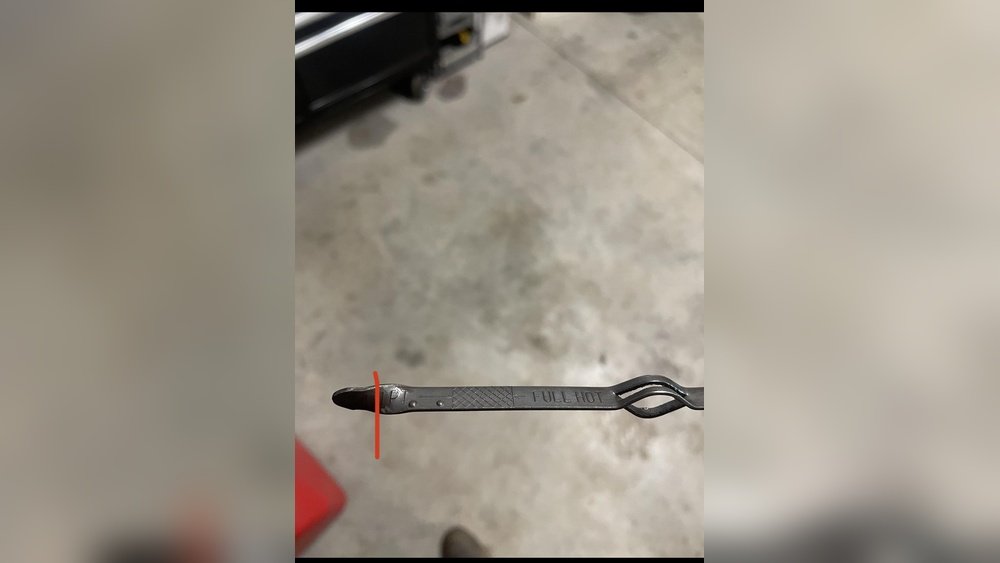
Pull out the dipstick and wipe it clean with a lint-free cloth. Reinsert the dipstick fully, then pull it out again to check the fluid level. Look for the “Hot” marks on the dipstick. The fluid should be between these lines. If the fluid is below the “Add” mark, you need to add transmission fluid. Add small amounts and recheck until the level reaches the correct range.

Credit: mechanics.stackexchange.com
Adding Transmission Fluid
Adding transmission fluid seems simple but many make costly errors. These mistakes can harm your vehicle’s transmission and reduce its lifespan. Understanding what to avoid helps keep your car running smoothly.
Adding Too Much Fluid
Overfilling transmission fluid is a common mistake. Too much fluid causes foaming and pressure build-up. This can lead to leaks and poor shifting. Always add fluid slowly and check the level frequently. Use the dipstick to guide you. Stop adding once the fluid reaches the proper mark.
Ignoring Fluid Color And Smell
Transmission fluid should be bright red or pink. Dark, brown, or burnt-smelling fluid signals problems. Old or contaminated fluid can damage the transmission. Check the color and smell before adding fluid. Replace the fluid if it looks or smells bad. This keeps your transmission healthy.
Skipping Warm-up Steps
Checking fluid level on a cold engine gives false readings. Transmission fluid expands when warm. Start your engine and let it run for a few minutes. Shift through gears to circulate the fluid. Then check the level with the engine running. This ensures an accurate measurement and proper fluid amount.
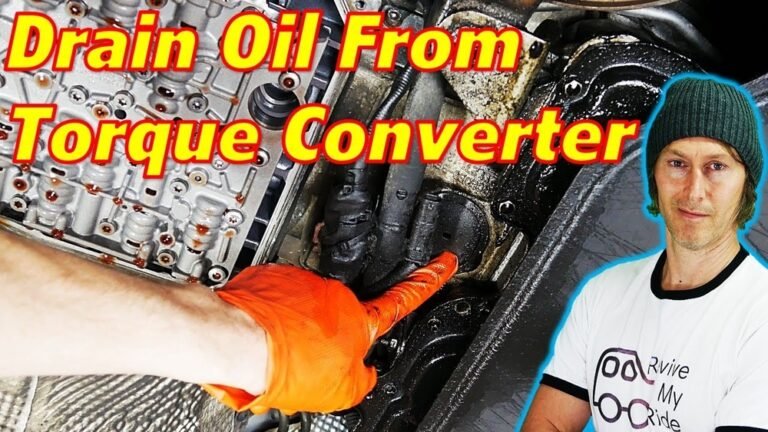
When No Dipstick Exists
Measuring transmission fluid accurately is key to keeping your vehicle running smoothly. Too little fluid can cause shifting problems, while too much leads to leaks or damage. Use careful methods to get the right amount every time.
Follow simple tips to check the fluid level precisely. These steps ensure you avoid common mistakes and protect your transmission system.
Park On Level Ground
Always park your car on flat, level ground before checking fluid. This prevents false readings caused by tilted surfaces. Engage the parking brake to keep the car steady during measurement. A level surface helps the fluid settle evenly in the transmission.
Cycle Through Gears
Start the engine and let it warm up. Shift slowly through all gears: Park, Reverse, Neutral, Drive, then back to Park. This moves fluid through the system and gives a more accurate reading. It also helps the fluid reach the right temperature for measurement.
Use A Clean Cloth
Remove the transmission dipstick and wipe it completely clean with a lint-free cloth. Reinsert it fully and pull it out again to check the fluid level. A clean cloth prevents dirt or old fluid from affecting your reading. Always read the dipstick markings carefully to know if you need to add fluid.

Credit: www.reddit.com
Frequently Asked Questions
Will It Hurt Your Transmission If It’s Overfilled?
Overfilling transmission fluid can cause foaming, increased pressure, and severe shifting problems. Always fill to the recommended level only.
What Transmission Fluid For 4l80e?
Use Dexron VI or higher specification automatic transmission fluid for the 4L80E transmission. Avoid mixing fluid types.
Can You Just Add Transmission Fluid If It’s Low?
Check the transmission fluid level first using the dipstick or fill plug. Add small amounts only if fluid is low. Avoid overfilling to prevent damage. Follow your vehicle’s manual for exact steps, as some models lack a dipstick. Proper fluid level ensures smooth shifting and transmission health.
Can Low Transmission Fluid Cause Stuttering?
Low transmission fluid can cause stuttering by reducing hydraulic pressure. This leads to rough shifting and hesitation during acceleration.
How Do I Know When To Add Transmission Fluid?
Check the transmission fluid level using the dipstick while the engine is warm. If the fluid is below the “Add” mark, it needs more. Always park on level ground and keep the engine running during the check.
Conclusion
Knowing how much transmission fluid to add keeps your vehicle running smoothly. Always check the fluid level carefully before adding more. Use the dipstick or follow your car manual for exact instructions. Add fluid slowly, in small amounts, to avoid overfilling.
Too much fluid can cause serious transmission issues. Keep your car on level ground and engine warm while checking. Regular checks prevent damage and costly repairs. Stay attentive to your transmission’s needs for a longer-lasting vehicle. Simple steps make a big difference in maintaining your car’s performance.