Why are My Brakes Still Squeaking After Replacing Them? Expert Fixes
You just replaced your brake pads, expecting smooth, quiet stops. But instead, your brakes are still squeaking.
Frustrating, right? You might wonder if something’s wrong or if you did the installation incorrectly. The good news is, you’re not alone—and this common issue usually has simple explanations. Whether it’s the way the pads settle in, moisture causing rust, or missing lubrication, understanding why your brakes squeak can save you stress and trips to the mechanic.
Keep reading to find out what’s behind that annoying noise and how you can fix it for good.

Credit: www.wikihow.com
Common Causes Of Brake Squeaking
Brake squeaking after replacement is a common concern. New brakes often make noise due to several typical reasons. Understanding these helps you know what to expect and when to seek help.
Many causes relate to the brake components settling in or environmental conditions affecting them. Addressing these issues can reduce or stop the squeaking sound.
Pads And Rotors Bedding Period
New brake pads and rotors need time to adjust. This process is called bedding or breaking in. During bedding, the brake surfaces wear in together. It creates a smooth, even contact area. Squeaking often occurs during this phase. It usually stops after driving a few hundred miles. Skipping bedding can cause uneven wear and noise.
Lack Of Lubrication On Hardware
Brake hardware like shims, clips, and caliper pins must be properly lubricated. Missing or insufficient grease causes friction and vibrations. These vibrations lead to squeaking sounds. Using high-temperature brake grease is essential. It reduces metal-to-metal contact and noise. Always ensure the hardware is greased during brake installation.
Moisture And Surface Rust Effects
Moisture from rain, dew, or humidity affects brake rotors. When the car sits, a thin rust layer forms on the rotor surface. This rust causes squeaking during the first few stops. The noise disappears after the rust wears off. It is a normal, temporary issue. Parking indoors or using a car cover can reduce moisture buildup.
Signs Of Hardware Issues
Hardware problems often cause brake squeaking after replacement. The parts that hold and guide the brake pads can wear out or get stuck. These issues make the brakes rub or vibrate, leading to noise. Identifying signs of hardware problems helps fix the squeak quickly. Below are common hardware issues to check.
Stuck Or Dry Caliper Slide Pins
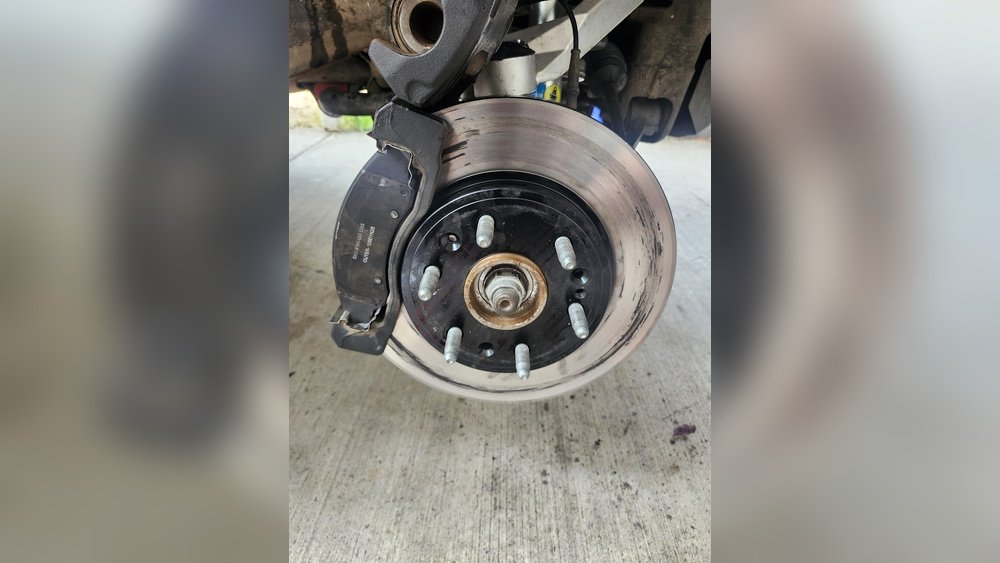
Caliper slide pins let the brake caliper move smoothly. If these pins get dry or stuck, the caliper can’t slide properly. This causes uneven pressure on the brake pads. The pads may scrape the rotor loudly. Greasing the pins during installation helps avoid this problem.
Worn Anti-rattle Clips And Shims
Anti-rattle clips and shims reduce vibration and noise. These small parts keep the brake pads tight in the caliper. Worn or missing clips allow the pads to move and vibrate. This movement creates a squeaking or rattling sound. Replacing old clips and shims stops the noise.
Misaligned Brake Pads
Brake pads must line up correctly with the rotor. Misaligned pads touch the rotor unevenly. This causes a squeak every time the brakes are applied. Misalignment can happen during installation or from worn hardware. Properly positioning the pads solves this issue.
Steps To Stop Brake Squeaking
Stopping brake squeaking after replacement requires a few careful steps. These steps focus on reducing friction and ensuring smooth brake operation. Proper maintenance helps prevent noise and extends brake life.
Applying High-temperature Brake Grease
Use high-temperature brake grease on all contact points. This includes the back of brake pads and metal clips. Grease reduces vibration, the main cause of squeaking. Avoid using regular grease that breaks down under heat. Apply a thin, even layer to prevent buildup. This simple step can significantly lower brake noise.
Cleaning And Inspecting Rotors
Clean the rotors thoroughly before installing new pads. Dirt and rust on rotors cause uneven contact and noise. Use brake cleaner and a clean cloth to wipe the surface. Inspect rotors for grooves or damage. If damaged, rotors should be resurfaced or replaced. Smooth rotors help brake pads wear evenly and stop squeaking.
Checking Caliper Functionality
Inspect calipers to ensure they move freely. Stuck or dry caliper pins cause uneven pad pressure. This leads to squeaking and uneven brake wear. Clean and lubricate caliper slide pins with high-temperature grease. Replace pins if they are damaged or corroded. Proper caliper function ensures pads contact rotors correctly and quietly.

Credit: www.reddit.com
When To Seek Professional Help
Knowing when to seek professional help is important if your brakes keep squeaking after replacement. Some noises are normal at first, but persistent sounds may signal a problem. A trained mechanic can diagnose and fix issues that simple checks can miss. Ignoring warning signs can lead to bigger repairs or safety risks.
Persistent Squeaking After Break-in
New brake pads need time to break in properly. This process usually takes a few hundred miles. If the squeaking does not stop after this period, it may mean the pads or rotors are not matched well. A professional can check for incorrect parts or installation errors causing ongoing noise.
Multiple Part Replacements With No Improvement
Replacing pads or rotors several times without stopping the squeak is a red flag. This suggests the root cause is deeper than worn parts. Problems like caliper issues or improper hardware installation might be to blame. Mechanics have tools and knowledge to find hidden faults in the brake system.
Signs Of Rotor Or Caliper Damage
Damage to rotors or calipers can cause brake noise and reduce braking power. Look for vibrations, pulling to one side, or uneven pad wear. These signs need expert attention to avoid safety hazards. A professional inspection can confirm damage and recommend the right repair or replacement.

Credit: www.youtube.com
Frequently Asked Questions
How Do I Stop My Brakes From Squeaking After Replacing Them?
Apply high-temperature brake grease to pad contact points, properly bed in the pads, and ensure rotors are clean and smooth. Check caliper pins for sticking.
Can I Spray Wd-40 On My Brakes To Stop Squeaking?
Do not spray WD-40 on brakes to stop squeaking. It can reduce brake effectiveness and cause safety issues. Use brake-specific lubricant instead.
How Long Should Brakes Squeak After Being Replaced?
Brakes may squeak for a few days to two weeks after replacement during the bedding-in process. Persistent squeaking beyond this may indicate issues like missing lubricant or rotor wear.
Is It Normal For Newly Installed Brakes To Squeak?
Yes, new brakes may squeak briefly due to bedding-in, moisture, rust, or missing lubricant on pad contact points.
Conclusion
Squeaking brakes after replacement can frustrate any driver. Often, the cause is simple, like missing grease or a need for bedding in. Moisture and surface rust also create temporary noise. Sometimes, worn rotors or stuck caliper pins cause persistent squeaks.
Regular checks and proper installation help reduce the sound. Don’t ignore the noise; it could signal a safety issue. Taking time to understand the problem helps keep your brakes quiet and reliable. Stay patient, and your brakes will perform smoothly soon.