What is the Proper Hand Position on the Steering Wheel: Expert Tips
Have you ever wondered if you’re holding the steering wheel the right way? You might think it’s as simple as gripping it tight and steering where you want to go.
But the truth is, the proper hand position on the steering wheel can make a huge difference in your control, comfort, and safety while driving. Holding the wheel incorrectly could lead to slower reactions, uncomfortable grips, or even injuries if your airbag deploys.
You’ll discover the best way to place your hands for smooth, confident driving every time you get behind the wheel. Keep reading to learn simple tips that can improve your driving skills and keep you safer on the road.
Credit: driving-tests.org
Ideal Hand Placement
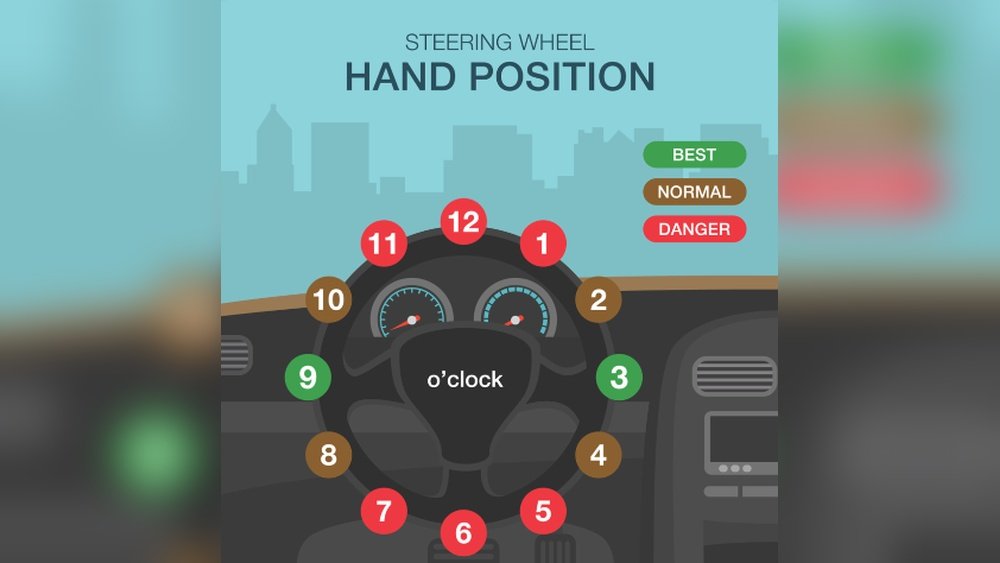
Proper hand placement on the steering wheel improves control and safety. Place your hands at the 9 and 3 o’clock positions with a firm but gentle grip. Keep thumbs resting lightly on the wheel’s face, not wrapped inside.
Proper hand placement on the steering wheel improves control and safety. It helps drivers respond quickly to sudden changes on the road. Holding the wheel correctly reduces fatigue during long drives.
Experts recommend keeping hands in positions that maximize leverage and minimize injury risk. The ideal placement also supports smooth steering and precise vehicle handling.
Best Practices For Steering
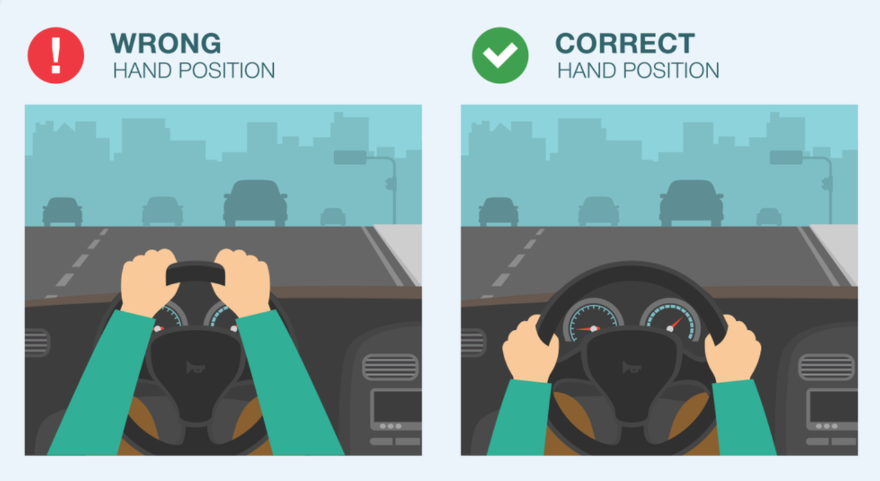
- Hands on the Outside: Always keep your hands on the outside rim of the wheel. Never grip the inside of the steering wheel rim.
- Thumbs Up: Your thumbs should rest lightly along the face of the wheel. Avoid wrapping them loosely inside the wheel.
- Firm yet Gentle Grip: Maintain a relaxed but firm grip. This prevents sudden overcorrections and helps steady steering.
Recommended Turning Techniques
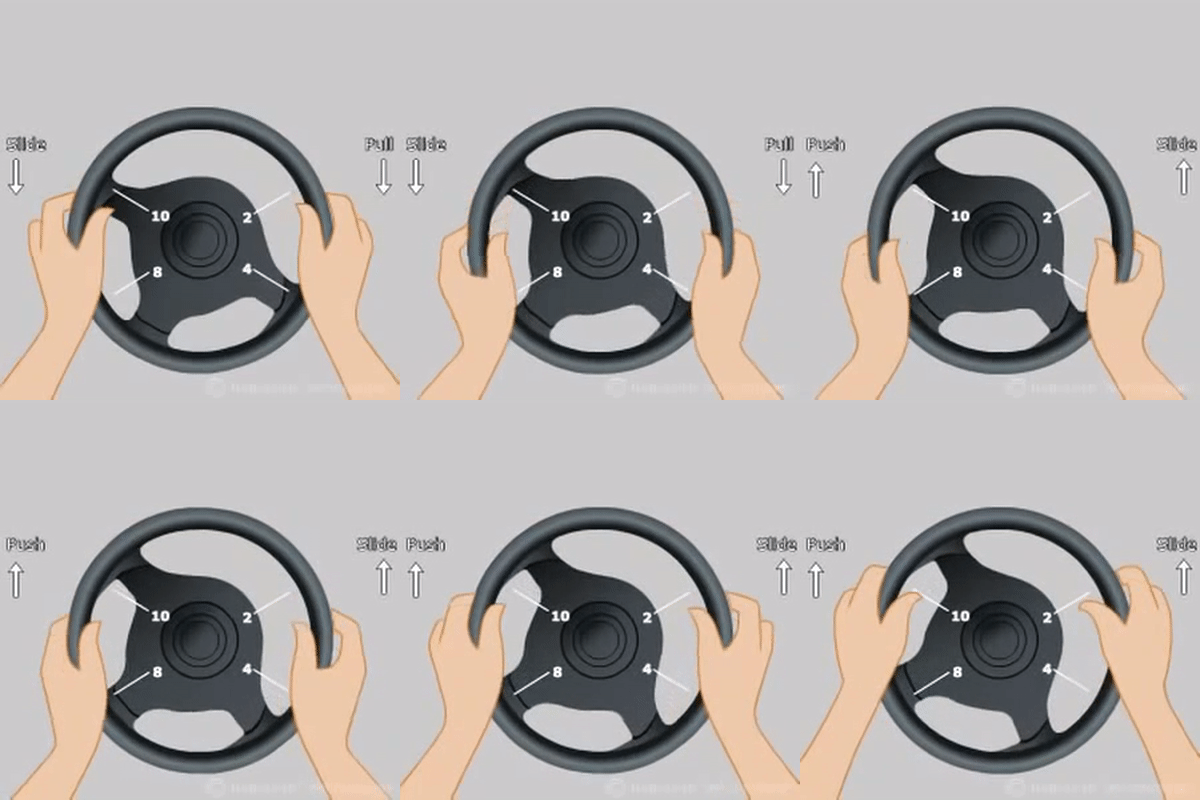
- Hand-Over-Hand Steering: Use this technique for sharper turns at low speeds, like parking or tight corners.
- Pull the wheel down with one hand, then cross the other hand over the top.
- Pull the wheel down further to complete the turn smoothly and safely.
Grip Techniques
Proper hand placement on the steering wheel improves control and safety. Place hands at the 9 and 3 o’clock positions with thumbs resting lightly outside the rim. This grip helps maintain steady steering and reduces injury risk from airbags.
Knowing how to grip the steering wheel is key for safe driving. A proper grip helps maintain control and reduces fatigue on long drives.
Your hands should rest on the wheel with a firm but gentle hold. Too tight can cause tension, too loose may reduce control.
Hands On The Outside
Always place your hands on the outside rim of the steering wheel. Avoid gripping the inside of the rim. This position offers better control and safety.
Holding the outside rim also keeps your hands clear of the airbag, reducing injury risk during a collision.
Thumbs Up
Let your thumbs rest lightly along the front face of the wheel. Do not wrap them inside the wheel.
This grip prevents thumb injuries if the airbag deploys. It also allows smooth hand movement while steering.
Firm Yet Gentle Grip
Hold the wheel firmly enough to react quickly to road conditions. Keep your grip relaxed to avoid hand cramps.
A balanced grip helps you steer smoothly without jerking or overcorrecting. This improves your driving comfort and safety.
Turning Methods
Turning a vehicle smoothly requires proper hand positioning and technique. Different turning methods help maintain control and safety. Learning these methods improves your driving comfort and precision.
The two main turning methods are Hand-Over-Hand and Push-Pull. Each method suits different situations and turning angles. Understanding how to use them correctly helps avoid accidents and wear on your vehicle.
Hand-over-hand Steering
This method works well for sharp turns or parking. Start by pulling the steering wheel down with one hand. Then cross your other hand over the first and pull down further. Repeat this motion until the turn is complete.
Hand-Over-Hand offers quick, smooth control on tight corners. Keep your grip firm but relaxed to avoid jerky movements. Avoid wrapping your thumbs inside the wheel to reduce injury risk from airbags.
Push-pull Steering
Push-Pull is ideal for regular turns and highway driving. Place one hand at the top of the wheel and the other at the bottom. Push the top hand up while pulling the bottom hand down. This motion turns the wheel smoothly without crossing your arms.
This method provides better control and less fatigue on long drives. It also reduces the chance of your arms getting tangled. Keep your hands at the 9 and 3 o’clock positions for best results.
Credit: driversed.trubicars.ca
Avoiding Common Mistakes
Many drivers make simple errors with their hand placement on the steering wheel. These mistakes can reduce control and increase injury risk during a crash. Avoiding these common errors improves safety and driving comfort.
Proper hand position helps keep better control of the vehicle. It also prevents fatigue and strain during long drives. Learning what to avoid is just as important as knowing the correct hand placement.
Avoid Gripping The Inside Of The Wheel
Holding the inside of the steering wheel weakens your control. It reduces your ability to steer smoothly. Keep your hands on the outside rim for better leverage.
Do Not Wrap Thumbs Around The Wheel
Wrapping thumbs inside the wheel risks injury if the airbag deploys. Thumbs should rest lightly on the wheel’s front face. This position allows quick, safe adjustments.
Avoid A Tight, Stiff Grip
Gripping the wheel too tightly causes hand fatigue and jerky movements. Hold the wheel firmly but gently. A relaxed grip improves precision and reaction time.
Do Not Place Hands Too Low Or Too High
Placing hands at the top or bottom of the wheel limits steering control. The recommended positions are either 9 and 3 o’clock or 8 and 4 o’clock. These spots provide balance and easy access to controls.
Adapting For Safety Features
Proper hand placement on the steering wheel boosts control and safety. Place hands at the 9 and 3 o’clock positions with thumbs resting lightly on the wheel’s face. This grip helps prevent injury if the airbag deploys and allows smooth, precise steering.
Modern cars come with many safety features. Airbags are one of the most important. They protect drivers in crashes by inflating quickly. This rapid inflation means hand placement on the steering wheel must be careful.
Holding the wheel too low or too high can cause injury if the airbag deploys. Drivers should adjust their hand position to avoid this risk. The goal is to stay safe while keeping control.
Keeping Hands At 9 And 3
Most experts recommend placing hands at the 9 and 3 o’clock positions. This is like the numbers on a clock face. This position keeps hands away from the airbag’s path. It also allows for better control of the vehicle.
Hands here reduce the chance of injury during airbag deployment. This position also helps reduce fatigue on long drives. Avoid placing thumbs inside the wheel to prevent hand injuries.
Using The Thumb Rest Technique
The thumb rest technique means placing thumbs on the outside of the wheel rim. Do not wrap thumbs inside the wheel. This reduces the chance of broken thumbs if the airbag inflates. It also improves grip and steering control.
Lightly resting thumbs on the wheel face keeps them safe. This method is safer than gripping too tightly. It allows smoother steering movements and quick reactions.
Adjusting Grip For Electronic Steering
Many new cars have electronic power steering systems. These systems require less physical effort to turn the wheel. Drivers should keep a firm but relaxed grip. Over-gripping can cause jerky steering and reduce control.
Adapt your hand pressure based on the feel of the steering. This helps avoid fatigue and maintains precise control. Proper grip also ensures safety systems work effectively.

Credit: driving-tests.org
Frequently Asked Questions
Should Hands Be At 10 And 2 Or 9 And 3?
Hands should be at 9 and 3 for better control and airbag safety. The 10 and 2 position is outdated and riskier.
Is It 10 And 2 Or 4 And 8?
The recommended hand positions on the steering wheel are 9 and 3 or 8 and 4. Avoid 10 and 2 for better control and airbag safety.
Why Are 10 And 2 No Longer Recommended?
The 10 and 2 hand position risks injury from airbag deployment during crashes. Experts now recommend 9 and 3 for better control and safety.
Why 9 And 3 Instead Of 10 And 2?
The 9 and 3 positions offer better control and reduce injury risk from airbags compared to 10 and 2. They allow safer, more comfortable steering.
What Is The Safest Hand Position On A Steering Wheel?
The safest position is holding the wheel at the 9 and 3 o’clock spots. This gives better control and reduces injury risk if the airbag deploys.
Conclusion
Proper hand placement on the steering wheel improves control and safety. Hold the wheel firmly but gently at the recommended positions. Keep your thumbs resting lightly on the outside rim. This helps avoid injury if the airbag deploys. Use hand-over-hand steering only for sharp turns at low speeds.
Practicing correct hand positions builds confidence while driving. Safe steering habits reduce accidents and keep you in control. Always focus on smooth, steady movements with your hands. Good hand placement makes every drive safer and more comfortable.