When is Used Antifreeze Not Considered Hazardous Waste? Key Facts
You probably know that used antifreeze can be dangerous to the environment and your health. But did you realize that under certain conditions, used antifreeze is not considered hazardous waste?
Understanding when antifreeze crosses that line can save you time, money, and stress when it comes to disposal or recycling. You’ll discover the key factors that determine whether your used antifreeze is hazardous or not. Knowing this can help you handle it the right way, protect your community, and stay compliant with regulations.
Keep reading to learn exactly when used antifreeze stops being hazardous waste and what that means for you.
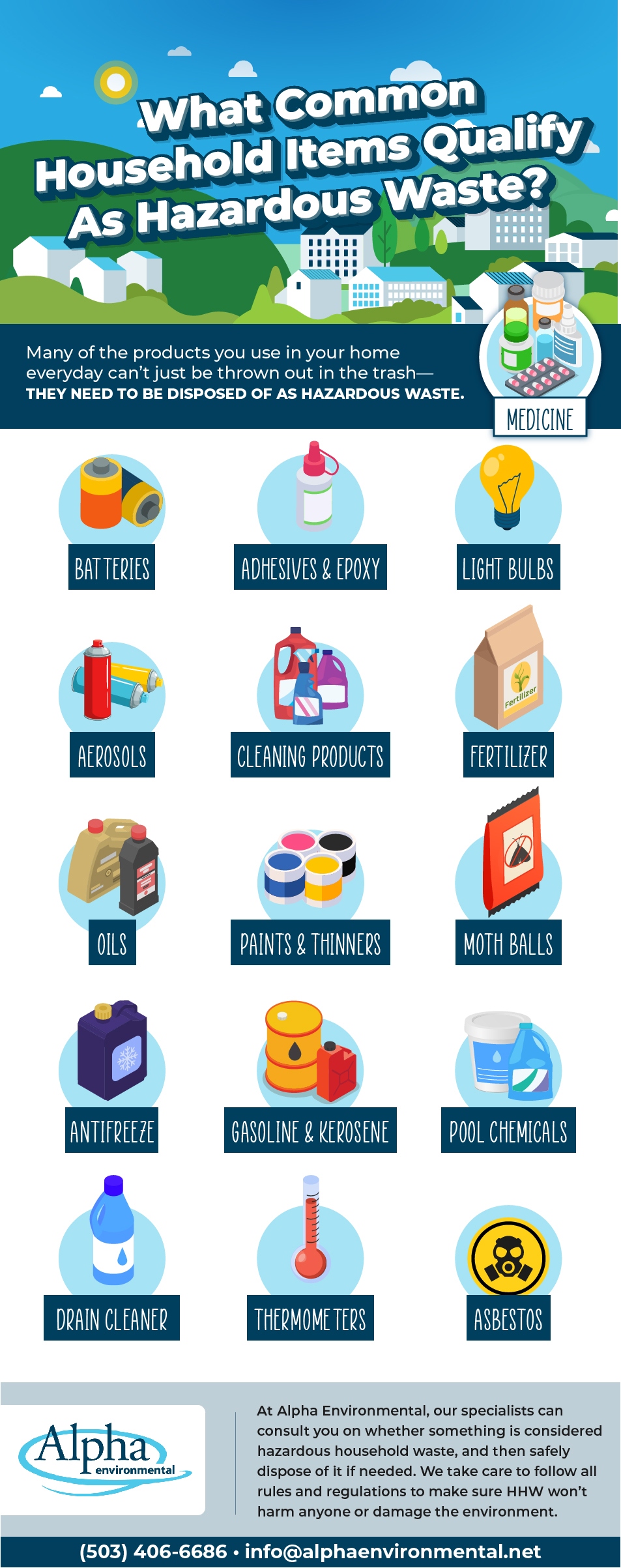
Credit: alphaenvironmental.net
Hazardous Components In Used Antifreeze
Used antifreeze contains substances that may harm health and the environment. Identifying these components helps determine if it is hazardous waste. Some ingredients are toxic and require careful handling. Understanding these parts guides safe disposal and recycling efforts.
Not all used antifreeze is hazardous waste. The presence and concentration of certain chemicals decide the classification. Testing for these components is essential before disposal or reuse.
Common Toxic Ingredients
Ethylene glycol is the main toxic ingredient in most antifreeze. It tastes sweet but is deadly if swallowed. Propylene glycol is less toxic but still requires caution.
Some antifreeze contains lead, arsenic, or other heavy metals. These metals pose serious health risks and environmental damage. Additives like dyes and corrosion inhibitors can also be harmful.
Contaminants And Their Effects
Used antifreeze often mixes with dirt, oil, and heavy metals from vehicles. These contaminants increase toxicity. They can cause water and soil pollution if not handled properly.
Mixing antifreeze with other hazardous materials like gasoline changes its status. This mixture becomes more dangerous and must follow stricter disposal rules. Proper testing separates safe antifreeze from hazardous waste.
Conditions That Exempt Antifreeze From Hazardous Waste
Used antifreeze is not always classified as hazardous waste. Certain conditions allow it to be exempt from strict hazardous waste rules. These conditions focus on how the antifreeze is handled and treated after use.
Proper management helps keep antifreeze safe for recycling or reuse. Understanding these conditions helps businesses and individuals dispose of antifreeze responsibly.
Recycling And Reuse Practices
Used antifreeze that undergoes proper recycling is often not hazardous waste. Recycling removes harmful contaminants like dirt, metals, and chemicals. This process restores antifreeze to a reusable state.
Reused antifreeze returned to its original purpose as coolant avoids hazardous waste classification. The key is that recycling must follow approved procedures. This keeps antifreeze safe and reduces environmental risks.
Separation From Other Hazardous Materials
Used antifreeze must be kept separate from other hazardous wastes to avoid becoming hazardous waste itself. Mixing with substances like gasoline or solvents changes its status.
Proper separation prevents contamination and simplifies recycling. It also helps meet regulatory requirements. Clean, uncontaminated antifreeze is less likely to be hazardous waste.
Regulations Governing Used Antifreeze Disposal
Proper disposal of used antifreeze depends on strict regulations set to protect health and the environment. Understanding these rules helps businesses and individuals avoid penalties and reduce pollution risks. Regulations focus on whether used antifreeze qualifies as hazardous waste. They also guide safe handling, recycling, or disposal methods.
Different rules apply based on the antifreeze type and contamination levels. Used antifreeze that is free from hazardous contaminants may not be classified as hazardous waste. Knowing the exact guidelines is essential for compliance.
Federal Guidelines
The U.S. Environmental Protection Agency (EPA) oversees federal rules for used antifreeze disposal. It classifies antifreeze as hazardous waste if it contains toxic chemicals like ethylene glycol or heavy metals. Mixing antifreeze with other hazardous substances also makes it hazardous waste.
However, the EPA allows recycling of spent antifreeze. Proper recycling removes contaminants, making the antifreeze reusable. Businesses must follow strict storage and transportation rules under the Resource Conservation and Recovery Act (RCRA).
State-specific Rules
States may have additional or stricter regulations than federal laws. Some states classify used antifreeze differently based on local environmental concerns. For example, Texas and California require specific permits for antifreeze recycling or disposal.
Many states encourage recycling programs to reduce hazardous waste volume. Some states provide guidelines for testing used antifreeze to confirm if it meets non-hazardous waste criteria. Always check local rules before disposal.

Credit: bouldercounty.gov
Safe Handling And Disposal Methods
Handling and disposing of used antifreeze safely helps protect the environment and public health. Following correct methods reduces risks linked to chemical spills and contamination. Safe handling ensures antifreeze does not become hazardous waste. Proper care also keeps your home and community safe.
Proper Storage Techniques
Store used antifreeze in a sealed, leak-proof container. Use containers made of plastic or metal approved for chemical storage. Label the container clearly with “Used Antifreeze.” Keep containers away from heat, direct sunlight, and open flames. Avoid mixing antifreeze with other liquids or wastes. Store containers in a cool, dry, and well-ventilated area. Check containers regularly for leaks or damage. Proper storage prevents spills and contamination.
Recycling Centers And Facilities
Take used antifreeze to local recycling centers or hazardous waste facilities. Many centers accept used antifreeze for safe recycling and disposal. Recycling removes harmful contaminants and allows antifreeze to be reused. Contact your local waste authority to find approved drop-off locations. Do not pour antifreeze down drains, soil, or storm sewers. Proper recycling protects water supplies and the environment.
Credit: www.brla.gov
Frequently Asked Questions
Is Used Antifreeze Considered A Hazardous Waste?
Used antifreeze is considered hazardous waste if it contains harmful contaminants like ethylene glycol or lead. Proper recycling or disposal is essential.
How To Dispose Of Unused Antifreeze At Home?
Take unused antifreeze to a local hazardous waste disposal or recycling center. Never pour it down drains or on the ground. Use sealed containers for transport. Recycling removes contaminants, allowing safe reuse and protecting the environment. Always follow local regulations for antifreeze disposal.
Is Antifreeze A Hazmat Substance?
Antifreeze is considered a hazardous material due to its toxic chemicals like ethylene glycol. Proper handling and disposal are essential.
How Should Antifreeze Be Disposed Of?
Dispose of antifreeze by taking it to a local recycling center or hazardous waste facility. Do not pour it down drains or on the ground. Store used antifreeze in a sealed container until proper disposal. Recycling removes contaminants and allows safe reuse.
Follow local regulations for hazardous waste.
Conclusion
Used antifreeze is not hazardous waste when properly recycled or reused. It loses its hazardous status if contaminants are removed and it returns to coolant use. Avoid mixing antifreeze with other hazardous materials to keep it safe. Always follow local rules for disposal and recycling.
Handling antifreeze carefully protects the environment and your community. Proper management helps prevent pollution and health risks. Remember, safe recycling keeps antifreeze out of hazardous waste streams. Stay informed and dispose of used antifreeze responsibly.