What Does It Mean When the Maintenance Required Light Flashes: Urgent Car Care Tips
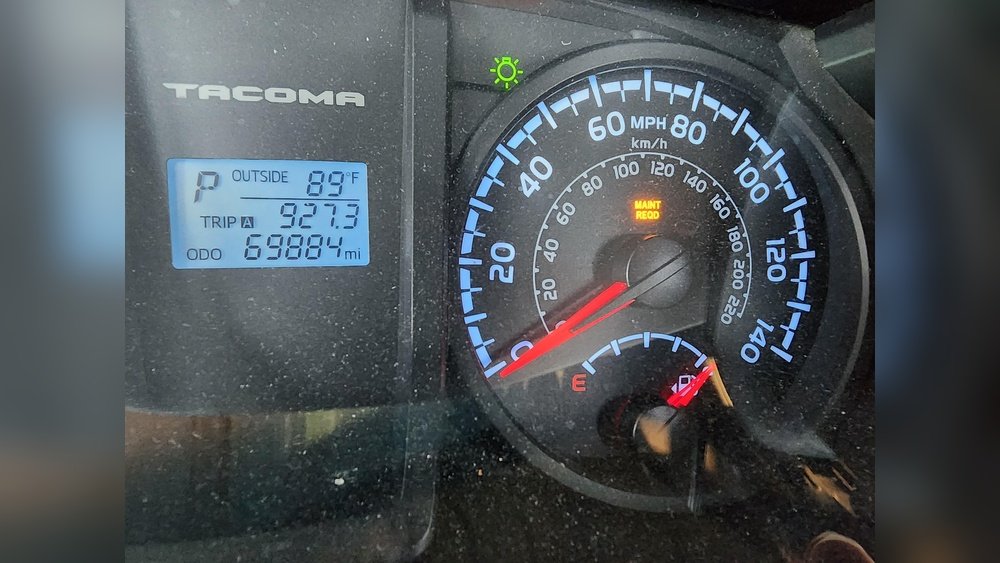
Have you ever been driving when suddenly the “Maintenance Required” light starts flashing on your dashboard? It can be confusing and a little nerve-wracking.
What does it really mean? Should you stop immediately or can you keep driving? Understanding this warning light is important to keep your car running smoothly and avoid costly repairs. You’ll discover exactly what that flashing light is trying to tell you and what steps you should take next.
Keep reading to stay in control and protect your vehicle.
Reasons For The Maintenance Light
The maintenance required light in your car signals a need for attention. It helps you keep the vehicle in good shape. This light is a reminder for scheduled maintenance or a warning for possible issues. Understanding why the light turns on can prevent bigger problems later.
Knowing the reasons behind the maintenance light helps you act quickly. It can save time and money by addressing problems early. This section explains common triggers and the difference between blinking and steady lights.
Common Triggers For The Warning
The maintenance light often comes on for regular service needs. This includes oil changes, filter replacements, and tire rotations. Low oil pressure or dirty oil can also cause the light to appear. Sometimes, a loose gas cap triggers the warning. Brake system issues or worn brake pads may turn the light on. Problems with engine sensors or fluid levels can be reasons too.
Differences Between Blinking And Steady Lights
A steady maintenance light usually means scheduled service is due. It is a gentle reminder to check your vehicle soon. A blinking light signals a more urgent problem. It warns of serious issues like engine misfires or electrical faults. Ignoring a blinking light can cause damage. It is best to stop driving and check the car immediately.

Credit: www.reddit.com
Immediate Steps To Take
The maintenance required light flashing means your vehicle needs attention soon. Acting fast helps avoid bigger problems. Start by checking some key parts yourself. This saves time and keeps you safe on the road.
Checking Essential Fluid Levels
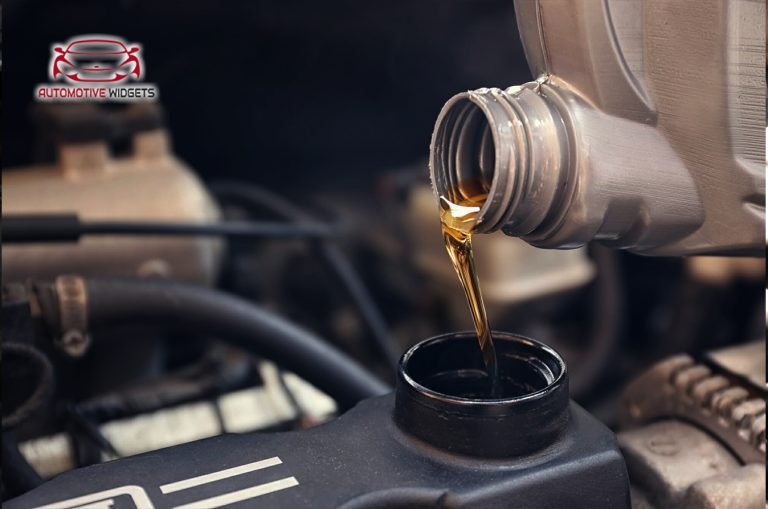
First, open the hood and check the engine oil. Low oil can harm the engine. Next, look at the coolant level to prevent overheating. Brake fluid is important too for safe stopping. Fill any fluids that are low with the right type. Use the owner’s manual for guidance.
Inspecting Tire Pressure And Condition
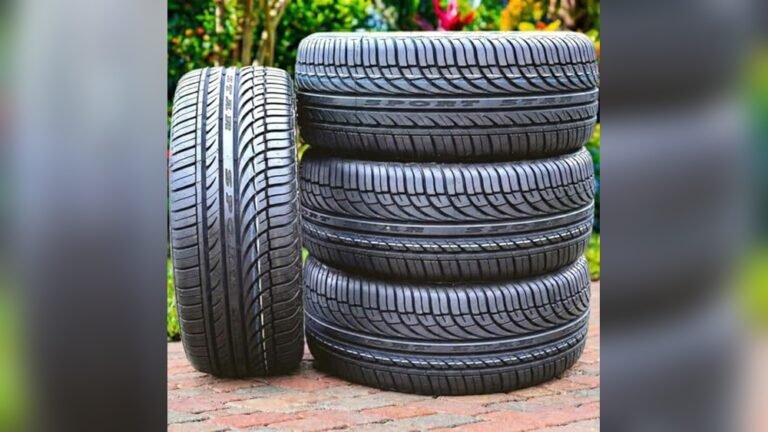
Check each tire’s pressure with a gauge. Proper pressure improves fuel efficiency and handling. Look for cracks, bulges, or uneven wear on the tires. Replace or repair damaged tires quickly. Good tires help keep control of the vehicle and avoid accidents.
Potential Engine Issues
The maintenance required light flashing can point to potential engine issues. This warning is your car’s way of signaling that something might be wrong under the hood. Ignoring this light can lead to bigger and more expensive problems. It is important to recognize the signs that show your engine needs attention.
Understanding these signs helps you act quickly. Early action can save your engine from serious damage. Knowing when to get professional help keeps your car running smoothly and safely.
Signs Of Engine Trouble
Engine trouble shows in many ways. The car might shake or vibrate more than usual. You might hear strange noises like knocking or ticking. The engine may run rough or stall without warning. You could smell burning or fuel odors inside or outside the car. The car might lose power, making it hard to speed up. Watch for the engine temperature gauge rising too high.
When To Seek Professional Help
If the maintenance light flashes along with any engine trouble signs, get help fast. Visit a mechanic if your car stalls or struggles to start. Strange noises or smells should never be ignored. If the engine runs hot or loses power, stop driving and call for assistance. Professional checks can find hidden problems early. Do not wait for the light to stop flashing.
Preventive Maintenance Tips
Preventive maintenance helps keep your vehicle running smoothly. It lowers repair costs and extends your car’s life. Taking simple steps can avoid the flashing maintenance required light.
Scheduling Regular Service
Set a routine for car checkups. Follow the service schedule in your owner’s manual. Regular oil changes, filter replacements, and inspections keep problems away. Fix small issues before they grow. A well-maintained car drives safer and lasts longer.
Keeping Track Of Maintenance History
Write down all repairs and services. Use a notebook or an app to record dates and work done. This helps you remember what was fixed and when. It also shows mechanics your car’s condition. Clear records prevent repeated work and save money over time.
Costs And Consequences Of Ignoring The Light
Ignoring the maintenance required light can lead to serious problems. This warning is there to protect your car. Ignoring it can cost you more money and cause safety risks. Understanding these costs and consequences helps you make better decisions about your vehicle.
Delaying maintenance can cause small issues to become bigger. Repairs become more expensive over time. Your car may also lose performance and reliability. Staying on top of maintenance saves money and keeps you safe on the road.
Possible Repair Expenses
Ignoring the light can cause costly repairs. Minor fixes like oil changes or filter replacements cost less. But skipping them can damage the engine or transmission. Repairing these parts often costs hundreds or thousands of dollars. Brake or tire wear may also increase without maintenance. These repairs add up fast and can break your budget.
Impact On Vehicle Safety And Performance
Maintenance affects how well your car drives and stops. Worn brakes or tires reduce safety on the road. Engine problems can cause breakdowns or accidents. Poor performance means less power and worse fuel economy. Ignoring the light puts you and others at risk. Regular care keeps your vehicle reliable and safe.

Credit: www.reddit.com

Credit: www.reddit.com
Frequently Asked Questions
What Does The Maintenance Required Light Mean?
The maintenance required light shows your car needs routine service soon. It usually signals an oil change or basic checkup. Ignoring it can lead to bigger car problems.
Why Is My Maintenance Light Flashing And Not Steady?
A flashing maintenance light often means a more urgent issue than a steady light. It signals immediate attention needed to avoid damage. Check your car manual for specific warnings.
How Often Should I Reset The Maintenance Required Light?
Reset the light after every scheduled service or oil change. This helps keep track of your car’s maintenance needs. Most cars have a simple reset process in the manual.
Can I Drive With The Maintenance Required Light On?
You can drive short distances but avoid long trips. The light warns that something needs service soon. Delaying repairs may cause engine problems or reduce car safety.
What Should I Do If The Light Keeps Flashing After Service?
If the light flashes after service, the system may not have been reset. Return to the service center or reset it yourself if possible. Persistent flashing means check your car for other issues.
Conclusion
The maintenance required light flashing means your car needs attention soon. It is a reminder to check oil or other key parts. Ignoring it can cause bigger problems and cost more money. Take action early to keep your car running well.
Regular care helps your vehicle stay safe and reliable. Don’t wait—address the warning light to avoid trouble later. Simple checks today save you from costly repairs tomorrow. Keep your car healthy by listening to these important signals.