Should You Change Transmission Fluid If It’S Never Been Changed? Essential Guide
Have you ever wondered if you should change your transmission fluid when it’s never been changed before? You might think it’s fine as it is, but ignoring this can lead to costly repairs down the road.
Your transmission is one of the most important parts of your car, and the fluid keeps it running smoothly. If that fluid is old or dirty, your car could start to struggle without you even realizing it. Keep reading to find out why changing your transmission fluid matters, when you should do it, and how it can save you money and stress in the long run.

Credit: www.reddit.com
Signs Your Transmission Fluid Needs Changing
Transmission fluid keeps your car’s transmission running smoothly. Over time, the fluid can break down or get dirty. This causes problems with shifting and can damage the transmission. Watch for signs that the fluid needs changing.
Dark Or Dirty Fluid
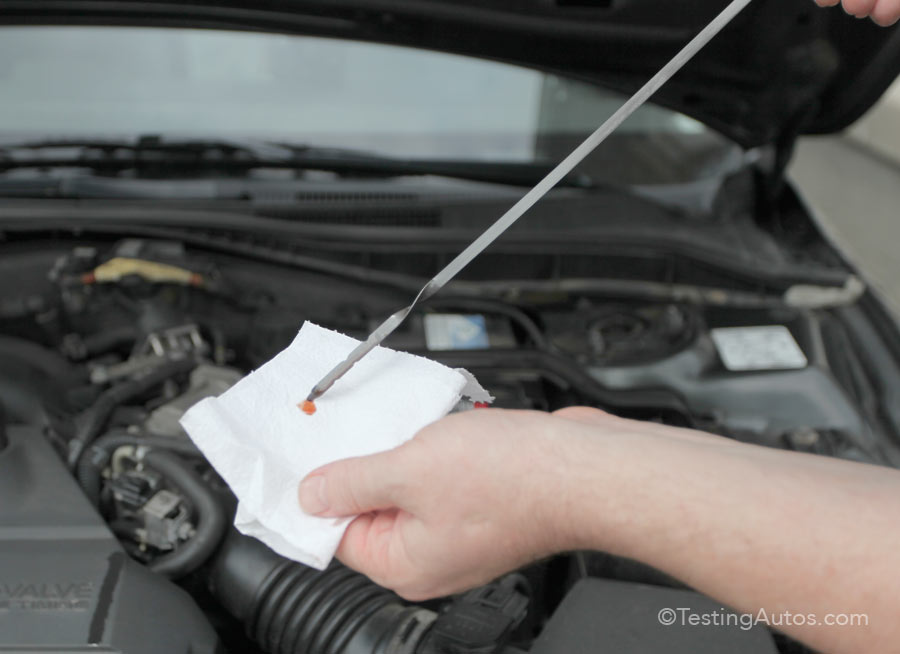
Healthy transmission fluid is bright red or pink. When it looks dark brown or black, it is old and dirty. Check the fluid using the dipstick under the hood. Dark fluid means it’s time for a change.
Burning Smell
Fresh transmission fluid has a slightly sweet smell. A strong, burnt odor shows the fluid is overheating. This happens when the fluid gets old or contaminated. A burning smell signals the need for new fluid.
Difficulty Shifting Gears
Transmission fluid lubricates and cools the gears. If shifting feels rough or delayed, the fluid may be low or dirty. Slipping gears or strange noises are signs the fluid needs attention.
Transmission Overheating
Old or low fluid causes the transmission to overheat. Your car’s dashboard may show a warning light. Overheating can lead to serious damage. Change the fluid to help keep the transmission cool.
Fluid Leaks
Look for red fluid spots under your car. Transmission fluid leaks lower fluid levels. Low fluid can cause shifting problems and damage. Fix leaks and replace the fluid to protect your transmission.
Risks Of Never Changing Transmission Fluid
Transmission fluid plays a vital role in keeping your vehicle’s transmission running smoothly. Over time, this fluid breaks down and loses its ability to protect and lubricate. Never changing the transmission fluid can cause serious problems.
Old fluid becomes dirty and thick. It cannot move through the transmission as it should. This leads to poor performance and can cause parts to wear out faster.
Increased Transmission Wear
Dirty fluid causes metal parts to rub against each other. This creates friction and damages the transmission. Over time, this wear can lead to costly repairs or even total failure.
Overheating Issues
Clean transmission fluid helps cool the transmission. Old fluid loses this ability. Overheating can cause seals and gaskets to fail, leading to leaks and further damage.
Poor Shifting Performance
Thick, dirty fluid affects how smoothly gears shift. You may feel jerks or delays when changing gears. This can make driving unsafe and uncomfortable.
Increased Risk Of Transmission Failure
Failing to change transmission fluid raises the risk of complete transmission failure. Replacing or fixing a transmission is expensive and time-consuming. Early fluid changes help avoid this problem.
How Transmission Fluid Affects Vehicle Performance
Transmission fluid plays a key role in how your vehicle runs. It keeps the transmission parts moving smoothly. This fluid helps reduce wear and tear on gears and other components.
Good transmission fluid ensures quick and smooth gear shifts. It also stops the transmission from overheating. Overheated transmission fluid can cause serious damage over time.
Dirty or old fluid loses its ability to protect parts. This can lead to slipping gears or rough shifting. In some cases, the transmission may fail completely.
Lubrication And Protection
Transmission fluid lubricates the moving parts inside the transmission. This reduces friction and prevents damage. Without proper lubrication, parts wear out faster.
The fluid also protects metal surfaces from rust and corrosion. Clean fluid keeps the transmission working well for longer.
Cooling The Transmission
Transmission fluid helps carry heat away from the transmission. This prevents overheating and damage. Overheated transmission fluid can break down and lose effectiveness.
Keeping the fluid fresh helps maintain the right temperature. This protects the transmission during heavy use or hot weather.
Ensuring Smooth Gear Shifts
Transmission fluid acts as a hydraulic fluid. It helps move gears smoothly and without delay. Old or dirty fluid can cause jerky or delayed shifting.
Proper fluid condition means better control and comfort while driving. It also reduces stress on the transmission system.
Credit: www.testingautos.com
Steps To Change Transmission Fluid Properly
Changing transmission fluid is important for your vehicle’s health. Old fluid can cause shifting problems and damage parts. Follow these steps to change your transmission fluid correctly. Doing it right saves money and keeps your car running smoothly.
Prepare Your Vehicle
Park your car on a flat surface. Turn off the engine and let it cool. Gather all tools and new transmission fluid. Wear gloves to protect your hands. Use safety glasses for eye protection.
Drain The Old Transmission Fluid
Locate the transmission fluid drain plug under your car. Place a drain pan below the plug. Remove the plug carefully. Let all the old fluid drain out. Replace the drain plug and tighten it securely.
Remove And Clean The Transmission Pan
Unscrew the bolts holding the transmission pan. Lower the pan gently to avoid spills. Clean the pan with a rag or paper towel. Remove the old gasket and clean the surface. Install a new gasket before reattaching the pan.
Replace The Transmission Filter
Find the transmission filter inside the pan area. Remove the old filter carefully. Install the new filter in the same position. Make sure it fits snugly to avoid leaks.
Refill With New Transmission Fluid
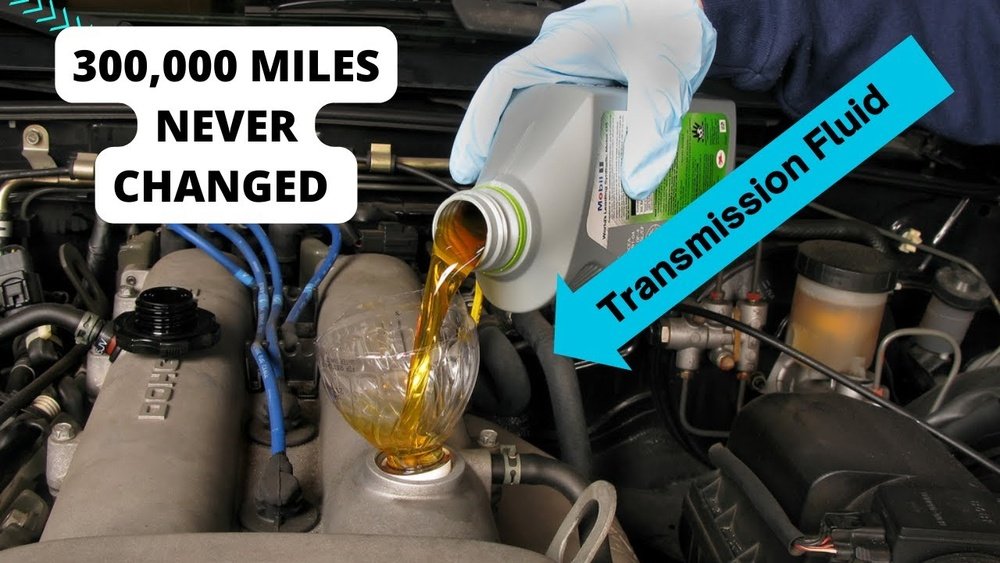
Locate the transmission fluid dipstick tube. Use a funnel to pour new fluid slowly. Add the exact amount recommended in the manual. Check the fluid level with the dipstick. Add more fluid if needed, but do not overfill.
Check For Leaks And Test Drive
Start the engine and let it run for a few minutes. Look under the car for any leaks. Shift through all gears to circulate the fluid. Take a short test drive to ensure smooth shifting. Recheck the fluid level after driving.
Tips To Maintain Healthy Transmission Fluid
Maintaining healthy transmission fluid helps your car run smoothly. Clean and fresh fluid prevents damage and costly repairs. Follow these simple tips to keep your transmission fluid in good shape.
Check Transmission Fluid Level Regularly
Check the fluid level every month or two. Use the dipstick while the engine is warm. Low fluid can cause slipping or overheating. Add the right type of fluid if levels are low.
Inspect Fluid Color And Smell
Healthy transmission fluid is bright red or pink. Dark or brown fluid may mean it is dirty. A burnt smell signals the fluid needs changing. Check fluid often to spot issues early.
Use The Correct Transmission Fluid
Use the fluid type recommended in your owner’s manual. Wrong fluid can harm transmission parts. Choose high-quality fluid for better protection and performance.
Avoid Harsh Driving Habits
Drive gently to reduce transmission wear. Avoid sudden starts and stops. Do not overload your vehicle beyond its limit. Smooth driving helps keep fluid clean longer.
Schedule Regular Fluid Changes
Change transmission fluid as suggested by the manufacturer. Even if it looks fine, old fluid loses effectiveness. Regular changes extend the life of your transmission.

Credit: www.youtube.com
Frequently Asked Questions
How Often Should Transmission Fluid Be Changed?
Transmission fluid should usually be changed every 30,000 to 60,000 miles. Check your car’s manual for specific intervals. Old fluid can cause problems.
Can Old Transmission Fluid Harm My Vehicle?
Yes, old fluid loses its ability to lubricate and cool parts. This can cause overheating and damage. Changing fluid helps keep the transmission healthy.
What Happens If Transmission Fluid Is Never Changed?
Neglecting fluid changes can lead to sludge buildup and poor shifting. It may cause costly repairs or transmission failure. Regular changes prevent these issues.
How Do I Know If My Transmission Fluid Needs Changing?
Look for dark, dirty fluid or a burnt smell. Slipping gears or rough shifts can also signal a problem. Check fluid color and level regularly.
Is It Safe To Change Transmission Fluid On High Mileage Cars?
Yes, but it should be done carefully to avoid leaks or damage. Use the correct fluid type and follow the vehicle’s guidelines. Consulting a mechanic is wise for older cars.
Conclusion
Changing transmission fluid that has never been replaced can save your car. Old fluid loses its power to protect and cool the transmission. Fresh fluid helps your vehicle run smoothly and last longer. Check your owner’s manual for the right time to change it.
Waiting too long can cause costly repairs. Taking care of your transmission now prevents future problems. Don’t ignore this small but important task. Your car will thank you with better performance and fewer issues. Simple maintenance keeps your vehicle healthy and safe on the road.