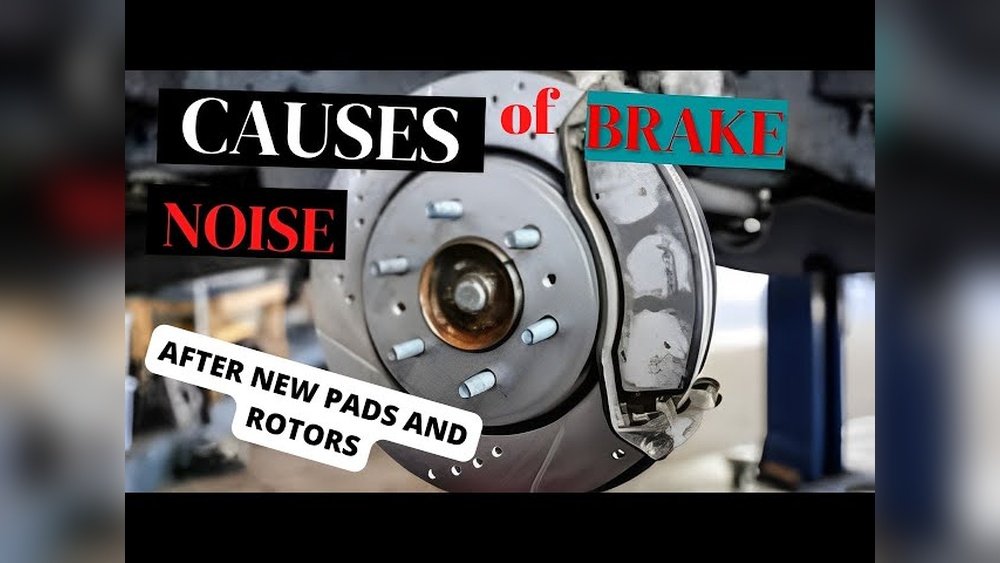
Why are My Brakes Grinding After New Pads And Rotors: Fix It Fast
Have you just replaced your brake pads and rotors, only to hear that annoying grinding sound every time you hit the brakes? It’s frustrating and worrying, especially when you expect smoother, quieter stops after new parts.
You might be wondering, “Why are my brakes still grinding? ” The truth is, this problem can happen for several reasons, and understanding them is key to keeping you safe on the road. Keep reading to find out what’s causing the noise and how you can fix it before it turns into a bigger issue.

Credit: www.reddit.com
Common Causes Of Brake Grinding
Brake grinding after installing new pads and rotors is frustrating. It signals something is wrong. Understanding common causes helps fix the problem fast. This section explains the main reasons for brake grinding after new parts.
Improper Installation
Incorrect installation is a top cause of brake noise. Pads may not sit right on the caliper. Rotors might not be aligned or tightened well. Even small mistakes cause grinding sounds. Proper tools and steps are essential for a quiet brake job.
Low-quality Parts
Cheap brake pads and rotors wear out fast. They can produce harsh noises soon after installation. Low-quality parts often lack smooth surfaces or proper materials. Investing in trusted brands reduces grinding risks and improves safety.
Rotor Surface Issues
Rotors must be clean and smooth for good contact with pads. Warped or scored rotors create uneven friction. This leads to grinding noises and poor braking. Resurfacing or replacing damaged rotors often solves the problem.

Credit: www.reddit.com
Signs Your Brakes Need Attention
Your brakes are crucial for safety on the road. Knowing the signs that your brakes need attention helps avoid accidents. Brakes that grind after installing new pads and rotors need a quick check. Early detection of problems keeps your car safe and running smoothly.
Noises And Vibrations
Grinding sounds often signal brake issues. New pads and rotors should not cause noise. Rough or uneven surfaces on rotors can create grinding sounds. Vibrations felt in the brake pedal or steering wheel also warn of trouble. These vibrations may mean warped rotors or loose parts. Ignoring these signs can lead to bigger problems.
Reduced Braking Performance
Slow or weak braking shows a brake system problem. Your car might take longer to stop than before. This can happen even with new pads and rotors. Air or debris in the brake lines reduces stopping power. Worn brake fluid or a damaged caliper also lowers performance. Always test your brakes carefully after repairs.
How Brake Pads And Rotors Work Together
Brake pads and rotors are the core parts of your vehicle’s braking system. They work as a team to slow down or stop your car safely. Understanding how they interact helps explain why issues like grinding noises occur after replacement.
The brake pads press against the rotors to create friction. This friction slows the wheels and brings the vehicle to a stop. Both parts must fit and work well together for smooth braking.
Role Of Brake Pads
Brake pads are made of a material that creates friction when pressed on the rotor. They wear down over time and need to be replaced regularly. New brake pads ensure strong stopping power and safety.
Function Of Rotors
Rotors are metal discs attached to the wheels. They spin as the wheels turn. When the brake pads squeeze the rotors, the car slows down. Rotors can also wear or get damaged, needing replacement or resurfacing.
Friction Between Pads And Rotors
The friction between brake pads and rotors produces the braking force. This friction must be even and consistent. Uneven contact can cause noise, vibration, or poor braking performance.
Importance Of Proper Installation
Proper installation of both brake pads and rotors is key. Misalignment or dirt can cause grinding sounds. Correct fitting ensures smooth contact and quieter brakes.

Credit: www.reddit.com
Step-by-step Fixes For Grinding Brakes
Grinding brakes after installing new pads and rotors can be frustrating. Fixing this issue is possible by following clear, simple steps. These steps help identify the cause and solve the problem quickly. Understanding the brake system and proper maintenance is key to stopping the noise and protecting your vehicle.
Inspecting The Brake Components
Start by checking all brake parts carefully. Look for dirt, dust, or debris stuck in the brakes. Examine the pads to see if they fit well on the rotors. Check the rotors for any scratches or rough spots. Inspect the calipers and hardware for damage or looseness. Proper inspection can reveal the root cause of the grinding noise.
Cleaning And Lubricating
Clean the brake parts to remove dirt and old grease. Use brake cleaner spray for best results. Avoid using oil or grease on the pads or rotors. Apply a small amount of brake lubricant on the caliper pins and back of the pads. This reduces friction and prevents noise. Proper cleaning and lubrication help brakes work smoothly.
Replacing Damaged Parts
Replace any parts that show signs of damage. Worn pads, scratched rotors, or broken hardware need replacement. Use parts that match your vehicle’s specifications. Installing new, quality components ensures better performance. After replacing parts, test the brakes carefully to confirm the noise is gone.
Preventing Future Brake Issues
Preventing future brake issues starts with smart choices and regular care. New pads and rotors can solve problems, but only if installed and maintained properly. Taking steps today can save money and keep your brakes working well longer.
Choosing Quality Parts
Use parts from trusted brands. Cheap pads and rotors often wear out fast and cause noise. Quality parts fit better and last longer. They also reduce the risk of grinding sounds after installation. Always check reviews and ask for recommendations before buying.
Regular Maintenance Tips
Inspect brakes regularly. Look for signs of wear or damage. Clean brake parts to remove dust and dirt. Avoid harsh driving, like sudden stops or hard braking. These habits help brakes stay smooth and quiet. Regular checks catch problems before they get worse.
When To Seek Professional Help
Sometimes, brake grinding after installing new pads and rotors signals a bigger problem. Knowing when to seek professional help can save you time and money. It also keeps you safe on the road.
Minor noises might clear up on their own. But certain signs mean you need an expert’s attention right away.
Persistent Grinding Noise
If the grinding sound stays loud after a few drives, it means something is wrong. A mechanic can check for misaligned parts or poor installation.
Brake Pedal Feels Soft Or Spongy
A soft or spongy brake pedal can indicate air in the brake lines or fluid leaks. Professionals have the tools to fix these issues safely.
Uneven Brake Wear
New pads and rotors should wear evenly. Uneven wear might suggest a stuck caliper or damaged components. A mechanic can spot and fix this problem.
Warning Lights On Dashboard
Brake warning lights mean the system detects trouble. Don’t ignore these lights. Let a professional diagnose the exact cause.
Vibration Or Shaking While Braking
Feel vibration or shaking when braking? This could mean warped rotors or loose parts. A technician can inspect and repair the brakes properly.
Frequently Asked Questions
Why Do My Brakes Grind After Installing New Pads?
New brake pads may need time to break in or “bed” properly. Grinding can happen if pads are not seated well against rotors.
Can Poor Rotor Quality Cause Brake Grinding Sounds?
Yes, low-quality rotors may have uneven surfaces that cause grinding noises when brakes apply. Smooth, well-machined rotors reduce this risk.
Could Brake Dust Cause Grinding After New Brake Parts?
Brake dust buildup between pads and rotors may create grinding noises. Cleaning the brake area can often fix this issue quickly.
Is Improper Brake Pad Installation A Reason For Grinding?
Incorrectly installed pads may not contact rotors evenly, causing grinding sounds. Proper installation by a skilled mechanic prevents this problem.
How Does Rotor Thickness Affect Brake Grinding After Replacement?
Rotors that are too thin or uneven cause poor contact and grinding noises. Using rotors of correct thickness ensures smooth braking performance.
Conclusion
Grinding brakes after new pads and rotors can signal a problem. It might be due to dirt, poor installation, or worn parts. Don’t ignore these sounds as they affect your safety. Check for debris or misalignment early. Sometimes, new parts need time to settle.
If grinding stays, have a mechanic inspect your brakes. Keeping brakes quiet means smoother, safer drives. Regular checks help avoid costly repairs later. Stay alert and maintain your brakes well. Safe driving starts with good brake care.