What Does Transmission Fluid Look Like on the Ground: Key Signs
Have you ever noticed a strange spot under your car and wondered what it could be? If your vehicle is leaking, one common culprit is transmission fluid.
But how can you tell if that puddle on your driveway is actually transmission fluid? Knowing what transmission fluid looks like on the ground can save you time, money, and headaches. You’ll learn exactly what to look for, so you can spot potential problems early and keep your car running smoothly.
Keep reading to find out how to identify transmission fluid and what steps to take next.
Identifying Transmission Fluid Leaks
Transmission fluid leaks can cause serious car problems. Spotting them early helps avoid costly repairs. Transmission fluid has unique colors and textures. Knowing these signs makes it easier to find leaks.
Check the ground under your car after parking. Look closely for small puddles or spots. Transmission fluid is slippery and has a distinct color. It often pools near the front or middle of the car.
Color Of Transmission Fluid
Transmission fluid usually has a bright red or pink color. New fluid looks clear and shiny. Old or damaged fluid may turn brown or dark red. If the fluid on the ground matches these colors, it could be transmission fluid.
Texture And Smell
Transmission fluid feels slick and oily to touch. It is thinner than engine oil but thicker than water. The smell is slightly sweet or burnt if old. This helps tell it apart from other car fluids.
Common Leak Locations
Leaks often come from the transmission pan or cooler lines. Look under the car near the transmission area. Check seals and gaskets for signs of wetness. Transmission fluid can drip slowly or form small puddles.
Difference From Other Fluids
Engine oil is usually black or dark brown. Coolant is often green, orange, or blue and feels watery. Brake fluid is clear to yellow and sticky. Transmission fluid is red and slick. This makes it easier to identify on the ground.

Credit: lifehacker.com
Common Colors Of Transmission Fluid
Transmission fluid leaks can cause different stains on the ground. The color of the fluid helps identify if it is transmission fluid and its condition. Recognizing the common colors of transmission fluid is important for car owners. It can signal if the fluid is fresh or needs changing.
Transmission fluid usually comes in a few standard colors. These colors change as the fluid ages or becomes contaminated. Each color tells a different story about the health of your vehicle’s transmission.
Bright Red Transmission Fluid
Bright red is the most common color for new transmission fluid. It looks clear and shiny. This color means the fluid is fresh and working well. Bright red fluid lubricates and cools the transmission effectively.
Dark Red Or Brown Transmission Fluid
Dark red or brown fluid means the transmission fluid is old. It may have dirt and metal particles inside. This color shows the fluid is breaking down and losing its ability to protect parts. Changing the fluid soon is important.
Black Or Burnt Transmission Fluid
Black or burnt-smelling fluid signals serious trouble. The fluid has overheated and is damaged. It can cause slipping and hard shifting in the transmission. This color means immediate service is needed to avoid damage.
Pink Or Milky Transmission Fluid
Pink or milky fluid means water or coolant mixed with transmission fluid. It can happen after a leak or gasket failure. This fluid is unsafe and can cause transmission failure. Fix the source of contamination quickly.
Texture And Consistency Clues
Transmission fluid has a unique feel that helps identify it on the ground. Understanding its texture and consistency gives clues about its condition and type. This knowledge can help you spot leaks early and protect your vehicle.
Feel Of Transmission Fluid
Transmission fluid feels smooth and slippery. It is thinner than motor oil but thicker than water. When rubbed between fingers, it glides easily without any grainy particles. This slick texture helps lubricate the transmission parts well.
Consistency Changes Over Time
Fresh transmission fluid is usually clear or bright red and flows freely. Old or damaged fluid becomes darker and thicker. It may feel sticky or gummy. This change in consistency signals wear or contamination inside the transmission.
Comparison With Other Fluids
Transmission fluid is less sticky than engine oil but more than brake fluid. It is not as watery as coolant. This middle ground in consistency helps distinguish it from other common automotive leaks on the ground.

Credit: harristirecompany.com
Locations Where Fluid Typically Drips
Transmission fluid leaks usually happen in certain spots under a vehicle. These spots show where the fluid might drip from. Knowing these locations helps you spot leaks early. It also helps prevent bigger car problems.
Transmission fluid is vital for your car’s smooth shifting. A leak can cause slipping gears or damage. Watch the ground beneath these common areas for signs of fluid.
Under The Transmission Pan
The transmission pan holds the fluid inside the transmission. It is a flat, metal cover at the bottom. Leaks here happen from loose bolts or a bad gasket. Fluid drips from this spot often make a small puddle.
Near The Transmission Cooler Lines
Cooler lines carry fluid to cool it down. These thin tubes run from the transmission to the radiator. They can crack or loosen, causing slow leaks. Fluid drops here are often small and red or pink.
At The Transmission Seals
Seals stop fluid from escaping where parts move. Common seals include the input shaft and output shaft seals. When seals wear out, fluid leaks near the engine or driveshaft. The fluid may appear fresh and shiny on the ground.
Under The Torque Converter
The torque converter connects the engine to the transmission. It sits behind the transmission pan inside the bell housing. Leaks here are rare but serious. Fluid dripping from this area usually pools near the engine’s lower side.
Differences Between Transmission Fluid And Other Leaks
Transmission fluid is usually red or pink and feels slippery. Oil leaks tend to be darker and thicker. Knowing these differences helps identify the type of leak on the ground.
Car leaks can come from many parts. Each leak has a different look and feel. Knowing what transmission fluid looks like helps to spot problems early. It also helps to avoid confusion with other fluids like engine oil or coolant.
Transmission fluid is usually bright red or pink. It can be clear or brown if old. Other fluids have different colors and textures. This makes it easier to tell them apart on the ground.
Color Differences
Transmission fluid is mostly red or pink. Sometimes it looks light brown if old. Engine oil is dark brown or black. Coolant comes in green, orange, or yellow. Brake fluid is clear to light yellow. Color is a quick way to know what leaked.
Texture And Smell
Transmission fluid feels slippery and smooth. Engine oil is thicker and sticky. Coolant feels watery and can be sweet-smelling. Brake fluid is oily but not as thick as oil. Smell also helps identify the fluid type.
Leak Location
Transmission fluid leaks often appear under the middle or front of the car. Engine oil leaks appear near the engine area. Coolant leaks usually come from the radiator or hoses. Brake fluid leaks are near the wheels or under the brake lines. Spotting the leak’s location helps find the source.
What Transmission Fluid Spots Reveal About Vehicle Health
Transmission fluid spots on the ground can tell a lot about a vehicle’s condition. The color, texture, and location of these spots give clues. These clues help identify if the transmission system is working well or has issues. Checking these spots early can prevent costly repairs.
Transmission fluid is essential for smooth gear shifts and cooling parts. Spotting leaks early helps avoid damage to the transmission. Each sign points to specific problems under the hood.
Bright Red Spots: Healthy Fluid Or Fresh Leak
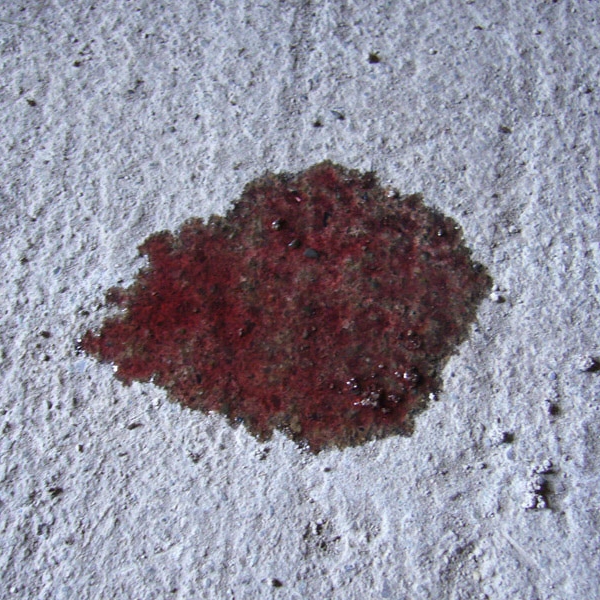
Bright red spots usually mean the fluid is fresh and healthy. This fluid is clean and works well to protect the transmission. A few drops may appear after parking, especially on hot days. It shows the transmission fluid is in good condition.
Still, even fresh leaks need attention. A small leak can grow bigger over time. Watch for more spots or changes in color.
Dark Red Or Brown Spots: Old Fluid Or Possible Damage
Dark red or brown spots indicate old or dirty fluid. This fluid loses its ability to protect the transmission parts. It may cause rough gear changes or slipping gears. Dark spots could mean the fluid needs changing soon.
Brown fluid might also point to overheating or worn-out parts. Ignoring these spots risks serious transmission damage.
Black Or Burnt-smelling Fluid: Severe Transmission Issues
Black or burnt-smelling fluid is a warning sign. It shows the fluid is burnt from overheating. This condition can cause serious damage inside the transmission. It may lead to costly repairs or total transmission failure.
Finding this type of spot means immediate attention is required. The vehicle should be checked by a mechanic quickly.
Location Of Spots: Leak Source Clues
The spot’s location helps find the leak source. Spots near the front often come from the transmission pan or seals. Spots under the middle could be from the transmission cooler lines. Spots near the rear might mean a leak in the transmission housing.
Knowing the spot location helps fix the leak faster. It prevents fluid loss and protects vehicle health.
Credit: www.ibuyjunkcarsphoenix.com
Frequently Asked Questions
What Color Is Transmission Fluid On The Ground?
Transmission fluid is usually bright red or pink. It can turn brown or dark if old or dirty. Fresh fluid is easy to spot due to its bright color.
How To Tell Transmission Fluid From Other Leaks?
Transmission fluid is slippery and has a slightly sweet smell. It feels oily, not watery like coolant or water. Its color helps distinguish it from engine oil or brake fluid.
What Does Burnt Transmission Fluid Look Like On The Ground?
Burnt transmission fluid appears dark brown or black. It smells burnt or acrid, not sweet. Dark color means the fluid needs changing or there is a problem.
Can Transmission Fluid Leak Cause Stains On Driveway?
Yes, transmission fluid leaves oily, colorful stains on concrete. The stains can be red, brown, or dark depending on fluid condition. These stains are often hard to remove.
Is It Normal To Find Transmission Fluid On The Ground?
No, transmission fluid leaks usually indicate a problem. It can mean a seal or gasket is failing. Fixing leaks early prevents bigger transmission damage.
Conclusion
Transmission fluid on the ground usually looks red or brownish. It often feels slippery and oily to touch. Noticing these signs early helps avoid big car problems. Check your vehicle regularly to catch leaks fast. Clean drops near your parking spot?
Don’t ignore them. Fixing leaks soon saves money and keeps your car safe. Stay alert to keep your transmission running smooth. Simple steps protect your car’s health and your peace of mind.