Which Exhaust Gas Reading Indicates a Good Catalytic Converter: Key Insights
Are you worried your car’s catalytic converter might not be working right? Knowing which exhaust gas reading shows a good catalytic converter can save you time and money.
If you want to keep your car running smoothly and avoid costly repairs, understanding these readings is key. You’ll discover exactly what to look for in your exhaust gas results and how to spot if your catalytic converter is doing its job well.
Keep reading—you’ll find simple tips that make a big difference for your vehicle’s health.
Role Of Catalytic Converters
Catalytic converters help reduce harmful gases from a car’s engine. They change toxic gases into less harmful substances before the gases leave the exhaust. This process helps protect the air we breathe.
The converter uses a special material that causes a chemical reaction. This reaction turns dangerous gases like carbon monoxide and nitrogen oxides into safer gases like carbon dioxide and nitrogen. It keeps the environment cleaner and helps cars meet emission rules.
How Catalytic Converters Work
Exhaust gases enter the catalytic converter from the engine. Inside, a catalyst made of metals like platinum and palladium helps break down pollutants. The gases react on the catalyst surface, changing their chemical makeup. Cleaner gases then exit the exhaust pipe.
Importance Of Emission Control
Cars produce gases that harm the environment and human health. Catalytic converters reduce these gases significantly. They lower air pollution and help fight smog and acid rain. Proper functioning converters keep emissions within legal limits.
Signs Of A Healthy Catalytic Converter
A good catalytic converter lowers harmful gas levels in exhaust. Carbon monoxide and hydrocarbons should be low in the exhaust gas reading. Oxygen levels also give clues about converter efficiency. Balanced gas readings mean the converter works well.

Credit: www.reddit.com
Common Exhaust Gas Readings
Exhaust gas readings help check how well a catalytic converter works. These readings show the levels of certain gases in the exhaust. Different gases tell us about the engine’s health and pollution control.
Measuring these gases can reveal if the catalytic converter cleans the exhaust properly. Below are common exhaust gas readings and what they mean.
Oxygen (o2) Levels
Oxygen sensor measures leftover oxygen in exhaust gases. A healthy catalytic converter lowers oxygen levels. High oxygen means incomplete combustion or a bad converter.
Carbon Monoxide (co) Levels
CO is a harmful gas from burning fuel. A good catalytic converter reduces CO to safe levels. High CO means the converter is not working well.
Hydrocarbons (hc) Levels
HC gases come from unburned fuel. A working catalytic converter burns these gases. High HC levels show poor combustion or a damaged converter.
Nitrogen Oxides (nox) Levels
NOx gases cause smog and acid rain. A good catalytic converter lowers NOx emissions. High NOx levels suggest the converter is failing.
Ideal Gas Levels For Efficiency
Ideal gas levels show how well a catalytic converter works. Low carbon monoxide and hydrocarbons mean good efficiency. Oxygen levels near zero also signal proper function.
Understanding Oxygen (o2) Levels
Oxygen levels in the exhaust indicate how well the catalytic converter works. Ideal O2 readings are usually low. This means the converter uses oxygen to burn harmful gases. High oxygen levels suggest the converter may not be processing gases efficiently. A healthy catalytic converter keeps oxygen levels balanced and stable.
Carbon Monoxide (co) Measurements
Carbon monoxide is a dangerous gas produced by engines. A good catalytic converter lowers CO levels in the exhaust. Efficient converters reduce CO to less than 0.3% in many cases. If CO levels stay high, the converter might be failing. Low CO shows the converter is cleaning exhaust gases well.
Hydrocarbon (hc) Concentrations
Hydrocarbons come from unburned fuel in the engine. The catalytic converter burns these hydrocarbons. Ideal HC readings are very low or near zero. High HC levels mean the converter is not breaking down fuel fully. Low HC levels confirm the converter’s effectiveness in reducing pollution.
Nitrogen Oxides (nox) Limits
Nitrogen oxides cause smog and health problems. A good catalytic converter reduces NOx emissions significantly. Ideal NOx levels are less than 0.05%. If NOx remains high, the converter may be clogged or damaged. Low NOx levels indicate the converter is working well to clean exhaust gases.
Symptoms Of A Failing Converter
The catalytic converter plays a key role in reducing harmful emissions from your vehicle. When it starts to fail, your car shows clear signs. Recognizing these symptoms early helps protect your engine and environment.
Failing catalytic converters affect performance and fuel efficiency. They can cause serious damage if ignored for too long.
html:Decreased Engine Performance
One common symptom is reduced engine power. The car may struggle to accelerate or feel sluggish. This happens because the converter blocks exhaust flow.
Engine misfires or rough idling can also occur. These issues make driving unsafe and uncomfortable.
html:Increased Exhaust Emissions
A failing converter cannot clean exhaust gases properly. This leads to higher emissions of harmful pollutants. You might notice a strong, unusual smell from the tailpipe.
Failing an emissions test is another sign. This signals the converter is not working as it should.
html:Check Engine Light Activation
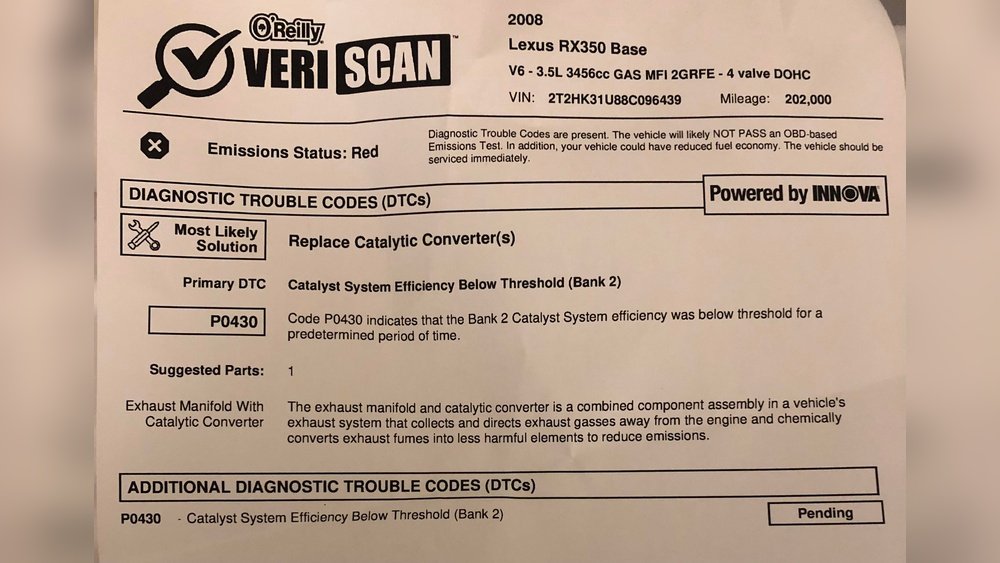
The check engine light often turns on with converter issues. The car’s computer detects problems in the exhaust system. A diagnostic scan can confirm if the converter is the cause.
Ignoring this warning can lead to costly repairs later.
html:Overheating Under The Vehicle
A bad converter may cause excessive heat buildup. The area beneath the car might feel hotter than usual after driving. This heat can damage surrounding parts and the exhaust system.
Watch for signs like a burning smell or discoloration under the vehicle.
Testing Methods For Gas Readings
Testing the exhaust gas readings is key to checking a catalytic converter’s health. These tests help measure how well the converter cleans harmful gases from the engine. Different methods capture specific gas levels to show if the converter works properly.
Each testing method uses tools to read gases like carbon monoxide, hydrocarbons, and oxygen. These readings indicate how efficiently the catalytic converter reduces pollution. Understanding these methods helps spot faulty converters early.
Using An Exhaust Gas Analyzer
An exhaust gas analyzer measures gas levels directly from the tailpipe. It detects carbon monoxide (CO), hydrocarbons (HC), and oxygen (O2). Low CO and HC with balanced O2 suggest a good catalytic converter. High CO or HC levels may mean the converter is failing.
Oxygen Sensor Readings
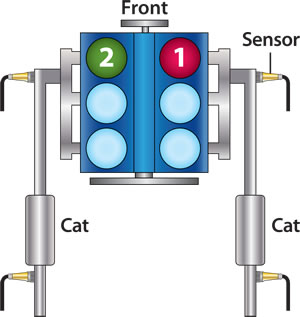
Oxygen sensors before and after the catalytic converter track oxygen levels. The front sensor shows engine air-fuel mix. The rear sensor shows converter efficiency. Small differences between sensors mean the converter cleans gases well.
Emissions Smog Test
Smog tests use special machines to check exhaust gases. They measure pollutant levels against legal limits. Passing the test usually means the catalytic converter works. Failing shows gas readings that signal converter problems.

Credit: www.brakeandfrontend.com
Credit: premierautotrade.com.au
Frequently Asked Questions
What Exhaust Gas Values Show A Good Catalytic Converter?
A good catalytic converter usually shows low carbon monoxide (CO) levels. It also has reduced hydrocarbons (HC) and nitrogen oxides (NOx) in the exhaust gas. These readings mean the converter cleans the emissions well.
How Does Oxygen Sensor Reading Relate To Catalytic Converter Health?
Oxygen sensors before and after the converter help check its efficiency. Similar oxygen levels on both sensors suggest the converter works properly. Big differences can mean the converter is failing.
What Co Level Indicates A Failing Catalytic Converter?
High carbon monoxide (CO) levels above 0. 3% in exhaust gas often mean a bad catalytic converter. This gas is toxic and should be low if the converter is good. Elevated CO shows poor emission control.
Can Exhaust Gas Readings Diagnose Catalytic Converter Problems?
Yes, exhaust gas readings give clear signs of converter health. Low CO, HC, and NOx levels indicate a good converter. Abnormal levels suggest the need for inspection or replacement.
Why Is Nox Level Important For Catalytic Converter Testing?
Nitrogen oxides (NOx) harm the environment and cause smog. A working catalytic converter lowers NOx in exhaust gases. High NOx levels often point to a converter that isn’t functioning well.
Conclusion
A good catalytic converter shows lower levels of harmful gases. Watch for reduced carbon monoxide and hydrocarbons in the exhaust. This means the converter cleans the emissions well. Oxygen sensor readings should also stay balanced. These signs help you know the converter works properly.
Regular checks keep your car running clean and efficient. Keep these points in mind to spot a healthy catalytic converter. It saves money and protects the environment. Simple tests can give you peace of mind.