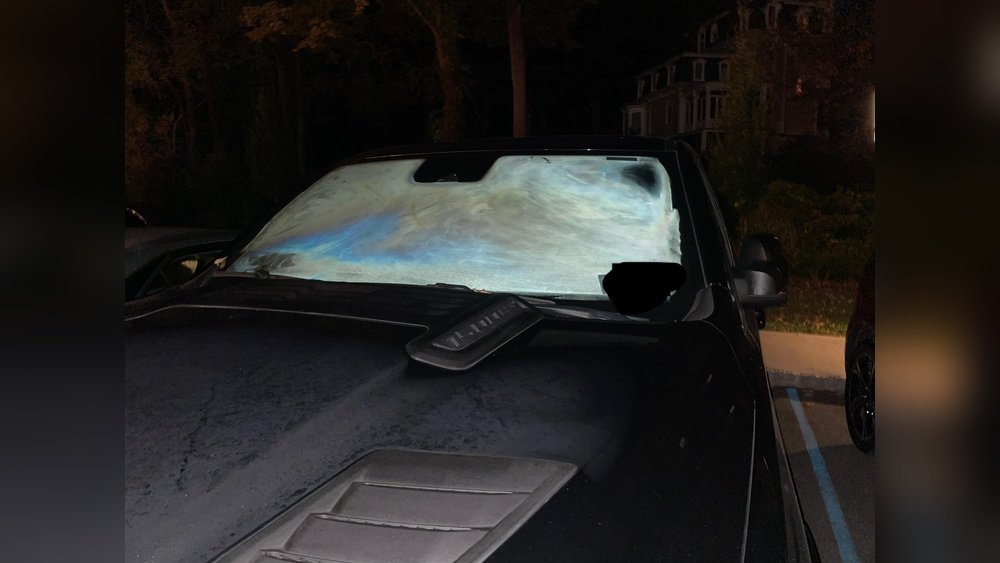
Why are My Car Windows Fogging Up Inside When Parked: Causes & Fixes
Have you ever stepped into your parked car only to find the windows fogged up on the inside? It’s frustrating, isn’t it?
You can’t see clearly, and wiping the glass feels like a never-ending battle. But why does this happen, and more importantly, how can you stop it? You’ll discover the surprising reasons behind those foggy windows and simple steps you can take to keep your car clear and safe.
Keep reading—you’ll wish you knew this sooner!
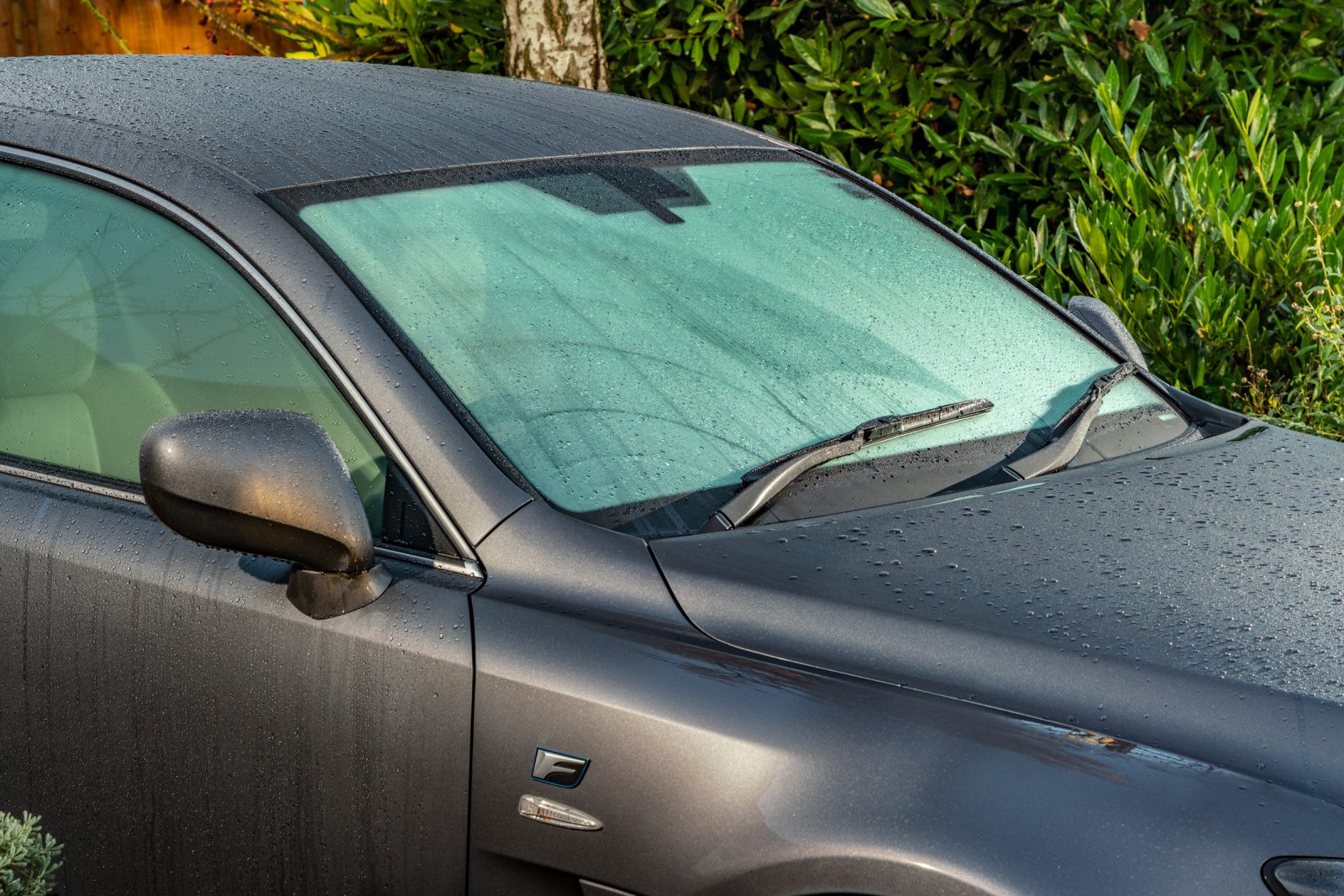
Credit: mag.lexus.co.uk
Common Causes Of Interior Window Fog
Foggy windows inside your car can be annoying and unsafe. Understanding why this happens helps you fix the problem fast. Moisture inside the car meets cold glass, causing fog. Several common reasons cause this moisture build-up.
Humidity Inside The Car
Moisture from wet clothes, shoes, or breath raises humidity inside. This trapped moisture condenses on the cold windows. Even small amounts of water can cause fog.
Temperature Differences
Cold weather outside cools the glass quickly. Warm air inside your car holds moisture. When warm air hits cold glass, it turns into fog.
Blocked Or Dirty Air Vents
Air vents help keep the windows clear. Dirt or debris can block airflow. Without proper airflow, moisture builds up on windows.
Leaking Seals Or Windows
Broken seals let rain or snow water inside. This extra water adds to moisture inside the car. Leaks also make the inside colder, increasing fog.

Credit: www.reddit.com
How Moisture Builds Up Inside Your Car
Moisture inside a car comes from wet clothes, breathing, or leaks. When the car cools down, this moisture turns into fog on the windows. Trapped air with water vapor causes the glass to fog up while parked.
Moisture inside a car causes windows to fog up. Understanding how this moisture builds helps prevent fogging. Moisture comes from many sources inside the car.
Breathing releases water vapor. When people sit inside, they add moisture to the air. Wet clothes, shoes, or umbrellas also bring water inside. Snow, rain, or mud can add moisture too.
Even the air outside can carry moisture. When the temperature drops, this moisture turns into condensation. This causes the inside of the windows to fog up.
Breath And Body Moisture
Humans release moisture with every breath. Sitting in a closed car traps this moisture. The small space makes the air feel damp quickly. More people inside means more moisture in the air.
Wet Items Inside The Car
Wet clothes and shoes add water vapor as they dry. Leaving umbrellas or towels inside adds more moisture. This water evaporates into the air over time. It settles on cold surfaces like windows.
Outside Weather Conditions
Rain, snow, or humidity outside affect inside moisture. Water can enter the car on shoes or clothes. Cold air holds less moisture than warm air. When warm moist air hits cold glass, fog forms.
Car Ventilation And Seals
Poor ventilation traps moist air inside the car. Old or damaged seals let water leak inside. Moisture builds up if air cannot flow freely. Proper ventilation helps reduce inside humidity.
Effects Of Temperature Differences On Fogging
Temperature differences play a big role in why car windows fog up inside. When the air outside is cold, and the inside of your car is warmer, moisture in the air turns into tiny water droplets. These droplets form on your windows, creating fog. This happens because warm air holds more moisture than cold air.
As the warm air inside your car touches the cold glass, it cools down quickly. The moisture in the air then changes from gas to liquid. This process is called condensation. It makes the windows look misty or foggy, reducing visibility.
How Cold Glass Causes Inside Fogging
Cold glass cools the warm air near it. This cool air cannot hold much moisture. The excess moisture changes into water droplets. These droplets stick to the glass surface. The result is fog on the inside of your windows.
Warm Air And Moisture Inside The Car
People breathing inside the car add moisture to the air. Wet clothes or wet shoes also increase humidity. This moisture stays in the warm air inside. When it hits the cold windows, fog forms quickly.
Outside Temperature Impact On Window Fogging
Low outside temperatures make the glass colder. This causes more condensation inside. High humidity outside also raises the chance of fogging. The bigger the temperature gap, the more fog appears.
Simple Diy Fixes To Clear Foggy Windows
Foggy windows inside your car can be annoying and unsafe. They blur your view and cause distractions. Clearing the fog quickly is important. Many fixes are easy and you can do them yourself. No special tools or skills needed. Just a few simple steps can help you see clearly again.
These DIY methods work well to stop fog from building up inside your car windows. Try them one by one to find the best solution for your car. Keep your windows clear and your drives safe.
Use A Clean Cloth To Wipe Off Moisture
Grab a clean, dry cloth or microfiber towel. Wipe the inside of the windows gently but thoroughly. This removes the moisture that causes fog. Avoid using old rags that leave lint behind. Repeat as needed to keep windows clear.
Turn On The Defroster And Use Air Conditioning
Switch on your car’s defroster. Set the air conditioner to blow warm, dry air on the windshield. This helps remove moisture fast. Keep the fan on high to circulate air inside the car. It dries the windows and prevents fog from returning.
Apply A Homemade Anti-fog Solution
Mix equal parts water and vinegar in a spray bottle. Spray the inside of the windows lightly. Wipe with a clean cloth until dry. Vinegar stops fog from forming by reducing moisture buildup. Use this spray once a week for best results.
Open Windows For Ventilation
Crack your windows open slightly. This lets fresh air in and moist air out. It balances the temperature inside and outside the car. Proper airflow reduces humidity and fog on windows. Do this for a few minutes before driving.
Use Silica Gel Packs To Absorb Moisture
Place silica gel packs inside your car. These small packets soak up moisture from the air. Keep them on the dashboard or near windows. Replace or recharge them regularly for continued use. This reduces fog by lowering humidity inside the car.
Preventive Tips To Avoid Future Fogging
Preventing car windows from fogging up inside starts with simple daily habits. These tips help keep moisture away and maintain clear windows. Follow easy steps to avoid frustration and unsafe driving conditions.
Keep Your Car Interior Dry
Remove wet items like umbrellas, coats, or floor mats quickly. Moisture in the car raises humidity and causes fogging. Use a towel to dry any damp spots inside.
Ventilate Your Car Regularly
Open windows or doors for a few minutes daily. Fresh air lowers inside humidity and stops condensation. Even a short ventilation helps balance the temperature inside.
Use Your Air Conditioner Properly
Run the AC along with the heater to reduce moisture. The AC removes humidity from the air, clearing fog faster. Set the fan to fresh air mode instead of recirculation.
Apply Anti-fog Products On Windows
Use commercial anti-fog sprays or wipes on the glass. These products create a thin layer that blocks moisture buildup. Follow the instructions carefully for best results.
Check For Water Leaks
Inspect door seals and windows for any gaps or damage. Water leaks increase inside moisture and fog problems. Fix any leaks quickly to keep your car dry.

Credit: www.auffenbergfarmington.com
When To Seek Professional Help
Car windows fogging up inside while parked can be a simple issue or a sign of a bigger problem. Knowing when to call a professional saves time and avoids damage. Some signs need expert attention to keep your car safe and comfortable.
Persistent Fogging Despite Basic Fixes
If your windows fog up even after wiping and airing out, something is wrong. Persistent fog means moisture is trapped inside your car. Professionals use tools to find hidden leaks or moisture sources.
Water Leaks Inside The Car
Noticing wet carpets or seats? Water leaks cause foggy windows and can damage your car’s interior. Experts can locate and seal leaks to stop moisture from entering.
Heater Or Air Conditioner Malfunction
Faulty heating or cooling systems can cause window fogging. When your car’s defogger doesn’t work right, it needs professional repair. A mechanic can fix vents, fans, or controls to clear the fog.
Electrical Issues Affecting Defogger
Defogger problems sometimes come from electrical faults. Broken wires or blown fuses stop the rear window defogger from working. A technician checks electrical parts to restore proper function.
Unusual Smells Or Mold Growth
Fogging combined with musty smells may mean mold inside your car. Mold grows in damp places and causes health issues. Professionals clean and treat your car to remove mold safely.
Frequently Asked Questions
Why Do Car Windows Fog Up Inside When Parked?
Car windows fog up inside because of moisture inside the car. Warm air meets cold glass, causing water droplets to form. This happens more in wet or cold weather.
How Can I Prevent Car Windows From Fogging Up Inside?
Keep windows clean and dry to reduce fogging. Use a dehumidifier or open windows slightly for airflow. Avoid leaving wet items inside the car.
Does Car Heater Cause Windows To Fog Up Inside?
Yes, a car heater can add moisture to the air inside. This moisture condenses on cold windows, causing fog. Using the air conditioner or defrost mode helps reduce this.
Can A Blocked Air Vent Cause Window Fogging Inside The Car?
Blocked air vents stop air circulation, increasing moisture inside. Without airflow, windows fog up faster. Clear vents to keep air moving and windows clear.
Is Window Fogging Inside A Sign Of A Car Leak?
Window fogging might mean water is leaking into the car. Check door seals and windows for leaks. Fixing leaks helps keep the inside dry and windows clear.
Conclusion
Car windows fog up inside mostly due to moisture and temperature changes. Warm air inside meets cold glass, causing fog. Keep your car dry by removing wet items and fixing leaks. Use your defroster and air conditioner to clear fog quickly.
Regularly check seals and ventilation to prevent fog buildup. Staying aware helps you drive safely without fog blocking your view. Simple steps make a big difference in keeping windows clear.