What Size Air Compressor Do I Need for Impact Wrench: Ultimate Guide
Are you wondering what size air compressor you need to power your impact wrench? Picking the right air compressor can save you time, effort, and money.
Too small, and your tool won’t perform well; too big, and you’ll waste space and energy. The good news is, understanding the basics is easier than you think. You’ll discover exactly how to match your air compressor to your impact wrench’s needs.
By the end, you’ll feel confident choosing the perfect compressor that keeps your wrench running strong, whether you’re changing tires or tackling tougher jobs. Keep reading to find out what really matters when sizing your air compressor!

Credit: axatool.com
Air Compressor Basics
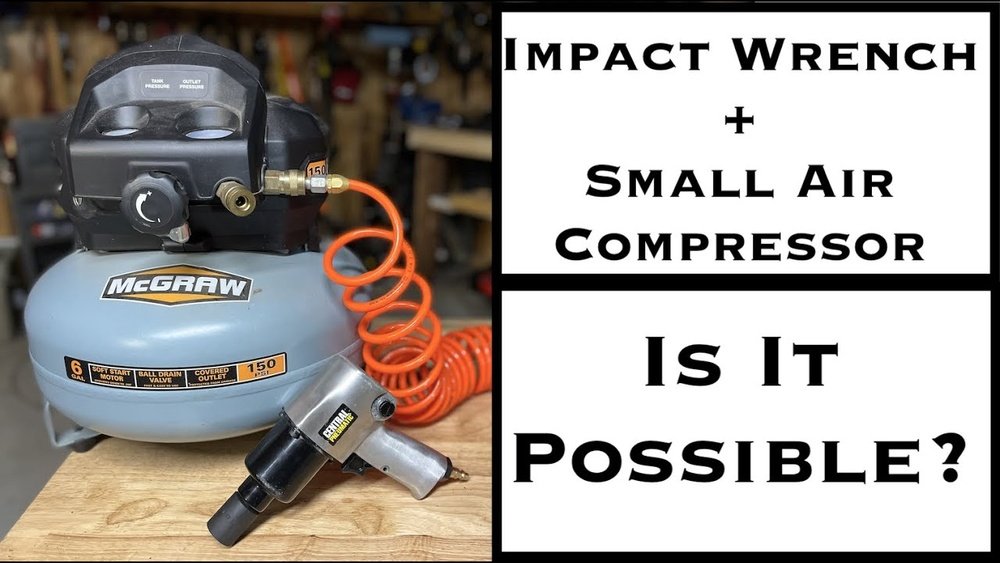
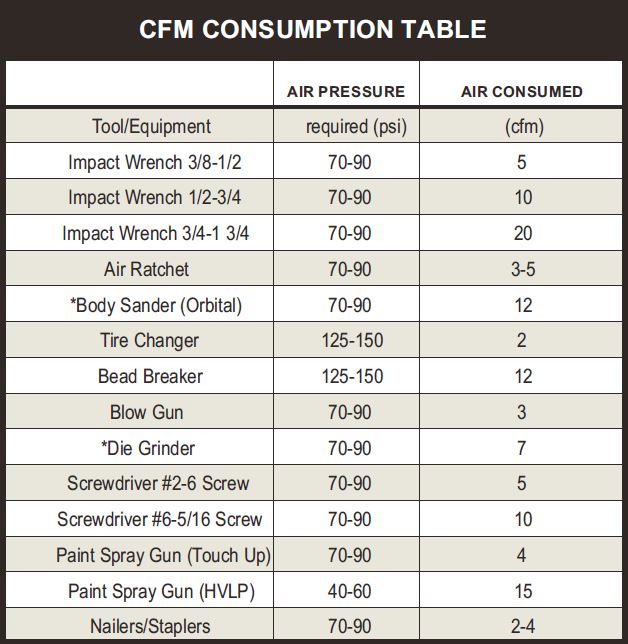
Choosing the right air compressor size depends on your impact wrench’s air consumption, measured in CFM (cubic feet per minute). Most impact wrenches need about 4-5 CFM at 90 PSI. A 6-gallon tank compressor often provides enough power for common tasks like removing lug nuts.
Understanding Air Compressor Basics
An air compressor stores and delivers compressed air to power tools.
It has two main parts: a motor and a tank. The motor compresses air into the tank.
The tank holds the compressed air until the tool needs it. The size of the tank affects how long you can use the tool.
Air Compressor Pressure And Psi
Pressure is how strong the air pushes out. It is measured in PSI (pounds per square inch).
Impact wrenches usually need about 90 PSI to work well.
Too low pressure makes the wrench weak. Too high pressure can damage the tool.
Air Flow And Cfm
CFM means cubic feet per minute. It shows how much air the compressor can supply.
Impact wrenches need between 4 and 5 CFM for good performance.
Higher CFM means the tool runs longer without stopping for the tank to refill.
Tank Size And Runtime
The tank size is important for how long you can use your tool.
Smaller tanks fill up quickly but run out of air fast.
Larger tanks provide longer work time but are heavier and less portable.
Electric Vs. Gas-powered Compressors
Electric compressors are quiet and easy to use indoors.
Gas compressors are powerful but noisy and need outdoor use.
Choose based on where you will work and power availability.
Credit: www.compressorpros.com
Cfm And Psi Requirements For Impact Wrenches
Impact wrenches need air compressors with the right power to work well. Two main factors define this power: CFM and PSI. Understanding these helps pick the right compressor for your wrench.
CFM stands for Cubic Feet per Minute. It measures how much air the compressor can deliver. PSI means Pounds per Square Inch. It shows how strong the air pressure is.
What Is Cfm And Why It Matters
CFM tells how much air flows through the compressor each minute. Impact wrenches use a burst of air quickly. They need enough CFM to keep working without stopping.
Too low CFM means the compressor tank empties fast. The wrench slows down or stops until the tank fills again. Choosing a compressor with enough CFM keeps your work smooth.
Understanding Psi Needs For Impact Wrenches
PSI is the air pressure level the wrench requires. Most impact wrenches work best at 90 PSI. This pressure gives the tool enough force to tighten or loosen bolts properly.
If PSI is too low, the wrench loses power. It won’t perform well on tough tasks. A steady 90 PSI ensures the wrench hits the right torque every time.
Matching Cfm And Psi For Your Impact Wrench
Check your impact wrench’s specs for exact CFM and PSI requirements. Most mid-sized wrenches need 4 to 5 CFM at 90 PSI. Larger models may need more air.
Pick an air compressor that meets or exceeds these numbers. This prevents the tool from stalling and saves your time on the job.
Tank Size And Its Role
The tank size of an air compressor plays a crucial role in powering an impact wrench. It stores compressed air, ensuring steady airflow during operation. Without an adequate tank size, the compressor may struggle to keep up with the wrench’s air demand.
A larger tank provides more air volume, which means longer run times between compressor cycles. This reduces the chance of the compressor shutting off during use. For impact wrenches, which work in short bursts, a proper tank size helps maintain consistent power.
Understanding Tank Capacity
Tank capacity is measured in gallons and indicates how much air the tank can hold. Common sizes range from 6 to 60 gallons. Smaller tanks fill up faster but run out of air quickly. Larger tanks hold more air but take longer to refill.
Tank Size And Air Delivery
A bigger tank delivers air smoothly without pressure drops. This steady supply is important for impact wrenches to work effectively. A small tank may cause the wrench to lose power during continuous use.
Choosing The Right Tank Size
Match the tank size to your work needs. For light jobs or occasional use, a 6-10 gallon tank may be enough. For frequent or heavy-duty tasks, select a tank of 20 gallons or more. This prevents interruptions and keeps the wrench running strong.

Credit: axatool.com
Choosing Between Small And Large Compressors
Choosing the right size air compressor for your impact wrench affects performance and efficiency. Small and large compressors serve different needs. Understanding their strengths helps you pick the best option.
Small Air Compressors: Portability And Convenience
Small compressors are easy to move and store. They usually have tanks under 10 gallons. These compressors deliver around 4 to 5 CFM at 90 PSI. This is enough for light tasks and short bursts of use.
They work well for home projects and occasional repairs. The motor runs less often but fills the tank quickly. Small compressors may struggle with continuous or heavy-duty work.
Large Air Compressors: Power And Continuous Use
Large compressors have tanks of 20 gallons or more. They provide higher CFM, often above 6 CFM at 90 PSI. This keeps the air pressure steady during long or tough jobs.
They are ideal for professional mechanics or frequent users. Large units run longer and cool better. These compressors handle bigger impact wrenches without losing power.
Balance Between Size And Job Requirements
Choosing depends on how often and how hard you will work. Small compressors suit casual users and light tasks. Large compressors fit regular use and demanding projects.
Consider your workspace size and noise limits. Large compressors need more space and can be louder. Small compressors offer quiet operation and save room.
Electric Vs Pneumatic Impact Wrenches
Choosing the right air compressor depends on the impact wrench’s air volume needs, measured in CFM. Pneumatic wrenches need a compressor with about 4-5 CFM for effective use. Electric wrenches don’t require compressors but offer less power for heavy jobs.
Impact wrenches come in two main types: electric and pneumatic. Each type has unique features and power needs. Choosing between them depends on your work style and tool setup.
Electric impact wrenches run on batteries or plug into outlets. They offer good mobility without hoses or compressors. Pneumatic wrenches use compressed air for power. They require an air compressor but deliver strong torque.
Power And Performance
Pneumatic impact wrenches usually provide higher torque than electric models. They handle tough jobs easily. Electric wrenches have improved but may not match pneumatic power for heavy tasks.
Electric tools suit light to medium work. They start quickly and need less maintenance. Pneumatic tools excel in long, demanding jobs and continuous use.
Air Compressor Requirements
Pneumatic wrenches need an air compressor with enough pressure and airflow. Most require 90 to 120 PSI and 4 to 5 CFM for smooth operation. Smaller compressors may cause the tool to lose power.
Electric wrenches do not need compressors. This makes them easier to use in remote or tight spaces. No worry about tank size or air supply.
Portability And Convenience
Electric impact wrenches offer great portability. Cordless models free you from cords and hoses. Ideal for quick repairs or outdoor work.
Pneumatic wrenches rely on hoses and compressors. This setup can limit movement. It works well in workshops or garages with permanent air lines.
Frequently Asked Questions
Can A 20 Gallon Air Compressor Run An Impact Wrench?
A 20-gallon air compressor can run an impact wrench for short bursts. Ensure it delivers 4-5 CFM at 90 PSI for optimal performance.
How Many Cfm For An Impact Wrench?
An impact wrench typically requires 4 to 5 CFM at 90 PSI for efficient operation during short bursts. Choose a compressor with at least this rating for optimal performance.
How Much Cfm Do I Need For An Impact Wrench?
You need an air compressor providing 4-5 CFM at 90 PSI to efficiently power a typical impact wrench.
Is A 3 Gallon Air Compressor Good For Impact Wrench?
A 3-gallon air compressor may run an impact wrench briefly but often lacks enough CFM for continuous use. Choose 4-5 CFM or higher for best performance.
Conclusion
Choosing the right air compressor size ensures your impact wrench works efficiently. Focus on the CFM rating and tank size for your tasks. Small compressors may run out of air quickly during heavy use. A 4-5 CFM compressor suits most impact wrenches well.
Think about how often and how long you will use the tool. The right compressor saves time and avoids tool damage. Match your compressor to your impact wrench needs for the best results. Simple choices make your work easier and more effective.