Can You Change an Oil Filter Without Draining the Oil? Expert Tips
Wondering if you can change your oil filter without draining all the engine oil first? The short answer is yes—you can.
But there’s more to it than just swapping filters. If you’ve ever hesitated to tackle this task because you think it means a messy, time-consuming oil change, this guide is for you. You’ll learn the simple steps to replace your oil filter cleanly and safely, without losing much oil or making a mess.
Plus, you’ll discover tips to keep your engine running smoothly and avoid common mistakes. Keep reading to find out how to change your oil filter like a pro—no full oil drain needed.

Credit: kit.bestparts.ca
Changing Oil Filter Without Draining Oil
Changing the oil filter without draining the oil is possible in many cases. This method saves time and reduces mess. It works well when the oil is still clean or has not reached the end of its life. The process involves removing the old filter carefully and installing a new one. A small amount of oil may spill, but it is usually minimal.
This technique suits routine maintenance or quick fixes. It is important to check the vehicle’s manual for specific instructions. Some engines may require draining the oil for proper filter replacement. Safety precautions and cleanliness are key to avoid contamination.
How To Remove The Old Oil Filter
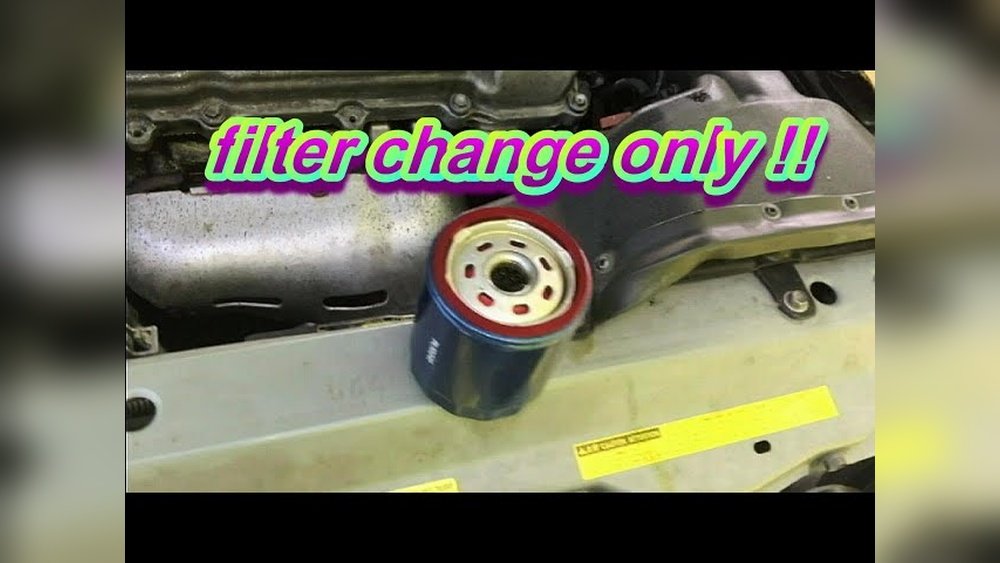
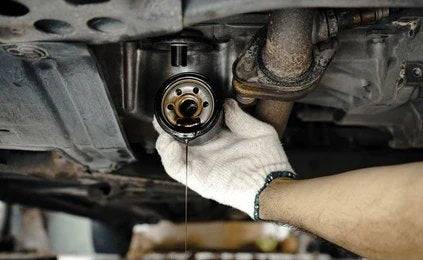
Begin by locating the oil filter under the hood or vehicle body. Use an oil filter wrench or your hands if the filter is loose. Turn the filter counterclockwise to unscrew it slowly. Keep a container ready to catch any dripping oil. Be gentle to prevent oil spills and damage to the filter mount.
Preparing And Installing The New Oil Filter
Clean the filter mounting surface with a clean cloth. Apply a thin layer of fresh oil to the rubber gasket on the new filter. This helps create a good seal and prevents leaks. Screw the new filter onto the engine by hand. Tighten it firmly but do not over-tighten; hand-tight is usually enough.
Topping Off Oil After Filter Change
Changing the filter without draining oil causes minor oil loss. Check the engine oil level with the dipstick afterward. Add fresh oil if the level is low. Use the correct type and amount of oil recommended for your vehicle. This step ensures the engine runs smoothly and avoids damage.
Credit: kit.bestparts.ca
Step-by-step Filter Replacement
Changing an oil filter without draining the oil is possible with careful steps. This method can save time and reduce mess. Follow these clear instructions to replace the filter safely and effectively.
Removing The Old Filter
First, locate the oil filter under the hood or beneath the car. Use an oil filter wrench or your hand to turn it counterclockwise. Be gentle to avoid spilling oil. Keep a rag handy to catch any drips. Once loose, carefully remove the filter and set it aside. Check the old filter’s rubber gasket and remove it if stuck on the engine.
Preparing The New Filter
Take the new filter out of its box. Dab a little fresh engine oil on the rubber gasket. This helps create a good seal and makes it easier to remove next time. Avoid over-oiling the gasket. Having a clean gasket prevents leaks and ensures proper fit. Double-check the filter model matches your vehicle’s specifications.
Installing The New Filter
Align the new filter with the mounting base. Screw it on by hand, turning clockwise. Tighten the filter until it is snug, usually hand-tight plus a quarter turn. Do not use tools to over-tighten, which can damage the gasket. After installation, wipe away any spilled oil. Start the engine and check for leaks around the filter. Turn off the engine and recheck the tightness.
Managing Oil Loss During Filter Change
Changing an oil filter without draining the oil can cause some oil to spill. Managing this oil loss is important to keep your engine running smoothly. Careful handling helps reduce mess and keeps oil levels steady.
Knowing how much oil is lost and checking the oil after the change keeps your engine safe. A quick check can prevent engine damage from low oil.
Amount Of Oil Lost
When you remove the oil filter, some oil trapped inside will spill out. Usually, the amount is small, about one to two ounces. This depends on the filter size and engine position.
Oil may drip from the filter mounting area too. Use a rag or container to catch this oil. Avoid letting it drip on engine parts or the ground.
Checking And Topping Off Oil
After installing the new oil filter, check the oil level with the dipstick. Do this before starting the engine. The level might drop slightly due to the oil loss.
If the oil level is low, add the recommended type of oil. Pour slowly and check the level often. Overfilling can also harm the engine.
Keep the oil level within the safe range to ensure proper lubrication. Repeat the oil level check after driving for a short distance.

Credit: www.youtube.com
Tools And Techniques For Mess-free Change
Changing an oil filter without draining the oil requires careful handling. Using the right tools and techniques helps keep the process clean and simple. This section covers essential tools and smart tips for a mess-free oil filter change.
Recommended Tools
- Oil filter wrench – for loosening tight filters easily.
- Drain pan – to catch any small oil spills during removal.
- Rags or shop towels – to wipe off excess oil quickly.
- Gloves – to protect your hands from oil and grime.
- Funnel – useful when adding new oil after the change.
- New oil filter – ensure it matches your vehicle’s specifications.
Tips To Avoid Spills
- Place the drain pan directly under the filter before removal.
- Loosen the filter slowly to control oil flow.
- Keep rags handy to wipe drips immediately.
- Turn off the engine and let it cool to reduce oil pressure.
- Lightly oil the new filter gasket to ensure a tight seal.
- Hand-tighten the new filter to avoid overtightening.
Frequently Asked Questions
Do You Need To Drain The Oil Before Changing The Oil Filter?
No, you don’t need to drain the oil before changing the oil filter. Some oil will spill from the filter during removal. Always check and top off the oil level after replacing the filter to maintain proper engine lubrication.
How Much Oil For Gr86 Oil Change?
The Toyota GR86 requires about 4. 4 quarts (4. 2 liters) of oil for an oil change with filter replacement. Use recommended synthetic oil for best performance.
Is Hand Tight Ok For An Oil Filter?
Hand tightening an oil filter is acceptable and commonly recommended. Tighten it until the gasket contacts the mounting surface, then turn it 3/4 to 1 full turn. Avoid overtightening to prevent damage or leaks. Always check for leaks after installation.
How Much Oil Will I Lose If I Just Change The Filter?
Changing the oil filter alone typically causes a loss of about a quarter to half a quart of oil. This oil drains from the filter housing and trapped oil inside the filter. Always check and top off the engine oil level after replacing the filter to maintain proper lubrication.
Conclusion
Changing an oil filter without draining the oil is possible. It takes care and attention to avoid spills. Always clean the mounting area before fitting a new filter. Hand-tighten the filter to prevent leaks but do not over-tighten. Check the oil level afterward and add more if needed.
Run the engine briefly and watch for leaks. This simple process saves time and oil. It keeps your engine healthy between full oil changes.