
What Happens If I Put Regular Gas Instead of Premium: Risks Revealed
Have you ever found yourself at the gas pump wondering if you can skip the extra cost of premium fuel and just fill up with regular gas instead? Maybe you’re curious about what really happens inside your engine if you make that choice.
Using regular gas instead of premium in a car that recommends premium isn’t always as simple as it seems. It can affect your car’s performance, fuel efficiency, and even lead to engine problems down the road. You’ll discover exactly what goes on under the hood when you use regular gas in a premium car, how your engine tries to cope, and what you should do if this happens to you.
Keep reading to avoid costly mistakes and protect your vehicle’s health.

Credit: www.reddit.com
Engine Knock And Its Impact
Using regular gas instead of premium can cause short-term problems. These risks mainly affect engine performance and comfort. Your car may not run as smoothly or efficiently.
Engine Knock And Ping
Regular gas has a lower octane rating than premium. This can cause engine knock, also called pinging. Knock happens when fuel ignites too early in the engine cylinder. It creates a knocking sound and puts stress on engine parts.
Reduced Engine Power
Your engine’s computer detects lower octane fuel. It slows down ignition timing to avoid damage. This reduces power and acceleration. You may feel your car is sluggish or slow to respond.
Increased Fuel Consumption
Using regular gas may lower fuel efficiency. The engine works harder to compensate for lower octane. This can lead to more frequent trips to the gas station. Your fuel costs might rise in the short term.
Temporary Rough Idle
Some drivers notice rough idling after using regular gas. The engine may run unevenly or shake slightly. This happens because the fuel burns less smoothly. Usually, this problem clears up after refilling with premium fuel.

Credit: www.reddit.com
How Modern Engines Adapt
Using regular gas instead of premium can harm your engine over time. Premium fuel has a higher octane rating that prevents knocking. Knocking causes small explosions inside the engine, which can damage parts.
Engines designed for premium fuel rely on this protection. Without it, the engine must work harder to avoid damage. This can lead to reduced performance and wear on engine components.
Engine Knock And Its Effects
Regular gas can cause engine knock in cars made for premium. Knock happens when fuel ignites too early. Early ignition creates pressure spikes that stress pistons and cylinders.
Repeated knocking can cause cracks or holes in engine parts. It also reduces fuel efficiency and power. Over time, this damage can lead to costly repairs or even engine failure.
Impact On Engine Timing And Efficiency
The engine’s computer adjusts timing to prevent knock from regular gas. It delays ignition to avoid damage but lowers engine power. This means your car may feel sluggish and less responsive.
Lower efficiency means the engine burns more fuel to perform the same work. This can increase your fuel costs. Long-term use of regular gas in a premium engine reduces overall engine health.
Carbon Build-up And Engine Wear
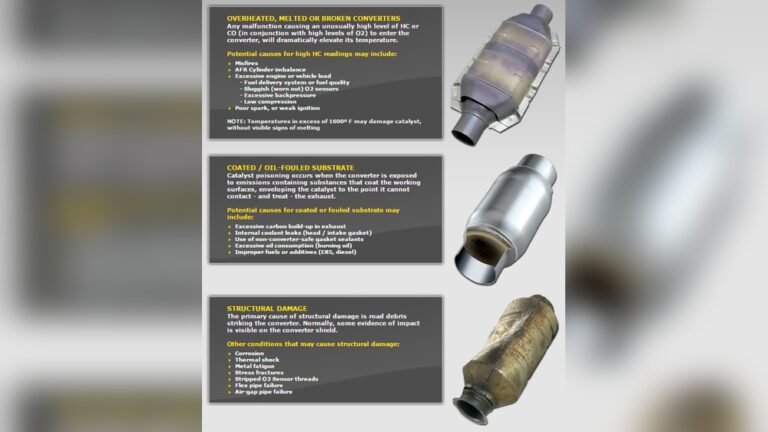
Regular gas may cause more carbon deposits inside the engine. These deposits build up on valves and pistons. Carbon buildup lowers engine efficiency and can cause rough idling.
Over time, heavy carbon deposits lead to poor combustion and engine wear. This can shorten your engine’s lifespan. Premium fuel helps keep the engine cleaner and running smoother.
Credit: www.youtube.com
Frequently Asked Questions
What Happens If I Use Regular Gas Instead Of Premium Once?
Using regular gas instead of premium can cause engine knocking and reduce performance. Modern engines may adjust timing but prolonged use risks damage. Occasional use is usually safe but avoid long-term substitution to protect your engine.
What To Do If I Accidentally Put 87 Instead Of 93?
Stop fueling immediately and avoid starting the engine. Drain the tank or add premium gas to dilute the 87 octane fuel. Monitor engine performance and consult a mechanic if knocking occurs. Acting quickly prevents engine damage and maintains optimal performance.
Is It Ok If I Mix 87 And 89 Octane Gas?
Yes, you can mix 87 and 89 octane gas without harm. The engine adjusts for the lower octane fuel. Mixing slightly different octane levels won’t damage your engine or affect performance significantly. Always follow your vehicle’s recommended octane for best results and fuel efficiency.
Can I Just Switch From Regular To Premium Gas?
Yes, you can switch from regular to premium gas safely. Premium fuel may improve performance and reduce engine knocking in some cars. Check your owner’s manual to confirm if premium is recommended or required for your vehicle before switching.
Conclusion
Choosing the right fuel matters for your car’s health and performance. Regular gas can cause knocking in engines made for premium fuel. The car’s computer tries to fix this by changing the timing, but it’s not perfect. Using regular gas often may harm your engine over time.
For the best results, follow your car’s fuel recommendations. This keeps your engine running smoothly and helps avoid costly repairs. Simple choices at the pump make a big difference for your vehicle.