Why Does My Serpentine Belt Squeal When I Accelerate: Causes & Fixes
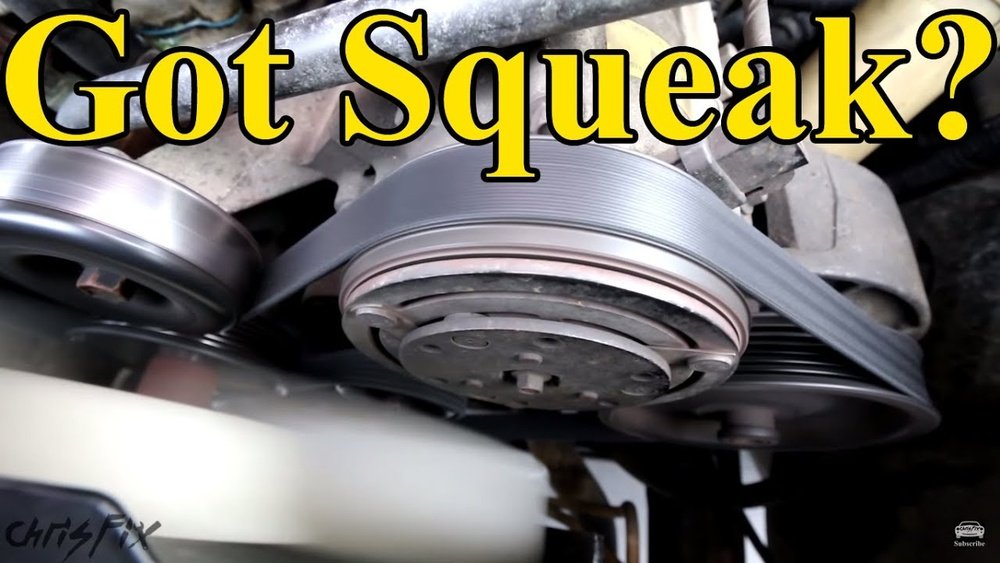
Have you ever hit the gas and suddenly heard a high-pitched squeal coming from under your hood? That annoying noise is often your serpentine belt slipping or struggling to keep up.
When your serpentine belt squeals during acceleration, it’s not just a nuisance—it’s a warning sign that something isn’t right with your engine’s accessory system. Ignoring it could lead to bigger problems and costly repairs down the road. You’ll learn exactly why your serpentine belt squeals when you accelerate, how to pinpoint the cause, and what you can do to fix it quickly and easily.
Keep reading to save your engine from damage and get back to smooth, quiet drives.

Credit: www.youtube.com
Common Causes Of Belt Squeal
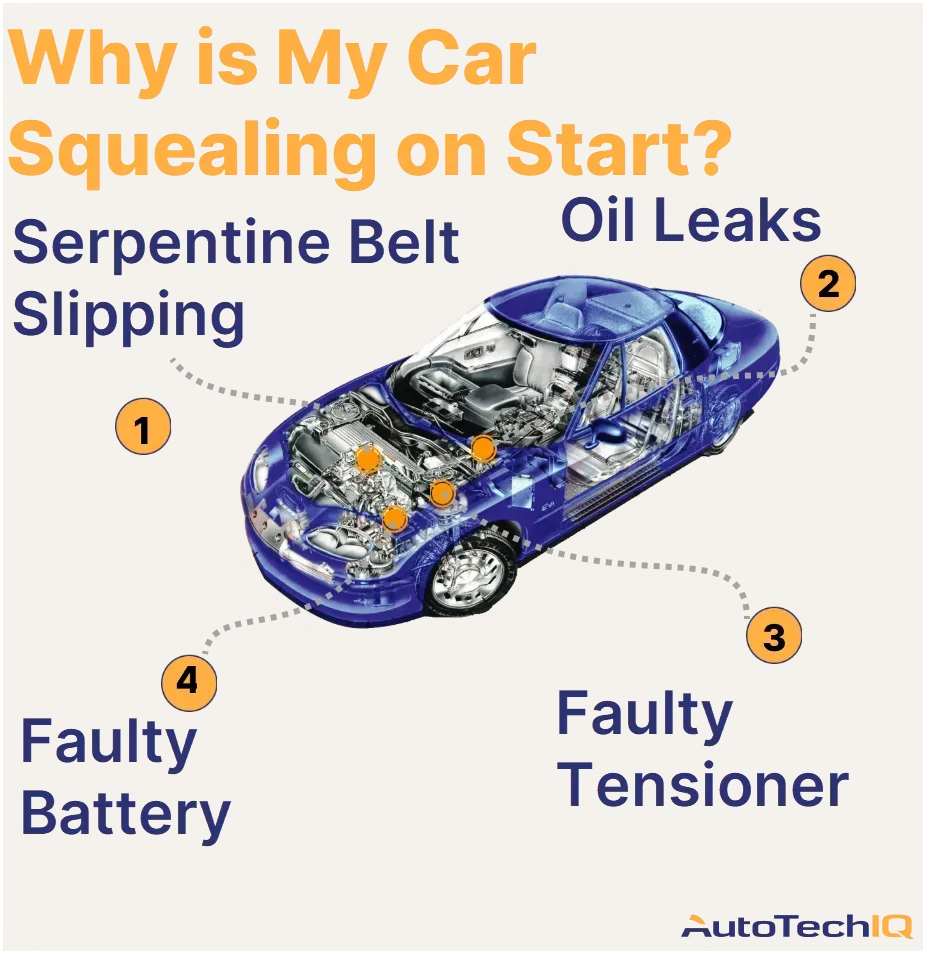
A squealing serpentine belt can be annoying and may signal a problem. Many causes exist, but some fixes you can try at home. These DIY methods help stop the noise and keep your car running smoothly. No need to rush to a mechanic just yet. Simple checks and adjustments often solve the issue.
Adjusting Belt Tension
A loose belt often causes squealing sounds. Check the tension by pressing the belt midway between pulleys. It should feel firm, with little give. Use a wrench to tighten the tensioner if the belt feels loose. Be careful not to overtighten, as this can damage the belt and pulleys. Proper tension helps the belt grip the pulleys and reduces slipping noises.
Replacing Worn Belts
Belts wear out over time and develop cracks or shiny spots. These signs mean the belt has lost grip and needs replacement. Remove the old belt carefully, noting its path around pulleys. Install a new belt that matches your vehicle’s specifications. A fresh belt runs quietly and lasts longer. Regular replacement prevents damage to other engine parts.
Realigning Pulleys
Misaligned pulleys cause the belt to slip and squeal. Inspect each pulley to see if it lines up with the others. Use a straight edge or ruler to check alignment. Adjust pulley positions as needed to bring them into line. Correct pulley alignment ensures the belt tracks smoothly and avoids noisy slipping.
Cleaning Belt And Pulleys
Dirt, oil, or grease on the belt or pulleys reduces friction. This causes the belt to slip and squeal during acceleration. Use a clean cloth and mild detergent to wipe the belt and pulleys. Avoid harsh chemicals that can damage rubber parts. Keep these surfaces clean to improve belt grip and quiet the noise.
Credit: www.autotechiq.com
Credit: www.autotechiq.com
Frequently Asked Questions
How To Stop Belt Squeal When Accelerating?
Tighten or replace the belt, clean pulleys, fix misalignment, and check for fluid leaks to stop belt squeal when accelerating.
Why Does My Serpentine Belt Squeal When I Give Gas?
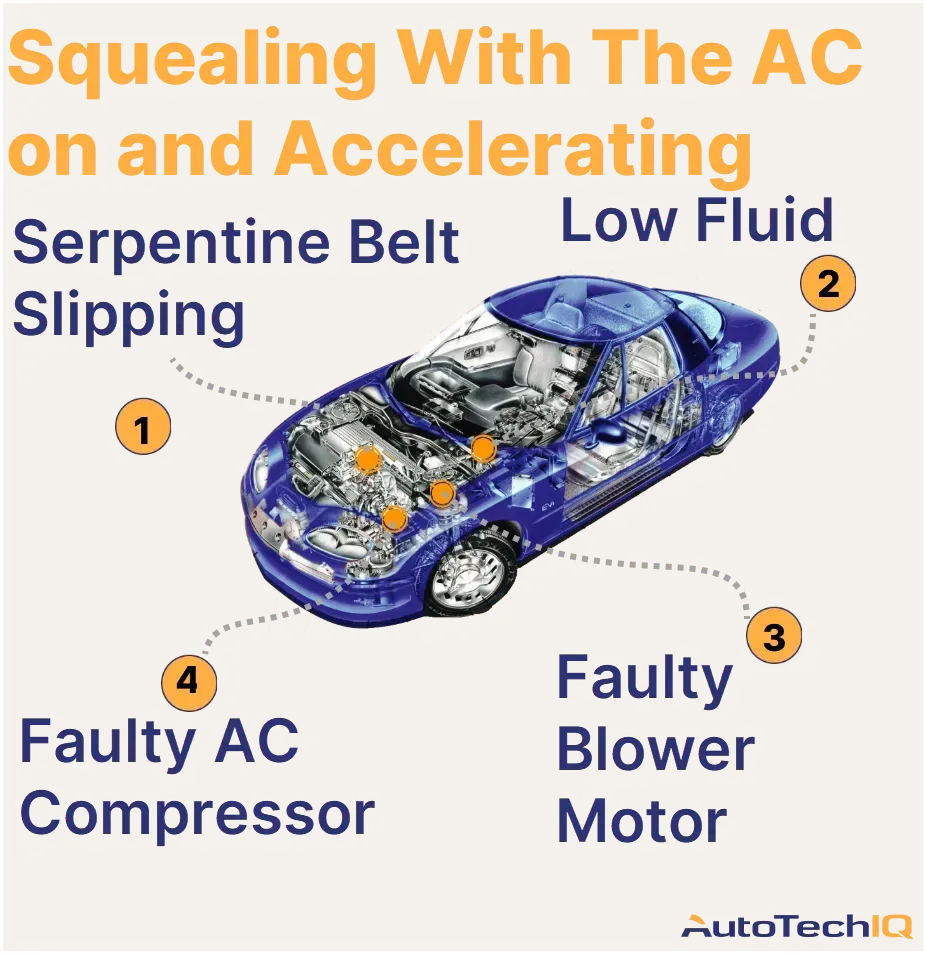
Your serpentine belt squeals during acceleration because it slips on pulleys. Causes include worn, loose, or contaminated belts, pulley misalignment, or improper tension. Inspect for cracks, shiny grooves, or fluid leaks, and replace or adjust the belt to stop the noise.
Can I Spray Wd-40 On A Squeaky Serpentine Belt?
Do not spray WD-40 on a squeaky serpentine belt. It can cause slipping and damage. Use proper belt dressing or replace the belt.
What Are Signs Of A Failing Idler Pulley?
Signs of a failing idler pulley include squealing noises, belt slipping, visible pulley wobble, and uneven belt wear.
Conclusion
A squealing serpentine belt signals a slipping problem. Check belt tension, alignment, and wear often. Worn or loose belts cause noise during acceleration. Pulley damage or contamination may also lead to squeals. Early inspection helps avoid bigger engine issues. Replace the belt or tensioner if needed.
Keep your vehicle running smooth and quiet. Don’t ignore persistent squealing sounds under the hood. Regular maintenance keeps your serpentine belt in good shape.