When Ordering Car Parts Which Side is Left Or Right: Essential Guide
When you need to order car parts, getting the left and right sides mixed up can cause delays, extra costs, and a lot of frustration. But how do you know which side is which?
It’s simpler than you might think. The key is to always look at your car from the driver’s seat, facing forward—this perspective is what determines left and right when it comes to auto parts. If you want to avoid mistakes and make sure you get the right part the first time, keep reading.
We’ll guide you step-by-step on how to confidently tell the left side from the right, so your car repair or upgrade goes smoothly without any surprises.
Credit: collectorsautosupply.com
Determining Left And Right On Vehicles
Understanding which side is left or right on a vehicle is crucial when ordering car parts. Incorrectly identifying sides can lead to wrong purchases and delays. Car parts are labeled based on a standard viewpoint. This viewpoint ensures clarity and avoids confusion for buyers and sellers alike.
Driver’s Seat Perspective
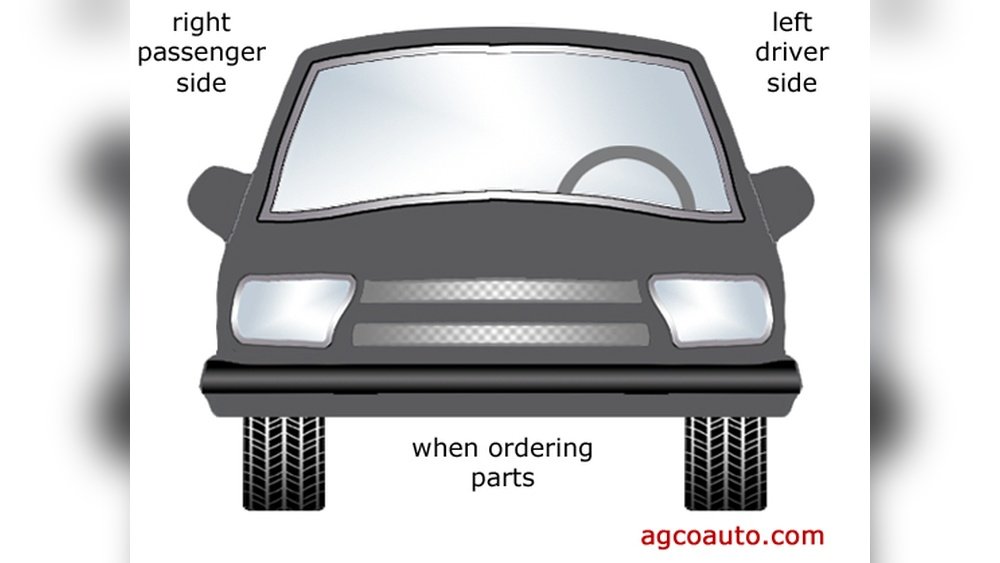
Left and right sides of a vehicle are always seen from the driver’s seat. Imagine sitting in the driver’s seat looking forward. The side on your left hand is the vehicle’s left side. The side on your right hand is the vehicle’s right side. This method applies to all vehicles, no matter the country or model.
This perspective helps mechanics and suppliers communicate clearly. It also prevents ordering parts for the wrong side. Remember, the driver’s seat perspective is the universal standard for side identification.
Common Terminology Explained
Terms like “driver side” and “passenger side” often replace “left” and “right.” In countries with left-hand drive cars, the driver side equals the left side. The passenger side then equals the right side. In right-hand drive countries, this is reversed.
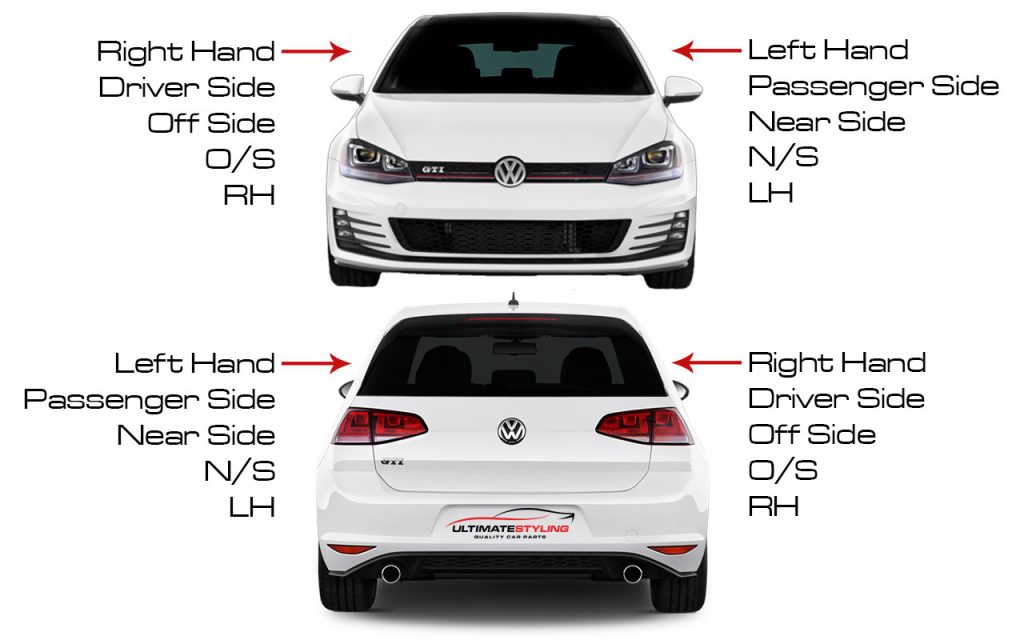
Some parts are labeled “LH” or “RH.” LH means left-hand side, and RH means right-hand side. These abbreviations appear on packaging, invoices, and catalogs. Knowing these terms helps avoid mistakes when ordering parts online or in stores.
Identifying Driver And Passenger Sides
Understanding the driver and passenger sides helps you order the correct car parts. Each side of a vehicle has specific parts that fit only that side. Mistaking left for right can cause delays and extra costs. The key is to know which side is which from the driver’s view.
Car parts are labeled based on the driver’s position inside the vehicle. This means the left and right sides are determined by sitting in the driver’s seat and facing forward. This simple rule clears up any confusion when ordering parts online or in stores.
Left Side As Driver’s Side
The left side of the car is always the driver’s side in the United States. When you sit in the driver’s seat, the left side is where your left hand rests. This side holds parts like the driver’s door, left headlights, and mirrors. Knowing this helps you pick the right parts without mistakes.
Right Side As Passenger’s Side
The right side of the car is the passenger’s side. From the driver’s seat, it is on your right hand. Parts like the passenger door, right headlights, and side mirrors belong here. Correctly identifying this side ensures you order the matching components for your vehicle.
Tips To Avoid Ordering Mistakes
Ordering car parts for the correct side can be confusing. Mistakes cause delays and extra costs. Use clear methods to ensure you get the right part. Follow simple tips to avoid errors and save time.
Check details carefully before placing an order. Small errors in description or fitment can lead to wrong parts. Proper verification is key to success.
Using Clear Part Descriptions
Always use exact terms for the part you need. Specify “left” or “right” clearly in your order. Include the name of the part and its function. Avoid vague words like “side” alone.
Write descriptions that match the seller’s listing. Check images and part numbers if available. This helps sellers find the correct item fast.
Confirming Fitment With Vin
Use your vehicle’s VIN to confirm part compatibility. The VIN is a unique code for your car. It shows make, model, year, and engine type.
Enter the VIN on the parts website or ask the seller. This ensures the part fits your specific vehicle model. It reduces guesswork and ordering the wrong side.
Side-specific Parts Vs Universal Parts
Car parts fall into two categories: side-specific and universal. Side-specific parts fit only one side of the vehicle. Universal parts fit both sides. Knowing the difference helps avoid ordering mistakes. It saves time and money. This guide explains which parts are unique and which are universal.
Parts Unique To Left Or Right Side
Some parts are made for the left or right side only. These include mirrors, headlights, and brake calipers. These parts have different shapes or functions on each side. For example, a left mirror fits only the driver’s side. The shape and angle are not the same as the right mirror. Brake calipers also vary because of the brake system’s design.
Side-specific parts are often marked as “LH” for left-hand or “RH” for right-hand. This helps identify the correct side quickly. Ordering the wrong side part can cause poor fit or failure. Always check the label before purchase.
Parts Compatible On Both Sides
Some parts work on both the left and right sides. These universal parts include items like spark plugs, filters, and bolts. Their design does not depend on the vehicle’s side. They fit equally well on either side without changes.
Universal parts simplify repairs and replacements. They reduce confusion about which side to order. Always verify if the part is universal by checking the description. This prevents ordering the wrong item and delays.
How Online Retailers Label Sides
Ordering car parts online requires knowing which side is left or right. Online retailers use specific labels to help buyers choose the correct side. These labels can vary but usually follow common standards. Understanding these labels reduces mistakes and ensures the right fit for your vehicle.
Common Labeling Practices
Most online stores label car parts as “Left” or “Right.” These terms refer to the vehicle’s left or right side from the driver’s seat view. Some sellers use “Driver Side” and “Passenger Side” instead. “Driver Side” means the side where the driver sits, usually the left in the US. “Passenger Side” is the opposite side.
Some listings use abbreviations like “LH” for left-hand and “RH” for right-hand parts. Others may use “NS” (near side) and “OS” (off side), especially in the UK. Near side means the side closest to the curb (left in the UK). Off side means the side away from the curb (right in the UK). Always check the description for clarity.
What To Do When Side Isn’t Specified
Sometimes, product listings do not specify left or right sides. Check the product images carefully for clues. Look for part numbers or compare with your existing part. Contact the retailer to confirm the side before buying.
Use your vehicle’s manual or online guides to verify the correct side. Measure the part or use your car’s orientation to decide. Ordering the wrong side can cause delays and extra costs. Take time to verify the side to avoid mistakes.

Credit: www.youtube.com
Credit: www.ebay.co.uk
Frequently Asked Questions
What Side Is Left On A Car For Parts?
The left side of a car for parts is the driver’s side when seated inside, facing forward. Always order parts using this perspective.
How To Determine Left And Right Side Of A Vehicle?
Determine a vehicle’s left and right sides by sitting in the driver’s seat facing forward. The left side is the driver’s side; the right side is the passenger’s side. Always use this perspective when ordering car parts to avoid confusion.
What Is The Right Side Of The Car Parts?
The right side of a car refers to the passenger side, viewed from the driver’s seat facing forward. It includes parts on the vehicle’s right when seated inside. Always specify “right side” or “passenger side” when ordering parts to ensure correct fitment.
Which Side Of The Car Is Considered The Right Side When Ordering Parts Off Rock Auto?
The right side of the car is the passenger side, determined from the driver’s seated position facing forward. If no side is listed, the part fits both sides. Always verify part fitment using your vehicle’s details before ordering.
Conclusion
Remember, the left and right sides of a car are from the driver’s view. Left means the driver’s side; right means the passenger’s side. Always check this before ordering parts to avoid mistakes. Clear understanding saves time and money. Take a moment to confirm the side and part number.
That way, your car will get the right fix fast and easy. Ordering parts becomes simple once you know which side is which.