What Happens If You Don’T Pre Fill a Torque Converter: Risks Revealed
Have you ever wondered what could go wrong if you don’t pre-fill a torque converter before installation? It might seem like a small step, but skipping it can cause serious problems for your vehicle.
You could face hard starts, transmission damage, or even costly repairs down the road. Understanding why pre-filling matters will save you time, money, and frustration. Keep reading to find out exactly what happens when you don’t pre-fill a torque converter—and how to avoid these common mistakes.

Credit: www.daleearnhardtjrchevy.com
Role Of A Torque Converter
A torque converter helps transfer engine power to the transmission smoothly. Not pre-filling it can cause air pockets, leading to poor performance and damage. Filling it first ensures proper fluid flow and protects the transmission system.
Understanding The Torque Converter’s Function
The torque converter connects the engine to the transmission. It uses fluid to transfer power smoothly. This part helps the car start moving without stalling.
Inside, it has a pump, turbine, and stator. These parts work together to multiply engine power. The process allows the car to change speeds easily.
How The Torque Converter Affects Vehicle Performance
The torque converter controls how power flows to the wheels. It helps the car move from a stop to higher speeds gently. This prevents jerky movements during driving.
It also absorbs engine vibrations. This makes the ride smoother and quieter. Good torque converter function improves fuel efficiency and engine life.
Why Fluid Is Vital For The Torque Converter
The torque converter relies on fluid for operation. The fluid creates the pressure needed to transfer power. It also cools the parts inside the converter.
Without enough fluid, the torque converter cannot work properly. This causes poor driving performance and possible damage. Fluid keeps the system clean and lubricated.
Importance Of Pre Filling
Pre filling a torque converter is a crucial step during installation. It helps the transmission start smoothly and prevents damage. Skipping this step can cause serious problems for the vehicle.
Understanding why pre filling matters can save time and money. It ensures the torque converter works correctly from the start.
What Does Pre Filling Do?
Pre filling fills the torque converter with transmission fluid before installation. This fluid keeps the moving parts lubricated and cool. Without it, the converter runs dry at first use.
How Pre Filling Protects The Transmission
Running a dry torque converter causes metal parts to rub together. This friction leads to wear and damage inside the transmission. Pre filling stops this by providing fluid right away.
Effects On Vehicle Performance
Without pre filling, the transmission may slip or shift roughly. This makes driving uncomfortable and unsafe. Proper fluid levels help the vehicle run smoothly and respond well.
Cost Implications Of Skipping Pre Filling
Damage from no pre filling often means costly repairs or replacement. Repairing a damaged transmission can cost thousands of dollars. Taking time to pre fill saves money in the long run.
Common Risks Of Skipping Pre Fill
Skipping the pre fill step on a torque converter carries serious risks. The torque converter needs fluid before installation to work properly. Without fluid, the transmission parts can suffer damage fast. The risks go beyond simple wear and tear.
This section covers the common problems that happen without pre filling. Understanding these risks helps protect your transmission and avoid costly repairs.
Damage To Transmission Pump
The transmission pump relies on fluid to operate safely. Without fluid, the pump runs dry at startup. This causes metal parts to grind and wear quickly. The result is reduced pump life and costly damage.
Delayed Transmission Lubrication
Fluid lubricates all moving parts inside the transmission. Skipping pre fill means parts run dry during initial use. This lack of lubrication causes friction, heat, and early wear. Transmission seals and clutches can fail sooner.
Air Pockets Causing Poor Performance
Not pre filling traps air inside the torque converter. Air pockets disrupt fluid flow and pressure. This leads to rough shifting and poor transmission response. The transmission may overheat or slip under load.
Increased Risk Of Overheating
Fluid cools the transmission during operation. Starting with an empty converter causes fluid starvation. Heat builds up quickly, damaging internal parts. Overheating shortens transmission lifespan and causes failure.
Costly Repairs And Downtime
Damage from skipping pre fill often requires major repairs. Transmission rebuilds or replacements cost thousands of dollars. Vehicle downtime increases, causing inconvenience and lost use. Taking the time to pre fill prevents these issues.

Credit: www.rickhendrickchevynaples.com
Impact On Transmission Performance
Failing to pre-fill a torque converter can cause delayed transmission engagement and poor fluid flow. This leads to rough shifting and reduced overall performance. Transmission parts may also wear out faster without proper fluid circulation.
Reduced Transmission Efficiency
Not pre filling a torque converter lowers transmission efficiency. The fluid inside helps transfer power smoothly. Without enough fluid, the transmission struggles to operate correctly. This leads to slower gear shifts and poor overall performance.
Increased Wear And Tear
Without proper fluid, moving parts inside the transmission face more friction. This friction causes faster wear and tear. Over time, this can lead to costly repairs or early transmission failure. The torque converter needs fluid to protect its components.
Risk Of Overheating
Transmission fluid helps cool the torque converter and transmission. Without fluid, heat builds up quickly. Excess heat damages seals and metal parts inside the transmission. Overheating reduces the life of your transmission significantly.
Poor Vehicle Acceleration
The torque converter plays a key role in vehicle acceleration. Lack of fluid makes it harder for the converter to transfer power. This results in sluggish or delayed acceleration. The vehicle may feel weak or unresponsive during driving.
Signs Of Torque Converter Damage
Signs of torque converter damage often appear soon after the part is not pre-filled properly. The torque converter needs fluid to work well. Without enough fluid, it can overheat and wear out quickly. Recognizing the early signs helps prevent bigger problems in your vehicle’s transmission system.
Noticing these signs early can save you money on costly repairs. Watch for unusual noises, slipping gears, and poor acceleration. These symptoms indicate the torque converter is struggling to perform as it should.
Unusual Noises From The Transmission
Grinding or whining noises can mean the torque converter is damaged. These sounds happen because the fluid is not cushioning the moving parts. Without the right fluid level, metal parts rub and create noise. This is a clear warning to check the torque converter immediately.
Slipping Gears Or Delayed Shifting
Slipping gears feel like the car changes gears late or unpredictably. This happens when the torque converter cannot transfer power properly. It may cause delays in acceleration or the car feeling weak. Such issues often link to low or missing fluid in the torque converter.
Overheating Transmission
A failing torque converter can cause the transmission to overheat. Lack of fluid means poor cooling and lubrication. This leads to higher temperatures and potential damage to other parts. The transmission warning light may come on as a sign of overheating.
Shaking Or Shuddering During Acceleration
Shaking or shuddering while driving can point to torque converter problems. The fluid helps smooth out the power flow from the engine. Without enough fluid, the ride becomes rough and uncomfortable. This symptom often appears when the torque converter is not pre-filled.
Increased Transmission Fluid Leaks
Leaks around the transmission area might mean the torque converter seal is damaged. Without proper fluid levels, seals wear out faster. Fluid leaks reduce the amount of fluid available, worsening the damage. Check for wet spots under the car regularly to catch leaks early.

Credit: www.youtube.com
Preventive Measures And Best Practices
Taking preventive steps helps avoid damage to the torque converter. Best practices keep your transmission running smoothly and extend its life.
Proper preparation reduces the risk of air pockets and poor lubrication inside the torque converter. Following clear guidelines ensures a safer installation and better performance.
Pre-filling The Torque Converter With Fluid
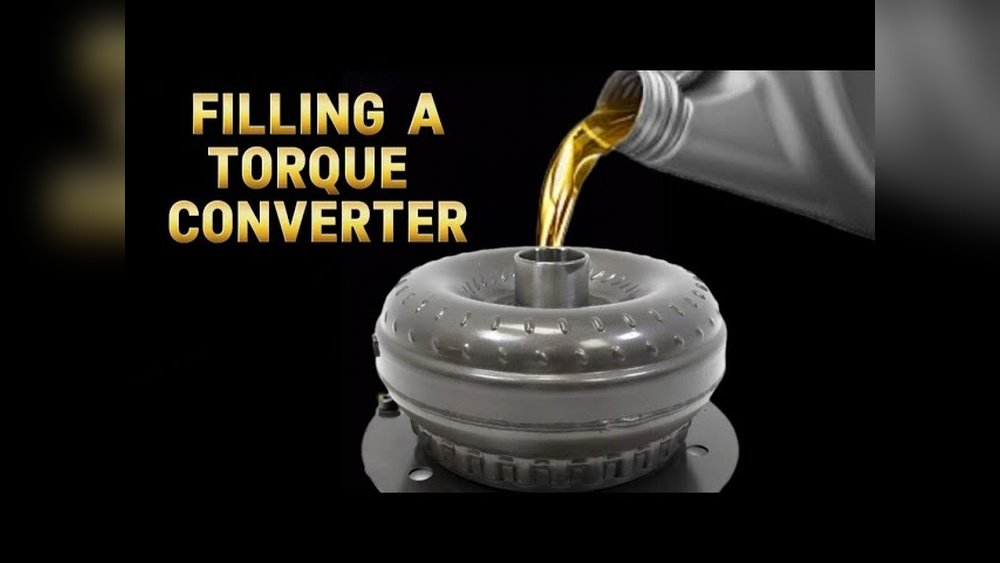
Fill the torque converter with transmission fluid before installation. This step prevents dry starts that cause internal damage. Use a clean funnel and pour fluid slowly to avoid spills and air bubbles.
Check For Leaks And Seals
Inspect all seals and gaskets closely before assembly. Replace any worn or damaged parts to stop leaks. Proper sealing prevents fluid loss and protects the transmission.
Use The Right Type And Amount Of Fluid
Choose the fluid recommended by the vehicle manufacturer. Overfilling or underfilling can harm the transmission. Measure carefully and add fluid in small amounts as needed.
Follow Manufacturer Instructions Exactly
Every torque converter and transmission model has specific guidelines. Read the manual thoroughly. Follow the steps in order to ensure correct installation and operation.
Frequently Asked Questions
What Is Torque Converter Pre-filling?
Torque converter pre-filling means adding transmission fluid before installation. This step helps the converter work smoothly and avoid damage.
Why Is Pre-filling A Torque Converter Important?
Pre-filling ensures the torque converter is full of fluid from the start. This prevents dry running and protects the transmission parts.
Can A Torque Converter Be Damaged Without Pre-filling?
Yes, lack of fluid can cause damage. The converter may overheat and wear out faster without proper lubrication.
How Does Not Pre-filling Affect Transmission Performance?
Skipping pre-fill can cause poor shifting and slipping. The transmission may also make noise or fail prematurely.
What Happens To Transmission Fluid Levels If Not Pre-filled?
Transmission fluid may drop quickly as the converter fills itself. This can lead to low fluid levels and potential transmission issues.
Conclusion
Not pre-filling a torque converter can cause serious engine damage. The transmission may fail to engage properly. This leads to poor vehicle performance and costly repairs. Filling the torque converter ensures smooth fluid flow and proper operation. Avoiding this step risks overheating and early wear.
Taking time to pre-fill protects your car’s transmission system. It saves money and keeps your vehicle running longer. Simple steps like this prevent big problems down the road. Don’t skip pre-filling for a safer, healthier engine.