Can You Pass Emission Test With Check Engine Light On? Find Out Now!
Are you worried about that stubborn check engine light glowing on your dashboard? You might be wondering if you can still pass your vehicle’s emission test with that warning staring back at you.
This light can feel like a roadblock, but understanding what it means and how it affects your test is key. You’ll discover the truth behind the check engine light and emissions tests, so you can face your inspection with confidence—and avoid surprises that could cost you time and money.
Keep reading to find out what really matters when it comes to passing your emission test with that light on.
Credit: www.reddit.com
What Triggers The Check Engine Light
The check engine light signals a problem in your vehicle’s system. It can turn on for many reasons. Some issues are simple, others need urgent attention. Understanding what triggers this light helps you decide your next steps.
The light usually appears when the car’s computer detects something wrong. This can affect your car’s performance or emissions. Knowing these triggers can help you avoid failing an emission test.
Faulty Oxygen Sensor
The oxygen sensor measures the oxygen in the exhaust. A bad sensor sends wrong data to the engine. This can cause poor fuel economy and higher emissions. The check engine light will turn on if this sensor fails.
Loose Or Damaged Gas Cap
A loose gas cap can let fuel vapors escape. This causes the emission system to fail its test. The car’s computer notices this and triggers the check engine light. Tightening or replacing the gas cap often fixes this issue.
Malfunctioning Catalytic Converter
The catalytic converter reduces harmful gases from your car. If it’s damaged, emissions increase greatly. The check engine light will alert you to this problem. This is a serious issue that can cause emission test failure.
Problems With Mass Airflow Sensor
The mass airflow sensor tells the engine how much air enters. A faulty sensor can cause rough idling and poor fuel use. The check engine light comes on to warn you. This can also impact emission test results.
Ignition System Issues
Bad spark plugs or ignition coils can cause misfires. Misfires increase harmful emissions. The check engine light will flash or stay on. Fixing ignition problems improves engine performance and emissions.

Credit: www.reddit.com
How Emission Tests Work
Emission tests check a vehicle’s pollution levels. They ensure cars do not harm the environment too much. The tests measure harmful gases from the exhaust system. These gases include carbon monoxide, nitrogen oxides, and hydrocarbons.
Testing methods vary by state and car type. Some use a tailpipe test. Others use an onboard diagnostic (OBD) system scan. Both methods check if the vehicle meets clean air standards.
Tailpipe Emission Test
This test measures gases directly from the exhaust pipe. A probe inserts into the tailpipe while the engine runs. The tester records the amount of harmful gases released. If emissions exceed limits, the car fails the test.
Onboard Diagnostic (obd) Test
The OBD test scans the car’s computer system. It looks for error codes related to engine and emissions. The check engine light often indicates problems found during OBD scans. This test helps find issues before they cause high emissions.
Importance Of Emission Tests
Emission tests help reduce air pollution. They keep the air cleaner and safer. Passing the test means the vehicle runs efficiently. It also helps avoid costly repairs later.
Impact Of Check Engine Light On Emission Tests
A check engine light on usually means your car won’t pass an emission test. This light signals a problem with your vehicle’s emissions system. Fixing the issue before testing is important to avoid failure.
What Does A Check Engine Light Mean For Emissions?
The check engine light signals a problem with the vehicle’s engine or emissions system. It may indicate issues like faulty sensors or a loose gas cap. This light alerts the car owner that the vehicle might emit more pollution than allowed.
During an emission test, this warning light plays a key role. Many testing centers will automatically fail a car if the check engine light is on. The light suggests the car might not meet emission standards.
How Emission Tests Use The Check Engine Light
Emission tests often include a computer scan of the car’s system. This scan checks for error codes linked to emissions. If the scan finds active trouble codes, the test usually fails the vehicle.
The check engine light helps inspectors detect hidden problems. Some emissions problems are not visible but trigger the light. The test relies on this signal to judge if the car is clean enough.
Exceptions And When You Might Pass
In rare cases, a car with the check engine light on might pass. Some states or testing centers allow a test if the light is caused by minor issues. For example, a loose gas cap might not cause failure.
Still, most places require the light to be off for a pass. Repairing the cause of the light is the best way to clear it. The vehicle must run correctly and meet emission limits to pass.
Common Reasons For Emission Test Failure
Emission tests check if a vehicle pollutes too much. Many cars fail these tests. The reasons vary but often relate to engine or exhaust problems. Understanding common causes helps prepare for a test and avoid failure.
Most emission failures link to engine issues. These problems cause higher pollution levels than allowed. Some issues trigger the check engine light. This light signals a fault that can affect emissions.
Faulty Oxygen Sensors
Oxygen sensors measure air and fuel mixture in the engine. If they fail, the engine burns fuel inefficiently. This raises emissions and can cause a test failure.
Bad Catalytic Converter
The catalytic converter cleans harmful gases from exhaust. When it breaks, pollution increases. A damaged converter often triggers the check engine light.
Loose Or Damaged Gas Cap
A loose or broken gas cap lets fuel vapors escape. This leaks pollution and trips the check engine light. It is a simple but common cause of failure.
Malfunctioning Mass Airflow Sensor
This sensor tells the engine how much air enters. A bad sensor causes poor fuel mix and high emissions. It can also make the check engine light turn on.
Ignition System Problems
Faulty spark plugs or wires cause weak engine sparks. This leads to incomplete fuel burning and more pollution. These issues can fail emission tests.
Steps To Take Before Emission Testing
Preparing your vehicle before an emission test increases the chances of passing. Simple steps can help reduce the chance of failure. These steps focus on fixing issues that cause the check engine light to turn on.
Following a few checks and maintenance tasks ensures your car runs cleaner. This preparation helps the car meet emission standards and pass the test smoothly.
Check For Diagnostic Trouble Codes
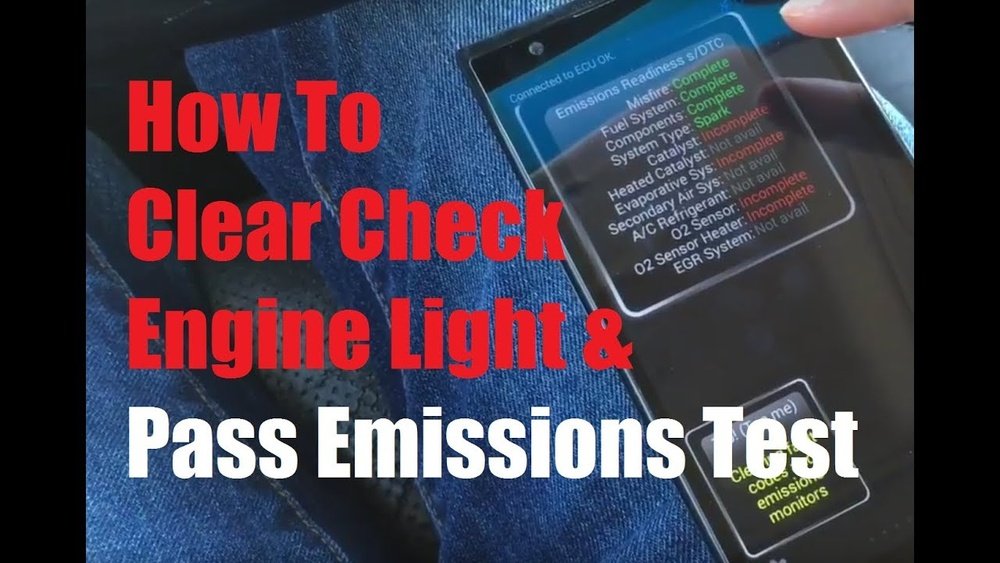
Use an OBD-II scanner to read trouble codes. These codes point out what causes the check engine light. Knowing the problem helps decide if a repair is needed before testing.
Fix Minor Engine Problems
Simple engine issues can trigger the check engine light. Fixing things like loose gas caps or dirty air filters improves engine performance. Small repairs can turn off the warning light.
Drive The Vehicle Before The Test
Drive at least 20 minutes before the test. This warms up the engine and clears temporary codes. A warmed-up engine runs better and produces fewer emissions.
Ensure Proper Fuel Level
Fill the gas tank to about half full. This helps the fuel system work correctly. A proper fuel level can affect emission readings during the test.
Keep Tires Properly Inflated
Check tire pressure before the test. Properly inflated tires improve fuel efficiency. Better fuel use leads to lower emissions during the test.

Credit: www.youtube.com
When To Seek Professional Help
A check engine light on often means a problem with your car’s emissions. Getting professional help is important if the light stays on or flashes. Experts can diagnose and fix issues to help your car pass the emission test.
When The Check Engine Light Stays On
The check engine light can turn on for many reasons. If it stays on after you restart the car, this is a sign to get help. A steady light means the issue might affect your car’s emissions. Driving with a steady light can cause more damage. A professional can diagnose the exact problem fast.
After Multiple Failed Emission Tests
Failing an emission test more than once means the problem is serious. It may involve parts you cannot fix yourself. A mechanic has tools to find hidden issues. Professionals can repair your car to meet emission standards. This saves time and avoids repeated test failures.
If The Light Is Flashing
A flashing check engine light means a severe engine problem. This could harm your car and increase pollution. Stop driving and seek professional help immediately. Mechanics can prevent costly damage and help pass the emission test.
When Diy Fixes Don’t Work
Simple fixes can sometimes turn off the check engine light. If the light returns, a deeper problem exists. Professionals have knowledge and equipment for complex repairs. Getting expert help ensures your car runs clean and safe.
Frequently Asked Questions
Can A Car Pass Emission Test With Check Engine Light On?
No, most states fail vehicles with the check engine light on. The light signals an emission problem. Fix it before the test.
Why Does Check Engine Light Affect Emission Tests?
The light means the car’s system found an emission issue. This often causes the car to pollute more. Tests check for this.
Can A Temporary Fix Help Pass Emission Tests?
Temporary fixes usually don’t work well. The test reads the car’s computer for real problems. Permanent repair is best.
How To Know If Check Engine Light Impacts Emissions?
A mechanic can read error codes from the car’s computer. These codes show if emissions are high. This helps decide repairs.
What Happens If I Ignore Check Engine Light Before Test?
Ignoring the light often leads to test failure. You may waste money on retests. Fixing issues saves time and cost.
Conclusion
A check engine light often means your car needs repair. Most places will not pass a car with this light on. Fixing the issue before the test increases your chances. Emission tests check if your car pollutes too much. A working engine helps reduce harmful gases.
Don’t ignore the check engine light. It helps keep your car running clean and safe. Passing the test saves money and avoids trouble. Keep your car maintained for a smoother, stress-free test.