How Long Can You Drive With a Bad Rear Differential: Risks Explained
You might be wondering, how long can you really drive with a bad rear differential before it turns into a serious problem? The truth is, your rear differential plays a crucial role in how your car handles and drives.
Ignoring signs of trouble can quickly lead to costly repairs or even dangerous situations on the road. You’ll learn what happens when your rear differential starts failing, how to spot the warning signs early, and why it’s so important to act fast.
Keep reading to protect your vehicle and your safety before it’s too late.
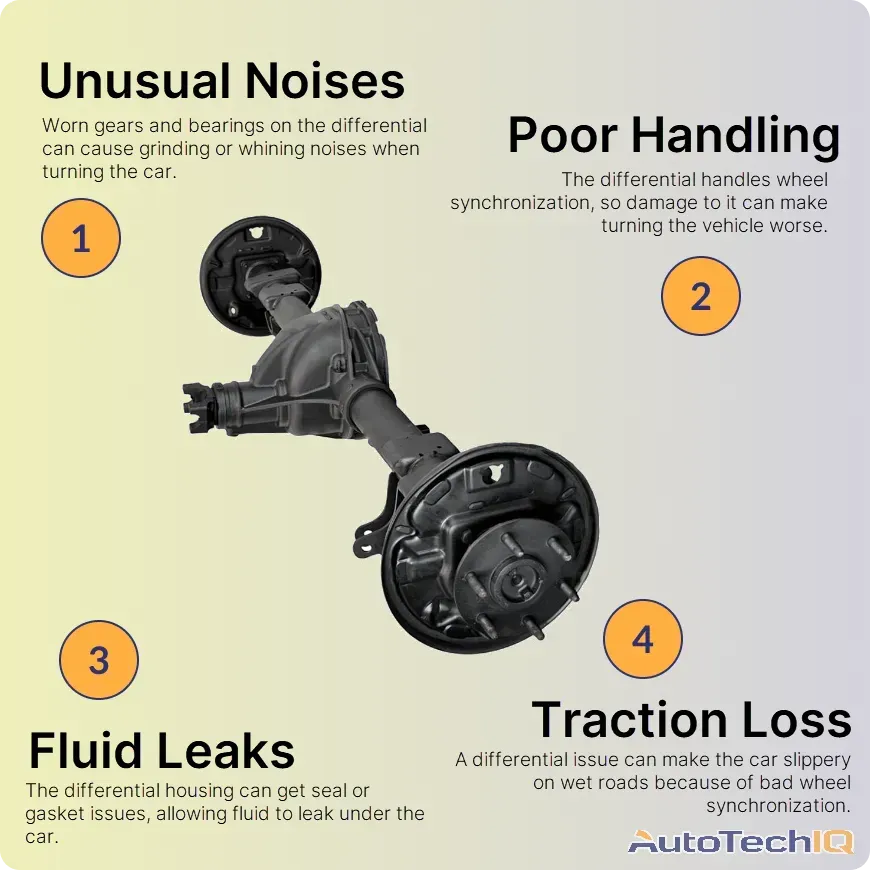
Credit: www.autotechiq.com
Signs Of A Bad Rear Differential
A bad rear differential often makes whining or grinding noises and may leak fluid. Driving with it risks sudden gear failure and costly damage. The longer you wait, the greater the chance of losing control or hurting other parts.
Driving with a bad rear differential can cause serious problems. The differential helps your wheels turn smoothly. If it fails, your car may not handle properly. This puts you and others in danger.
Faulty differentials cause metal parts to wear out faster. This damage can spread to other parts of the drivetrain. Repair costs will rise quickly. Safety risks increase with every mile driven.
Total Gear Seizure
When a differential is bad, metal shavings build up inside. These shavings can cause the gears to lock or fuse. This stops the wheels suddenly. You may lose control of your car, causing an accident.
Catastrophic Damage
Broken gear teeth inside the differential can shatter other parts. What starts as a small repair can become a full axle rebuild. This leads to very high repair bills and long downtime for your vehicle.
Secondary Damage To Drivetrain
Metal debris from a failing differential can spread to other parts. It can damage the transmission and driveshaft. This creates even more costly repairs and increases the chance of vehicle breakdown.

Credit: www.reddit.com
Risks Of Driving With A Faulty Differential
Preventing further damage to a bad rear differential is crucial for your vehicle’s safety and performance. Ignoring early signs can cause costly repairs and unsafe driving conditions. Taking quick action helps protect your car and wallet.
Even if your rear differential feels only slightly off, avoid pushing it hard. Gentle driving reduces stress on damaged parts. Careful handling can slow down wear and extend the time before serious failure.
Check And Maintain Fluid Levels
Rear differentials rely on proper lubrication to work smoothly. Low or dirty fluid causes metal parts to grind and wear faster. Regularly check the differential fluid and top it up with the right type. Changing the fluid according to the schedule can prevent overheating and damage.
Drive Slowly And Avoid Sharp Turns
Driving at reduced speeds lessens strain on the differential gears. Avoid sudden acceleration and hard braking. Sharp turns increase pressure on the rear differential, making damage worse. Smooth, cautious driving helps limit further harm.
Inspect For Leaks And Unusual Noises
Leaks often signal a failing seal or damaged housing. Check under your car for fluid spots. Listen closely for whining, grinding, or clunking sounds from the rear. Early detection allows you to fix small problems before they grow.
Limit Heavy Loads And Towing
Heavy loads strain the rear differential more than normal driving. Avoid towing trailers or carrying extra weight until repairs are made. Lightening the load reduces pressure and helps preserve the differential’s condition.
Seek Professional Inspection Early
Have a mechanic examine your rear differential if you notice symptoms. Early diagnosis can save you from bigger, costlier repairs. Professionals can recommend repairs or replacements tailored to your damage level.
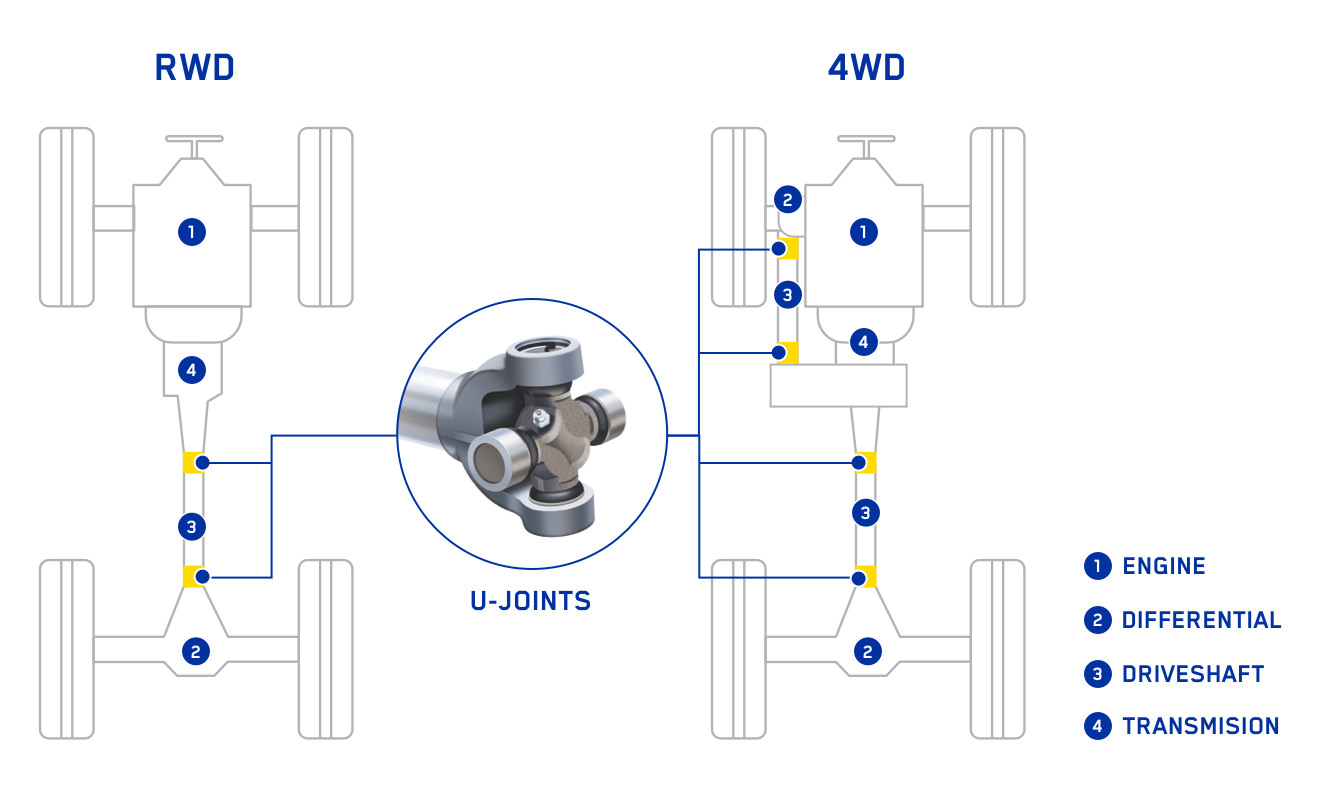
Credit: www.moogparts.com
Frequently Asked Questions
What Happens If You Keep Driving With A Bad Rear Differential?
Driving with a bad rear differential risks sudden gear seizure, loss of control, and extensive drivetrain damage. It can cause loud noises and fluid leaks. Continuing to drive worsens damage, leading to costly repairs. Stop driving and repair it promptly to avoid dangerous breakdowns and safety hazards.
Is It Worth Fixing A Rear Differential?
Fixing a rear differential is worth it if repair costs are lower than replacement. It prevents further drivetrain damage and ensures vehicle safety.
Can I Drive With A Broken Rear Diff?
Driving with a broken rear differential is unsafe and can cause severe drivetrain damage. Stop immediately and get repairs.
How Long Can You Drive With A Bad Rear Differential?
You can drive only a short distance with a bad rear differential. Driving longer risks severe damage and sudden failure. It’s best to fix it quickly to avoid costly repairs.
Conclusion
Driving with a bad rear differential is risky and can cause serious damage. The problem can worsen quickly, leading to costly repairs. Strange noises or fluid leaks signal trouble ahead. Don’t ignore these warning signs. Fixing the issue early saves money and keeps you safe on the road.
Avoid long drives until a mechanic checks your vehicle. Taking quick action protects your car’s drivetrain and prevents breakdowns. Safety and maintenance should always come first.