Do You Have to Drain Coolant to Replace Thermostat? Essential Facts
Are you wondering if you have to drain all the coolant to replace your car’s thermostat? It’s a common question that can make this simple repair seem more complicated than it really is.
The good news is, you don’t need to drain your entire cooling system. But there’s a catch—you do need to drain just enough coolant to avoid a messy spill when you remove the thermostat housing. If you’ve ever worried about coolant gushing everywhere or making a bigger job out of a small fix, this guide is for you.
Keep reading to learn exactly how much coolant to drain, why it matters, and step-by-step tips to replace your thermostat cleanly and safely. Your car—and your garage floor—will thank you.

Credit: www.youtube.com
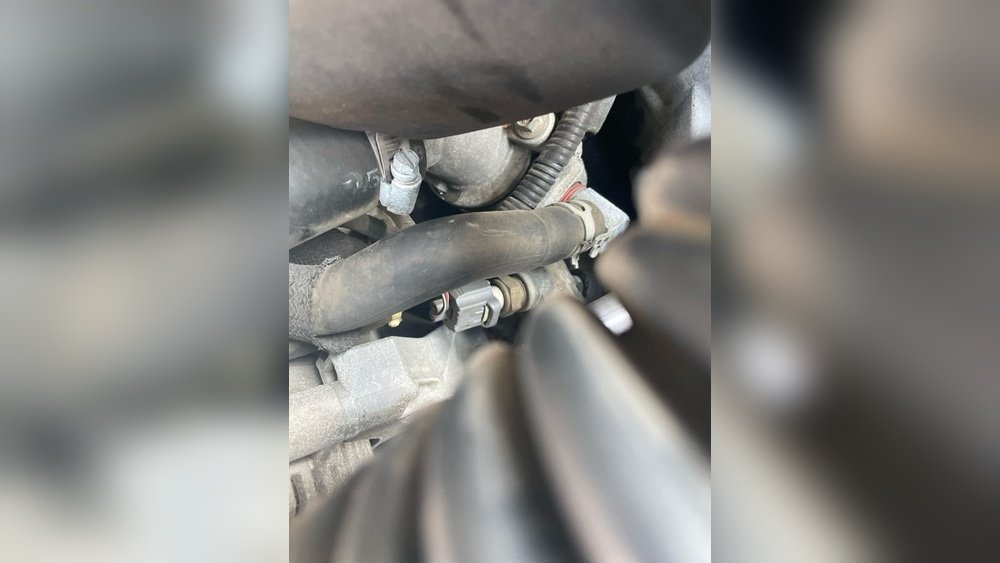
Thermostat Location And Coolant Role
Replacing your thermostat requires careful steps to avoid coolant spills. A full drain is unnecessary. Just lower the coolant level below the thermostat housing. This method saves time and prevents mess.
Follow these clear steps to replace your thermostat safely and efficiently.
Let The Engine Cool Down
Wait for the engine to cool completely before starting. Opening the cooling system while hot is dangerous. The radiator should feel cool to touch.
Partially Drain The Coolant
Place a catch pan under the radiator drain valve or lower hose. Open the valve and drain coolant until it sits below the thermostat housing. This step prevents coolant from spilling out during removal.
Remove The Thermostat Housing
Use a wrench or socket to remove the bolts holding the housing. Carefully lift the housing to expose the thermostat. Avoid damaging the gasket surface.
Swap Out The Thermostat
Take out the old thermostat and note its orientation. Install the new thermostat in the same direction. Replace the gasket or O-ring to ensure a tight seal.
Refill Coolant And Bleed The System
Close the drain valve and refill the radiator with coolant. Start the engine and let it run to remove air pockets. Watch the temperature gauge for normal operation.

Credit: www.reddit.com
Partial Coolant Drain Explained
Partial coolant drain means letting out only some fluid before replacing the thermostat. Draining just enough prevents spills when removing the thermostat housing. This keeps most coolant in the system and makes the job cleaner and easier.
Air trapped inside the cooling system can cause engine overheating. After replacing the thermostat, bleed the air to ensure smooth coolant flow. Air pockets block coolant circulation and create hot spots.
Bleeding air helps maintain proper engine temperature and prevents damage. It also stops the heater from blowing cold air. The process is simple and vital for system performance.
How To Bleed Air Properly
Start by filling the radiator with coolant to the top. Leave the radiator cap off during bleeding. Turn on the engine and let it idle until it reaches operating temperature.
Watch for bubbles escaping from the radiator neck. This shows air leaving the system. Keep adding coolant as the level drops. Add slowly to avoid introducing more air.
Once bubbles stop, replace the radiator cap tightly. Run the engine and check the heater for warm air. This confirms that air has been removed.
Tools Needed For Bleeding Air
You need a funnel to pour coolant without spills. A catch pan is helpful to collect any overflow. Some vehicles have a bleed valve near the thermostat housing.
If available, open the valve slowly to release trapped air. Close it as soon as coolant flows steadily. Using a scan tool can help monitor engine temperature during bleeding.
Patience is key. Bleeding air properly improves cooling system efficiency and engine life.

Credit: www.autozone.com
Frequently Asked Questions
Do You Drain Coolant When Replacing A Thermostat?
You only need to partially drain coolant below the thermostat housing before replacement. Complete draining is unnecessary.
How Do You Burp Coolant After Replacing A Thermostat?
After replacing the thermostat, fill the coolant reservoir. Start the engine and let it reach operating temperature. Open the bleed valve or radiator cap carefully to release trapped air. Close the valve once coolant flows steadily without bubbles. Top off coolant as needed.
How To Replace Thermostat Without Draining Coolant?
Cool the engine first. Partially drain coolant below the thermostat housing. Remove the housing, replace the thermostat, then refill and bleed the system.
Can You Replace A Coolant Temperature Sensor Without Draining Coolant?
You can replace a coolant temperature sensor without fully draining coolant. Drain only enough to lower the coolant level below the sensor. This prevents spills and ensures a clean, safe replacement.
Do You Need To Drain All Coolant To Replace The Thermostat?
You only need to drain enough coolant to lower the level below the thermostat housing. Full coolant drainage is not necessary for thermostat replacement. This prevents coolant from spilling when removing the housing.
Conclusion
Replacing a thermostat does not require draining all the coolant. Just drain enough so the coolant level sits below the thermostat housing. This prevents spills and keeps the job cleaner. Always wait for the engine to cool before starting. After installing the new thermostat, refill the coolant and bleed the system well.
This step avoids air pockets that can cause overheating. Following these simple steps makes the process easier and less messy. Keep your cooling system working smoothly without a full coolant drain.