How to Check Transmission Fluid Without a Dipstick: Easy Guide
If your car doesn’t have a transmission dipstick, you might feel stuck when it comes to checking your transmission fluid. But don’t worry—just because there’s no dipstick doesn’t mean you can’t keep an eye on your fluid levels.
Knowing how to check transmission fluid without a dipstick is crucial to preventing costly repairs and keeping your vehicle running smoothly. In this guide, you’ll learn simple, step-by-step methods to check your transmission fluid safely and accurately, even if your car’s transmission is sealed.
Keep reading to discover how you can protect your investment and avoid unexpected breakdowns by mastering this essential maintenance skill.
Credit: www.youtube.com
Locate Transmission Inspection Plugs
Locating the transmission inspection plugs is the first step to check fluid without a dipstick. These plugs allow access to the fluid inside the transmission case. They are usually found on the side of the transmission housing. Removing them helps you see if the fluid level is correct.
Inspection plugs come in different shapes and sizes. Some are square or hex-shaped to fit a wrench. Others might have a simple bolt design. Knowing the exact location and type of plug makes the process easier and safer.
Identify The Transmission Case
The transmission case is a metal housing that holds the gears and fluid. It is generally located under the vehicle. Look for a large metal part connected to the engine and driveshaft. This part contains the inspection plugs.
Find The Inspection Plug
Scan the side of the transmission case. The inspection plug is often near the middle or lower section. It may look different from regular bolts. It usually has a square head or a small bolt cap.
Use The Owner’s Manual For Guidance
The owner’s manual provides exact details about the inspection plugs. It shows diagrams and locations specific to your vehicle model. This helps avoid mistakes and damage to the transmission.
Prepare Tools For Removing The Plug
Gather the right tools before removing the plug. A socket wrench or a square bit wrench often works best. Make sure tools fit the plug snugly to prevent stripping.
Prepare Vehicle For Fluid Check
Preparing your vehicle is the first step to check transmission fluid without a dipstick. Proper preparation ensures an accurate fluid level reading. It also keeps you safe during the inspection.
Park On A Level Surface
Find a flat, level area to park your vehicle. This helps the transmission fluid settle evenly. Avoid sloped or uneven ground. This can give a false reading.
Engage The Parking Brake
Set the parking brake firmly. This prevents the vehicle from moving while you check the fluid. Safety comes first during any vehicle inspection.
Warm Up The Engine
Start your engine and let it run until it reaches normal operating temperature. Transmission fluid expands when warm. Checking while warm gives a true fluid level.
Shift Through All Gears
With the brake applied, shift the gear lever slowly through all positions. Pause briefly in each gear. This circulates transmission fluid throughout the system.
Turn Off The Engine
Once you finish shifting, turn off the engine. This allows the fluid to settle before you check the level. Follow your vehicle’s specific instructions for timing.
Remove And Inspect Fluid Level
Removing and inspecting the transmission fluid level without a dipstick requires careful steps. This process helps you see if the fluid is at the right level and in good condition. Proper fluid level keeps your transmission working smoothly and avoids damage.
You will need to find the transmission fluid inspection plug. It is usually located on the side of the transmission case. Removing this plug allows you to check the fluid level directly.
Locate The Transmission Inspection Plug
Find a flat area on the transmission case. The inspection plug is often a bolt or screw. Clean the area around it to avoid dirt falling inside. Use a flashlight if needed for better visibility.
Remove The Inspection Plug Carefully
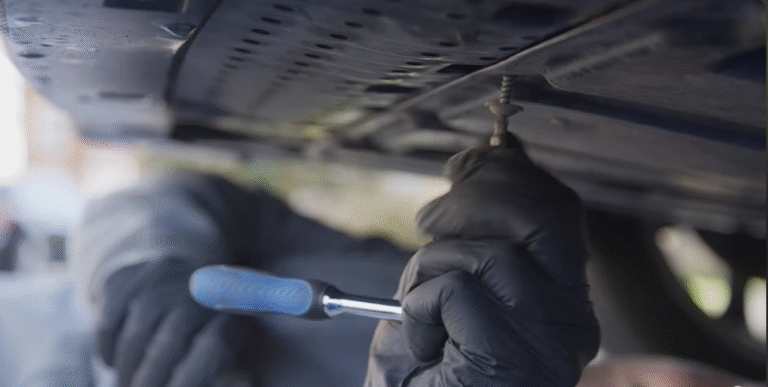
Use the correct tool, like a wrench or socket, to loosen the plug. Turn it slowly to avoid stripping the threads. Be ready for a small amount of fluid to leak out. This shows the fluid level inside the transmission.
Check The Fluid Level And Condition
Look at the fluid that comes out of the inspection hole. If fluid drips steadily, the level is correct. If no fluid or just a few drops come out, the level is low and needs filling. The fluid should be bright red or pink and clear. Dark, brown, or burnt-smelling fluid means it needs changing.
Replace The Inspection Plug Securely
After checking, clean the plug and its hole. Screw the plug back in by hand to avoid cross-threading. Tighten it firmly but do not overtighten. Wipe away any spilled fluid to keep the area clean.

Credit: olezol.com
Adjust Fluid Level If Needed
Adjusting the transmission fluid level is important for smooth vehicle performance. Too little fluid causes slipping and overheating. Too much fluid leads to foaming and poor shifting. Check the fluid level carefully to avoid these problems.
If the fluid level is low, add the correct type of transmission fluid slowly. Use a clean funnel to avoid contamination. Add small amounts and check the level after each addition. This prevents overfilling.
Keep the engine running and the transmission warm while adjusting the fluid level. The fluid expands when warm, so checking at the right temperature gives an accurate reading. Follow your vehicle’s manual for the correct procedure.
Locate The Transmission Fill Or Inspection Plug
Find the fill or inspection plug on the transmission case. It is usually on the side of the transmission. Remove the plug with the proper tools. Be careful not to damage the threads or the plug itself.
Add Fluid Gradually
Pour the transmission fluid slowly into the fill hole. Use a steady hand and a clean funnel. Stop adding fluid if it starts to spill out. This means the fluid is at the correct level.
Check Fluid Level Frequently
After adding fluid, replace the plug and run the engine briefly. Then, remove the plug again to check the level. Repeat this process until the fluid just begins to trickle out. This shows the fluid level is right.
Tools For Dipstick-free Checks
Checking transmission fluid without a dipstick requires special tools. These tools help you see the fluid level and condition. They make the process easier and more accurate. Using the right equipment ensures your transmission stays healthy. Here are some common tools for dipstick-free checks.
Inspection Or Level Plug
Many vehicles without dipsticks have an inspection or level plug. It is located on the transmission case. Removing this plug lets you check the fluid level directly. Fluid should be near the plug opening. This tool provides a simple way to check fluid without a dipstick.
Transmission Fluid Pressure Gauge
This gauge measures the pressure inside the transmission system. High or low pressure can indicate fluid problems. Mechanics use it to diagnose leaks or blockages. It helps identify fluid issues even when you cannot see the fluid level.
Diagnostic Scan Tool
Modern cars have sensors that track fluid temperature and quality. A scan tool reads these sensor codes from your car’s computer. It shows transmission performance and alerts for fluid problems. This tool gives useful data without opening the transmission.
Transmission Fluid Pump
A fluid pump helps add or remove transmission fluid through a sealed system. It is useful when no dipstick or plug is available. This pump allows precise fluid changes and checks. It keeps the transmission fluid at the right level safely.

Credit: olezol.com
Frequently Asked Questions
Can I Add Transmission Fluid To A Sealed Transmission?
You cannot add transmission fluid to a sealed transmission yourself. Only professionals can safely check and refill it using special tools.
How To Check Transmission Fluid Buick Verano?
Park your Buick Verano on a level surface with the engine running. Locate and remove the transmission’s inspection plug. Check if fluid drips out to confirm proper level. Add fluid through the fill plug if needed. Consult your owner’s manual for specific details.
How Will A Car Act If It’s Low On Transmission Fluid?
A car low on transmission fluid may slip gears, overheat, shift roughly, or hesitate during acceleration. It can cause serious damage.
What Happens If Your Car Doesn’t Have A Transmission Dipstick?
Some cars lack a transmission dipstick due to sealed transmissions. Check fluid using the inspection plug on the transmission case. This often requires the engine running and precise conditions. Consult your owner’s manual or a professional for accurate fluid checks and maintenance.
How Can I Check Transmission Fluid Without A Dipstick?
Locate the transmission’s inspection or level plug on the case. Remove it carefully to see if fluid drains out. This shows if the fluid level is correct.
Conclusion
Checking transmission fluid without a dipstick takes care and patience. Use the inspection plug carefully and follow the right steps. Keep the car level and the engine warm for an accurate reading. Regular fluid checks help your transmission run smoothly and last longer.
When unsure, consult your owner’s manual or a professional mechanic. Maintaining your transmission protects your vehicle and saves costly repairs. Simple care goes a long way in keeping your car healthy.