When Is The Best Time To Check Transmission Fluid 2026
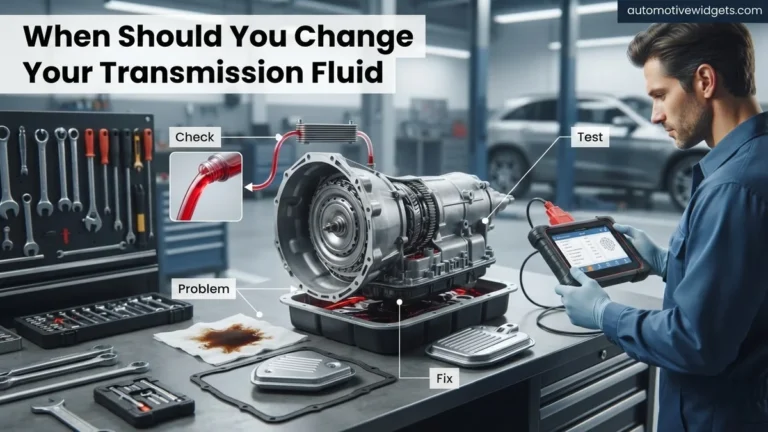
Knowing when is the best time to check transmission fluid means testing it while your engine runs at normal operating temperature on level ground. Checking your fluid at the exact right moment prevents sluggish gear engagement, internal friction, and catastrophic gearbox failure.
This guide covers how to read your dipstick accurately, the risks of incorrect fluid levels, and the step-by-step process for a successful check. Here is what you need to know about when is the best time to check transmission fluid.
How To Check Transmission Fluid In 5 Steps
First sentence includes primary keyword and direct answer: knowing when is the best time to check transmission fluid requires running your car until it reaches normal operating temperature.
Park your vehicle on a completely flat surface and set your emergency brake firmly. Leave the engine idling in park or neutral depending on your specific manufacturer guidelines. Pull the transmission dipstick out from under the hood and wipe it completely clean using a lint-free shop rag or paper towel.
Modern automatic transmissions typically require 5 to 10 minutes of normal driving or about 10 to 15 minutes of idle time to reach their optimal operating temperature range of 170°F to 200°F.
Push the clean dipstick all the way back down into its filler tube until it seats securely. Pull it out a second time and check the fluid level against the hot markings on the blade.
Now let us examine how thermal expansion affects these fluid measurements.
Hot Vs Cold Transmission Fluid Check For Accuracy
Fluid expansion properties dictate that automatic transmission fluid swells as it absorbs heat from the running engine. Checking fluid levels while the engine is completely cold results in a false low reading on the dipstick.
Thermal expansion changes automatic transmission fluid volume significantly across temperature ranges. If you add fluid to a cold transmission based on an inaccurate reading, you will severely overfill the system. Overfilling causes foaming and aeration that damages internal clutches and seals.
According to the Ford Motor Company 2026 F-150 Owner’s Manual (page 412), transmission fluid should be checked while the engine is idling at normal operating temperature with the transmission in Park on a level surface (ford.com/support/manuals).
Let us review why idling the engine makes such a critical difference in your final measurement.
How To Check Transmission Fluid Running Or Not
You must check transmission fluid while the engine is running because the pump circulates fluid through the torque converter and cooler lines. Turning off the engine causes fluid to drain back into the pan, creating a misleadingly high level on your dipstick.
Always keep your foot securely on the brake pedal while moving the gear selector through each gear and back to park before you exit the vehicle. This action fills the valve body and passages with fluid so your reading reflects actual driving conditions.
Transitioning from running engine safety rules leads directly into understanding your vehicle service intervals.
When To Check Transmission Fluid Based On Mileage
You should check your transmission fluid level every three thousand miles or during every other routine oil change. Sticking to this schedule helps you catch slow seal leaks before they starve your transmission of essential hydraulic pressure.
Vehicles used for heavy towing or frequent stop-and-go city driving need more frequent fluid inspections. High mileage vehicles exceeding one hundred thousand miles require monthly dipstick checks to monitor fluid degradation.
Let us examine the specific warning indicators that mean your transmission needs immediate attention.
7 Most Common Signs Of Low Transmission Fluid
Slipping gears serve as the primary symptom of low transmission fluid because insufficient hydraulic pressure fails to hold the clutch packs together.
Delayed engagement happens when your vehicle hesitates for several seconds after you shift into drive or reverse.
Strange whining or buzzing noises originate from the oil pump struggling to pull air instead of adequate fluid through the valve body.
Rough or hard shifting occurs because the computer lacks proper pressure to smooth out gear changes.
Surging vehicle movement happens when low fluid pressure causes gears to intermittently engage and disengage while driving.
Transmission overheating triggers dashboard warning lights as friction generates excessive heat without enough fluid to cool internal components.
Dark brown or black puddles underneath your parked car confirm an active leak draining your system dry.
Let us review the most common questions regarding transmission fluid maintenance.
When To Check Transmission Fluid Level Safely
Can I check my transmission fluid when the engine is cold?
You should avoid checking transmission fluid while the engine is completely cold. Fluid contracts at lower temperatures, which creates a false low reading on your dipstick. Always run the engine until it reaches normal operating temperature before checking.
Should my car be running when I check transmission fluid?
Most automatic vehicles require the engine to run while checking the fluid level. Park on a level surface, keep the engine idling in park or neutral, and set your emergency brake before pulling the dipstick for an accurate reading.
What color should healthy transmission fluid be?
Healthy automatic transmission fluid is bright translucent red or pink. If your fluid appears dark brown or black and smells burnt, it has degraded severely and requires immediate replacement by a professional technician.
How often should you check your transmission fluid level?
You should check your transmission fluid level at least twice a year or during every other routine oil change. Vehicles with higher mileage or heavy towing demands require more frequent inspection intervals to prevent premature mechanical wear.
What happens if you overfill your transmission fluid?
Overfilling your transmission fluid causes air bubbles to form inside the system from rotating gear churning. This aeration leads to erratic shifting, overheating, and potential internal seal damage requiring costly mechanical repairs.
Conclusion For Proper Transmission Maintenance
Knowing when is the best time to check transmission fluid protects your car from catastrophic gearbox failure. Always check transmission fluid with a warmed up, running engine on level ground. Inspect dipstick levels and fluid color regularly to prevent major mechanical failure. Grab a clean rag and check your transmission fluid level today using our step by step method.