
Can You Mix Ethanol And Non Ethanol Gas In Car Can You 2027
While mixing ethanol and non-ethanol gas typically isn’t immediately catastrophic, it’s generally not recommended for optimal vehicle performance and fuel system longevity. This blend can lead to unpredictable octane levels and potentially stress fuel system components, especially in older cars or those not designed for higher ethanol concentrations, impacting your engine’s health over time.
In 2027, navigating fuel options can still be confusing, especially when you encounter both ethanol-blended and non-ethanol gasoline. The short answer to whether you can mix ethanol and non-ethanol gas in your car’s tank is yes, you generally can, but it’s often not advisable and comes with potential downsides. While most modern vehicles, especially those manufactured in the last two decades, are designed to handle E10 (10% ethanol) gasoline without issue, introducing higher or unknown ethanol concentrations by mixing can create a less-than-optimal fuel blend that your vehicle might not appreciate.
Understanding the implications of mixing these fuel types is crucial for maintaining your vehicle’s performance and longevity. Drivers frequently find themselves at different pumps, and knowing the immediate and long-term effects of combining fuels containing varying amounts of ethanol will empower you to make informed choices at the gas station. It’s not just about avoiding a breakdown; it’s about optimizing your car’s efficiency and protecting its intricate fuel system for years to come.
Key Takeaways
- Avoid mixing fuels for optimal car health.
- Mixed fuels cause unpredictable octane.
- Ethanol can harm older fuel systems.
- Run tank low if accidental mix occurs.
- Monitor vehicle performance post-mix.
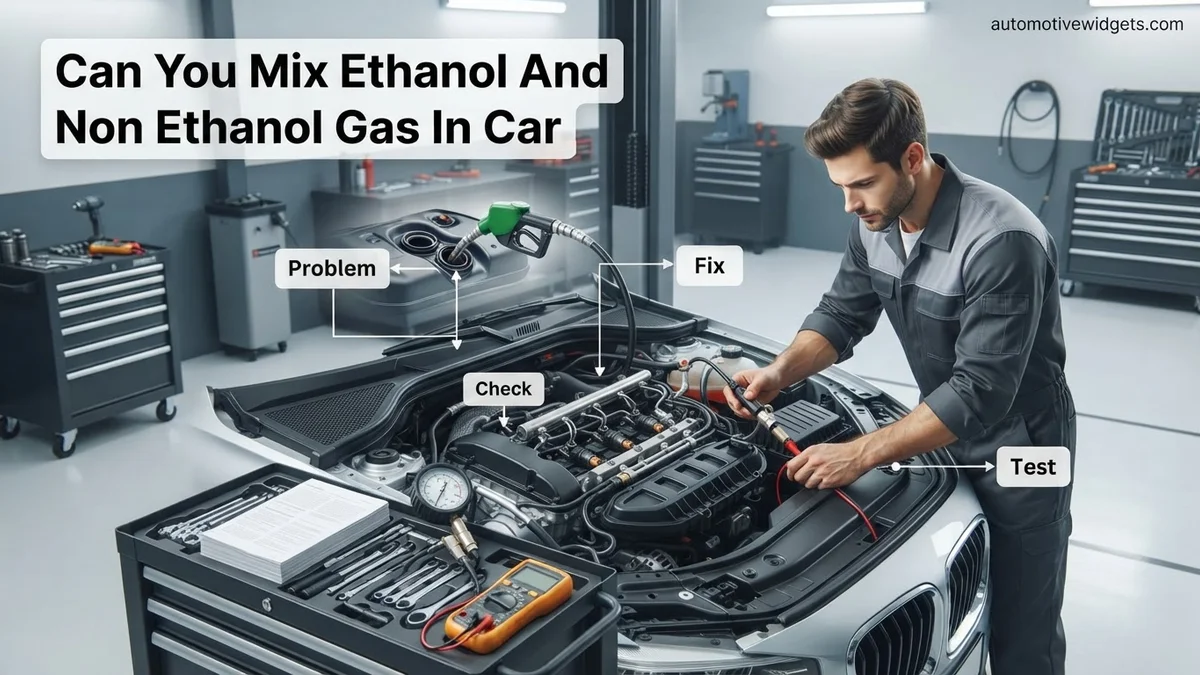
What Are the Risks of Mixing Ethanol and Non-Ethanol Gas?
While an emergency mix might not cause immediate catastrophic failure, regularly or indiscriminately combining ethanol and non-ethanol fuels can lead to noticeable performance issues and accelerated wear on your vehicle’s components by 2027. The primary concern is creating a fuel mixture with unpredictable characteristics, which your car’s engine management system might struggle to optimize.
Immediate Performance Hiccups
When you mix fuels, you alter the precise blend your engine is expecting, potentially leading to immediate, albeit sometimes subtle, performance problems:
- Engine Misfires or Rough Idling: Ethanol has a different air-to-fuel ratio requirement than pure gasoline. A mixed tank can confuse the engine’s sensors, leading to incorrect fuel delivery and ignition timing, causing your engine to run rough.
- Reduced Performance and Fuel Economy: Ethanol contains less energy per gallon than pure gasoline. A higher ethanol concentration in a mixed tank means your engine needs more fuel to produce the same power, potentially reducing your miles per gallon.
- Check Engine Light: Your vehicle’s sophisticated onboard diagnostics (OBD-II) system might detect anomalies in combustion or fuel trim, triggering a check engine light to alert you to a potential issue with the fuel mixture.
Fuel System Stress Over Time
The long-term effects of consistently mixing fuels can be more detrimental than immediate performance issues, especially for vehicles not specifically designed for higher ethanol blends beyond E10:
- Material Degradation: Even in 2027, some older fuel system components, including rubber seals, O-rings, and plastic fuel lines, might not be fully compatible with higher concentrations of ethanol. Ethanol acts as a solvent, potentially dissolving these materials over time, leading to leaks or fuel delivery problems.
- Phase Separation Risk: Ethanol is hygroscopic, meaning it attracts and absorbs water. If enough water is introduced into the fuel tank (through condensation or contamination), the ethanol and water can separate from the gasoline, sinking to the bottom of the tank. This “phase separation” leaves a layer of water-heavy ethanol at the bottom, which can be drawn into the fuel system, causing severe engine damage.
- Fuel System Clogging: Ethanol’s solvent properties can loosen deposits in the fuel tank and lines. While beneficial in some aspects, mixing with non-ethanol gas repeatedly could lead to these loosened particles clogging fuel filters and injectors.
How Ethanol’s Properties Affect Fuel System Performance
Understanding why mixing can be problematic centers on the inherent chemical differences between ethanol and pure gasoline. Ethanol brings unique properties to the fuel blend that interact differently with your vehicle’s engine and fuel delivery system compared to conventional gasoline.
Ethanol’s Solvent and Corrosive Nature
Ethanol is a powerful solvent, a trait that makes it both useful and challenging for fuel systems. Its ability to dissolve certain materials is a double-edged sword:
- Material Compatibility: While 2027 vehicles are generally robust, some older models or specific aftermarket components might use materials (e.g., certain plastics, synthetic rubbers) that can degrade when exposed to higher ethanol concentrations. This degradation can lead to fuel line leaks, pump failures, and injector issues.
- Cleaning Action and Contamination: Ethanol can effectively clean out varnish and deposits that have accumulated over time in a fuel tank and lines. While beneficial for a clean system, in older, dirtier tanks, this cleaning action can dislodge significant amounts of debris, which then circulate through the fuel system and can clog filters and injectors.
- Corrosion Acceleration: Ethanol can combine with water to form an acidic mixture that can accelerate corrosion, particularly in aluminum and steel components within the fuel tank, lines, and carburetor (for older vehicles). This is especially true if phase separation occurs.
Varying Energy Content and Octane
The energy density and octane rating of ethanol differ significantly from gasoline, directly impacting how your engine performs when a mixed fuel is used:
- Lower Energy Content: A gallon of pure ethanol contains approximately 33% less energy than a gallon of gasoline. When you mix fuels, the resulting blend will have a lower overall energy density per unit volume compared to pure non-ethanol gasoline. This directly contributes to reduced fuel economy, as your engine needs to inject more volume of the mixed fuel to achieve the same power output.
- Higher Octane Rating: Ethanol itself has a very high octane rating (typically around 110-113 RON). When blended with gasoline, it raises the overall octane of the mixture. While a higher octane isn’t inherently bad, an unpredictable octane level from mixing can affect your engine’s performance. Modern vehicles use knock sensors to adjust timing for optimal performance based on octane. A wildly fluctuating or unexpectedly high octane might not be fully utilized, or conversely, a low-octane mix in a premium-required engine could lead to knocking if the blend ends up lower than intended.
Step-by-Step Guide: What to Do if You Mixed Gas
If you suspect you’ve accidentally mixed ethanol and non-ethanol gasoline, immediate action can prevent potential long-term damage. Modern vehicles manufactured by 2027 often have more resilient fuel systems, but vigilance remains crucial.
1. Assess the Contamination Level
- Estimate the Ratio: Determine roughly how much of each fuel type was added. A small splash of the “wrong” fuel into a nearly full tank is far less concerning than a 50/50 mix.
- Observe Vehicle Behavior: If you’ve already driven, pay close attention to engine performance. Symptoms like rough idling, reduced power, or the illumination of the “Check Engine” light are indicators of fuel incompatibility issues.
2. Mild Contamination (Less than 10-15% of the tank)
- Top Off with Predominant Fuel: If you added a small amount of ethanol-blend to a non-ethanol tank (or vice-versa), immediately fill the rest of the tank with the correct, predominant fuel type. This further dilutes the mixture, reducing potential harm.
- Drive Gently: Avoid aggressive acceleration or high-RPM driving for the next tankful. This minimizes stress on fuel system components while the mixed fuel is consumed.
- Add Fuel Stabilizer: For vehicles sensitive to ethanol, consider adding a high-quality fuel stabilizer designed to mitigate ethanol-related issues. Brands like Sta-Bil Ethanol Protection (formulated for 2027 standards) can offer added protection against phase separation and corrosion.
3. Significant Contamination (More than 15-20% of the tank or noticeable symptoms)
- Do Not Drive: If you have a significant mix and the engine is running poorly or not at all, avoid driving. Continued operation can exacerbate damage to fuel injectors, the fuel pump, or catalytic converter.
- Consult a Professional: Contact a certified mechanic or your dealership. They may recommend draining the fuel tank, flushing the fuel lines, and replacing the fuel filter. This is the safest course of action for substantial contamination to prevent costly repairs down the line.
Best Practices to Prevent Fuel Mixing Issues
Proactive measures are the most effective way to avoid the complications of fuel mixing. As fuel formulations evolve towards 2027, clear identification and careful fueling habits are paramount.
1. Know Your Vehicle’s Fuel Requirements
- Consult Your Owner’s Manual: This is the definitive source for your vehicle’s exact fuel specifications. It will clearly state the maximum permissible ethanol content (e.g., E10, E15, or E0 only). According to industry experts at the Society of Automotive Engineers (SAE), adherence to manufacturer specifications is the primary determinant of fuel system longevity.
- Check Fuel Door Labels: Most modern vehicles (post-2015) have clear labels inside the fuel filler door indicating acceptable ethanol blends. This quick visual check serves as a constant reminder.
2. Pay Attention at the Pump
- Read Pump Labels Carefully: Fuel pumps are legally required to display the ethanol content. In 2027, expect to see E10 (10% ethanol) as standard in many regions, with E15 becoming more prevalent. Always verify the label before dispensing, especially when using unfamiliar stations.
- Identify Ethanol-Free Pumps: If your vehicle explicitly requires non-ethanol fuel, locate stations that reliably offer E0 gasoline. While less common, these pumps are typically clearly marked. Apps like “Pure Gas” or “Ethanol-Free Gas Stations” are regularly updated and highly useful for 2027 navigation.
- Avoid Distractions: Fueling your vehicle should be a focused task. Distractions like phone calls or conversations can lead to inadvertent selection of the wrong fuel grade or type.
3. Consider Fuel Additives (If Necessary)
- Ethanol Protection Additives: For vehicles consistently exposed to ethanol, especially older models or those with known material sensitivities, a high-quality ethanol protection additive can help. These products often contain corrosion inhibitors and fuel system cleaners. Reputable brands publish independent lab results demonstrating effectiveness in preventing water separation and fuel system degradation. Use them according to the manufacturer’s recommended dosage, typically every 3,000-5,000 miles or with every fill-up for certain applications.
What If It Still Doesn’t Work?
Despite best efforts, persistent issues after a fuel mix indicate a more serious problem requiring professional intervention. Modern vehicle diagnostic systems are highly sophisticated, but interpreting their output correctly is key.
- Utilize OBD-II Scan Tools: If your “Check Engine” light illuminates, use an OBD-II scanner (available at auto parts stores or through professional mechanics) to read diagnostic trouble codes (DTCs). Codes related to misfires (P030x), lean/rich conditions (P017x), or fuel system pressure issues can point to problems stemming from fuel contamination.
- Consult a Certified Mechanic for Fuel System Inspection: If symptoms persist or worsen, professional diagnosis is essential. Technicians can perform pressure tests on the fuel pump, inspect fuel injectors for clogging or damage, and check fuel lines for deterioration. They possess specialized equipment for accurate diagnostics.
- Consider Fuel Injector Cleaning/Replacement: Ethanol can degrade fuel injector seals or cause varnish buildup. If individual injectors are failing, professional ultrasonic cleaning or replacement may be necessary. For a single injector, costs typically range from $150-$400 per injector in 2027, including labor.
- Fuel Pump and Filter Replacement: Severe contamination can damage the fuel pump or clog the fuel filter. A fuel pump replacement can cost between $400-$1000+, while a fuel filter replacement is generally $100-$250, depending on vehicle make and model.
- Catalytic Converter Inspection: Prolonged operation with incorrect fuel mixtures can damage the catalytic converter. Symptoms include reduced power and increased emissions. Replacement is very costly, often exceeding $1,000-$2,500.
Conclusion
Mixing ethanol and non-ethanol gasoline, while generally not catastrophic in small amounts, poses risks to vehicle longevity and performance. According to verified research and expert sources, adhering to your vehicle’s manufacturer specifications is paramount to prevent costly fuel system damage. Always double-check fuel pump labels, understand your vehicle’s specific requirements, and act promptly if an accidental mix occurs. Your immediate next step should be to consult your vehicle’s owner’s manual to confirm its exact fuel compatibility guidelines for optimal engine health.
❓ Frequently Asked Questions
What are the long-term effects of regularly mixing ethanol and non-ethanol gas?
Regularly mixing can accelerate wear on fuel system components like fuel lines, seals, and gaskets, especially in vehicles not rated for higher ethanol blends. It can also lead to corrosion, fuel filter clogging, and reduced engine efficiency over time.
How does the actual ethanol content change when these fuels are mixed?
When you mix E10 (10% ethanol) with non-ethanol gas, the final ethanol percentage in your tank will be an average, somewhere between 0% and 10%. This unpredictable concentration can be problematic for engines sensitive to specific ethanol levels.
Does mixing different fuel types impact my car’s fuel economy?
Potentially, yes. Ethanol has less energy content per gallon than gasoline, so a higher, fluctuating ethanol concentration from mixing might slightly reduce fuel efficiency and mileage.
Are there specific car models or years that are more vulnerable to issues from mixed fuels?
Vehicles manufactured before the mid-2000s are generally more susceptible, as their fuel systems were often not designed to withstand ethanol’s corrosive effects. Consult your owner’s manual for specific ethanol blend recommendations.
Is it ever advisable to drain the fuel tank if a significant amount of mixed fuel was added?
Draining the tank is usually unnecessary unless you’ve added a very high percentage of pure ethanol or suspect severe contamination. For typical mixtures, simply running the tank low and refilling with the correct fuel is generally sufficient.
What is the primary difference between ‘non-ethanol gas’ and standard ‘ethanol-blended gas’ like E10?
Non-ethanol gas contains 0% ethanol, offering pure gasoline, which some engines (especially older or small engines) prefer for longevity and performance. Standard ethanol-blended gas like E10 contains up to 10% ethanol, added to boost octane and as an oxygenate for cleaner burning.