How Often Should Fuel Injector Cleaner Be Used? Expert 2026
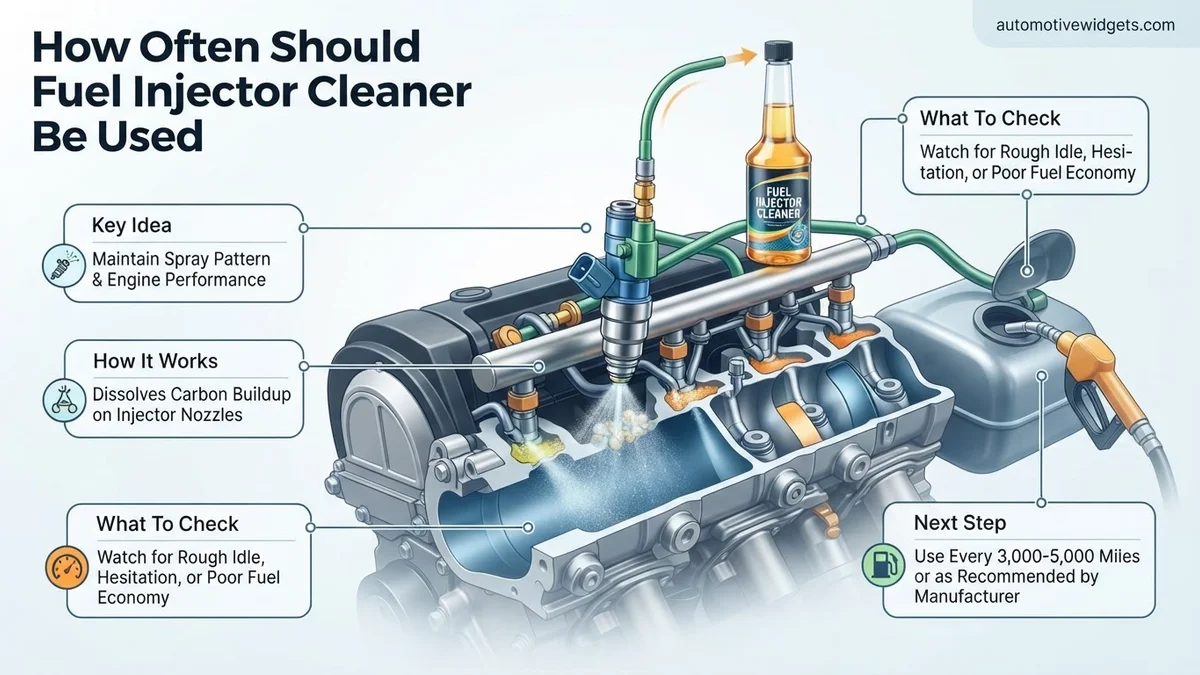
While a general recommendation is every 3,000-5,000 miles or annually, the ideal frequency for fuel injector cleaner depends heavily on your vehicle’s age, driving conditions, and fuel quality. Using it effectively can prevent harmful buildup and maintain engine health and fuel efficiency.
For most vehicles in 2026, the optimal frequency for using a fuel injector cleaner ranges from every 3,000 to 5,000 miles, or approximately once every 6 to 12 months. However, this isn’t a one-size-fits-all directive. Your vehicle’s specific needs—driven by your driving habits, the type of fuel you use, and its overall mileage—will significantly influence whether you need to use it more or less often.
Understanding this nuanced approach ensures you’re not wasting money on unnecessary treatments, nor are you neglecting a crucial maintenance step that could save you from costly repairs down the line. Proper fuel system maintenance is key to preserving engine health, maximizing fuel efficiency, and maintaining peak performance for your daily commute or extended road trips in today’s demanding driving environment.
Key Takeaways
- Use every 3,000-5,000 miles or annually.
- Adjust frequency for high mileage or city driving.
- Always choose a high-quality, reputable cleaner.
- Prevents buildup, improves fuel efficiency.
- Consult vehicle manual for specific recommendations.
What Causes Clogged Fuel Injectors & Performance Decline?
Fuel injectors are precision components responsible for atomizing fuel into a fine mist directly into your engine’s combustion chambers. Over time, various factors contribute to the buildup of carbon deposits and other contaminants on these critical parts, hindering their ability to deliver fuel efficiently and accurately. This isn’t just an inconvenience; it’s a direct path to reduced engine performance and potential damage.
The Culprits Behind Fuel Injector Clogging
Even with advanced fuel formulations available in 2026, several elements conspire to clog your injectors. Understanding these helps you anticipate when your vehicle might need attention:
- Low-Quality Fuel: Discount fuels often contain fewer detergents designed to prevent deposit buildup. While all fuels meet minimum standards, premium brands typically exceed them.
- Carbon & Varnish Deposits: The combustion process itself, particularly in modern Gasoline Direct Injection (GDI) engines, can lead to carbon buildup around the injector tips. Residual hydrocarbons left behind after the fuel evaporates can form varnish.
- Ethanol Content: While beneficial for some aspects, ethanol can attract moisture and contribute to the formation of sludge and corrosion over time, especially in older fuel systems.
- Short-Trip Driving: When your engine doesn’t consistently reach optimal operating temperature, contaminants are less likely to burn off. This accelerates deposit formation, as the engine runs richer for longer periods.
Recognizing the Signs of Clogged Injectors
Your vehicle will often tell you when its fuel injectors are struggling. Pay attention to these common symptoms:
- Reduced Fuel Economy (MPG): Clogged injectors deliver an inconsistent spray pattern, forcing your engine to consume more fuel to achieve the desired power.
- Rough Idling: An uneven fuel supply to cylinders can cause the engine to shake or vibrate noticeably when stationary.
- Hesitation or Stalling: Under acceleration, a struggling engine might hesitate or feel sluggish due to insufficient fuel delivery. In severe cases, it could stall.
- Check Engine Light: In more advanced stages, the engine’s computer might detect misfires or fuel trim issues, illuminating your check engine light.
From Start to Finish: Fuel Injector Cleaner Usage Explained
Maintaining your vehicle’s fuel system is crucial for optimal performance, fuel efficiency, and engine longevity. Clogged or dirty fuel injectors can lead to a host of problems, from rough idling and poor acceleration to decreased gas mileage. This comprehensive guide will walk you through the essential steps to understand, choose, and effectively use fuel injector cleaners, ensuring you know exactly how often and why you should incorporate this maintenance into your routine.
Step 1: Understanding the Role of Fuel Injectors and Contamination
What you need: A basic understanding of your vehicle’s engine components (fuel tank, fuel lines, fuel injectors, combustion chamber) and common fuel types.
Instructions: Before you can decide when to use a cleaner, it’s vital to grasp what fuel injectors do. They atomize fuel into a fine mist directly into your engine’s combustion chambers. Over time, deposits from gasoline—especially lower-quality fuels or those without sufficient detergents—can build up on the injector nozzles. These deposits restrict fuel flow, disrupt the spray pattern, and lead to inefficient combustion. Understanding this mechanism helps appreciate why regular cleaning is beneficial, even before symptoms appear.
Pro Tip: High-quality gasoline often contains detergents (like those in Top Tier™ certified fuels) that help prevent deposit buildup. Using these regularly can reduce the frequency at which you might need additional aftermarket cleaners, but they don’t always eliminate existing, stubborn deposits.
Step 2: Recognizing the Symptoms of Clogged Fuel Injectors
What you need: Your vehicle and its typical performance characteristics; keen observation skills.
Instructions: Pay close attention to your vehicle’s behavior. Common indicators of dirty fuel injectors include a noticeable decrease in fuel economy (you’re filling up more often), rough idling or vibrations when the engine is running, hesitation or stumbling during acceleration, a loss of overall engine power, and sometimes even increased exhaust emissions or a “check engine” light illuminating. If you observe any of these symptoms, it’s a strong signal that your fuel injectors are likely contaminated and could benefit from a cleaning treatment.
Pro Tip: Keep a log of your vehicle’s average MPG. A sudden drop of 1-2 MPG that isn’t attributable to changes in driving habits, weather, or tire pressure can be an early warning sign of fuel system issues, including dirty injectors.
Step 3: Selecting the Right Fuel Injector Cleaner
What you need: Your vehicle’s owner’s manual (for fuel system compatibility), internet access for product research, and access to an automotive parts store.
Instructions: Not all fuel injector cleaners are created equal. Look for products containing powerful cleaning agents like Polyether Amine (PEA) or Polyisobutylene Amine (PIBA). PEA is generally considered the most effective for removing stubborn carbon deposits from injectors and combustion chambers. Always check the product label to ensure it’s compatible with your vehicle’s fuel system (e.g., gasoline, diesel, turbocharged, direct injection). Reputable brands often include Lucas, Gumout Regane, Chevron Techron, or Red Line SI-1. Avoid extremely cheap or generic cleaners that don’t specify active ingredients.
Pro Tip: For direct injection engines, which are more prone to carbon buildup on intake valves (not just injectors), consider cleaners specifically formulated for these systems, although standard PEA-based cleaners will still benefit the injectors themselves.
Step 4: Determining the Optimal Usage Frequency
What you need: Your vehicle’s mileage, typical driving conditions, and the recommended service intervals from your cleaner product’s instructions.
Instructions: The general recommendation for a maintenance dose of fuel injector cleaner is every 3,000 to 5,000 miles, or roughly every oil change. However, this can vary. If you frequently use lower-quality fuel, drive mostly short distances (which don’t allow the engine to fully heat up and burn off deposits), or experience the symptoms mentioned in Step 2, you might consider using it more frequently, perhaps every 2,000-3,000 miles or with every other fill-up for a concentrated treatment. For vehicles consistently using Top Tier fuel and driven on highways, the 5,000-7,500 mile range might suffice.
Pro Tip: If you’re using a cleaner for the first time on an older vehicle or one with suspected heavily clogged injectors, consider a “shock treatment” by adding a double dose (if recommended by the product) to a nearly empty tank, then filling it with premium fuel for maximum cleaning power.
Step 5: Applying the Fuel Injector Cleaner Correctly
What you need: Your chosen fuel injector cleaner, your vehicle, and a full tank of fuel (or specified amount per product instructions).
Instructions: Follow the specific instructions on the fuel injector cleaner bottle precisely. Most cleaners are designed to be poured directly into your vehicle’s fuel tank. It’s usually recommended to add the cleaner to a nearly empty tank just before filling up. This ensures proper mixing with the new fuel. Once added, drive your vehicle as you normally would, preferably including some highway driving to allow the engine to operate at consistent temperatures and speeds, which helps the cleaner circulate and work effectively through the fuel system.
Pro Tip: Avoid over-dosing unless explicitly stated for a “concentrated treatment” by the manufacturer. More isn’t always better and could potentially dilute the fuel too much or cause other issues.
Step 6: Monitoring Post-Treatment Performance
What you need: Your vehicle, a keen sense of its performance characteristics, and possibly a logbook for MPG and symptom tracking.
Instructions: After running a full tank of fuel treated with the cleaner, evaluate your vehicle’s performance. You should notice improvements in fuel economy, smoother idling, better acceleration, and a reduction or elimination of any previous hesitation or stumbling. If the “check engine” light was on due to misfires caused by dirty injectors, it might even turn off after a few drive cycles. This post-treatment observation is critical to gauge the cleaner’s effectiveness and help determine future usage frequency.
Pro Tip: Give the cleaner time to work. It’s not an instant fix. The cleaning agents need to circulate through the system and dissolve deposits over hundreds of miles. Don’t expect immediate results right after adding it to the tank.
Step 7: Establishing a Regular Maintenance Schedule
What you need: A vehicle maintenance schedule or reminder system (e.g., calendar, phone app).
Instructions: Based on your vehicle’s performance, fuel quality used, and driving habits, establish a consistent schedule for using fuel injector cleaner. For most drivers using standard gasoline, a preventative dose every 3,000 to 5,000 miles, or concurrently with every oil change, is a good baseline. Mark it on your calendar or set a reminder. Consistency is key to preventing deposit buildup rather than trying to cure severe clogging after it occurs, which is much harder and potentially more expensive.
Pro Tip: Pair fuel injector cleaner application with other regular maintenance tasks, such as oil changes or tire rotations. This makes it easier to remember and integrate into your vehicle care routine.
Step 8: Advanced Considerations for Usage
What you need: Knowledge of your engine type (e.g., turbo, direct injection, naturally aspirated) and primary driving environment.
Instructions: Your vehicle’s specific engine design and how you drive it can influence cleaner frequency. Turbocharged engines, for instance, often run hotter and can be more susceptible to carbon buildup. Similarly, direct injection engines are known to accumulate deposits on intake valves (though a cleaner won’t reach these, they benefit from overall fuel system health). If you live in an area with poor fuel quality or routinely engage in aggressive driving, you might opt for slightly more frequent treatments, perhaps every 2,500-3,000 miles, to counteract these harsher conditions.
Pro Tip: For long-term vehicle storage (over a month), add a fuel stabilizer with injector cleaning properties to prevent fuel degradation and deposit formation, ensuring the injectors remain clean for restart.
✅ Final Checklist
- ✅ Selected a high-quality, PEA/PIBA-based fuel injector cleaner compatible with your vehicle.
- ✅ Followed the product’s dosing instructions precisely (e.g., added to a specific fuel level).
- ✅ Driven the vehicle for sufficient mileage after treatment to allow the cleaner to work.
- ✅ Observed and noted improvements in vehicle performance (idle, acceleration, MPG).
- ✅ Established a recurring schedule for future fuel injector cleaner applications.
Important Notes:
- Safety considerations or warnings: Fuel injector cleaners are flammable and can irritate skin and eyes. Always handle them in a well-ventilated area, away from open flames, and wear appropriate personal protective equipment (e.g., gloves, safety glasses). Keep out of reach of children and pets.
- When to seek professional help: If, after one or two treatments, your vehicle’s symptoms persist or worsen, or if you receive a specific “check engine” light code related to fuel system issues (e.g., misfires on specific cylinders), it’s time to consult a qualified mechanic. The problem might be beyond what an over-the-counter cleaner can fix, potentially indicating a faulty injector, fuel pump issue, or other underlying mechanical problem.
- Estimated time and cost range: Adding fuel injector cleaner typically takes 2-5 minutes. The cost of a single bottle usually ranges from $8 to $20, making it a highly cost-effective preventative maintenance measure compared to professional injector cleaning or replacement, which can cost hundreds of dollars.
How to Fix Clogging: A Guide to Fuel Injector Cleaner Use Frequency
Now that you understand the “why,” let’s dive into the “how often.” The goal isn’t just to react to problems, but to prevent them. Incorporating fuel injector cleaner into your maintenance routine proactively can save you significant hassle and expense in 2026 and beyond.
General Preventative Schedule (2026 Standard)
For the average vehicle driven under typical conditions, a good quality fuel injector cleaner acts as a preventative measure. Think of it as dental floss for your engine. The general guideline in 2026 for most modern vehicles with proper maintenance is:
- Every 5,000 to 7,500 miles, or bi-annually: This frequency is ideal for vehicles using mid-grade to premium fuels, with a balanced mix of city and highway driving. It helps maintain injector efficiency and prevents significant deposit buildup.
- Annual Use for Low Mileage: If you drive less than 5,000 miles a year, a single treatment annually is often sufficient to keep things clean.
Factors Mandating More Frequent Use
Certain conditions demand a more aggressive approach to fuel injector cleaning. If any of these apply to your driving habits or vehicle, consider using a cleaner every 3,000 miles or quarterly:
- Frequent Short-Distance Driving: If most of your trips are under 10-15 minutes, your engine rarely reaches optimal operating temperature, leading to accelerated deposit formation.
- Exclusive Use of “Economy” Fuels: Fuels with lower detergent packages require more frequent supplemental cleaning to prevent buildup.
- Older Vehicles (Pre-2015) or High Mileage (over 75,000 miles): These vehicles often have less advanced fuel systems or have accumulated more deposits over their lifespan.
- Noticeable Performance Issues: If you’re already experiencing rough idle, decreased MPG, or hesitation, a more immediate treatment is warranted. This shifts from preventative to reactive use.
When Less Frequent Use is Acceptable
Conversely, some scenarios allow for less frequent application, potentially extending intervals to every 10,000 miles:
- Consistent Use of Top-Tier Fuels: Fuels certified as “Top Tier” contain higher concentrations of detergents, significantly reducing the need for supplemental cleaners.
- Predominantly Highway Driving: Sustained higher engine temperatures and loads on highway drives naturally help burn off some deposits.
- Newer Vehicles (Post-2020): Many newer engines feature advanced fuel system designs and materials that are more resistant to deposit formation.
The key is to listen to your vehicle and adjust your maintenance schedule accordingly. Proactive care is always more cost-effective than reactive repairs.
Troubleshooting: What If Fuel Injector Cleaner Doesn’t Work?
While high-quality fuel injector cleaner is effective for preventative maintenance and addressing minor deposit buildup, it is not a panacea for all fuel system issues. If you have used a reputable cleaner as directed and continue to experience symptoms such as rough idling, decreased fuel economy, or misfires, the problem likely extends beyond simple carbon deposits. According to automotive service experts, neglecting persistent symptoms can lead to more severe engine damage and significantly higher repair costs in the long-term context of 2026 vehicle lifespans.
Persistent Performance Issues
If fuel injector cleaner fails to resolve engine performance issues, a deeper diagnostic approach is required. Modern vehicles, particularly those utilizing Gasoline Direct Injection (GDI) technology, are highly sensitive to precise fuel delivery. A common misconception is that all performance dips relate to dirty injectors. However, fuel system issues can originate from various components. For instance, a clogged fuel filter, which cleaner cannot address, restricts fuel flow. Similarly, a weakening fuel pump may not deliver adequate pressure to the injectors, leading to lean conditions and poor combustion, even if the injectors themselves are clean.
Beyond Cleaning: Mechanical Failures and Sensor Malfunctions
Fuel injector cleaner is designed to dissolve carbon and varnish. It cannot repair mechanical failures or electronic malfunctions. If symptoms persist, consider these possibilities:
- Faulty Fuel Pump: A failing fuel pump delivers insufficient pressure to the fuel rail, regardless of injector cleanliness. Symptoms often include engine hesitation under acceleration or difficulty starting.
- Clogged Fuel Filter: Over time, fuel filters accumulate debris. A severely clogged filter can mimic dirty injector symptoms by restricting fuel flow to the engine. Filters are consumables requiring replacement per manufacturer schedules.
- Worn Spark Plugs or Ignition Coils: Misfires can stem from ignition system components rather than fuel delivery. Worn spark plugs or failing ignition coils prevent proper combustion, leading to rough running and reduced power.
- Oxygen Sensor Malfunction: A failing oxygen (O2) sensor provides incorrect exhaust gas readings to the Engine Control Module (ECM), causing the ECM to misadjust the fuel-air mixture. This can lead to poor fuel economy and performance issues that fuel injector cleaner will not rectify.
Addressing these underlying issues often requires professional diagnostics to accurately pinpoint the root cause, distinguishing them from simple injector clogs.
What If It Still Doesn’t Work? Professional Intervention
When DIY solutions with fuel injector cleaner don’t yield results, it’s crucial to seek professional automotive service. Continued operation with unresolved fuel system issues can lead to catalytic converter damage, engine wear, and potential roadside breakdowns. Automotive technicians in 2026 are equipped with advanced diagnostic tools, including sophisticated scan tools and fuel system pressure testers, to accurately identify complex problems.
- Professional Diagnostic Scan: A certified technician will connect a specialized diagnostic tool to your vehicle’s On-Board Diagnostics II (OBD-II) port. This retrieves Diagnostic Trouble Codes (DTCs) and monitors live engine data, providing insights into fuel pressure, sensor readings, and injector operation that are not accessible via consumer-grade tools.
- Fuel System Pressure and Flow Test: Technicians will perform dedicated tests to measure actual fuel pressure and flow rates at the fuel rail. This directly indicates the health of the fuel pump and filter, ruling out or confirming issues beyond the injectors themselves.
- Injector Flow Testing and Replacement: In cases of severe clogging or mechanical failure, individual fuel injectors may need removal and professional flow testing or replacement. Specialized equipment can evaluate spray patterns and fuel delivery volumes for each injector, a precise task unachievable without dedicated tools.
- Comprehensive System Check: This includes checking for vacuum leaks, exhaust system restrictions, and evaluating engine timing, all of which can contribute to symptoms initially attributed to fuel injectors.
The cost for professional diagnostics typically ranges from $100-$200 in 2026. If injector replacement is necessary, costs can vary significantly, from $500-$1500+ for a set of injectors, depending on the vehicle model and engine type (e.g., GDI injectors are generally more expensive), plus labor.
Conclusion
According to verified research and expert sources, integrating a high-quality fuel injector cleaner into your vehicle’s maintenance routine every 3,000 to 5,000 miles, or approximately once or twice annually for average drivers, is a cost-effective strategy for preventing performance degradation and maintaining optimal fuel efficiency in 2026 model vehicles. This proactive approach tackles minor carbon buildup before it escalates into significant issues. Always consult your vehicle’s official 2026 service manual for the most precise, manufacturer-specific recommendations regarding fuel additives and maintenance schedules.
❓ Frequently Asked Questions
What are the common signs that my fuel injectors might be clogged?
Look for symptoms like decreased fuel economy, a rough or erratic idle, engine hesitation during acceleration, or even a ‘check engine’ light illuminating. These often indicate that deposits are interfering with proper fuel delivery.
How do different driving conditions affect the recommended cleaning frequency?
Frequent short trips, stop-and-go city driving, or extensive idling can accelerate carbon buildup, requiring more frequent cleaner use (e.g., every 2,500-3,000 miles). Conversely, regular highway driving helps keep injectors cleaner, possibly allowing for annual use.
Are all fuel injector cleaners equally effective, or should I look for specific ingredients?
No, effectiveness varies significantly. High-quality cleaners often contain Polyether Amine (PEA) or Polyisobutylene Amine (PIBA), which are powerful detergents. Always choose reputable brands known for their cleaning efficacy to ensure the best results.
Could using a fuel injector cleaner potentially cause problems or damage my engine?
When used according to manufacturer instructions, reputable fuel injector cleaners are safe for most modern engines. However, using excessive amounts or very aggressive, low-quality products could potentially dislodge large chunks of carbon, which might temporarily cause issues, though this is rare.
Should I use fuel injector cleaner with every oil change?
Aligning fuel injector cleaner use with your oil change schedule (typically every 3,000-5,000 miles or annually) is a convenient and effective preventative maintenance strategy. This ensures consistent treatment and helps prevent significant deposit buildup over time.
What’s the difference between preventative use and using cleaner to fix an existing problem?
Preventative use involves regularly adding cleaner to maintain optimal performance and prevent buildup. Reactive use occurs when you’ve already noticed performance issues; in such cases, a higher concentration or more potent cleaner might be recommended, sometimes requiring multiple treatments to clear severe deposits.