Can I Change My Oil Without Changing the Oil Filter? Essential Facts
Have you ever wondered if you can change your oil without swapping out the oil filter? You might think skipping the filter saves time and money, but is it really a smart move for your car?
What if that simple choice could affect your engine’s health or lead to costly repairs down the road? Keep reading to find out why the oil filter matters just as much as the oil itself—and what happens when you decide to leave it behind.
Your car’s performance and your peace of mind could depend on what you learn next.
Credit: www.caranddriver.com
Why Oil And Filter Work Together
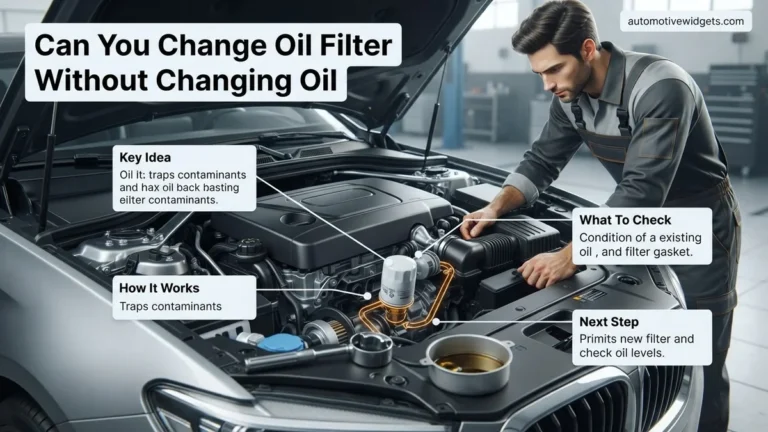
Oil and the filter work as a team to keep your engine clean. Changing oil without the filter leaves dirt and old oil inside. This can cause engine damage over time.
How Oil Protects The Engine
Engine oil keeps the engine parts moving smoothly. It reduces friction and heat. Oil also carries away dirt and tiny metal bits. Without clean oil, the engine wears out faster. The oil must be clean to do its job well.
The Role Of The Oil Filter
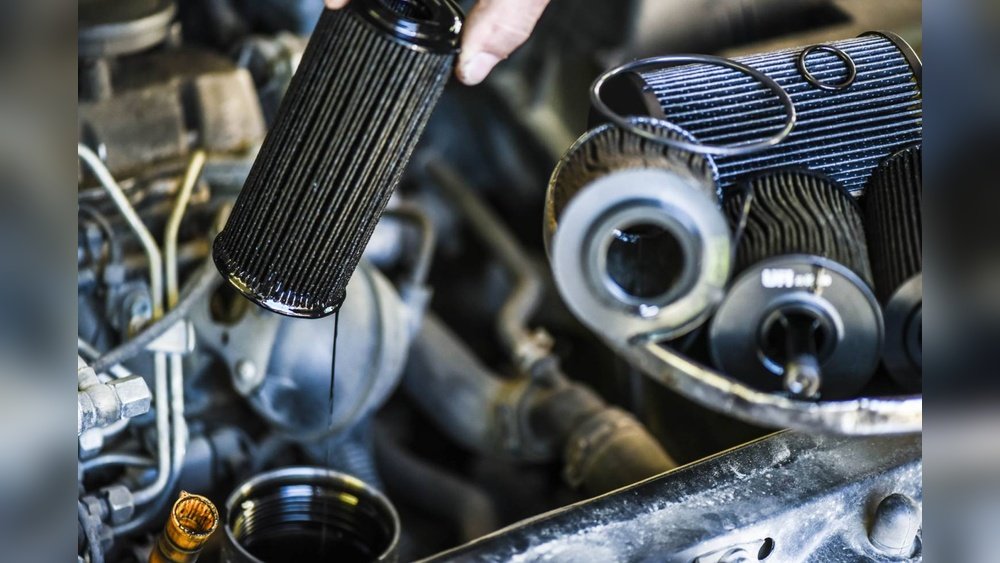
The oil filter traps dirt and particles in the oil. It stops harmful debris from reaching engine parts. A dirty or clogged filter can’t clean oil properly. This causes dirty oil to circulate and damage the engine. The filter works as a shield for your engine.
Why Changing Both Matters
Old oil and a used filter lower engine protection. The filter holds dirt from the old oil. If you don’t change the filter, dirt stays inside. New oil will mix with old dirt, harming the engine. Changing both keeps the engine clean and safe.
Risks Of Skipping The Filter Change
Changing the oil filter is a crucial part of car maintenance. Skipping this step can cause serious problems for your engine. The oil filter removes dirt and debris from the oil. If it is old or clogged, dirty oil will circulate inside the engine. This can lead to increased wear and tear.
Many people wonder if they can just change the oil and keep the old filter. This might seem like a time-saver. But it puts your engine at risk. The following points explain why skipping the filter change is not a good idea.
Increased Engine Wear
The oil filter traps particles that can damage engine parts. Without a new filter, these particles stay in the oil. Dirty oil causes metal parts to rub harder. This increases engine wear and shortens its life.
Reduced Oil Efficiency
An old filter gets clogged with dirt. This slows down oil flow. Slower oil flow means the engine parts get less lubrication. Poor lubrication causes the engine to run hotter and less smoothly.
Higher Risk Of Engine Damage
A clogged filter can cause oil pressure to drop. Low oil pressure means the engine does not get enough oil. Lack of oil can cause severe engine damage or even engine failure.
Possible Oil Contamination
Old filters may let contaminants stay in the oil. Contaminants cause sludge buildup inside the engine. Sludge blocks oil passages and reduces engine performance.
When It Might Be Okay To Skip Filter
Changing your oil is a key part of car care. Usually, the oil filter gets changed too. But sometimes, skipping the filter change is okay. This section explains when it might be fine to keep the old filter.
New Oil Change Soon After Previous One
Changing oil again shortly after the last change may not need a new filter. The filter is still clean and works well. It can save money and time to skip the filter change in this case.
Using The Same Oil Type And Brand
Keeping the same oil type and brand helps the filter last longer. The filter matches the oil’s thickness and chemicals. Changing oil but keeping the same filter might be safe here.
Filter Is In Good Condition
Check the filter for damage or clogging. A clean filter works fine for another oil change. Look for leaks or cracks before deciding to skip the change.
Following Manufacturer’s Guidelines
Car makers sometimes say when to change the filter. Some allow skipping it for a few oil changes. Always check the car’s manual for the best advice.
Credit: www.ricartford.com
Step-by-step Oil Change Without Filter Swap
Changing your engine oil without swapping the oil filter can save time and effort. This guide shows simple steps to do it safely. Follow these instructions carefully to keep your car running smoothly.
Prepare Your Tools And Workspace
Gather the oil, wrench, drain pan, funnel, and gloves. Park your car on a flat surface and let the engine cool down. This prevents burns and spills during the process.
Drain The Old Oil
Place the drain pan under the oil drain plug. Use the wrench to loosen the plug carefully. Let all the old oil drain out completely before replacing the plug.
Check And Tighten The Drain Plug
Inspect the drain plug and its gasket for wear or damage. Replace if necessary. Tighten the plug securely but avoid overtightening to prevent damage.
Add New Oil
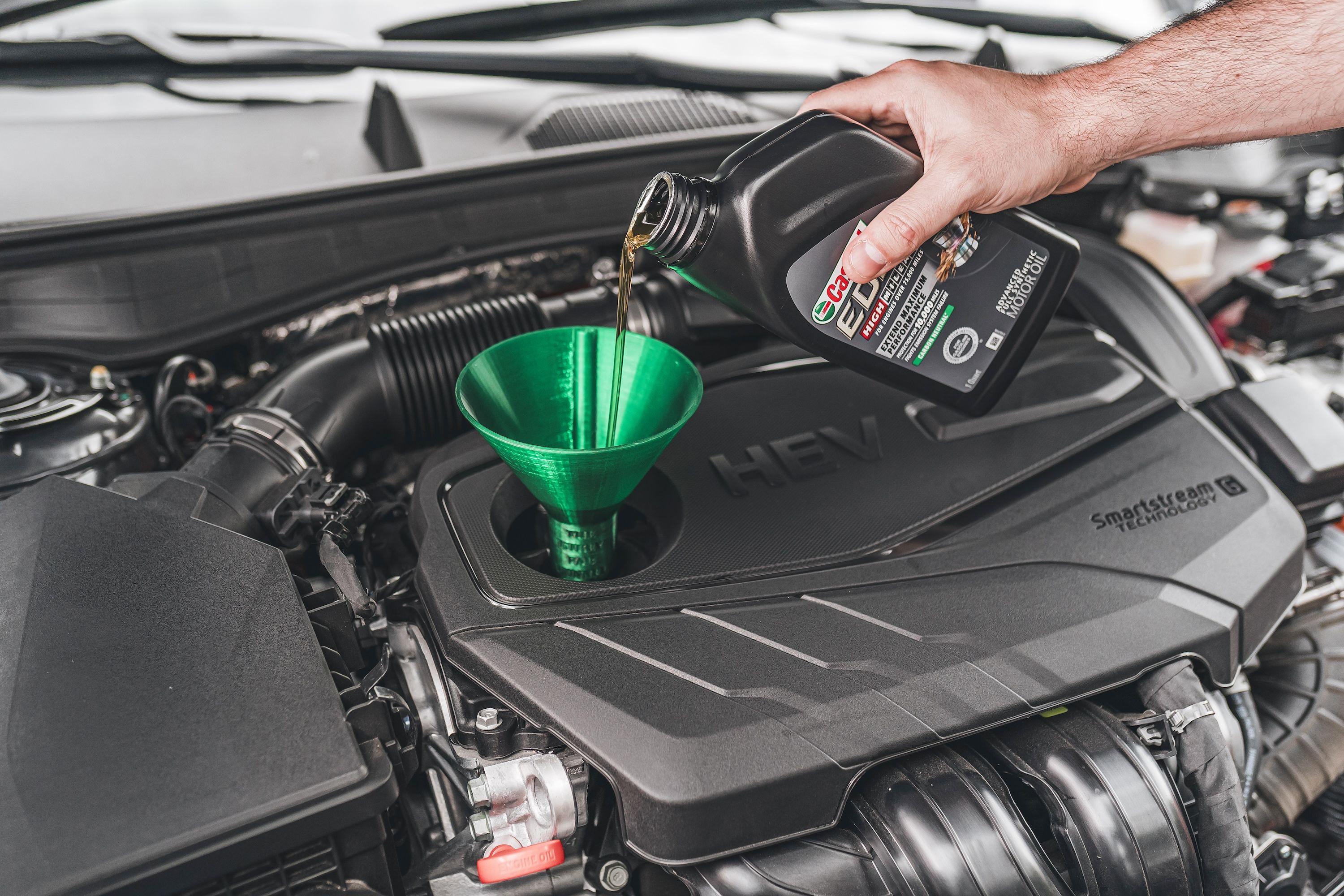
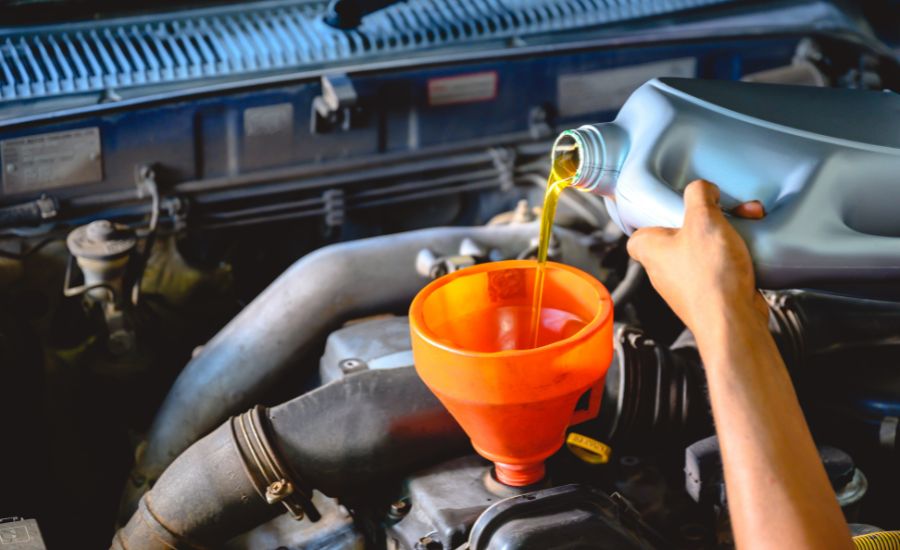
Remove the oil filler cap on top of the engine. Use a funnel to pour the new oil slowly. Check the vehicle manual for the correct oil type and quantity.
Check Oil Level And Clean Up
Insert the dipstick, pull it out, and check the oil level. Add more oil if needed. Wipe up any spills and dispose of old oil properly at a recycling center.
Tips For Maintaining Engine Health
Maintaining engine health is key to keeping your car running smoothly. Good care helps avoid costly repairs and extends engine life. Simple habits can make a big difference. Here are some easy tips to help you maintain your engine well.
Regular Oil Changes
Changing engine oil regularly keeps parts lubricated and cool. Fresh oil removes dirt and prevents wear. Follow the manufacturer’s schedule for oil changes to keep your engine safe.
Always Change The Oil Filter
The oil filter traps dirt and metal bits. Using a clean filter each time stops grime from damaging the engine. Skipping filter changes lowers oil quality and harms engine parts.
Check Fluid Levels Often
Check engine oil, coolant, and other fluids regularly. Low fluid levels cause overheating and damage. Top up fluids as needed to keep the engine running well.
Use Quality Oil And Parts
Choose the right oil type for your engine. Use filters and parts that meet standards. Good quality products protect your engine better and last longer.
Watch Engine Temperature
Keep an eye on the temperature gauge while driving. Overheating can cause serious engine damage. Stop and cool down the engine if it runs hot.

Credit: sboilchange.com
Frequently Asked Questions
Can I Change Oil Without Replacing The Oil Filter?
Yes, you can change the oil without changing the filter. But it is not recommended because the old filter holds dirt and debris. Changing both keeps the engine cleaner.
What Happens If I Don’t Change The Oil Filter?
The old filter can clog and reduce oil flow. This causes engine wear and may lead to damage. Changing the filter helps the oil clean the engine well.
How Often Should I Replace The Oil Filter?
Oil filters should be replaced every time you change the oil. Usually, this is every 3,000 to 7,500 miles. Check your vehicle’s manual for the exact interval.
Can Skipping The Oil Filter Change Harm My Engine?
Yes, skipping the filter change can harm your engine. Dirty oil clogs the filter and causes poor lubrication. This can reduce engine life and performance.
Conclusion
Changing your oil without replacing the oil filter can cause problems. The old filter holds dirt and debris that can harm your engine. Clean oil alone does not protect your car well. Changing both helps your engine run smooth and last longer.
Save money and avoid damage by changing the filter each time. It takes little extra effort but makes a big difference. Keep your vehicle healthy with regular oil and filter changes. Simple steps keep your car running strong.