Can You Change a Car from Manual to Automatic Transmission? Expert Guide
Have you ever wondered if you can change your car from a manual to an automatic transmission? Maybe you’re tired of constantly shifting gears or dealing with traffic jams.
Switching could make driving easier and more enjoyable. But is it really possible? And what does the process involve? You’ll discover the truth about converting your car’s transmission. Keep reading to learn what it takes, how much it costs, and whether it’s the right choice for you.
Your next drive might just get a whole lot smoother.
Credit: www.seattletransmissionshop.com
Manual Vs Automatic Transmission
Choosing between manual and automatic transmission affects your driving experience. Each type offers unique features and challenges. Understanding these differences helps in deciding whether to switch from one to the other.
Key Differences
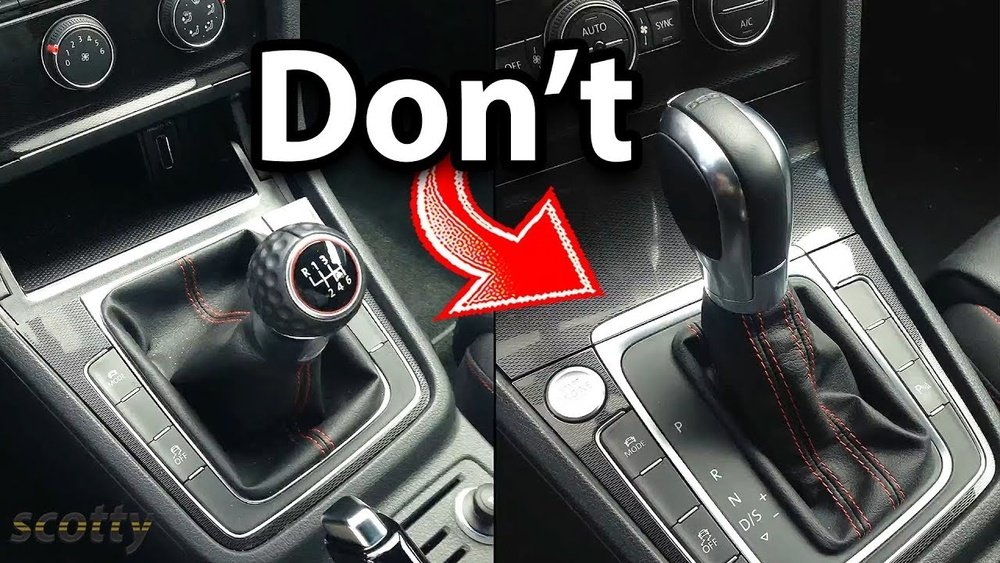
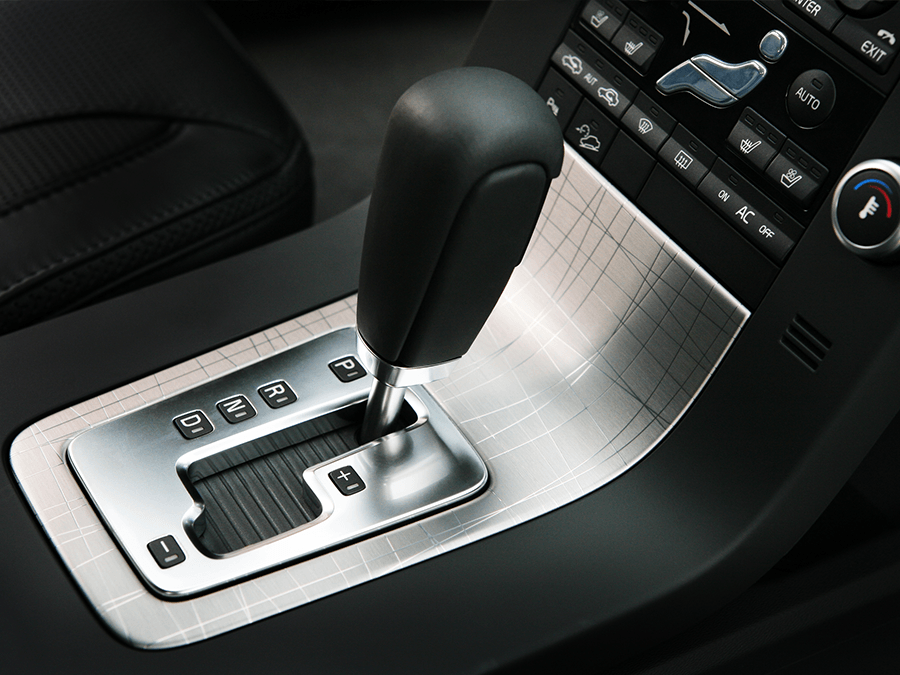
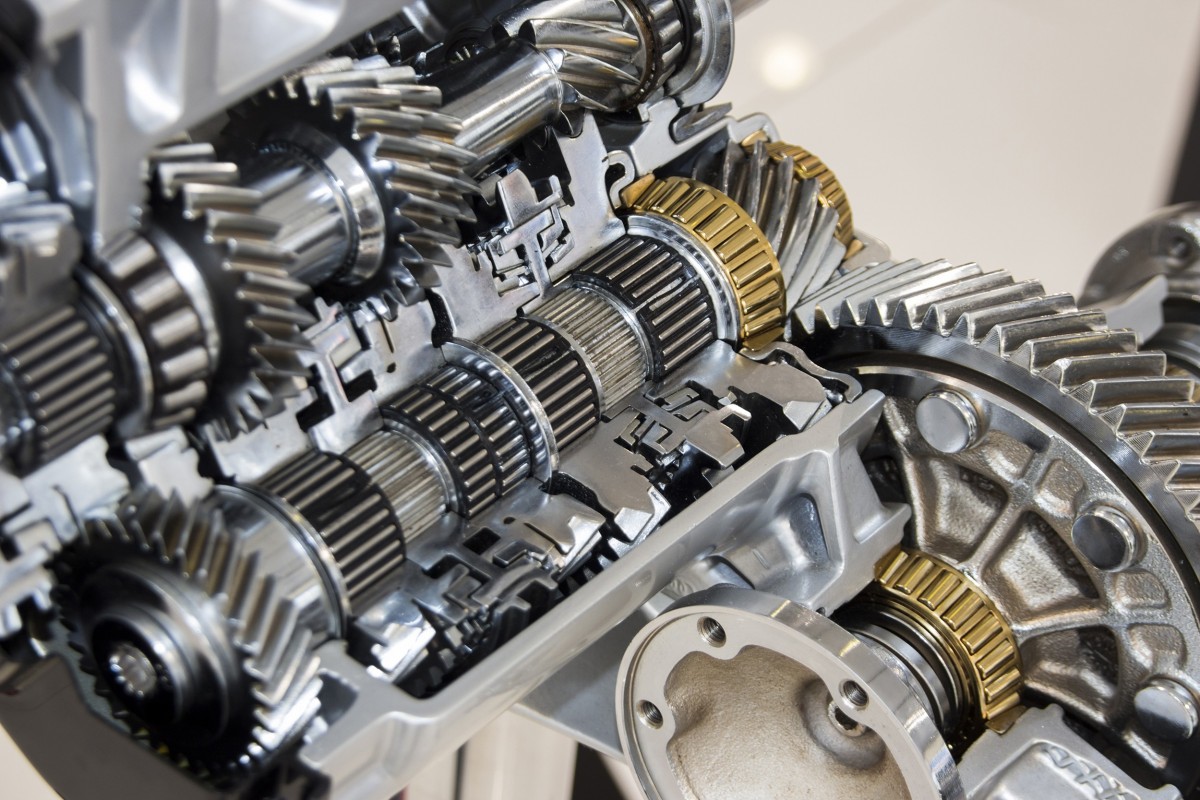
Manual transmission requires the driver to shift gears using a clutch pedal. This gives more control over the car’s power and speed. Automatic transmission changes gears on its own without driver input. It uses sensors and hydraulics to decide the right gear.
Manual systems have a clutch pedal and gear stick. Automatic systems use a brake and gas pedal only. Manual cars need more driver attention. Automatic cars allow easier driving, especially in traffic.
Pros And Cons
Manual transmissions often cost less to buy and repair. They can provide better fuel efficiency. Drivers may enjoy a more connected feel with the car. On the downside, manuals can be hard to learn and tiring in heavy traffic.
Automatic transmissions are easier to use and reduce driver fatigue. They are good for stop-and-go traffic. Automatics may cost more upfront and have higher repair costs. They sometimes use more fuel than manuals.
Common Uses
Manual transmissions are popular in sports cars and some trucks. Drivers use them when control and performance matter most. They are common in regions where fuel costs are high.
Automatic transmissions dominate in city cars and family vehicles. They suit drivers who want convenience and less stress. Most rental cars and new vehicles come with automatic transmissions.
Credit: davenwayneautocenter.com
Feasibility Of Conversion
Changing a car from manual to automatic transmission is a complex task. It requires careful thought about many factors. The feasibility depends on technical, compatibility, and cost issues. Understanding these points helps decide if conversion is possible or practical.
Technical Challenges
Manual to automatic conversion needs a new transmission system. The automatic transmission has many extra parts. These include a torque converter, valve body, and shift solenoids. Installing these parts requires mechanical skill and special tools.
The car’s computer system may need reprogramming. Sensors and wiring harnesses might require changes. These tasks can be difficult and time-consuming. Mistakes can cause poor performance or damage.
Vehicle Compatibility
Not all cars can accept an automatic transmission. Some older or rare models lack available automatic parts. The engine and transmission must fit together properly. Mounts and linkages must match the new system.
Some cars have space or design limits. These limits can block automatic transmission installation. Checking the car’s model and year is essential. Compatibility varies widely between makes and models.
Cost Considerations
Conversion costs are usually high. New transmission parts, labor, and programming add up quickly. The total cost may exceed buying a similar automatic car.
Unexpected expenses can appear during the process. Finding used automatic transmissions might reduce cost but brings risks. Budgeting carefully before starting saves money and stress.
Steps For Conversion
Changing a car from manual to automatic transmission takes several clear steps. Each step needs careful attention to ensure the car works well. This guide breaks down the process into simple parts.
Understanding what parts and tools you need is the first step. Next, you follow a detailed installation process. Finally, deciding between professional help or doing it yourself is important.
Required Parts And Tools
You need an automatic transmission unit that fits your car model. A compatible torque converter is also necessary. The transmission control module must be included for proper shifting.
Other parts like new driveshafts, shift cables, and pedals may be required. Tools include a jack, wrenches, screwdrivers, and a transmission jack. A wiring harness adapter helps connect electronics correctly.
Installation Process
Start by removing the manual transmission and clutch system. Disconnect the driveshaft and any linkages carefully. Next, install the automatic transmission in place of the manual one.
Attach the torque converter and connect the transmission control module. Replace or adjust the driveshaft and link the new shift cables. Rewire the electrical system to work with the new transmission.
Check fluid levels, then test the car for smooth gear changes. This step ensures everything works as it should before driving regularly.
Professional Vs Diy
Professionals have experience and tools for a smooth conversion. They can avoid common mistakes and save time. The cost is higher but may prevent future problems.
DIY saves money but requires mechanical skills and patience. Mistakes can damage the car or cause safety issues. Follow instructions carefully and ask for help if unsure.

Credit: www.youtube.com
Alternative Options
Changing a car from manual to automatic transmission can be difficult and costly. Many people explore other ways to enjoy driving an automatic without a full conversion. These alternative options offer simpler and often more affordable solutions. They help drivers find the right fit for their needs and budget.
Buying A New Automatic Car
One of the easiest options is buying a new automatic car. New cars come with modern automatic transmissions. They offer better fuel efficiency and smoother driving. This option avoids the hassle of converting an old vehicle. It also provides a warranty and the latest safety features. Many used cars with automatic transmissions are affordable too.
Using Transmission Adapters
Transmission adapters can help switch between manual and automatic functions. They are small devices that work with the existing transmission. These adapters do not replace the entire system. Instead, they make driving easier by automating some gear changes. This option is less costly than a full swap. It is a practical choice for certain car models and drivers.
Hybrid And Electric Vehicles
Hybrid and electric vehicles often have automatic-like transmissions. They do not use traditional manual or automatic gearboxes. Instead, they use electric motors for smooth and simple driving. These cars require less maintenance and offer quiet rides. Choosing a hybrid or electric vehicle can be a good alternative. It provides a modern driving experience without manual shifting.
Frequently Asked Questions
Can You Convert A Manual Car To Automatic Transmission?
Yes, it is possible but complex. It requires changing the gearbox, clutch, and other parts.
How Much Does Manual To Automatic Conversion Cost?
Costs vary widely, from $2,000 to $5,000 or more. It depends on the car and labor.
Is It Worth Changing A Manual Car To Automatic?
Usually not worth it. The cost and effort often outweigh the benefits for most drivers.
How Long Does The Conversion From Manual To Automatic Take?
Conversion can take several days. It depends on the mechanic’s experience and car model.
Will Car Insurance Increase After Switching To Automatic?
Insurance may increase slightly. Some companies charge more for automatic cars due to repair costs.
Conclusion
Changing a car from manual to automatic is possible but not simple. It requires time, money, and skill. Many parts need to be replaced or adjusted. Think about how much you will drive and what suits you best. Sometimes, buying a car with automatic transmission is easier.
Weigh the pros and cons before deciding. This choice depends on your needs and budget. Take your time and choose wisely for a better driving experience.