Do I Need to Replace Ignition Coils With Spark Plugs: Essential Guide
Are you wondering if you need to replace your ignition coils when you change your spark plugs? It’s a common question that can save you time, money, and a lot of hassle.
Understanding the connection between these two parts can help you keep your car running smoothly and avoid unexpected breakdowns. You’ll discover when it’s smart to replace ignition coils along with spark plugs—and when it’s better to hold off. Keep reading to make sure you’re making the right choice for your vehicle and your wallet.
Role Of Ignition Coils
Ignition coils play a vital role in your vehicle’s engine. They create the high voltage needed to spark the spark plugs. This spark ignites the fuel-air mixture inside the engine cylinders. Without ignition coils, the engine cannot start or run smoothly.
Each ignition coil transforms the 12-volt power from the battery. It boosts this low voltage to thousands of volts. This high voltage jumps the gap at the spark plug, causing a spark. This process happens many times per second while the engine runs.
How Ignition Coils Work
Ignition coils work like small transformers. They have two wire coils inside: primary and secondary. The primary coil uses low voltage from the battery. The secondary coil produces high voltage for the spark plugs. When the ignition system sends current, the coil generates a spark.
Importance Of Ignition Coils In Engine Performance
Ignition coils affect engine power and fuel efficiency. Bad coils cause weak or no spark. This leads to misfires, rough idling, and poor acceleration. Strong ignition coils improve combustion and reduce emissions. Well-functioning coils help your engine run cleaner and smoother.
Signs Of A Failing Ignition Coil
Engine misfires are a common sign of coil failure. You may feel the car shake or hesitate. The check engine light often turns on. Poor fuel economy and hard starts also indicate coil issues. Timely coil replacement helps avoid bigger engine problems.

Credit: www.youtube.com
Function Of Spark Plugs
Spark plugs play a key role in your car’s engine. They create the spark needed to ignite the fuel-air mix inside the engine’s cylinders. Without this spark, the engine cannot start or run smoothly.
Each spark plug works by sending a small electrical charge across a gap. This charge ignites the fuel-air mixture, causing a controlled explosion. This explosion powers the piston, which moves the engine’s parts.
What Spark Plugs Do In The Engine
Spark plugs ignite the fuel mixture in the combustion chamber. This ignition starts the engine’s power cycle. They also help maintain engine efficiency by ensuring full combustion.
How Spark Plugs Affect Engine Performance
Good spark plugs create strong, consistent sparks. This leads to better fuel burning and engine power. Worn spark plugs cause misfires, rough idling, and poor fuel economy.
Why Spark Plugs Need Replacement
Spark plugs wear out over time from heat and use. Old plugs can cause weak sparks and engine problems. Replacing them keeps the engine running smoothly and saves fuel.
Signs Of Ignition Coil Failure
Ignition coils are key parts of your car’s engine. They help start the engine by sending power to the spark plugs. When ignition coils fail, the engine can struggle or stop working. Knowing the signs of ignition coil failure can save time and money on repairs.
Spotting these signs early helps keep your car running smoothly. It also prevents damage to other engine parts.
Engine Misfires And Rough Idling
One sign of a bad ignition coil is engine misfires. The engine may run unevenly or shake while idling. You might hear coughing or sputtering sounds. This happens because the spark plugs don’t get enough power.
Reduced Fuel Efficiency
Failed ignition coils cause poor fuel burning. Your car will use more fuel than normal. You may notice you visit the gas station more often. This is a clear sign to check the ignition system.
Difficulty Starting The Engine
When coils fail, the engine may take longer to start. It might need several tries before the engine fires up. Sometimes, it won’t start at all. This shows the ignition coil is not sending power properly.
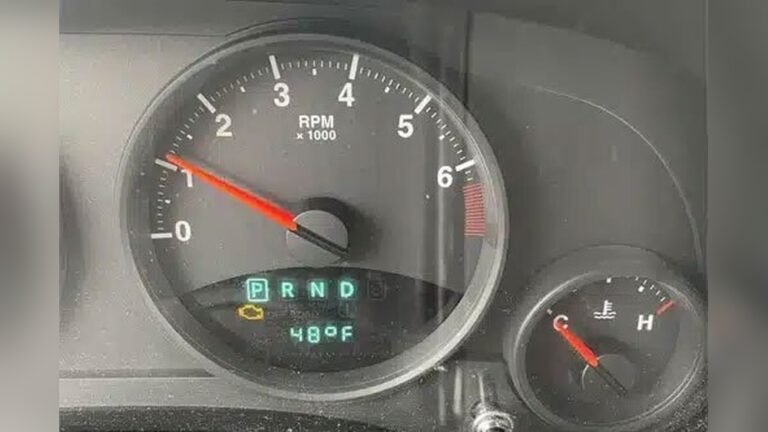
Check Engine Light Comes On
The check engine light may glow on your dashboard. This warning signals a problem with the ignition system. A diagnostic tool can confirm if the ignition coil is faulty.
Loss Of Power And Poor Acceleration
A bad ignition coil can cause your car to lose power. The engine might hesitate when you press the gas pedal. Acceleration becomes slow and weak. This makes driving unsafe and uncomfortable.
When To Replace Spark Plugs
Knowing when to replace spark plugs is key to keeping your engine running well. Spark plugs wear out over time and cause poor engine performance. Replacing them on time helps avoid bigger car problems.
Spark plugs ignite the fuel in the engine. Worn plugs can cause misfires, rough idling, and hard starts. Watch for signs that show spark plugs need changing.
Signs Of Worn Spark Plugs
Engine misfires or runs roughly. You hear unusual noises or feel vibrations. Fuel efficiency drops noticeably. Car has trouble starting or won’t start at all. These signs mean spark plugs may be failing.
Recommended Replacement Intervals
Check your vehicle’s manual for exact intervals. Most spark plugs last between 30,000 to 100,000 miles. Older cars usually need spark plug changes more often. Newer cars may have long-life spark plugs.
Effects Of Delayed Replacement
Delaying spark plug replacement leads to poor engine power. It increases fuel consumption and emissions. It can cause damage to ignition coils. Changing spark plugs on time saves money and avoids repairs.
Replacing Ignition Coils And Spark Plugs Together
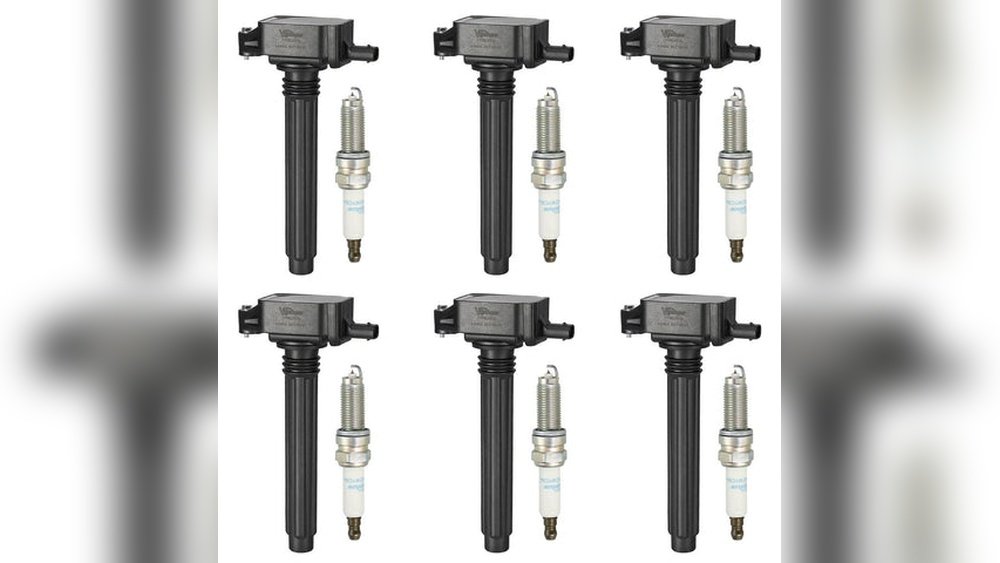
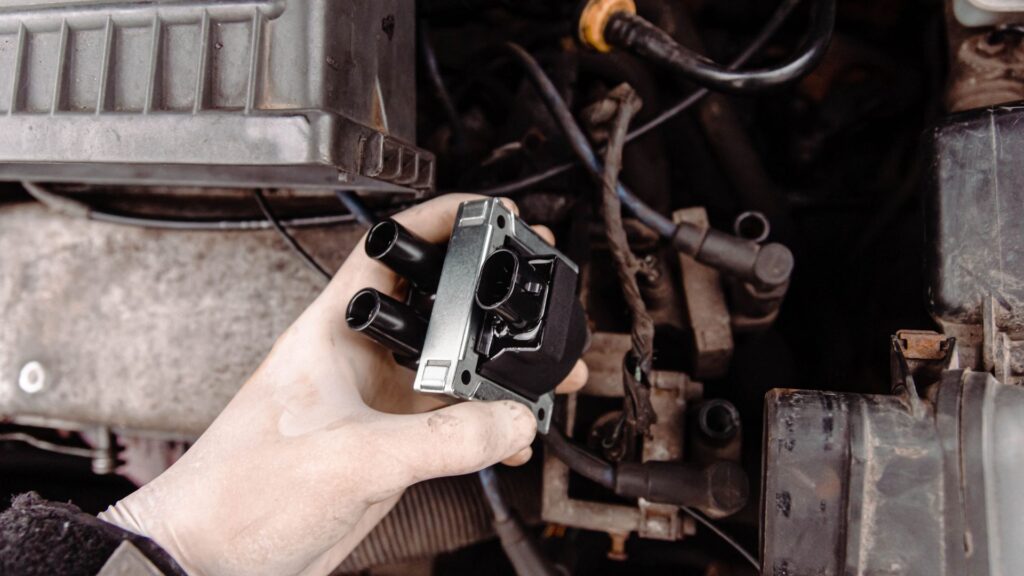
Replacing ignition coils and spark plugs together can save time and money. Both parts work closely to keep your engine running well. Changing them at the same time helps avoid future problems.
Old spark plugs can stress ignition coils. Worn coils may cause misfires and poor fuel use. Replacing both parts gives your engine a fresh start.
Improved Engine Performance
New ignition coils and spark plugs boost engine power. Your car starts easier and runs smoothly. Fuel burns more efficiently, cutting down waste.
Reduced Maintenance Costs
Changing both parts together cuts labor costs. Mechanics spend less time working on your car. This saves money on repairs and downtime.
Longer Part Lifespan
Fresh spark plugs reduce the load on ignition coils. This helps coils last longer. Replacing parts together extends the life of your ignition system.
Preventing Future Failures
Old parts cause chain reactions of damage. Replacing both stops problems before they start. It lowers the risk of breakdowns on the road.
Credit: www.grewalsautomotive.com
Cost And Maintenance Tips
Understanding the cost and maintenance of ignition coils and spark plugs helps save money. Both parts play key roles in your car’s engine. Knowing when to replace them prevents bigger problems and expensive repairs.
Costs vary by car model and part quality. Regular maintenance keeps your engine running smoothly. Simple checks and timely replacements protect your vehicle.
Cost Of Replacing Ignition Coils
Ignition coils usually cost more than spark plugs. Prices range from $50 to $150 each. Labor costs add to the total price. Replacing all coils can be expensive but improves engine performance.
Cost Of Replacing Spark Plugs
Spark plugs are cheaper, usually $10 to $30 each. The replacement process is faster, lowering labor fees. Changing spark plugs regularly boosts fuel efficiency and engine power.
Maintenance Tips For Ignition Coils And Spark Plugs
Check ignition coils for cracks or corrosion. Clean connections to avoid misfires. Inspect spark plugs for wear or buildup. Replace spark plugs every 30,000 to 50,000 miles.
Follow your car’s manual for exact maintenance schedules. Keep parts dry and free from dirt. Use quality parts to ensure long-lasting performance. Regular checks reduce breakdown risks and save money over time.

Credit: www.youtube.com
Frequently Asked Questions
Do Ignition Coils Need Replacing With Spark Plugs?
Ignition coils and spark plugs work together but wear out differently. Replace spark plugs as scheduled; inspect coils for damage or failure. Changing coils only when faulty saves money.
Can Bad Ignition Coils Cause Spark Plug Issues?
Yes, bad ignition coils can cause weak or no spark at spark plugs. This leads to engine misfires and poor performance. Check coils if spark plugs fail repeatedly.
How Often Should I Change Ignition Coils And Spark Plugs?
Spark plugs usually need replacement every 30,000 to 100,000 miles. Ignition coils last longer but should be checked regularly. Replace coils if you notice engine problems.
Will New Spark Plugs Fix Ignition Coil Problems?
New spark plugs improve ignition but won’t fix faulty ignition coils. Ignition coils provide the spark; plugs deliver it to the engine. Both parts must work well for smooth running.
What Signs Show Ignition Coils And Spark Plugs Need Replacing?
Look for rough idling, engine misfires, poor fuel economy, or trouble starting. These signs suggest worn spark plugs or failing ignition coils. Timely replacement prevents bigger engine problems.
Conclusion
Replacing ignition coils does not always mean changing spark plugs. Both parts wear out differently and need separate checks. Ignition coils send power to spark plugs to start your engine. If your spark plugs look fine, no need to replace them yet.
But if your engine misfires or struggles, it’s smart to inspect both. Regular maintenance helps your car run smooth and saves money later. Remember, careful checks keep your vehicle healthy and reliable on the road. Simple steps make a big difference.