Do You Check Your Transmission Fluid Hot or Cold 2026 Guide
For most vehicles, you must check your transmission fluid while the engine is running and fully warmed up with the transmission in Park or Neutral. However, checking it cold or using the incorrect procedure will give you an inaccurate reading. Always consult your owner’s manual for specific manufacturer guidelines.
For almost all modern vehicles on the road in 2026, you must check your transmission fluid when the engine is hot and running. Checking a cold transmission will almost always give you a falsely low reading, leading you to overfill the system and potentially blow out your seals.
However, automotive rules always have exceptions. Certain manufacturers, most notably Honda and Acura, require you to check the fluid with the engine turned off immediately after reaching operating temperature. Knowing your specific manufacturer’s procedure prevents costly maintenance mistakes and keeps your transmission shifting smoothly.
Key Takeaways
- Most automatic transmissions require checking while the engine is hot and running.
- Fluid expands as it heats up, making temperature critical for accuracy.
- Always park on a flat, level surface before pulling the dipstick.
- Some manufacturers, like Honda and Acura, require checking while the engine is off.
- Healthy transmission fluid should be bright red or pink and smell sweet.
Why Temperature Matters When You Check Your Transmission Fluid
Automatic transmission fluid expands significantly as it absorbs heat from normal operation. Unlike engine oil, which stays relatively stable in volume, transmission fluid changes density and size based on thermal conditions.
The Physics of Fluid Expansion
When you start your car on a cold morning in 2026, the fluid sits entirely in the pan at the bottom of the transmission. As you drive, the torque converter, gears, and hydraulic pumps circulate this fluid throughout the entire system.
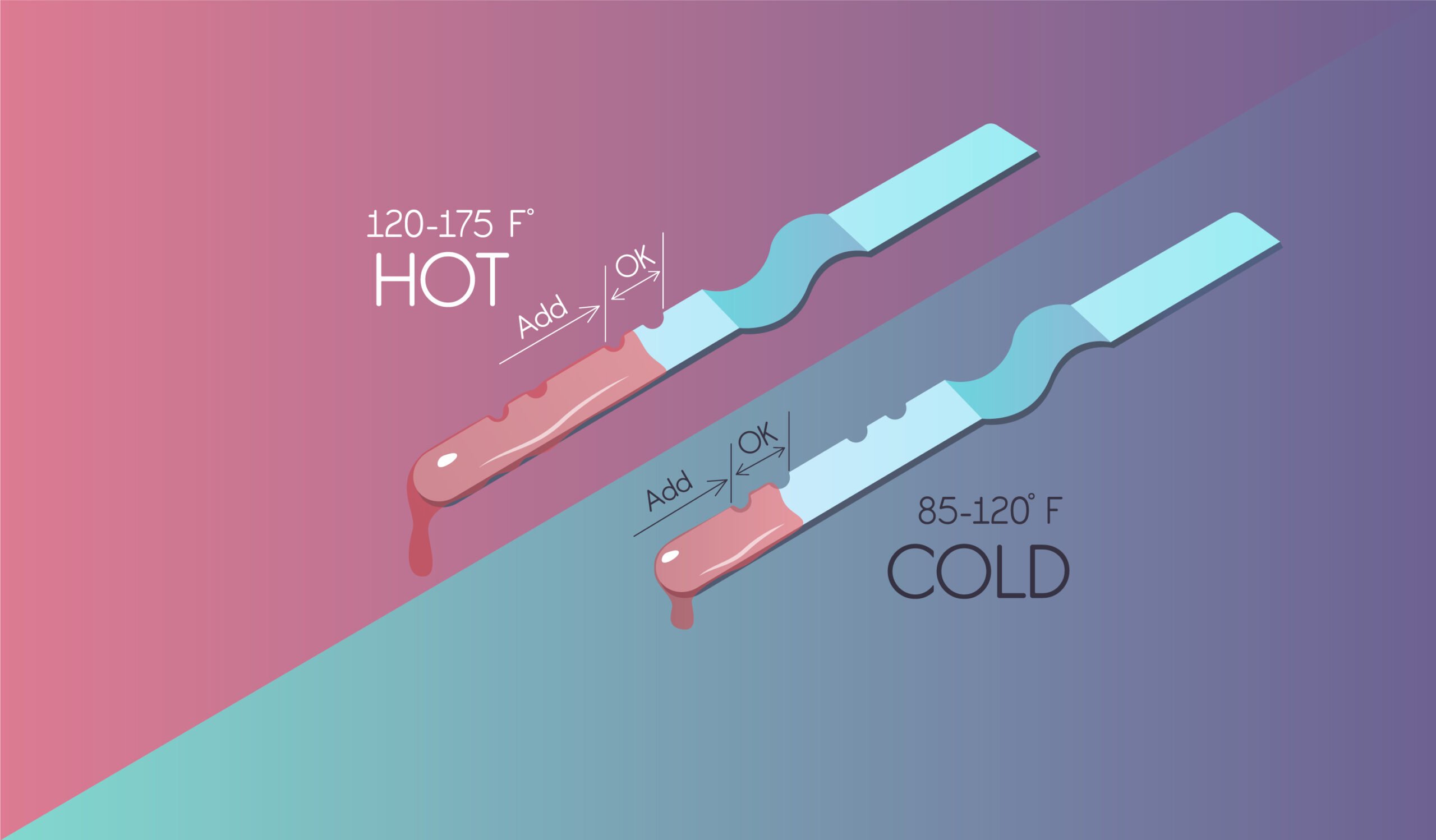
- Cold fluid occupies a much smaller physical volume in the transmission pan.
- Hot fluid expands by as much as 10 to 15 percent once it reaches normal operating temperatures around 175 to 200 degrees Fahrenheit.
- Dipsticks are explicitly marked with Hot and Cold zones to account for this massive thermal expansion rate.
Manufacturer Exceptions to the Rule
You cannot blindly trust a universal rule for every single car brand. While Ford, Chevrolet, Toyota, and RAM rely on the hot-and-running method, exceptions exist.
- Honda and Acura: Many older and current models require you to warm up the car, park on a level surface, turn the engine off, and check the dipstick within 60 to 90 seconds.
- Sealed Transmissions: Many modern vehicles feature completely sealed transmissions with no traditional dipstick at all, requiring a specialized pump and temperature-monitoring scan tool to check via an overflow plug underneath.
Master Checking Your Transmission Fluid in 7 Simple Steps
Wondering whether you should check your transmission fluid hot or cold? Getting this right is crucial for the health and longevity of your vehicle’s transmission. While engine oil is traditionally checked when cold, automatic transmission fluid operates under a different set of rules that almost always require operating temperature for an accurate reading. This comprehensive walkthrough will teach you the exact science and procedure behind checking your transmission fluid correctly, preventing both under-filling and over-filling mistakes that can lead to catastrophic transmission failure.
Step 1: Consult Your Vehicle Owner’s Manual
What you need: Your vehicle’s physical owner’s manual or digital access to manufacturer specifications.
Instructions: Before touching any components under the hood, open your owner’s manual and navigate to the maintenance section covering transmission fluid checks. While roughly 90 percent of modern automatic transmissions require the fluid to be checked while the engine is running, fully warmed up, and parked on a level surface, certain manufacturers like BMW, Volkswagen, and some modern trucks utilize sealed transmissions or require specific ambient and fluid temperatures monitored via an OBD-II scanner. Never skip this preliminary step, as making assumptions based on a different make or model can result in severely inaccurate dipstick readings and potential mechanical damage.
Pro Tip: Pay close attention to whether your car requires the transmission to be in Park (P) or Neutral (N) during the check, as manufacturers vary on this exact requirement.
Step 2: Prepare the Vehicle and Warm Up the Engine
What you need: Your vehicle, a clear road for driving, and about 10 to 15 minutes of spare time.
Instructions: To answer the core question definitively: yes, you generally check transmission fluid hot. Start your car and let it idle for a few minutes, then take it for a brief 5-to-10-minute drive. City driving with frequent stopping and starting is ideal because it engages all the gears and circulates the transmission fluid through the torque converter and cooler lines, bringing it up to its normal operating temperature (typically between 150°F and 170°F). Park the vehicle on a completely flat, level surface—such as a garage floor or level asphalt—because even a slight incline will alter the fluid level against the dipstick and give you a false reading.
Pro Tip: Do not just let the car idle in the driveway to warm it up; driving the vehicle puts a load on the transmission, which is necessary to heat the fluid properly.
Step 3: Secure the Vehicle and Locate the Dipstick
What you need: Parking brake, lint-free shop rags, and a flashlight.
Instructions: Once you return from your drive, keep the engine running unless your specific manual states otherwise. Engage the firm emergency or parking brake to prevent any rolling movement. Shift the gear selector slowly through all the gears (from Park to Reverse, Neutral, Drive, and back down), pausing for three seconds at each gear before returning the shifter firmly to Park (or Neutral, per your manual). Pop the hood and secure it with the prop rod. Locate the transmission fluid dipstick. On rear-wheel-drive vehicles, it is typically located near the back of the engine bay on the passenger side. On front-wheel-drive vehicles, it is usually lower down, closer to the transaxle, and often features a brightly colored yellow or red loop handle.
Pro Tip: Do not confuse the transmission dipstick with the engine oil dipstick. Engine oil is usually marked with an oil can symbol, while transmission dipsticks often feature a gear symbol or a transmission label.
Step 4: Clean the Area and Pull the Dipstick
What you need: Clean, lint-free shop towels or microfiber rags.
Instructions: Before pulling the dipstick completely out of its filler tube, use your shop rag to thoroughly wipe away any dirt, dust, or debris accumulated around the base of the dipstick tube. This prevents abrasive particles from falling directly into your sensitive transmission system when the stick is removed. Pull the dipstick entirely out of the tube. Take a clean rag and wipe the metal blade or wire completely clean from tip to handle. This initial wipe removes any fluid splashed up during driving or gear shifting, ensuring your reading represents the true reservoir level rather than residual splash.
Pro Tip: Never use standard paper towels if you can avoid them, as they can leave tiny paper fibers behind in the transmission tube, which can clog microscopic valve body passages.
Step 5: Insert and Take the Initial Reading
What you need: The wiped transmission dipstick and a good light source.
Instructions: Take the clean dipstick and push it smoothly and firmly all the way back down into the transmission filler tube until it is fully seated. Pause for a single second, then pull it straight back out without twisting. Hold the dipstick horizontally at eye level and examine the metal end. You will typically see two sets of markings stamped onto the metal: one set for “Cold” and one set for “Hot.” Because you drove the vehicle to warm up the fluid, look exclusively at the “Hot” operating range markers (which may be designated by crosshatching, dots, or “MAX” and “MIN” lines).
Pro Tip: If the fluid film is wispy, uneven, or hard to read, repeat the wipe-and-insert process a second time to verify your initial observation.
Step 6: Evaluate Fluid Condition and Color
What you need: A clean white shop rag or piece of white paper towel.
Instructions: While observing the fluid level on the dipstick, press the fluid end firmly against your white shop rag or paper towel to inspect its visual condition. Healthy automatic transmission fluid is bright cherry-red or translucent pink with a distinct, slightly sweet or petroleum-like odor. If the fluid appears dark brown or black, or if it emits a sharp, pungent, burnt smell, your transmission fluid is degraded and needs to be changed immediately. Additionally, if the fluid looks milky or strawberry-milkshake-colored, it indicates that engine coolant has leaked into the transmission, which requires immediate mechanical repair.
Pro Tip: Small amounts of particulate matter or metallic glitter on the rag indicate internal component wear; if you see metal flakes, schedule a professional transmission inspection right away.
Step 7: Add Fluid If Necessary and Secure Components
What you need: A clean long-neck transmission funnel and the correct specification of transmission fluid.
Instructions: If your hot fluid level falls below the bottom threshold of the “Hot” indicator range, you need to add fluid. Insert your clean funnel directly into the transmission dipstick tube. Pour in the transmission fluid in very small increments—no more than a quarter-quart at a time. Overfilling a transmission is just as dangerous as underfilling it, causing aeration, foaming, shifting erraticism, and blown seals. Recheck the level using Steps 4 and 5 after every small addition until the fluid rests comfortably right at the full hot mark. Finally, push the dipstick home securely until the locking latch clicks, and close your hood.
Pro Tip: Always use the exact fluid type specified in your manual (e.g., DEXRON-VI, MERCON LV, ATF+4); mixing incompatible fluid formulations can destroy transmission clutches.
✅ Final Checklist
- Vehicle was driven for 10+ minutes to reach proper operating temperature.
- Vehicle was parked on a completely flat, level surface with the parking brake engaged.
- Engine remained running (or was shut off, per specific manual instructions) while checking.
- Dipstick area was cleaned before removal to prevent dirt contamination.
- Fluid level falls precisely within the designated “Hot” operating zone.
- Fluid color is bright red/pink with no burnt smell or metallic debris.
Important Notes:
- Always wear safety glasses and gloves, as engine components and transmission fluid will be hot to the touch. Avoid loose clothing around moving belts.
- Seek professional mechanic assistance immediately if you notice milky fluid, metal shavings, or persistent slipping gears despite a correct fluid level.
- Estimated time for this maintenance check is 15 to 20 minutes, with a cost range of $0 (if no fluid is needed) to $15 for a quart of specialized transmission fluid if a top-off is required.
What Causes Inaccurate Fluid Readings and Common Mistakes
Getting a false reading on your transmission dipstick is surprisingly easy if you skip crucial preparation steps. Even experienced DIY mechanics make mistakes that lead to unnecessary fluid purchases or missed maintenance warnings.
Failing to Cycle Through the Gears
If you pull a hot transmission dipstick immediately after arriving home without prepping the vehicle first, your reading will be useless.
- You must park the vehicle on a completely flat, level surface.
- With your foot firmly on the brake, slowly shift through every gear (P to R to N to D and back again), pausing for three seconds at each selection.
- This forces fluid into all the valve bodies and passages so you can measure the true operating level.
- Always keep the engine running in Park or Neutral (check your owner’s manual for the exact requirement) while you pull the dipstick.
Misreading the Dipstick Indicators
Staring at a crosshatched metal stick covered in translucent red fluid can lead to misinterpretation. Transmission fluid is thin and coats the entire metal surface easily.
- Wipe the dipstick completely clean with a lint-free shop rag before taking your official measurement.
- Look at both sides of the stick; if one side scraped against the fill tube on the way out, rely on the lower, cleaner reading.
- Never confuse dark, oxidized brown fluid with a proper level reading—if it smells burnt, you need a complete fluid flush regardless of what the tick marks show.
Step-by-Step Guide to Checking Transmission Fluid Correctly
Executing this maintenance task correctly prevents inaccurate readings that lead to overfilling or starvation. Follow this standardized procedure derived from automotive service standards.
Preparation and Warming Up
Drive your vehicle for approximately 10 to 15 minutes in normal city or highway traffic. This brings the transmission fluid up to its optimal operating temperature of roughly 170°F to 200°F. Park the vehicle on a completely flat, level surface and engage the emergency parking brake firmly.
The Measurement Procedure
- Keep the engine running at a normal idle speed unless your specific owner manual states otherwise.
- Press the foot brake pedal and shift the gear selector slowly through every single gear position from Park to Low and back to Park, pausing for three seconds at each gate.
- Leave the engine running, pop the hood, and locate the transmission fluid dipstick, which is usually marked with a bright yellow or red handle.
- Pull the dipstick out completely, wipe it entirely clean using a lint-free shop rag or a clean paper towel, and reinsert it all the way back into the tube.
- Pull the dipstick out a second time and check the fluid level against the hot markings, while also inspecting the color and smell of the fluid on the cloth.
What If Your Fluid Level Is Still Wrong or Leaking
If your fluid level remains dangerously low after a top-off or drops again quickly within days, you are likely dealing with an active system leak. Ignoring this issue can lead to catastrophic internal component failure and slipping gears.
Troubleshooting Persistent Issues
- Inspect the driveway or garage floor beneath the vehicle for reddish or brownish puddles, noting the exact location of the drip relative to the engine bay.
- Check the transmission pan bolts, cooler lines, and output shaft seals using a flashlight for signs of fresh, wet fluid accumulation.
- If the fluid smells severely burnt or contains visible metallic flakes, stop driving immediately because the transmission clutches are experiencing extreme internal mechanical wear.
- Take the vehicle to a certified transmission repair facility for a pressure test and lift inspection if external leaks are not visible. Professional diagnostic scans and seal replacements typically range from $150 to $500 depending on the specific location of the leak.
Conclusion
Knowing whether to check your transmission fluid hot or cold ensures accurate diagnostics and protects your vehicle from costly internal damage. Always rely on a warm engine and a leveled surface for traditional dipstick transmissions, or consult manufacturer specifications for sealed units. According to verified research and expert service guidelines from the Automotive Service Association, routine fluid monitoring remains the single most effective way to extend transmission longevity. Make it a priority to check your fluid levels during every other oil change cycle throughout 2026.
❓ Frequently Asked Questions
Why is checking transmission fluid hot so important?
Transmission fluid expands significantly as it reaches operating temperature. Checking it hot ensures the fluid level matches the ‘HOT’ line on the dipstick, preventing overfilling or underfilling.
What happens if I check my transmission fluid while the engine is cold?
If you check fluid while the engine is cold, the level will read lower than it actually is because the fluid has contracted. This can easily lead to overfilling if you add more fluid prematurely.
Which car manufacturers require checking transmission fluid with the engine off?
Honda and Acura are notable exceptions that frequently specify checking transmission fluid immediately after turning off a warmed-up engine, rather than letting it idle.
How long should I drive my car to get the transmission fluid hot?
Driving for about 10 to 15 minutes in normal city and highway traffic is usually sufficient to bring the transmission fluid up to normal operating temperature.
What does burnt-smelling transmission fluid indicate?
If your transmission fluid smells burnt and appears dark brown or black, it indicates severe overheating, worn clutches, or failing internal components that require immediate attention.
Can I overfill my transmission fluid, and what are the symptoms?
Yes, overfilling creates excessive pressure and aeration from the rotating gears, leading to erratic shifting, foaming fluid pushed out of the vent, and potential seal damage.