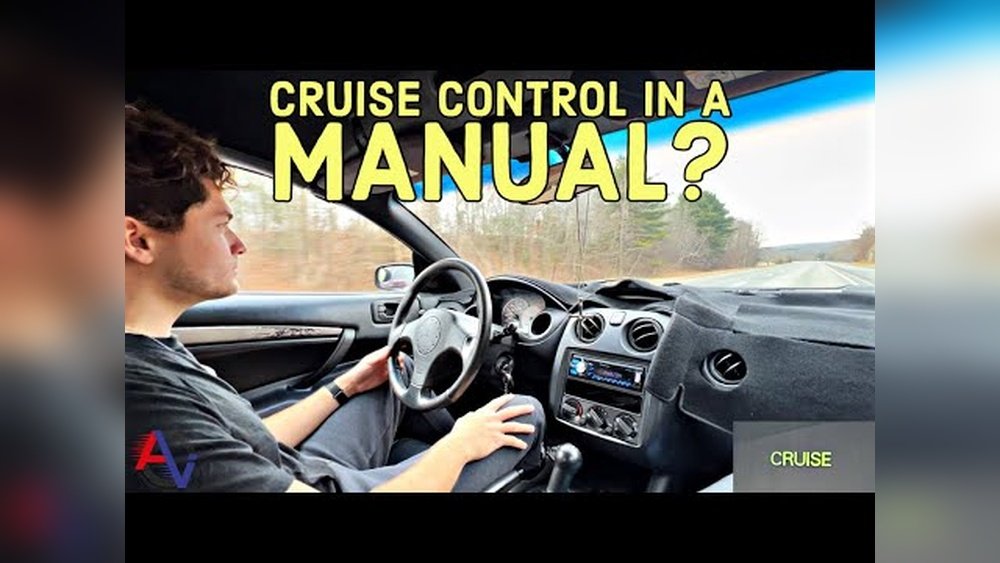
How Does Cruise Control Work on a Manual Transmission: Explained!
Have you ever wondered how cruise control works when you’re driving a car with a manual transmission? It might seem tricky since you’re the one shifting gears and controlling the clutch.
But understanding how cruise control fits into your driving routine can make your trips smoother and less tiring. You’ll discover exactly how cruise control operates in a manual car, what you need to know to use it safely, and some tips to get the most out of it.
Keep reading, because unlocking this knowledge could change the way you drive forever.
Credit: www.jalopnik.com
Basics Of Cruise Control
Cruise control helps keep a vehicle moving at a steady speed without pressing the gas pedal. It makes long drives easier and less tiring. The system takes control of the throttle to maintain speed.
Many cars have cruise control, but its function can differ. In manual transmission cars, it works a bit differently than in automatic ones. Understanding the basics helps to use it safely and correctly.
What Cruise Control Does
Cruise control holds the speed set by the driver. It adjusts the throttle to keep the car moving steady. The driver does not need to press the gas pedal constantly.
How Cruise Control Is Controlled
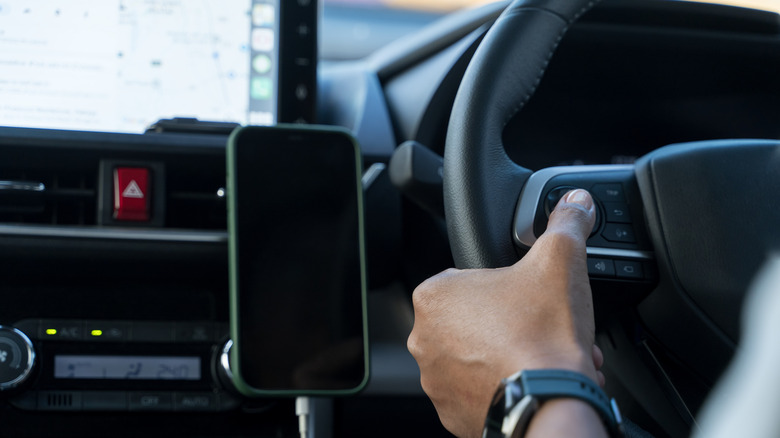
Drivers turn cruise control on with a switch or button. They set the speed by pressing controls on the steering wheel or stalk. The system keeps the speed until the driver brakes or turns it off.
Limitations In Manual Cars
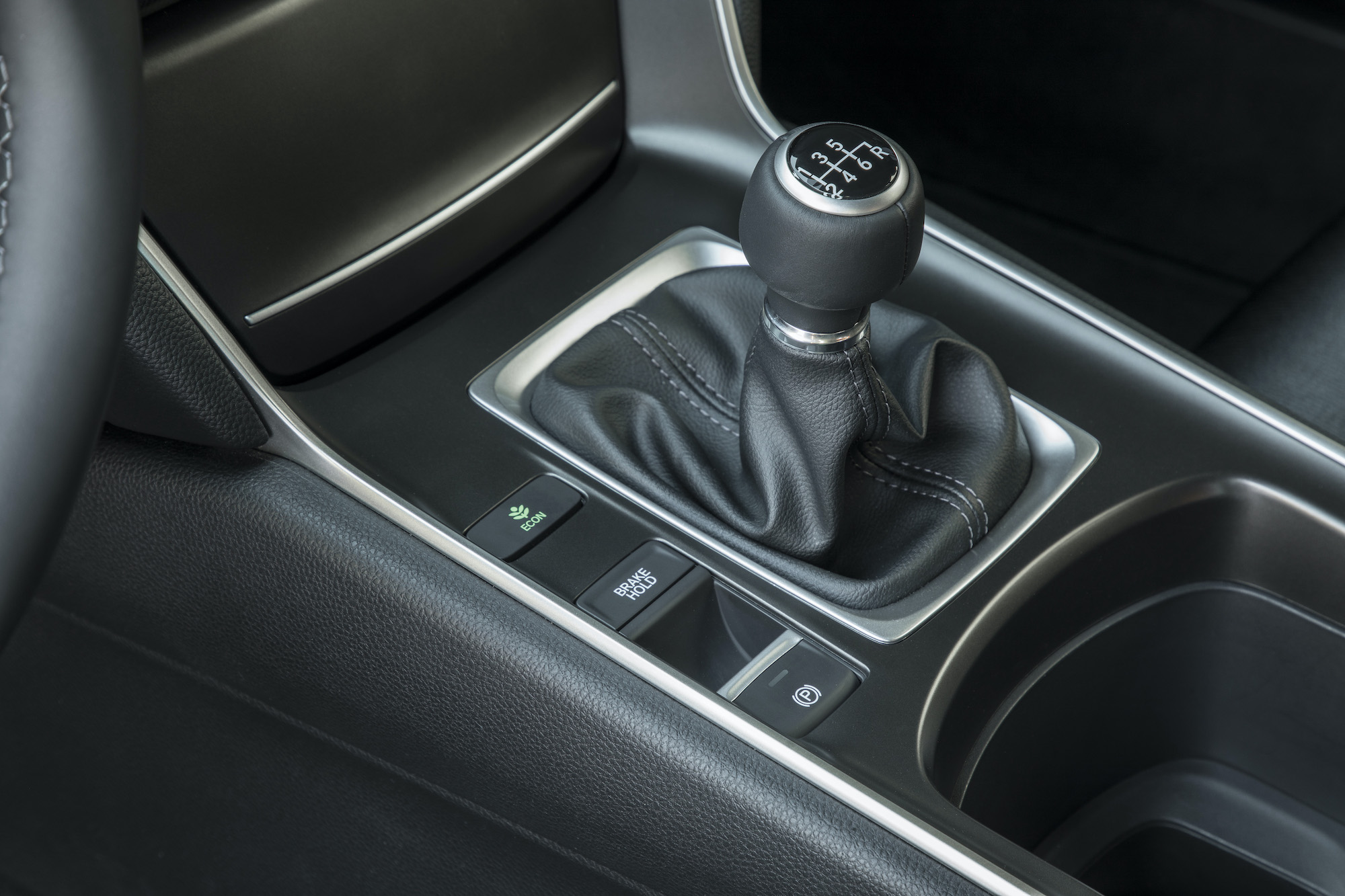
Manual cars need the clutch and gear changes to control speed. Cruise control cannot operate the clutch or shift gears. The driver must still use these controls while cruise control is active.

Credit: www.youtube.com
Challenges With Manual Transmission
Manual transmission cars bring unique challenges for cruise control. Unlike automatic cars, manual vehicles need the driver to change gears. This makes keeping a steady speed harder. Cruise control must work around this fact.
One key issue is the clutch. Drivers must press the clutch to shift gears. Cruise control cannot do this on its own. The system must turn off or pause when the clutch is used. This interrupts the steady speed cruise control tries to keep.
Clutch Engagement Interrupts Cruise ControlThe clutch pedal disconnects the engine from the wheels. Pressing it means no power reaches the wheels. Cruise control cannot maintain speed without power. The system turns off until the clutch is released. This stops cruise control from working smoothly on hills or in traffic.
Gear Shifting Requires Driver InputChanging gears needs careful timing. Drivers must decide when to shift up or down. Cruise control cannot shift gears itself. The driver must always stay alert and control the transmission. This makes cruise control less useful than in automatic cars.
Maintaining Speed on Inclines is DifficultHills cause speed changes in manual cars. Cruise control may struggle to keep a steady pace. Drivers often need to adjust the throttle or shift gears. The system may turn off to avoid engine damage. This reduces the smooth ride cruise control aims to provide.
Types Of Cruise Control Systems
Cruise control systems help maintain a steady speed without constant foot pressure. Different types of cruise control systems exist. Each type works in a unique way. Understanding these can clarify how cruise control functions on manual transmissions.
Traditional Cruise Control
This system keeps the car’s speed steady using the throttle. It adjusts throttle position automatically. The driver sets the desired speed. The system maintains speed by controlling engine power. It does not control the brakes or clutch. The driver must operate the clutch and shift gears manually.
Adaptive Cruise Control
Adaptive cruise control can adjust speed based on traffic. Sensors detect vehicles ahead and slow the car down. It speeds back up when traffic clears. This system mainly works with automatic transmissions. In manual cars, adaptive cruise control may require extra driver input to use clutch and gears.
Aftermarket Cruise Control Kits
These kits allow adding cruise control to manual cars. They often include sensors and actuators. The system controls throttle but leaves clutch control to the driver. Some kits require custom installation. They provide basic cruise control functions at a lower cost.
How Manual Cruise Control Functions
Cruise control in a manual car keeps the speed steady without pressing the gas pedal. Drivers set the speed, then control the clutch and gears themselves. This system helps maintain a constant pace on long drives.
Manual cruise control helps keep a steady speed without pressing the gas pedal. It works by controlling the throttle to maintain speed. Drivers can focus more on steering and less on speed control.
This system is different from automatic cruise control found in many cars. It needs the driver to manage the clutch and gears. The cruise control mainly adjusts the throttle to hold the speed steady.
Setting The Speed
The driver first accelerates to the desired speed. Then, the cruise control is turned on to lock that speed. The system keeps the throttle open at the right amount to maintain this speed.
The driver must keep the clutch and gear in the right position. Usually, the driver stays in gear without pressing the clutch. This way, the cruise control can work smoothly.
Maintaining The Speed
The cruise control adjusts the throttle automatically. It opens or closes the throttle to keep the speed steady. This helps on flat roads and gentle slopes.
For steep hills, the driver needs to help by shifting gears. Manual cruise control cannot change gears itself. It only controls the throttle for speed control.
Disengaging The Cruise Control
The system turns off if the driver presses the clutch or brake. This lets the driver take full control again. Some systems also turn off when the driver presses the accelerator.
Turning off cruise control is simple and quick. The driver can resume control anytime without delay.
Tips For Using Cruise Control In Manuals
Cruise control in manual cars helps keep a steady speed without pressing the gas pedal. It saves energy on long drives and makes driving less tiring. Using cruise control in a manual car needs some care to work well. Follow these tips to use it safely and smoothly.
Keep The Clutch Fully Engaged
Always make sure the clutch is fully released when using cruise control. Pressing the clutch will turn off the system. This can cause sudden speed changes or loss of control. Stay in gear and keep the clutch pedal up for steady speed.
Use The Right Gear
Choose a gear that matches your cruising speed. Using too low a gear wastes fuel and makes the engine noisy. A high gear helps keep the engine smooth and saves fuel. Shift before you turn on cruise control to avoid jerks.
Watch The Road Closely
Keep your eyes on the road and hands on the wheel. Cruise control does not brake or steer for you. Be ready to brake or change gears if needed. Stay alert to traffic and road conditions at all times.
Turn Off Cruise Control On Hills
Hills can confuse cruise control in manual cars. The system may not hold speed well uphill or downhill. Turn off cruise control on steep slopes to avoid sudden changes in speed. Control the gas and brakes manually on hills.
Use Cruise Control Only On Highways
Use cruise control on open roads with little traffic. Avoid using it in heavy traffic, city streets, or bad weather. Manual cars need more driver control in these situations. Cruise control works best where speed stays steady.
Credit: www.motorbiscuit.com
Safety Considerations And Limitations
Cruise control on manual transmission cars offers convenience but comes with important safety considerations. Drivers must understand its limits to avoid risks on the road. This section explains key safety points and when cruise control might not be the best choice for manual vehicles.
Understanding Driver Control
Manual cars require constant driver input for shifting gears. Cruise control cannot change gears automatically. The driver must stay alert to shift and control speed safely. Overreliance on cruise control can reduce driver attention.
Use On Slopes And Uneven Terrain
Steep hills can confuse cruise control systems in manual cars. The car may lose speed going uphill or accelerate downhill unexpectedly. Drivers should avoid cruise control on sharp slopes or rough roads. Manual control is safer in these conditions.
Limitations During Traffic Changes
Traffic in cities often requires quick speed adjustments. Cruise control does not react well to sudden stops or slowdowns. Drivers must be ready to disengage cruise control and brake immediately. It works best on open highways with steady speeds.
Impact On Fuel Efficiency
Cruise control keeps a constant speed but does not optimize fuel use in manual cars. Shifting gears manually might be more fuel-efficient in some situations. Drivers should not rely on cruise control to save gas with a manual transmission.
Frequently Asked Questions
How Does Cruise Control Work On A Manual Transmission Car?
Cruise control keeps your car at a steady speed without pressing the gas pedal. In manual cars, you set the speed while driving. You must use the clutch and shift gears manually.
Can I Use Cruise Control On Any Manual Car?
Not all manual cars have cruise control. It depends on the car’s make and model. Some manual cars have this feature, while others do not.
What Happens To Cruise Control When I Press The Clutch?
Pressing the clutch usually turns off cruise control. This is for safety, so you can change gears freely. You need to turn it back on after shifting.
Is Cruise Control Safe For Manual Transmission Vehicles?
Cruise control is safe if used correctly. Always pay attention to the road and traffic. Be ready to take control if needed.
Can Cruise Control Save Fuel In Manual Cars?
Yes, cruise control can help save fuel by keeping a steady speed. It avoids unnecessary speeding or slowing down. This makes your driving more efficient.
Conclusion
Cruise control on a manual car helps keep speed steady. It works by controlling the throttle, not the clutch or gears. Drivers still need to shift and use the clutch when necessary. This system makes long drives easier but needs careful attention.
Knowing how it works can improve driving comfort and safety. It is a useful tool for steady highway travel. Understanding this helps you use cruise control better on manual transmissions. Keep practicing to get comfortable with it. Safe driving always comes first.