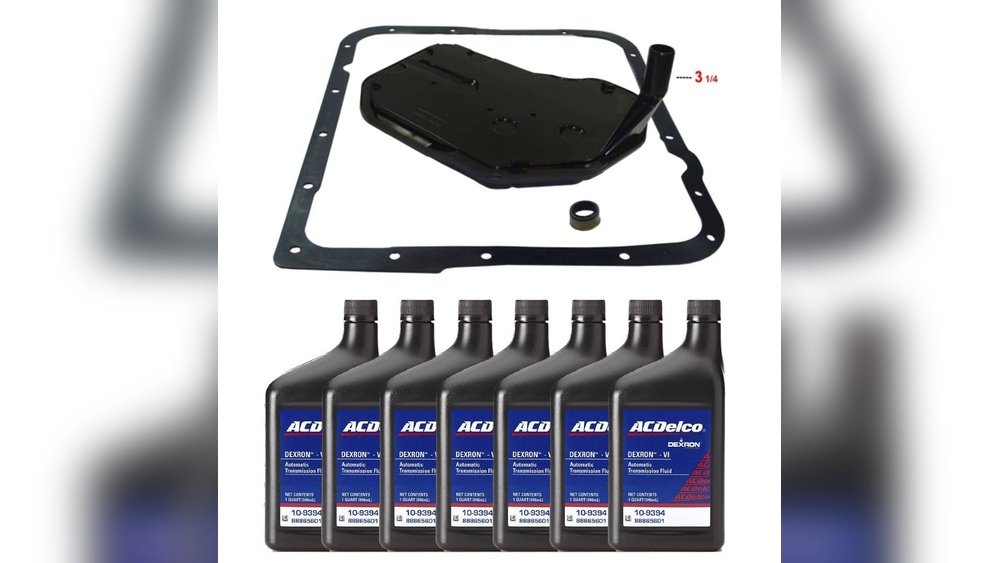
How Many Quarts of Transmission Fluid Does a 4L60E Take: Essential Guide
If you drive a vehicle with a 4L60E transmission, knowing exactly how many quarts of transmission fluid it needs is crucial. Using the right amount keeps your transmission running smoothly and helps avoid costly repairs.
But how do you find the right number without guesswork? You’ll get clear, simple answers so you can take care of your transmission with confidence. Keep reading to learn everything you need to know about filling your 4L60E transmission the right way.
Credit: www.silveradosierra.com
4l60e Transmission Basics
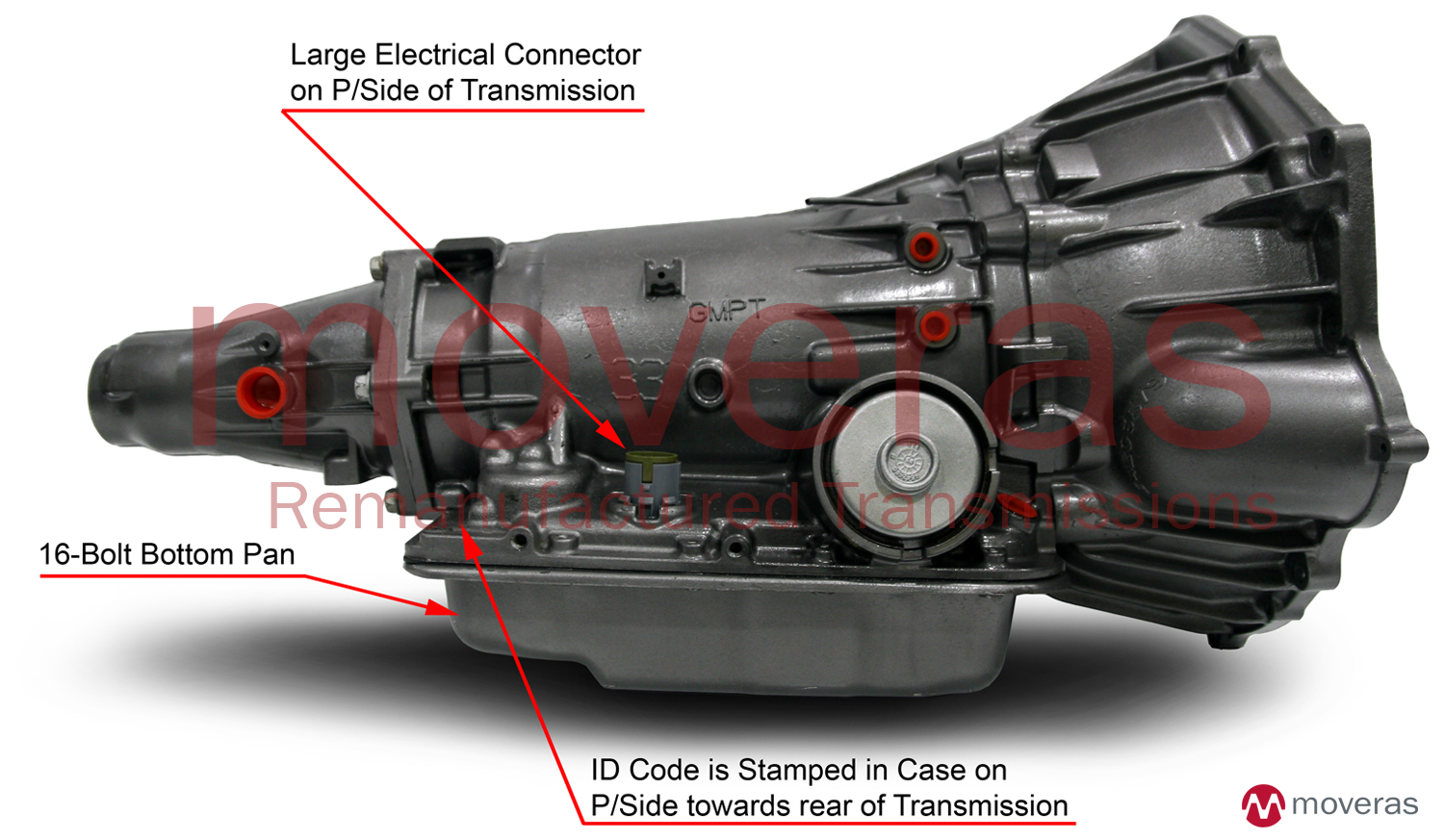
The 4L60E transmission is a popular automatic transmission used in many vehicles. It is known for its durability and smooth shifting. This transmission is electronically controlled, which helps improve performance and fuel efficiency.
Understanding the basics of the 4L60E helps with maintenance and repair. Knowing how much transmission fluid it takes is important for proper care. This section covers the key features and common applications of the 4L60E transmission.
Key Features
The 4L60E has four forward gears and one reverse gear. It uses electronic controls to manage shifting points. This transmission offers good fuel economy and reliable performance. It includes a torque converter and a planetary gearset. It is designed to handle moderate power from the engine.
Common Applications
This transmission is widely used in many GM trucks and SUVs. It appears in Chevrolet, GMC, and some Pontiac models. The 4L60E fits vehicles from the mid-1990s to the early 2000s. It works well with V6 and V8 engines. It is common in light-duty trucks and passenger cars.
Credit: www.youtube.com
Transmission Fluid Role
Transmission fluid plays a key role in the 4L60E transmission system. It lubricates moving parts and helps to cool the transmission. Without the right amount and type of fluid, the transmission can overheat and wear out quickly.
Keeping the fluid clean and at the proper level helps the transmission shift smoothly. It also protects internal parts from damage. Understanding the role of transmission fluid helps in maintaining the 4L60E transmission properly.
Importance Of Fluid
Transmission fluid acts as a lubricant for all moving parts inside the transmission. It reduces friction and prevents metal parts from grinding together. This helps to extend the life of the transmission.
The fluid also carries heat away from the transmission. Overheating can cause seals and other parts to fail. Proper fluid levels keep the transmission cool and working well.
Transmission fluid also helps in shifting gears smoothly. It transmits power from the engine to the wheels. Without enough fluid, gear shifts can become rough or delayed.
Types Of Transmission Fluid
There are several types of transmission fluid available. Not all fluids work with the 4L60E transmission. Using the wrong type can cause damage and poor performance.
Most 4L60E transmissions require Dexron VI or similar automatic transmission fluid. This fluid meets the specific requirements for viscosity and friction. Always check the owner’s manual for the correct fluid type.
Some fluids are synthetic, while others are conventional. Synthetic fluids often last longer and protect better under extreme conditions. Choose the right fluid to keep your transmission running smoothly.
Fluid Capacity Of 4l60e
The fluid capacity of the 4L60E transmission is important for proper vehicle operation. This transmission model is common in many GM vehicles. Knowing the right amount of transmission fluid helps maintain performance and avoid damage. Overfilling or underfilling can cause serious issues.
Standard Fluid Capacity
The 4L60E transmission usually holds about 12 quarts of fluid. This total includes the fluid in the transmission pan, cooler lines, and torque converter. During a fluid change, only 4 to 6 quarts drain out. The rest stays inside the system. Always check the owner’s manual for exact capacity for your vehicle.
Factors Affecting Fluid Volume
Several factors can change the fluid volume in a 4L60E transmission. Cooler size and type affect how much fluid the system holds. Transmission rebuilds or repairs may change the fluid capacity too. Fluid level also varies with the vehicle’s design and transmission model year. Checking the fluid level regularly ensures the right amount is always present.
Checking Transmission Fluid Level
Checking the transmission fluid level in a 4L60E transmission is important. It keeps your vehicle running smoothly. Low or dirty fluid can cause shifting problems and damage the transmission. Regular checks help avoid costly repairs and extend the life of your transmission.
This process is simple and can be done at home. Knowing how to check the fluid level correctly ensures you add the right amount of fluid. This keeps the transmission in good shape.
Tools Needed
- Clean rag or paper towel
- Transmission fluid dipstick (usually built-in)
- Transmission fluid (correct type for 4L60E)
- Gloves (optional, to keep hands clean)
- Funnel (to add fluid if needed)
Step-by-step Process
- Park the vehicle on a level surface and run the engine until warm.
- Keep the engine running and apply the parking brake.
- Locate the transmission fluid dipstick, usually near the back of the engine bay.
- Pull the dipstick out and wipe it clean with a rag or paper towel.
- Insert the dipstick fully back into the tube.
- Pull the dipstick out again and check the fluid level.
- The fluid should be within the marked range on the dipstick.
- Check the fluid color; it should be bright red and clear.
- If the fluid is low, add the recommended transmission fluid slowly.
- Recheck the level after adding fluid to avoid overfilling.
Changing Transmission Fluid
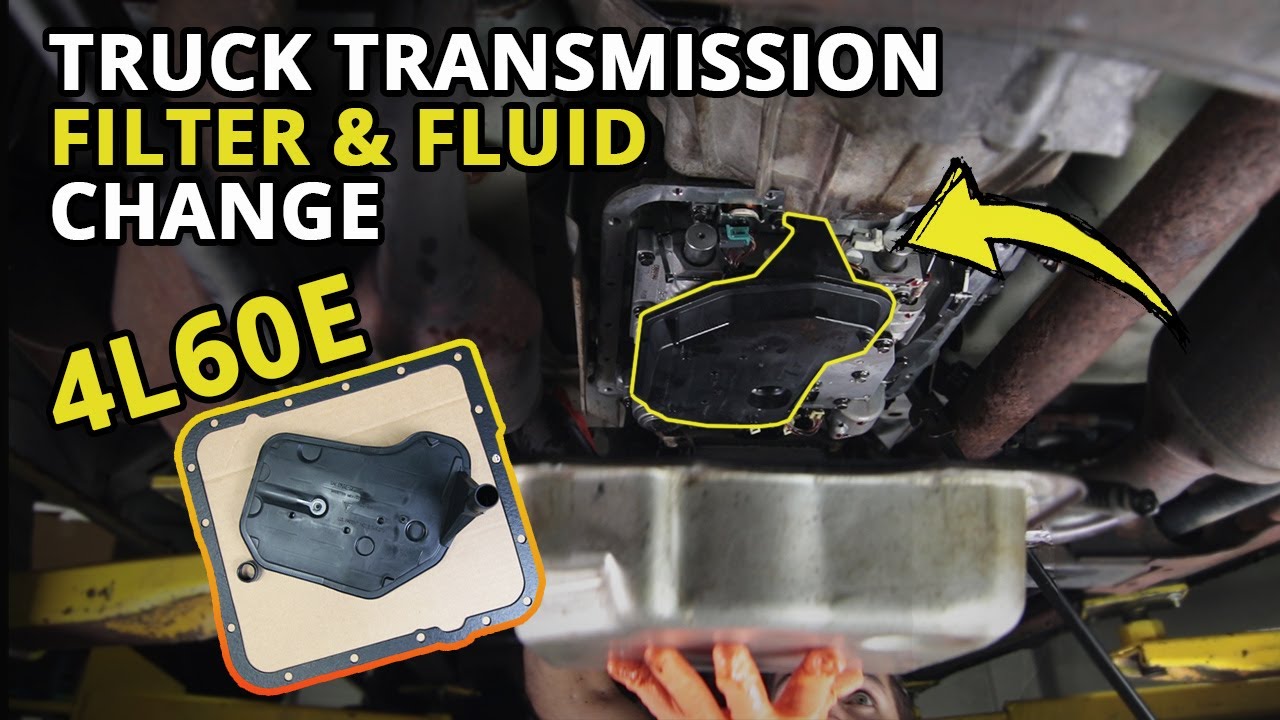
Changing the transmission fluid in your 4L60E transmission keeps your vehicle running smoothly. It helps avoid wear and tear on the internal parts. Clean fluid cools and lubricates the transmission. Over time, the fluid gets dirty and loses its power to protect. Regular changes prevent costly repairs and extend transmission life.
When To Change
Most mechanics suggest changing transmission fluid every 30,000 to 60,000 miles. Check your vehicle manual for exact intervals. Driving in tough conditions may require more frequent changes. Dark or burnt-smelling fluid signals a need for change. Avoid waiting for problems to appear. Changing on time keeps the transmission healthy.
Diy Vs Professional Service
Changing transmission fluid yourself saves money. You need the right tools and clean workspace. Drain the old fluid and replace the filter if needed. Refill with the correct amount of fluid, usually about 10 to 12 quarts for a 4L60E. Professional service may cost more but ensures a thorough job. Experts can spot hidden problems early. Choose what fits your skill and comfort level.
Credit: moveras.com
Common Issues And Solutions
The 4L60E transmission is reliable but needs proper care. Problems often arise from low or dirty transmission fluid. Identifying these issues early can save costly repairs. This section covers common problems and how to fix them.
Signs Of Low Fluid
Low transmission fluid causes slipping gears. The transmission may shift roughly or hesitate. You might hear strange noises like whining or clunking. The vehicle could overheat or lose power. Check the fluid level regularly to avoid damage.
Leaks And Repairs
Leaks often cause fluid loss in the 4L60E transmission. Look for red or brown fluid under the vehicle. Common leak spots include the pan gasket and cooler lines. Fix leaks quickly to prevent low fluid levels. Replacing gaskets or seals usually solves the problem.
Tips For Maintaining 4l60e Transmission
Maintaining the 4L60E transmission helps it run smoothly and last longer. Regular care prevents costly repairs and keeps shifting smooth. Small steps make a big difference in transmission health.
Regular Fluid Checks
Check the transmission fluid level often. Use the dipstick to see if fluid is low or dirty. Low fluid causes slipping and overheating. Clean, full fluid helps parts move easily. Check the fluid when the engine is warm. Always park on a flat surface for an accurate reading.
Recommended Fluids
Use the right transmission fluid for the 4L60E. Dexron VI is the best choice. It protects parts and keeps shifting smooth. Avoid mixing different types of fluid. Using the wrong fluid can cause damage. Change the fluid and filter every 30,000 miles or as needed.
Frequently Asked Questions
How Many Quarts Does A 4l60e Transmission Hold?
A 4L60E transmission typically holds about 12 quarts of transmission fluid. This includes the fluid needed for a complete drain and refill, including the torque converter.
How Much Fluid Is Needed For A 4l60e Fluid Change?
For a simple fluid change, around 6 quarts of transmission fluid are usually required. This replaces the drained fluid but not the fluid in the torque converter.
What Type Of Transmission Fluid Does A 4l60e Use?
The 4L60E transmission requires Dexron VI automatic transmission fluid. Using the correct fluid ensures optimal performance and longevity of the transmission.
Can I Overfill My 4l60e Transmission With Fluid?
Yes, overfilling the 4L60E transmission can cause foaming and shifting problems. Always check fluid levels with the dipstick after filling.
Conclusion
The 4L60E transmission usually takes about 12 to 13 quarts of fluid. This amount includes the fluid in the torque converter and the transmission cooler. Checking the owner’s manual helps confirm the exact capacity. Using the right fluid amount keeps the transmission working well.
Too little or too much fluid can cause problems. Regular fluid checks and changes help extend transmission life. Keep your vehicle running smooth and avoid costly repairs. Simple care goes a long way for the 4L60E transmission.