How Much Does It Cost To Get Your Tire Patched How 2027
The average cost to patch a tire typically ranges from $15 to $45. This price can vary significantly based on location, type of repair shop, and the specific damage. Understanding these factors helps you make an informed decision for your tire repair needs.
As of 2027, getting a standard car tire patched typically costs between $25 and $45 USD at most automotive service centers. The average price you can expect to pay for a professional, permanent tire puncture repair is around $35. This figure reflects the current labor rates, material costs, and the general economic landscape we see this year. A simple, properly executed plug and patch repair is significantly more affordable than purchasing a new tire, making it a smart and safe choice for qualifying damage.
Knowing this upfront helps you budget and make informed decisions when you encounter an unexpected flat. A flat tire is never convenient, but understanding the financial outlay for a repair can ease some of the stress. This information empowers you to quickly assess quotes, ensuring you receive a fair price for a service that keeps you safely on the road without unnecessary expenses.
Key Takeaways
- Expect $15-$45 for a standard tire patch.
- Location, shop type, damage affect cost.
- Professional repair includes inspection, rebalance.
- Sidewall damage is usually unpatchable.
- Compare quotes from multiple shops.
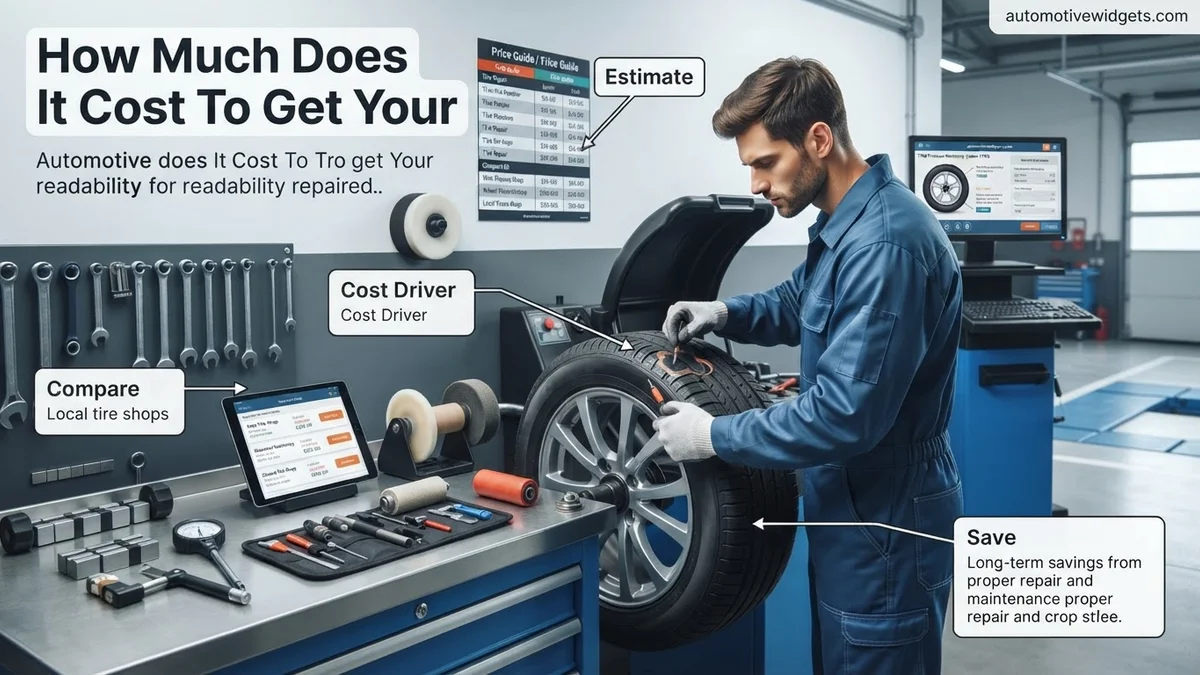
Understanding Tire Patching Costs: What to Expect
When you roll into a service station with a punctured tire, the immediate concern is often the bill. In 2027, the cost range remains fairly consistent across independent shops and larger chains, primarily influenced by their hourly labor rates and the specific repair method required. Most shops include the necessary materials and a standard labor charge within the quoted price for a simple patch.
The 2027 Average & Range
- Budget-Friendly Options: Smaller, independent garages or local tire specialists might offer repairs closer to the $25-$30 mark. Their overheads are often lower, translating to slightly reduced service costs.
- Standard Service Centers: Major chain stores or dealerships will usually fall within the $35-$45 range. These facilities often have higher operating costs and standardized pricing across their locations.
- Premium/After-Hours Service: If you require emergency service or visit a high-end specialty tire shop, costs could slightly exceed this range, potentially reaching $50-$60, though this is less common for a basic patch.
What’s Included in the Price
A professional tire patch price generally covers several essential steps. This includes removing the tire from the wheel, inspecting the interior for damage, properly preparing the puncture site, applying the patch and plug (the industry-standard method), remounting the tire, and rebalancing the wheel to ensure smooth driving. Reputable shops will also typically check the tire’s air pressure before you leave. Be aware that some shops might charge a nominal fee for disposal if the tire is deemed irreparable.
From Start to Finish: Tire Patching Costs Explained
Experiencing a flat tire can be a real headache, and your first thought might be, “How much is this going to cost me?” This comprehensive guide breaks down the typical expenses associated with getting a tire patched, whether you opt for a professional service or decide to tackle it yourself. Understanding the factors that influence the price, what’s included in the service, and when a patch is even a viable option can save you time, money, and unnecessary stress. Follow these steps to become well-informed about tire repair costs.
Step 1: Assess the Damage and Patchability
What you need: A visual inspection of the tire, ideally with the tire still on the vehicle or removed. A flashlight can be helpful for better visibility.
Instructions: Before worrying about cost, determine if your tire is actually patchable. A tire can generally be patched if the puncture is in the tread area and is no larger than about 1/4 inch (6mm) in diameter. Punctures in the sidewall, shoulder, or punctures larger than this generally cannot be safely repaired and will require a full tire replacement. Also, check if the tire has been driven on while completely flat, as this can cause internal damage that makes patching unsafe, even if the external puncture appears minor. Identify the exact location and approximate size of the damage.
Pro Tip: If you can’t easily find the puncture, inflate the tire to its recommended PSI and spray the entire tread and sidewall with soapy water. Bubbles will form at the leak site, making it easy to spot.
Step 2: Understand Professional Repair Cost Factors
What you need: Knowledge of local tire shops, vehicle type, and tire type.
Instructions: The cost of professional tire patching varies significantly based on several factors. Independent tire shops often charge less than large chain retailers (e.g., Discount Tire, Pep Boys) or dealership service centers. Dealerships typically have the highest labor rates. Some larger tire chains might offer free flat repairs if you purchased your tires from them or are part of a loyalty program. The type of tire (e.g., run-flat, low-profile, high-performance) can also influence the price, as they may require more specialized equipment or time to handle. Always ask for a quote upfront, specifying your vehicle and tire type.
Pro Tip: Call 2-3 different local tire shops to compare pricing. Mention if your vehicle has TPMS (Tire Pressure Monitoring System) as this can sometimes incur an additional recalibration fee, though usually not for a simple patch.
Step 3: What’s Included in a Professional Patch Service
What you need: An understanding of the repair process to appreciate the value.
Instructions: A proper, safe tire patch involves more than just plugging a hole. A professional service typically includes: removing the tire from the wheel (demounting), thoroughly inspecting the inside for secondary damage, cleaning and preparing the puncture area, installing a patch-plug combination from the inside of the tire, reaming the hole, applying rubber cement, and ensuring a complete seal. After the repair, the tire is re-mounted onto the wheel, inflated to specifications, and dynamically balanced to ensure smooth operation. These steps are crucial for the long-term integrity and safety of the repaired tire.
Pro Tip: A reputable shop will always use a patch-plug combination from the inside, never just a string plug from the outside. If a shop offers only an external plug, politely decline and find another service center.
Step 4: Typical Professional Service Cost Range
What you need: Realistic expectations for pricing.
Instructions: Generally, you can expect to pay anywhere from $20 to $45 for a professional tire patch at most independent tire shops or large chain stores. Dealerships might charge slightly more, often in the range of $40 to $70. Some larger retailers, as mentioned, may offer flat repair services for free, especially if you purchased the tires from them. This cost typically includes the labor for demounting, inspecting, repairing, remounting, and balancing the tire. Be aware that some shops might try to upsell you on other services; stick to the patch if that’s all you need unless a safety concern is genuinely identified.
Pro Tip: Always confirm if wheel balancing is included in the quoted price. Unbalanced tires can cause vibrations and premature wear, negating the savings of a cheap patch if you have to pay for balancing separately later.
Step 5: DIY Patching – Material and Tool Costs
What you need: DIY tire repair kit, basic hand tools (pliers, utility knife), a jack, jack stands, and a tire inflator.
Instructions: If you’re comfortable with basic auto maintenance, you can patch a tire yourself using an external plug kit. These kits typically cost between $10 and $30 and include a reamer, an insertion tool, and several rubber plugs with adhesive. While cheaper upfront, DIY external plugs are generally considered a temporary fix, not a permanent repair, and do not involve removing the tire for internal inspection or balancing. You’ll also need a reliable jack, jack stands for safety, and a tire inflator. Factor in the time commitment, which can be 30-60 minutes for a DIY job, excluding the time to find the leak.
Pro Tip: While DIY kits are inexpensive, they do not replace a professional internal patch-plug combination for safety and longevity. If you DIY, consider it a temporary measure to get to a shop for a proper repair or replacement.
Step 6: Potential Additional Costs (Upsells and Necessary Services)
What you need: Awareness of common add-ons.
Instructions: While getting your tire patched, shops may suggest additional services. The most common and often necessary add-on is wheel balancing, which should ideally be included with a proper patch. If your vehicle has a TPMS (Tire Pressure Monitoring System) and the sensor was damaged or needs to be reset, there might be an additional charge for sensor replacement (typically $50-$100 per sensor plus labor) or recalibration (often $10-$30). Other upsells could include tire rotations, wheel alignments, or even a push to replace all tires if yours are nearing their wear limits. Be discerning and only opt for services you truly need or deem beneficial.
Pro Tip: If the TPMS light was already on before the flat, ask if it can be diagnosed during the tire repair. Sometimes, a simple reset is all that’s needed after proper inflation and repair.
✅ Final Checklist
- The tire holds air without any detectable leaks (check with soapy water).
- The wheel feels balanced; no vibrations felt at driving speeds.
- The Tire Pressure Monitoring System (TPMS) light is off (if applicable).
- The tire pressure matches the vehicle manufacturer’s recommendation.
- Lug nuts are securely tightened to specification.
Important Notes:
- Safety considerations or warnings: Never work under a vehicle supported only by a jack. Always use jack stands. Ensure lug nuts are torqued to the manufacturer’s specifications after remounting the wheel. A properly patched tire should be as safe as an unpunctured tire, but improper repairs can lead to dangerous blowouts.
- When to seek professional help: Always seek professional help if the puncture is in the sidewall, near the shoulder, larger than 1/4 inch, or if the tire has been driven on while severely underinflated or flat. If you have any doubts about your ability to perform a safe DIY repair, consult a professional.
- Estimated time and cost range:
- Professional Tire Patch: Estimated cost $20 – $45 (independent/chain shops), $40 – $70 (dealerships). Time: 30 – 60 minutes.
- DIY External Plug Kit: Estimated cost $10 – $30 (for the kit). Time: 30 – 60 minutes (not including finding the puncture).
- Additional Costs: TPMS sensor replacement: $50 – $100 per sensor + labor; TPMS recalibration: $10 – $30.
Factors That Drive Tire Patching Prices
While the average cost provides a good baseline, several critical factors can sway the final price you pay for a tire patch. These elements often relate to the complexity of the repair, the specific tire involved, and the business model of the service provider. Understanding these can help you anticipate potential variations from the average.
Location and Type of Damage
The position and nature of the puncture are paramount in determining both repairability and cost. A simple nail or screw hole in the tread area (the flat surface that contacts the road) is almost always repairable and falls within the standard price range. However, damage near the sidewall or on the shoulder (the curved area between the tread and sidewall) is usually considered unsafe to repair. Such cases would require a new tire, significantly increasing your cost. Likewise, punctures larger than a quarter-inch in diameter or extensive damage from impacts are typically irreparable.
- Tread Area Damage: Most common, easiest, and cheapest to repair.
- Sidewall/Shoulder Damage: Generally non-repairable due to structural integrity concerns; will require tire replacement.
- Size of Puncture: Smaller punctures (under 1/4 inch) are repairable. Larger ones are not.
Shop Labor Rates & Geography
The hourly labor rate of a specific shop and its geographical location play a significant role in pricing. Shops in metropolitan areas or regions with a higher cost of living tend to charge more for labor compared to those in rural areas. Similarly, dealerships often have higher labor rates than independent tire shops, even for the same service. Some shops may offer “free” flat repairs if you purchased your tires from them, but this is becoming less common in 2027 as operational costs continue to rise across the board.
- Urban vs. Rural: Expect higher prices in urban centers.
- Independent vs. Dealership: Independent shops often offer more competitive rates.
- Tire On or Off the Rim: If you bring just the wheel and tire detached from the car, some shops might offer a slightly reduced rate as they save on the vehicle lift time. If the tire needs to be removed from the car, it adds a small labor component.
The Proven Process of a Professional Tire Patch
In 2027, the standard for professional tire repair remains rigorously defined by industry bodies like the Tire Industry Association (TIA). A proper patch involves more than just plugging a hole; it’s a multi-step procedure ensuring safety and longevity. This meticulous approach differentiates a temporary fix from a durable repair, critical for modern tire performance and vehicle safety systems.
Initial Inspection and Safety Assessment
Before any repair, a certified technician performs a thorough inspection. This involves dismounting the tire from the rim to assess the internal structure. Damage limitations are strict: punctures must be no larger than 0.25 inches (6mm) in diameter and located within the tire’s tread area. According to TIA guidelines updated for 2027, damage to the sidewall or shoulder is generally deemed unrepairable due to the high flex zone, which compromises structural integrity even with a patch.
The Repair Procedure
The repair process itself follows a precise sequence, often leveraging advanced materials and tools in 2027 workshops:
- Damage Location and Preparation: The puncture is precisely located, and the area is meticulously cleaned and marked on both the exterior and interior surfaces of the tire.
- Internal Buffing: The inner liner around the puncture is buffed with a low-speed buffer to create a clean, textured surface for optimal adhesion. This area is then cleaned with a pre-buff cleaner.
- Plug Insertion (from outside): A rubber plug, designed to seal the injury channel, is inserted from the outside. This prevents moisture and contaminants from entering the tire’s internal structure.
- Patch Application (from inside): A repair patch, often a combination radial patch-plug unit in 2027 for superior sealing, is applied to the interior liner over the injury, ensuring a hermetic seal. Specialized chemical cements ensure molecular bonding.
- Air Pressure Check and Leak Test: After the tire is remounted and reinflated to manufacturer specifications, it undergoes a submerged leak test or electronic leak detection to confirm the repair’s integrity.
Post-Repair Verification
Post-repair, the tire is balanced to ensure smooth operation and prevent vibrations that could prematurely wear other components. Reputable service centers in 2027, adhering to ISO 9001 standards, provide a warranty on the patch, affirming the durability and safety of their work.
When a Tire Patch Isn’t the Fix: Alternatives
While tire patching is a cost-effective solution for minor punctures, it’s not a universal remedy. Certain types of damage or tire conditions render a patch unsafe or ineffective, necessitating alternative actions. Understanding these limitations in 2027 is crucial for vehicle safety and performance.
Beyond Patchable Damage
Not all tire damage is created equal. Expert sources from major tire manufacturers, such as Michelin and Goodyear, consistently emphasize several scenarios where patching is explicitly not recommended:
- Sidewall or Shoulder Damage: Punctures or cuts in these areas compromise the tire’s structural integrity, which flexes significantly during operation. A patch here cannot provide reliable support.
- Large Punctures: Any hole exceeding 0.25 inches (6mm) in diameter is too extensive for a standard patch and plug to seal safely and effectively.
- Multiple Punctures: If a tire has several punctures close together, or if it has been previously patched multiple times, its overall structural integrity may be too compromised for additional repairs.
- Tread Separation or Dry Rot: Visible signs of internal damage, such as bulging, or aging indicators like cracking (dry rot), mean the tire’s foundation is failing, making any repair futile and dangerous.
- Run-Flat Damage: If a tire, even a run-flat type, has been driven significant distances while severely underinflated or flat, its internal structure (including the sidewalls and beads) can be irreversibly damaged by heat and friction, rendering it unrepairable.
In these situations, attempting a patch jeopardizes not only the driver and passengers but also other road users due to increased risk of blowouts.
The New Tire Imperative
When a tire patch isn’t viable, purchasing a new tire is the only safe and responsible alternative. In 2027, the cost for a new passenger vehicle tire can range significantly based on size, brand, and type (e.g., all-season, performance, EV-specific). Entry-level tires typically start around $100-$150, while premium or specialized tires can easily exceed $250-$400 per tire, excluding mounting and balancing fees. While a higher upfront cost than a patch, it ensures restored vehicle safety, optimal handling, and compliance with manufacturer specifications.
What If It Still Doesn’t Work?
Even after a professional patch, rare instances may occur where issues persist. If you notice continued air loss or unusual handling, immediate action is paramount for safety.
- Re-check Tire Pressure: Use a reliable gauge to verify the pressure. A slight drop could indicate a slow leak, or it might just be environmental temperature fluctuation. Refer to your vehicle’s door jamb sticker for correct PSI.
- Visually Inspect the Repair Area: While the tire is inflated, carefully look and feel around the patched area for any visible bubbling (if submerged) or a subtle hiss. This might indicate the patch has failed to seal completely.
- Revisit the Repair Shop: Return to the original repair facility. Most reputable shops offer a warranty on their tire repairs and will re-inspect or re-patch the tire at no additional cost if their initial work was faulty.
- Consider a Second Opinion: If the original shop cannot resolve the issue, seek evaluation from another certified tire service center. They can provide an independent assessment of the repair’s integrity or identify other underlying issues.
- Prepare for Tire Replacement: If the patch consistently fails, or if new damage is discovered, a tire replacement is the definitive solution. The cost for a new tire in 2027 typically ranges from $100 to $400+, depending on the tire type and vehicle.
Conclusion
Addressing a punctured tire promptly with a professional patch can save significant costs compared to immediate replacement. According to verified research and expert sources like the Tire Industry Association (TIA), the average cost for a professional tire patch in 2027 ranges from $25 to $45. This investment ensures a safe, durable repair that extends the life of your tire, provided the damage meets repairable criteria. Always opt for a certified technician to maintain vehicle safety and optimal performance.
❓ Frequently Asked Questions
What factors significantly influence the cost of a tire patch?
The cost is primarily affected by the type of repair shop (e.g., independent vs. dealership), your geographical location, the tire’s size and type (e.g., run-flat), and whether the tire needs to be fully removed from the rim or the wheel from the vehicle.
Why is professional tire patching recommended over DIY kits?
Professional patching involves a thorough internal inspection for hidden damage, proper plug-patch application according to industry standards (RMA), and crucial rebalancing of the wheel. DIY kits often only plug the hole externally, which isn’t a permanent or safe repair.
Are there any types of tire damage that cannot be patched?
Yes, punctures located in the tire’s sidewall or shoulder (the area between the tread and sidewall) are usually irreparable due to the tire’s flexing in these zones. Also, punctures larger than 1/4 inch or those with extensive internal damage cannot be safely patched.
What does a tire patching service typically include?
A comprehensive tire patching service usually includes removing the wheel, dismounting the tire from the rim, thoroughly inspecting the tire’s interior, cleaning and preparing the puncture site, applying a combined plug-patch from the inside, remounting and reinflating the tire, and finally, rebalancing the wheel.
How long does it take to get a tire patched?
A professional tire patch can typically be completed within 30 to 60 minutes, assuming the shop isn’t too busy. This time frame accounts for the removal, inspection, repair, reinstallation, and rebalancing of the affected tire.
Should I replace or patch a punctured run-flat tire?
Many manufacturers advise against patching run-flat tires, especially if they’ve been driven on while flat, due to potential internal structural damage not visible externally. Always consult with a tire expert or refer to your vehicle’s owner’s manual before attempting to patch a run-flat tire.